
Small commercial sites often receive the shortest camera quotations. A shop, workshop, clinic, or compact warehouse may be described with four cameras, a recorder, and installation. That shorthand hides the decisions that affect evidence: which doorway needs a face view, whether the cash or loading area needs a second angle, how night light changes, where the recorder sits, and what happens when the network is busy.
An outdoor CCTV package should begin with the site map and the event that the owner needs to review. Contractors can then define camera type, lens view, mounting height, power, network path, storage, night method, audio, and maintenance access. The package is not simply a number of cameras; it is a set of matched parts that must work together after handover.
Mark entrances, doors, loading points, side passages, parking edges, cash or service counters, and any area where a camera would face glare or a blank wall. State whether the point is for overview, identification, vehicle movement, staff safety, or incident review. A wide view can show that something happened while a tighter view may be needed to identify a person or label.
Specify the Camera Before the Recorder
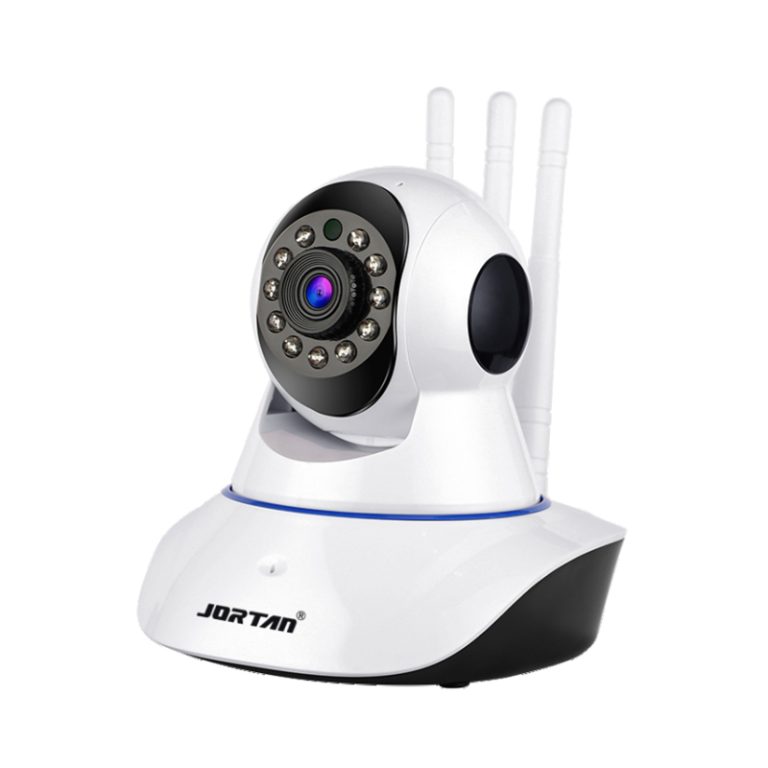
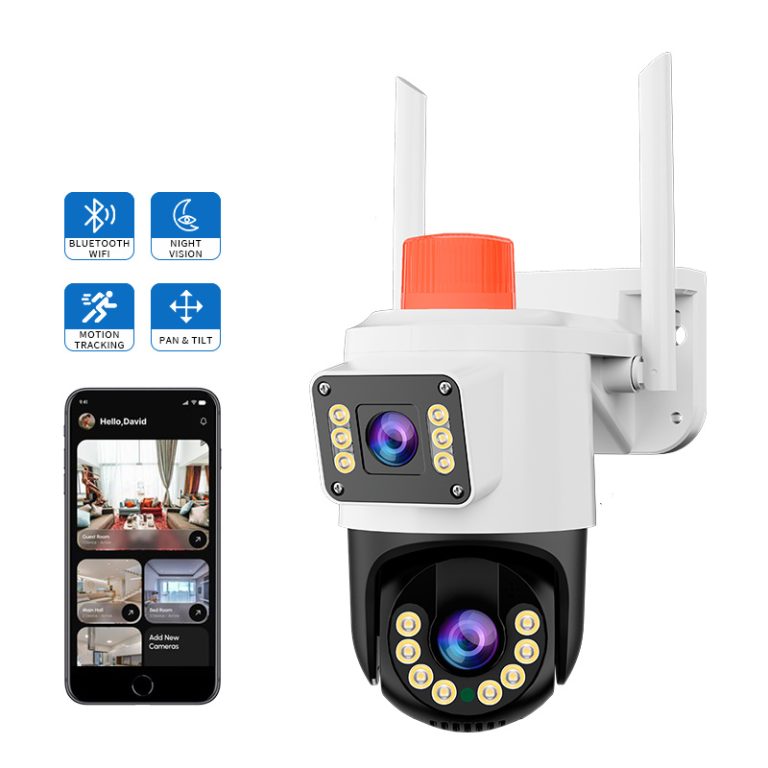
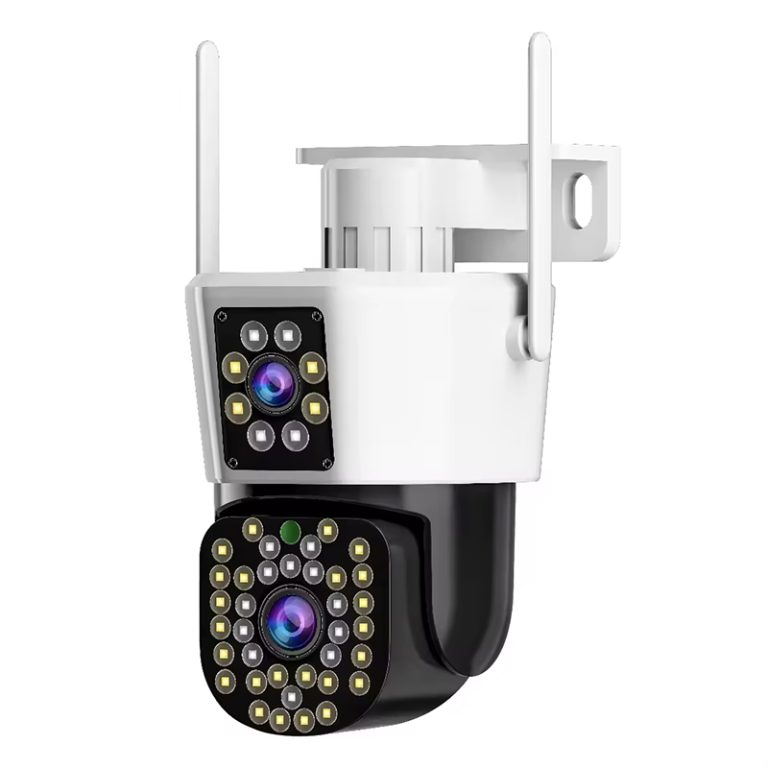
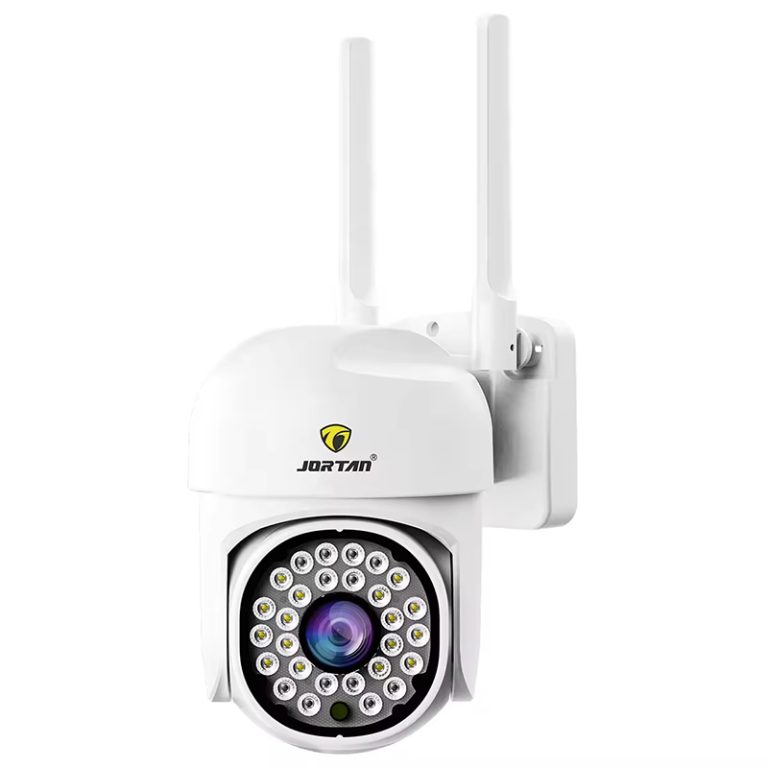
The outdoor security camera specification should cover resolution, lens or field of view, day and night behavior, infrared or white-light use, housing protection, power input, network interface, audio, local storage, and the intended recorder or app. A model such as the جيه تي-8699تي كاميرا خارجية can be discussed against the scene, but the exact lens, firmware, and recorder compatibility should be confirmed in the current product sheet.
Do not use a generic IP rating as a complete weather plan. Check the mounting surface, cable entry, connector protection, direct rain, heat, glare, insects, and access for cleaning. An IP66 housing can be a useful published field, but the installed cable path and bracket still influence the result. Record those details in the installation notes.
Night evidence needs its own line. Note whether the site has street lighting, a bright sign, vehicle headlights, reflective metal, or a dark side alley. Test a person walking toward and across the camera. If the package uses visible white light, discuss the effect on staff and neighbors. If infrared is used, check reflection from walls, glass, and close surfaces.
Match Network, Storage, and Service Capacity
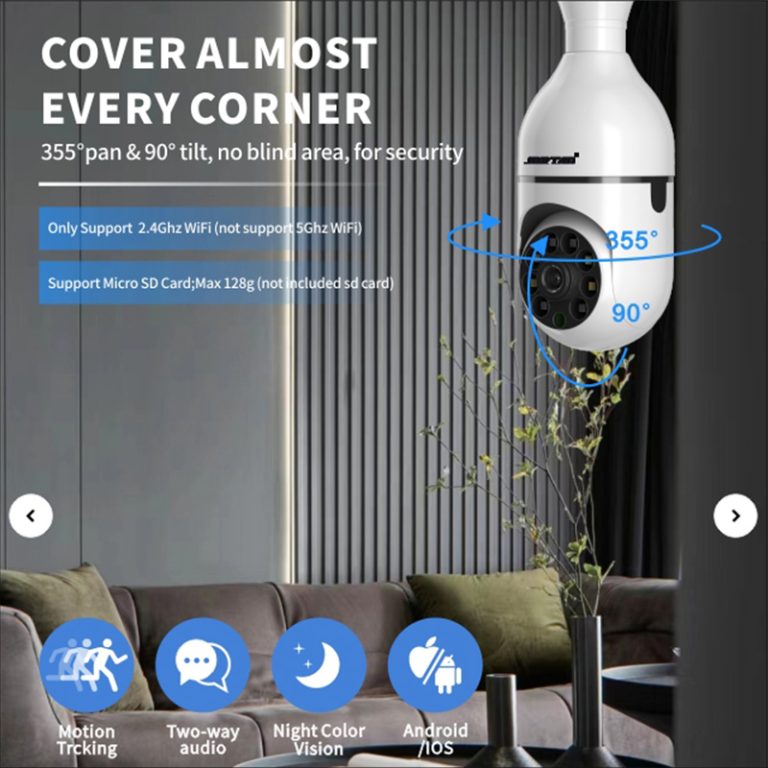
A commercial CCTV system should state whether cameras use PoE, WiFi, 4G, or another connection, and which part of the system carries live traffic to the recorder. List cable routes, switch capacity, power budget, recorder channels, storage days, overwrite behavior, remote access, and export steps. If a number is not confirmed by the selected models, mark it as an RFQ item rather than filling the blank with a standard assumption.
Build the Handover Around Evidence
The contractor should hand over a point list, camera names, IP or network notes, recorder details, storage setting, user roles, reset process, and night test images. Add a maintenance note for lens cleaning, cable inspection, weather exposure, and firmware review. This makes a small installation easier to support when the original installer is not on site.
ال جفي المنتصف 5 gives contractors a broader product conversation when one site needs different views or power arrangements. A supplier discussion should cover the complete security camera package, including mounting, accessories, packaging, test samples, and replacement handling. That is more useful than sending a single product link after the quote is written.

Let the Package Scale Without Rework
A small commercial buyer may add a door, stockroom, or yard later. Leave room in the recorder, switch, cable path, storage plan, and user-permission structure where the budget allows. The proposal should say which items are included now and which expansion items need a new site check. This keeps a low initial cost from creating a high second-phase installation cost.
Jortan’s factory and product configuration capability can be useful when contractors need consistent camera bodies, packaging, or a recurring package for several small sites. An outdoor package specification can start with a plan, a sample, and a night scene instead of a broad promise that one model fits every job.
A good package specification is readable by the installer, buyer, and service team. It names the job of each camera, the boundary of the network and storage, the evidence expected at night, and the items that still need confirmation. That clarity is what makes a small system commercially dependable.
Contractors should also specify how the package will be powered during a short outage or maintenance visit. A PoE camera may rely on the switch and recorder location, while a WiFi camera depends on its adapter and access point. The proposal should show the relevant dependency and name any battery or UPS requirement as a separate line, not as an assumption hidden inside installation labor.
الأردن is useful for a broad product reference, while an outdoor package review can bring the site map, lens role, mounting, night clip, storage days, and recorder choice into one supplier discussion. A contractor can then ask for a sample package that resembles the real site instead of comparing isolated camera photos.
For repeat sites, keep a standard point schedule but allow local exceptions. A shop beside a busy road may need glare testing; a workshop may need a different mounting height; a small yard may need a longer cable or a different night-light approach. The package should be repeatable without pretending that every building has the same conditions.
خاتمة
Small commercial sites deserve a specification that is short but complete. Start with the event each camera must document, then match lens, night method, power, network, storage, recorder, and maintenance access. A clear outdoor CCTV package reduces rework during installation and gives the owner a usable record after the contractor leaves.
التعليمات
Q1: How many cameras belong in a small commercial package?
A1: The count should follow the site map and evidence roles, not a standard bundle. Mark each entrance, transaction, loading, passage, and blind area before choosing the final number.
Q2: Is IP66 enough to specify an outdoor camera?
A2: It is one published field, not a complete installation guarantee. Cable entry, bracket, mounting surface, glare, heat, rain exposure, and maintenance access also need review.
Q3: What should a contractor hand over after installation?
A3: Provide a point list, network and recorder details, storage settings, user and reset notes, test images, accessories, and a maintenance or firmware review record.