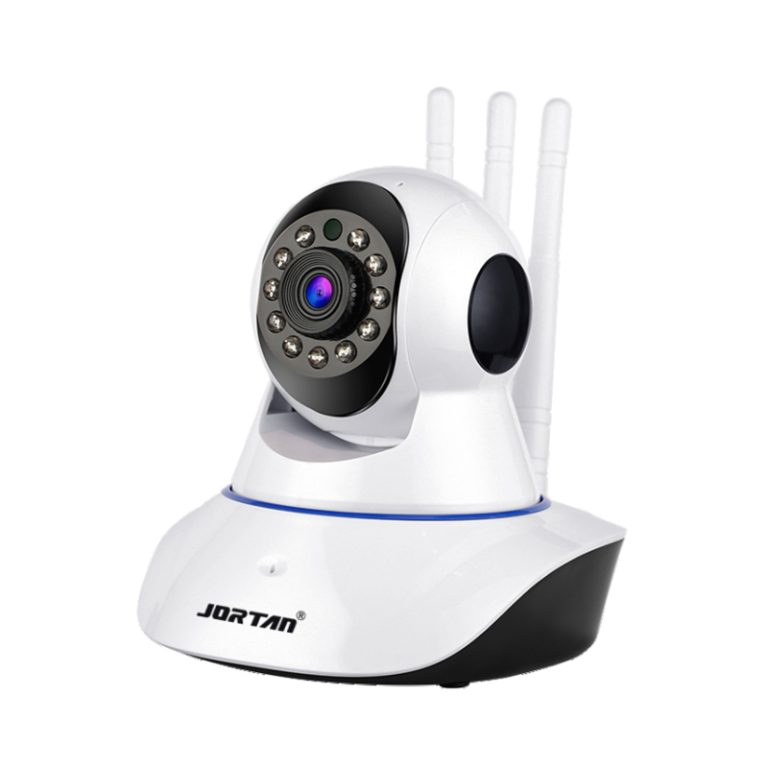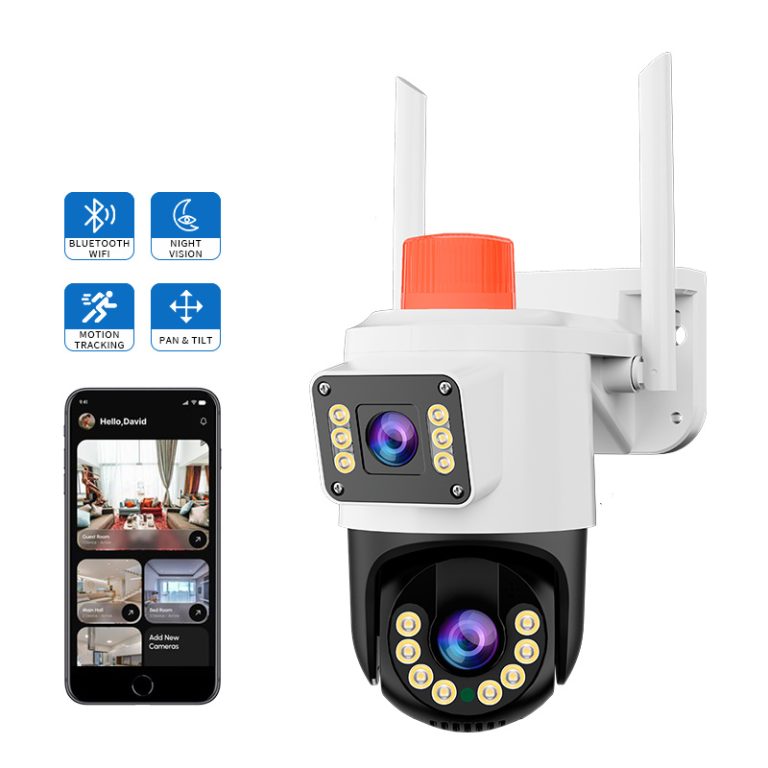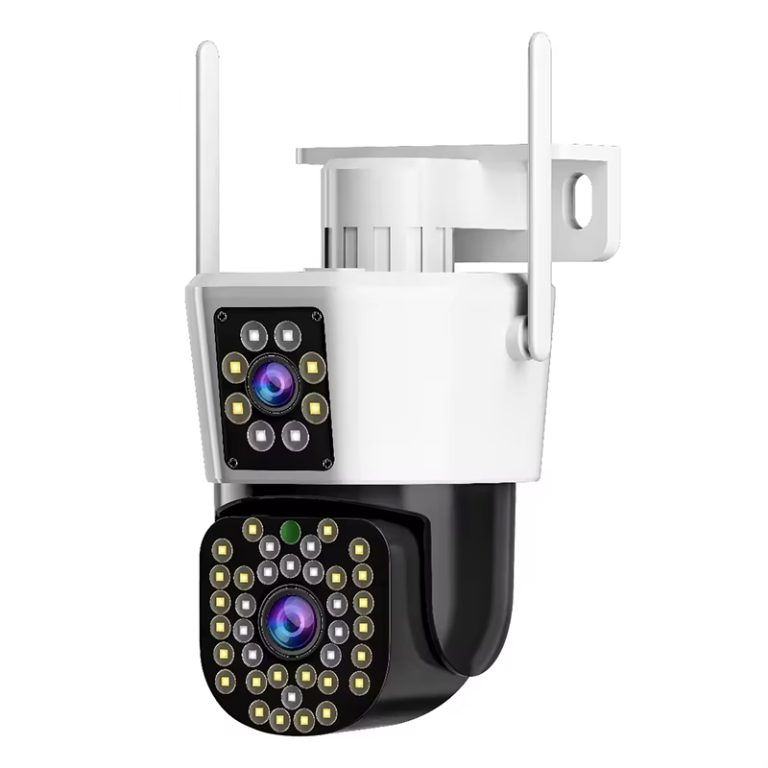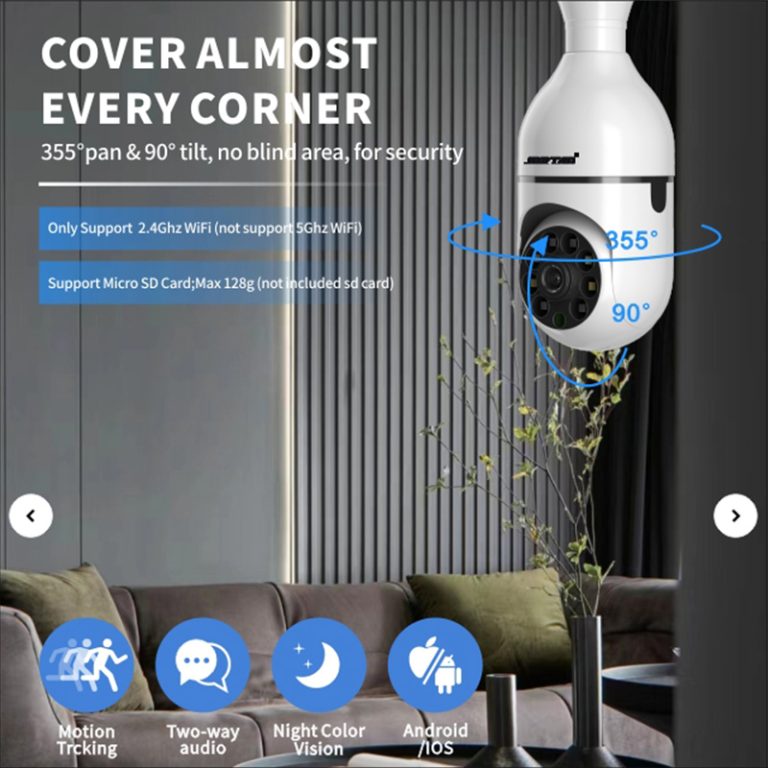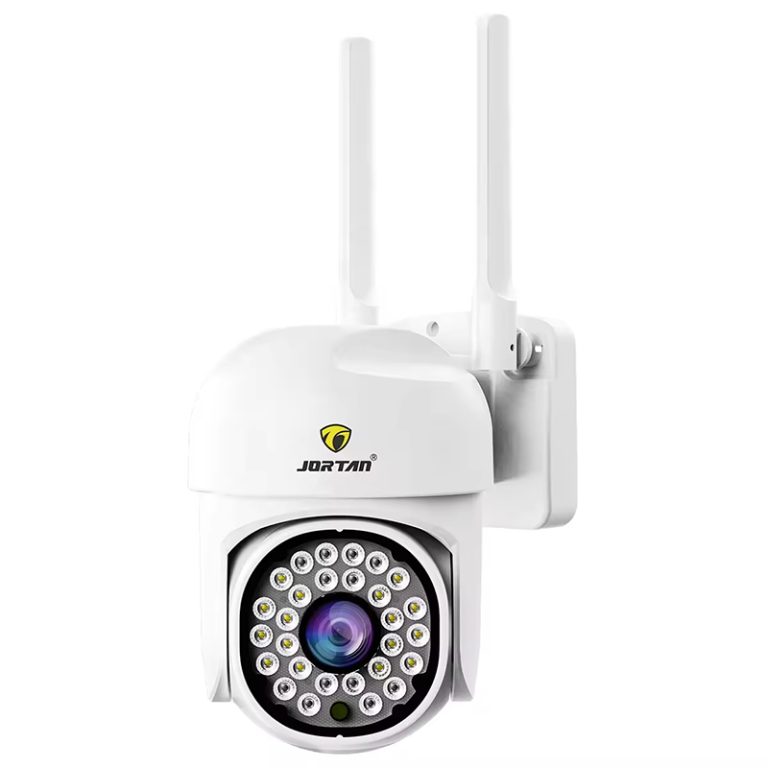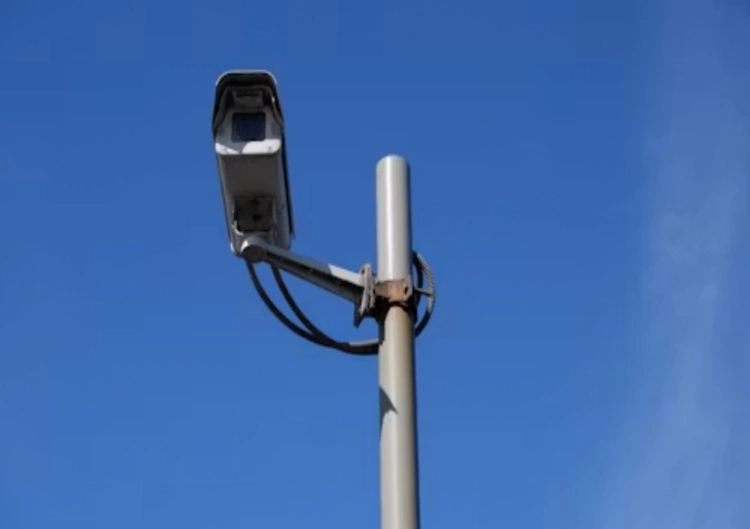
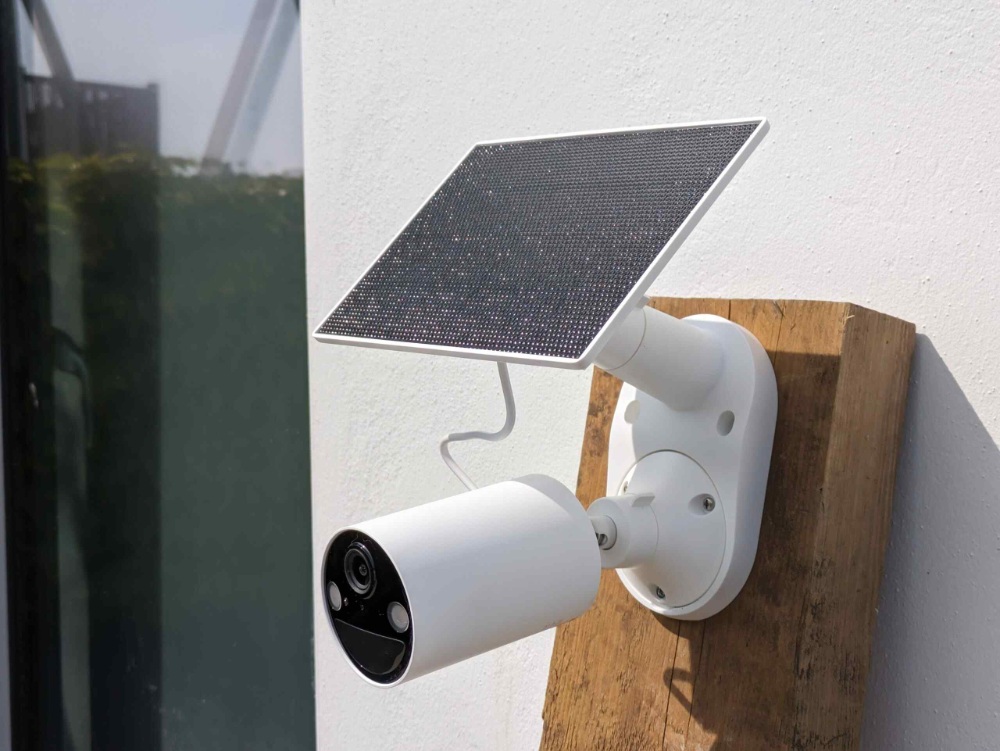
كاميرا المنزل الذكية توفر أنظمة المراقبة المنزلية لأصحاب المنازل مزايا تتجاوز مجرد تسجيل الفيديو. فهي تجمع بين المراقبة المباشرة، والإشعارات الفورية على الهاتف، واستشعار الحركة الموثوق، والتخزين السحابي أو المحلي المرن، والتكامل السلس مع الأجهزة الذكية الأخرى. هذا النظام يجعل إدارة أمن المنزل أسهل بكثير. قبل اختيار النظام، من الحكمة فهم كيفية عمل هذه الكاميرات والميزات الأساسية التي تضمن حماية فعالة وحديثة.
فهم أنظمة كاميرات المنزل الذكي
لقد تغير عالم المراقبة المنزلية بسرعة. فقد تحول من الأنظمة التناظرية القديمة إلى شبكات ذكية مترابطة تعزز كلاً من الأمان والسهولة.
تطور تكنولوجيا الأمن المنزلي
في البداية، سيطرت أنظمة الدوائر التلفزيونية المغلقة التناظرية البسيطة على أمن المنازل. كانت توفر تسجيلًا مباشرًا، لكنها افتقرت إلى ميزات المشاهدة عن بُعد والتشغيل التلقائي. ثم مع تطور التكنولوجيا الرقمية، ظهرت كاميرات IP التي وفرت فيديو عالي الوضوح وروابط عبر الإنترنت. في الآونة الأخيرة، شهد سوق الكاميرات الذكية نموًا سريعًا. باتت المنازل والمكاتب تدرك الدور الحيوي الذي تلعبه هذه الأجهزة في الأمن والمراقبة عن بُعد، وغير ذلك. وقد حوّل ربط إنترنت الأشياء والذكاء الاصطناعي هذه الكاميرات إلى مراقبين فاعلين يقومون بعمليات فحص فورية واستجابات ذكية. اليوم، تتيح هذه الاتصالات للأفراد مراقبة منازلهم من أي مكان عبر تطبيقات الهاتف.
المكونات الأساسية لنظام كاميرات المنزل الذكي
يتألف نظام كاميرات المنزل الذكي النموذجي من كاميرات، وأجهزة استشعار للحركة، ووحدات تحكم رئيسية، وشبكة قوية. وتتيح خيارات التخزين السحابي أو التسجيل المحلي - مثل بطاقات الذاكرة أو أجهزة تسجيل الفيديو الشبكية - سهولة إدارة البيانات. بمجرد تثبيت التطبيق، يمكن للمستخدمين مراقبة أماكن عملهم ومنازلهم عن بُعد في أي وقت. أصبحت تطبيقات الهاتف المحمول ضرورية للتحكم عن بُعد، حيث تُمكّن المستخدمين من مشاهدة البث المباشر أو تلقي التنبيهات فورًا.
أهم الميزات التي يجب تقييمها في كاميرات المنزل الذكي
عند اختيار نظام كاميرات المنزل الذكي، فإن معرفة مواصفاته الرئيسية أمر بالغ الأهمية لتوفير حماية قوية.
الدقة وجودة الصورة
تحدد دقة الصورة مدى وضوح التفاصيل. ورغم أن دقة 1080p مناسبة للاستخدام اليومي، إلا أن كاميرات 2K و4K تقدم صورًا أكثر وضوحًا، وهي مثالية لرصد الوجوه أو لوحات السيارات. رؤية ليلية وهذا مهم للغاية أيضاً. فالأضواء بالأشعة تحت الحمراء أو الرؤية الليلية الملونة تُبقي الأشياء مرئية في الإضاءة الخافتة. أما تقنية النطاق الديناميكي العالي (HDR) فتُحسّن حدة الصورة من خلال توزيع الإضاءة بشكل متساوٍ في أجزاء مختلفة من المشهد.
خيارات الاتصال والتكامل
تُسهّل كاميرات الواي فاي عملية الإعداد، لكنها تعتمد على إشارات قوية. في المقابل، تُقدّم الأنظمة السلكية نتائج ثابتة مع أقل قدر من التشويش. كما أن توافقها مع أنظمة مثل أليكسا، وجوجل هوم، وآبل هوم كيت يُتيح استخدام الأوامر الصوتية بسهولة. وتُساعد بروتوكولات مثل بلوتوث، وزيغبي، وزي ويف الأجهزة على التواصل ضمن شبكات ذكية أوسع.
حلول التخزين وإدارة البيانات
يمكن للمستخدمين اختيار خطط تخزين سحابية أو طرق تخزين محلية مثل بطاقات الذاكرة لتسجيل الفيديوهات بشكل مستمر. ويضمن التشفير القوي حماية الفيديوهات الخاصة من أعين المتطفلين. قد توفر الخطط التي تتطلب اشتراكات ميزات تحليل ذكية، ولكنها تستلزم رسومًا دورية.
تقنيات متقدمة تعزز أنظمة الأمن الذكية
مع نمو تكنولوجيا المنازل الذكية، الذكاء الاصطناعي وتساهم تقنيات التعلم الآلي في إعادة تشكيل مدى فعالية أنظمة المراقبة.
تطبيقات الذكاء الاصطناعي والتعلم الآلي
تتيح تقنية رصد الأجسام المدعومة بالذكاء الاصطناعي للكاميرات التمييز بين البشر والحيوانات والسيارات. ويُستخدم هذا النوع من الكاميرات الذكية بشكل أساسي في أنظمة الأمن المنزلي، حيث تُستخدم لرصد عمليات الاقتحام وإطلاق الإنذارات. فإذا رصدت الكاميرا شخصًا غريبًا في منطقة مراقبة محددة، تُطلق تنبيهًا فوريًا. كما تُتيح خاصية فحص السلوك رصد أي تصرفات غير معتادة، مثل التسكع أو التحركات المفاجئة. ومع مرور الوقت، تُسهم هذه التقنية في تقليل الإنذارات الخاطئة من خلال رصد الأنماط المعتادة.
خاصية كشف الحركة والتنبيهات الذكية
تستخدم الكاميرات إما مستشعرات الأشعة تحت الحمراء السلبية لاستشعار حرارة الأجسام أو برامج تقوم بذلك تتبع الحركة لرصد التغييرات. يمكن للمستخدمين تحديد مناطق مخصصة لمراقبة الحركة لاستهداف مواقع مثل المداخل أو مواقف السيارات. وتضمن التنبيهات التي تصل مباشرة إلى الهواتف في الوقت الفعلي إبلاغ المالكين بأي أحداث غير عادية بسرعة.
التكامل مع أنظمة المنازل الذكية الأوسع نطاقًا
تتيح المساعدات الصوتية التحكم دون استخدام اليدين. على سبيل المثال، يمكن للمستخدمين أن يطلبوا من أليكسا أو مساعد جوجل عرض لقطات مباشرة على الشاشات المتصلة لإلقاء نظرة سريعة.
يربط نظام التشغيل الآلي الكاميرات بالإضاءة، بحيث تضيء المصابيح عند رصد أي حركة ليلاً. وبالمثل، يوفر الربط بأجهزة الإنذار إنذارات سريعة ضد عمليات السطو.
اعتبارات التركيب لتحقيق الأداء الأمثل
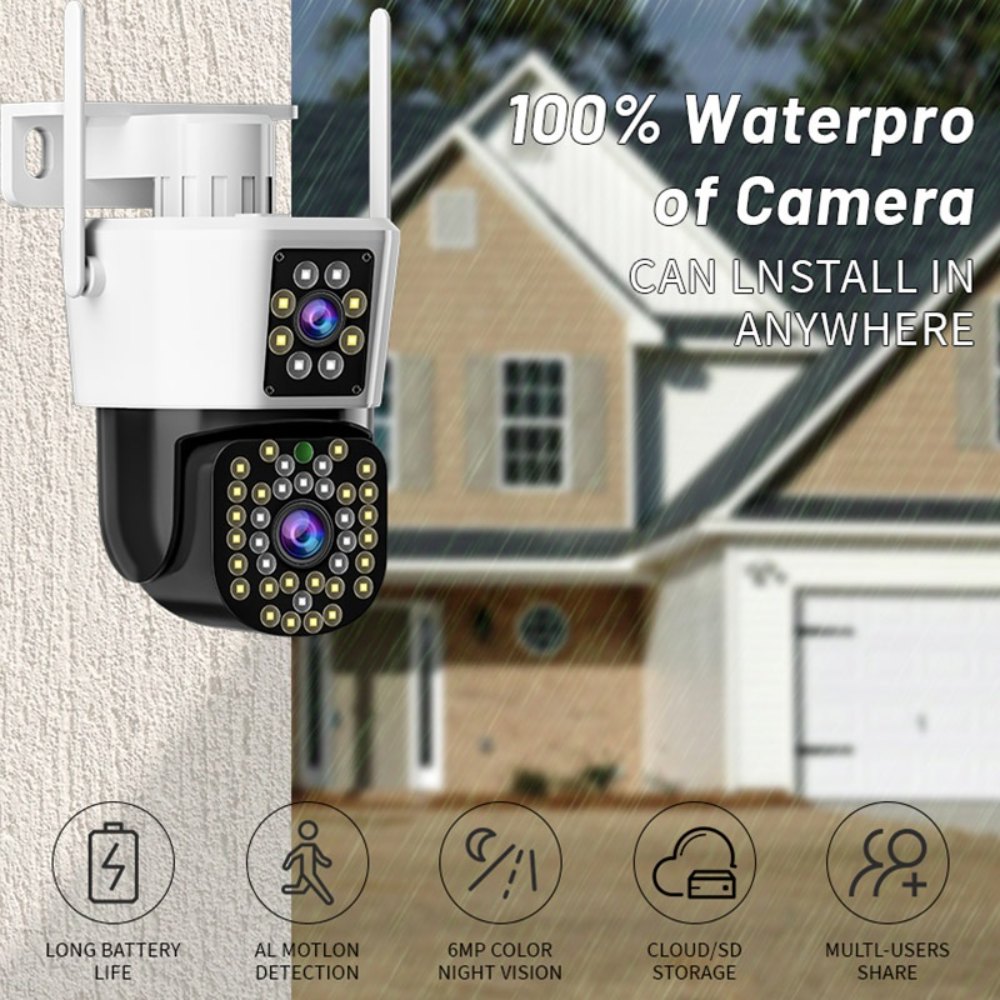
يُحدد الإعداد الجيد مدى كفاءة نظامك في مختلف الظروف.
استراتيجيات وضع الكاميرات الداخلية والخارجية
ابدأ بتحديد احتياجاتك الفعلية للمراقبة: ما هي المناطق التي يجب تغطيتها، مثل المساحات الداخلية، أو مداخل المباني، أو الممرات، أو غرف محددة. ثم ضع في اعتبارك مساحة التغطية التي يجب أن تغطيها كل كاميرا، حيث قد تتطلب المساحات الأكبر زوايا أوسع أو أجهزة متعددة.
يجب مراعاة مستويات الإضاءة ونطاق الرؤية عند تحديد الموقع. أما بالنسبة للأماكن الخارجية، فإن التصنيفات العالية مثل IP66 أو أعلى توفر حماية من الأوساخ والماء.
متطلبات تكوين الشبكة وعرض النطاق الترددي
قد يؤدي استخدام عدة كاميرات عالية الوضوح إلى زيادة سرعة الشبكة. لذا، فإن أجهزة التوجيه المزودة بتقنية واي فاي ثنائية النطاق (2.4 جيجاهرتز/5 جيجاهرتز) تساعد على بث سلس دون تأخير.
خيارات إمداد الطاقة واحتياجات الصيانة
توفر الخيارات السلكية طاقة مستمرة، لكنها تتطلب إعدادًا أكثر تعقيدًا من الخيارات اللاسلكية التي تستخدم بطاريات قابلة لإعادة الشحن. يختلف عمر البطارية تبعًا لعوامل مثل وضوح الفيديو أو إعدادات الحركة. يضمن التشغيل الذكي استمرار عمل الجهاز بسلاسة دون الحاجة إلى شحن متكرر.
الخصوصية والأمن والاعتبارات القانونية في المراقبة الذكية
يجب أن يوازن نظام مراقبة المنازل الذكية بين تعزيزات الأمان وحماية البيانات بشكل عادل. تعمل تحديثات البرامج على إصلاح نقاط الضعف من خلال سدّ الثغرات الأمنية بسرعة. كما يُضيف تسجيل الدخول بخطوتين طبقة حماية إضافية للحسابات ضد محاولات الاختراق. ويتعين على أصحاب المنازل أيضًا الالتزام بقواعد المنطقة المتعلقة بتسجيل الفيديو داخل المنزل، وذلك لمنع انتهاك خصوصية الآخرين. وتحثّ قواعد وضع الكاميرات المدروسة أصحاب المنازل على توجيهها بعناية، مع تجنب توجيهها مباشرةً إلى الأفنية المجاورة لتعزيز الثقة بين الجيران.
الاتجاهات المستقبلية في تكنولوجيا مراقبة المنازل الذكية
تُساهم الأفكار الجديدة باستمرار في تشكيل الموجة القادمة من أنظمة كاميرات المنازل الذكية. تعمل الحوسبة الطرفية على تسريع الاستجابات من خلال معالجة الفيديو مباشرةً على الأجهزة، مما يقلل أوقات الانتظار بشكل كبير خلال اللحظات الحاسمة بدلاً من الاعتماد على خوادم السحابة فقط. ومع انتشار تقنية الجيل الخامس عالميًا، توفر الاتصالات فائقة السرعة مشاهدة سلسة بدقة 4K في الوقت الفعلي، دون أي انقطاع، حتى على عدة أجهزة في آن واحد.
يُعدّ التصميم الصديق للبيئة أكثر أهمية أيضاً. فالمصنّعون يبنون قطعاً توفر الطاقة، وتقلل من الأضرار التي تلحق بالبيئة مع الحفاظ على الأداء العالي لفترات استخدام طويلة.
التعليمات
س1: ما الذي يجعل كاميرات المراقبة المنزلية التي تعمل بالذكاء الاصطناعي أكثر فعالية من كاميرات المراقبة التقليدية؟
أ1: تقوم الأنظمة المدعومة بالذكاء الاصطناعي بدراسة الفيديو المباشر باستخدام خوارزميات ذكية ترصد الاختلافات بين الأشخاص أو الحيوانات أو الأشياء. وهذا يقلل الإنذارات الكاذبة بشكل كبير مقارنة بأنظمة كاميرات المراقبة القديمة.
س2: كم مرة يجب عليّ صيانة نظام كاميرات المنزل الذكي الخاص بي؟
ج٢: افحص كاميرتك واعتنِ بها بانتظام لضمان عملها بكفاءة. فالصيانة الدورية تحافظ على جودة الصورة ووضوحها، وعلى موثوقية الخدمة على مر السنين.
س3: ما هو المنتج الذي يوفر مزامنة موثوقة للكاميرات المتعددة للمنازل الكبيرة؟
ج٣: لأصحاب المنازل الذين يرغبون في خيارات متنامية مع مراقبة الهاتف المدمجة، الأردن'تُقدّم كاميرات المنزل الذكية أداءً متميزاً عبر تطبيقها الخاص. صُمّم التطبيق لتسهيل عمليات الفحص الفوري للعديد من الوحدات في الوقت نفسه.