Residential protection has shifted from fixed, wired surveillance toward systems that remain reliable when electricity and broadband are unstable or unavailable. Suburban homes, rural properties, farms, detached garages, and vacation houses increasingly demand devices that operate independently from existing infrastructure while still delivering responsive monitoring and evidence-grade video.
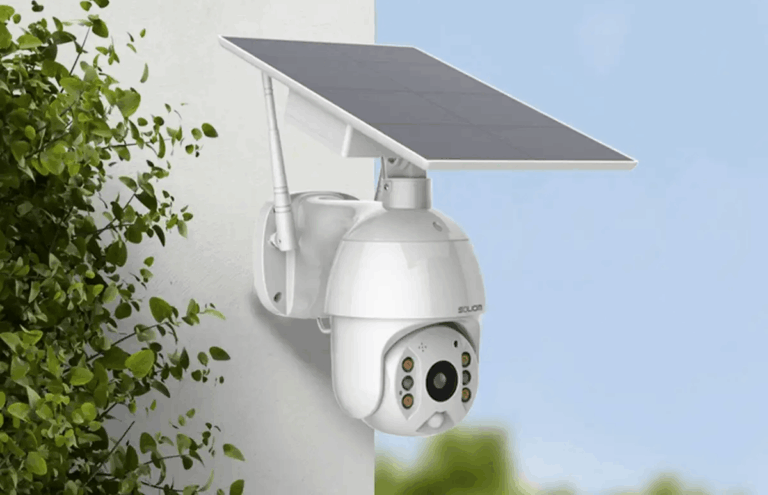
From an industry perspective, security cameras have evolved from simple recording tools into intelligent terminals that integrate AI, IoT connectivity, and edge computing. This evolution follows a dual trajectory of technological upgrade and scenario expansion, where products are designed not only for image capture but also for autonomous perception and remote interaction. Solar 4G PTZ cameras represent a practical embodiment of this shift, integrating energy autonomy, mobile network transmission, and mechanical flexibility into a single architecture tailored for environments where traditional systems fail.
This article analyzes why this architecture is gaining relevance for residential protection, how its technical structure differs from conventional devices, and how you can evaluate its real-world value.
Why do residential environments increasingly require solar 4G cameras?
Many residential environments no longer fit the assumptions behind traditional surveillance systems. Power availability, network stability, and installation constraints have become decisive factors.
Power independence
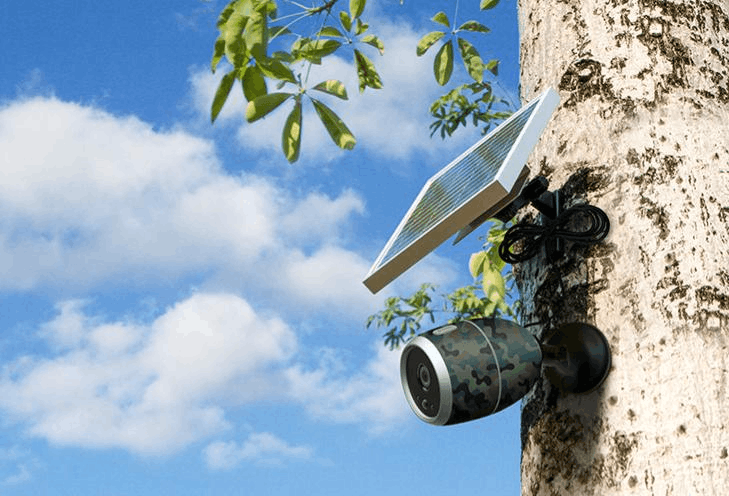
Solar systems eliminate the need for mains electricity, which is critical for perimeter zones, garden entrances, driveways, barns, and remote corners of a property where cabling is either expensive or structurally impractical. Independence from the grid also improves resilience during outages.
Network independence
4G transmission removes dependence on household broadband. Even when routers fail, are reset, or lose service, the camera remains reachable through the mobile network. For properties that sit outside fiber coverage, this is often the only viable path to continuous connectivity.
Installation flexibility
Without the burden of trenching cables or modifying building structures, installation becomes a placement decision rather than a construction project, reducing both deployment time and long-term maintenance complexity.
What technical advantages distinguish solar 4G PTZ cameras?
The advantages are not only reflected in convenience but also emerge from system-level design choices that align hardware behavior with environmental constraints.
Ultra-low power architecture
Low-power design optimizes every layer of the device, from chipset selection to sleep–wake logic and algorithm scheduling. The hardware design and software algorithms of solar 4G camera systems are jointly optimized to minimize energy consumption, allowing stable operation even in environments without grid power. This is the technical foundation that makes solar autonomy feasible beyond a few hours of runtime.
4G transmission stability
Integrated mobile communication modules provide stable data transmission where wired networks are unavailable. This architecture addresses the long-standing issue of delayed or interrupted data delivery in remote environments and enables real-time access from phones or computers regardless of location.
Intelligent detection efficiency
Event-based activation, such as human-shape detection, reduces unnecessary recording and transmission. Instead of continuous high-load operation, the system allocates energy and bandwidth primarily when meaningful activity occurs. This not only saves power but also improves the relevance of alerts for the homeowner.
How does PTZ capability enhance residential protection compared to fixed cameras?
The addition of PTZ mechanics changes how a single device protects a space.
Dynamic coverage
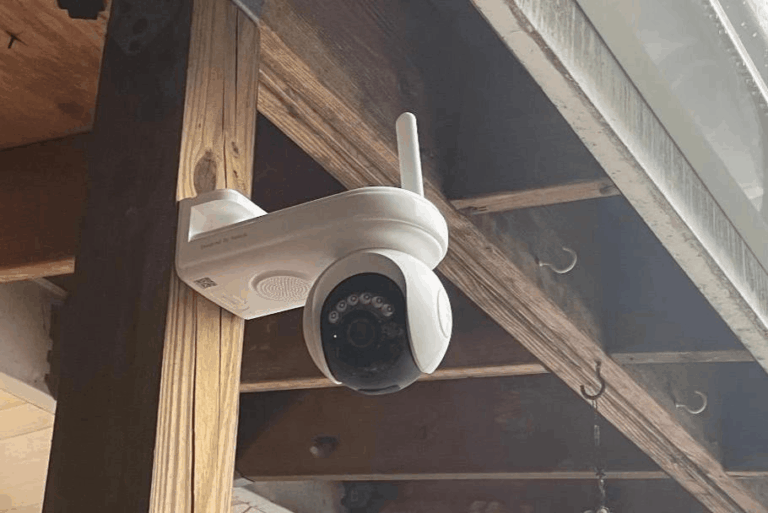
A fixed camera observes only what its lens faces, while a PTZ camera, by contrast, allows you to reposition the field of view across multiple directions. For residential yards or multi-entrance properties, this feature can reduce the need for deploying several cameras.
Active inspection
PTZ functionality enables you to investigate anomalies in real time. When a notification arrives, you can actively inspect gates, doors, or corners, which aligns more closely with how people naturally assess safety.
Evidence continuity
When combined with tracking algorithms, PTZ motion supports continuous observation of moving subjects. Instead of fragmented clips from separate devices, you gain a coherent visual record that preserves behavioral context.
What real problems does a solar 4G PTZ camera solve for homeowners?
The value becomes clearer when mapped to concrete living conditions.
Properties without wiring
Self-built houses, rural residences, temporary structures, and renovation sites often lack safe access to power lines. Solar 4G systems offer a way to deploy protection without altering infrastructure.
Temporary residences
Vacation homes and properties that remain unoccupied for long periods require monitoring that does not rely on constantly maintained utilities. Solar 4G systems reduce the risk of blind periods caused by disconnected services.
Outdoor perimeter protection
Perimeter zones are usually the hardest to protect because they sit far from sockets and routers. Solar PTZ devices allow you to place monitoring where risk actually exists rather than where wiring is convenient.
Which practical product example reflects these advantages?
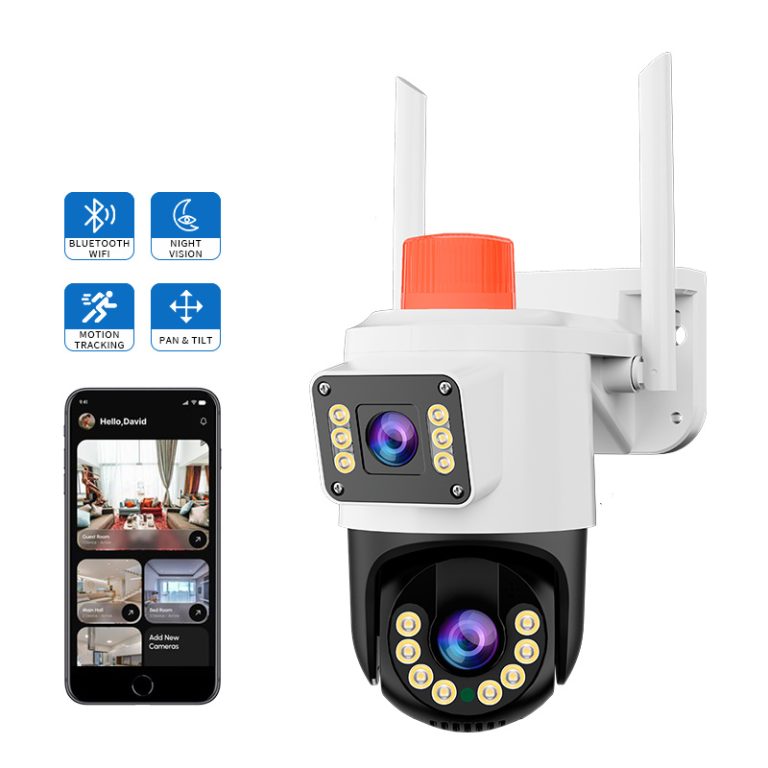
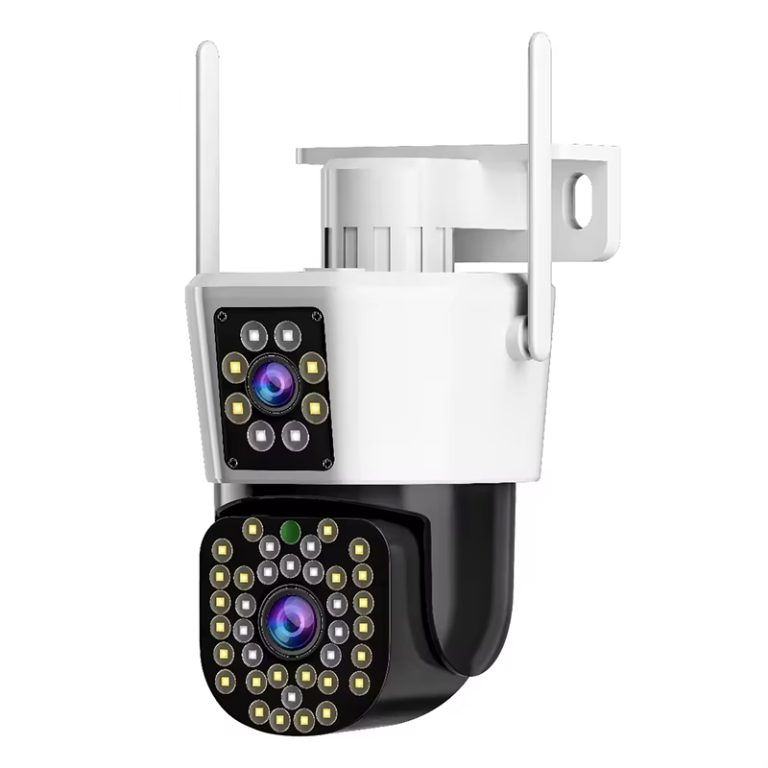
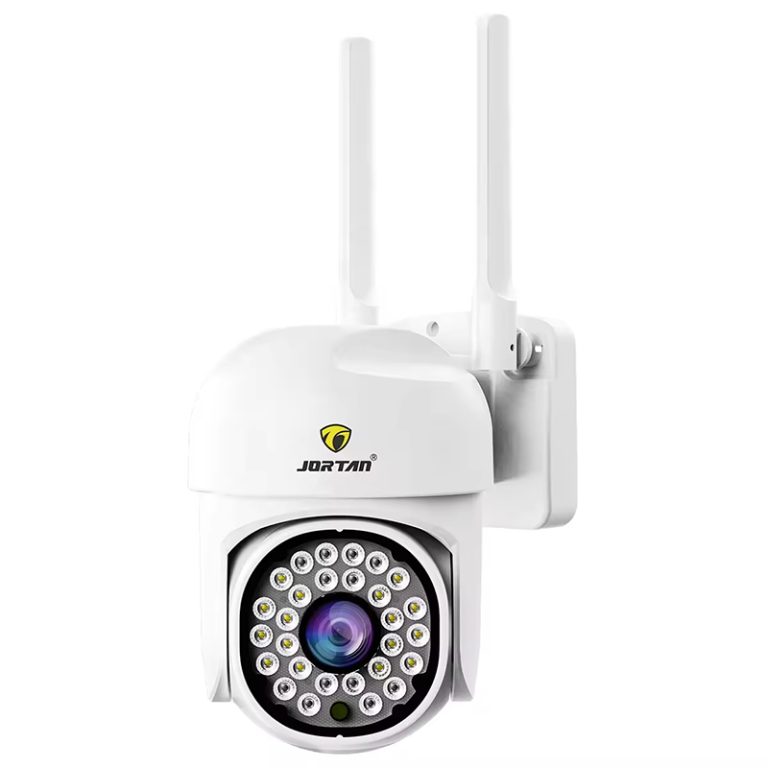
To illustrate how this architecture manifests in real products, one relevant example is the JT-9687 Pro security camera, a solar 4G PTZ device designed for environments without stable electricity or broadband. Its design integrates solar energy support, mobile network transmission, pan-tilt rotation, and intelligent detection into a unified structure suitable for residential outdoor deployment.
This device demonstrates how technical principles such as low-power architecture, autonomous connectivity, and mechanical flexibility translate into a usable solution.

Why does manufacturer capability matter in solar camera projects?
Solar 4G PTZ systems are not modular toys assembled from independent components. Their reliability depends on how well different subsystems cooperate.
Hardware–software coordination
Power management, algorithm timing, sensor operation, and communication scheduling must align precisely. If motion detection triggers too frequently, batteries drain. However, if sleep cycles are poorly tuned, critical events may be missed. The maturity of system integration directly influences field performance.
Scenario-based customization
Different regions have differences in sunlight availability, temperature ranges, mobile network bands, and user behavior patterns. A device designed without adaptability risks underperforming once deployed outside its original assumptions.
Who is Jortan, and how does its approach align with this market?
In the context of solar and wireless surveillance, the manufacturer’s structure often determines whether products remain stable beyond laboratory conditions. Zhejiang Jortan Electronic Technology Co., Ltd., based in Yiwu, operates as an integrated manufacturer covering product development, design, production, and service within a unified organization. Our company maintains production facilities exceeding 30,000 square meters and supports the engineering direction with dedicated technical teams and modern equipment.
Our product development philosophy reflects a system-oriented approach rather than isolated feature stacking. Wireless monitoring, low-power devices, PTZ models, and mobile-connected cameras are designed with attention to how users actually deploy them in homes, yards, and semi-remote environments. This orientation becomes especially relevant for solar-powered projects, where energy management, communication stability, and mechanical reliability must function as a coordinated whole.
For integrators and project developers who require tailored configurations, our company also offers structured customization support through our OEM/ODM service, enabling adaptation across hardware, software, and market positioning without fragmenting system logic.
What mistakes should you avoid when deploying solar PTZ cameras?
Even well-designed products can fail if deployment logic is improper.
Ignoring sunlight conditions
Site assessment remains essential. Placing a solar camera in constant shade undermines even the best power architecture.
Oversizing expectations
Solar-powered devices prioritize efficiency over brute performance. Expecting continuous high-frame-rate recording in all conditions often leads to disappointment.
Weak network planning
Mobile coverage varies significantly by region, so evaluating signal strength before installation avoids intermittent connectivity.
Treating solar cameras as indoor devices
Outdoor placement requires attention to weather exposure, mounting stability, and long-term maintenance, not just initial convenience.
Conclusion
The core value of solar 4G PTZ cameras lies in four intersecting attributes—energy autonomy, network autonomy, spatial flexibility, and intelligent perception. For residential protection, these devices adapt surveillance to the realities of modern living environments, instead of forcing homes to adapt to infrastructure-heavy surveillance systems.
When you evaluate such systems, focus less on superficial specifications and more on power design, communication stability, algorithm efficiency, and the engineering maturity of the manufacturer behind the product. These factors ultimately determine whether the system protects consistently or merely performs well in controlled demonstrations.
FAQs
Q: Can a solar 4G PTZ camera remain reliable during extended cloudy periods?
A: Reliability depends on the relationship between battery capacity, power consumption, and local sunlight conditions. Systems built on low-power architecture and sized appropriately for the environment can continue operating even through several consecutive overcast days.
Q: Does 4G transmission significantly increase operational cost for homeowners?
A: Data usage varies with configuration. Event-based recording, efficient encoding, and sleep–wake mechanisms typically keep monthly data consumption within manageable limits for most residential use.
Q: Is PTZ capability necessary for home protection compared with fixed cameras?
A: In compact indoor spaces, fixed cameras may suffice. For outdoor areas, multi-entrance properties, or open yards, PTZ functionality can reduce blind zones and improve situational control, often with fewer devices overall.