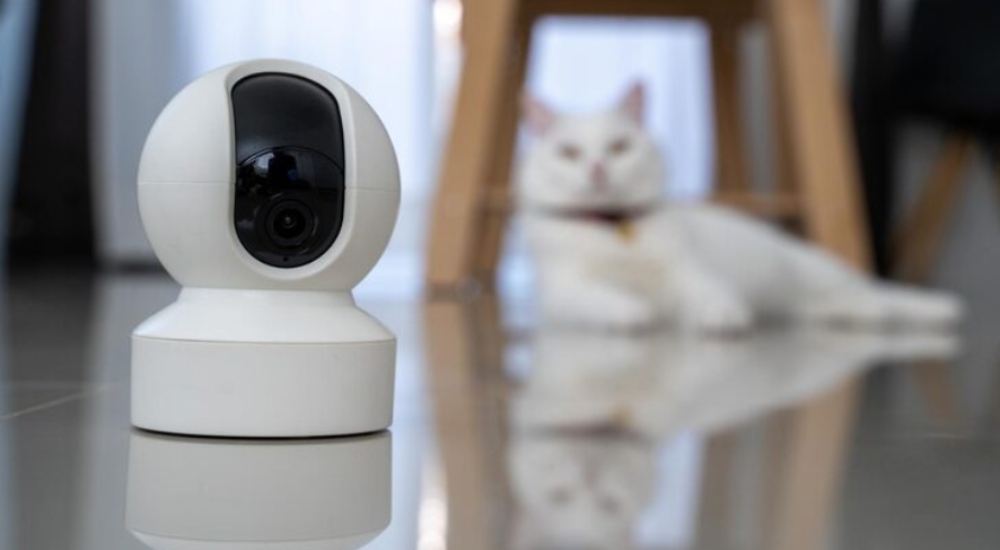
Small indoor cameras have evolved from basic video recording tools into sophisticated monitoring components for home and small-sized commercial protection systems. Their compact sizes, versatile positioning possibilities, and growing analytical capabilities make them suitable for ongoing monitoring inside buildings without imposing noticeable physical or visual disturbance commonly linked to bulkier equipment. The article assesses their actual performance in typical environments, identifies their strongest capabilities, highlights persistent restrictions, and explains methods for aligning technical attributes with genuine indoor applications.
What Defines a Small Indoor Camera in Modern Security Systems?
Contemporary small indoor cameras generally feature compact casings, low electrical efficiency, and wireless network integration through WiFi. Different from outdoor or boundary-focused units, these devices function in stable environments where stable image quality, low latency, and personal privacy management are more important than their capacity for weather resistance.
Why Does Form Factor Matter Indoors?
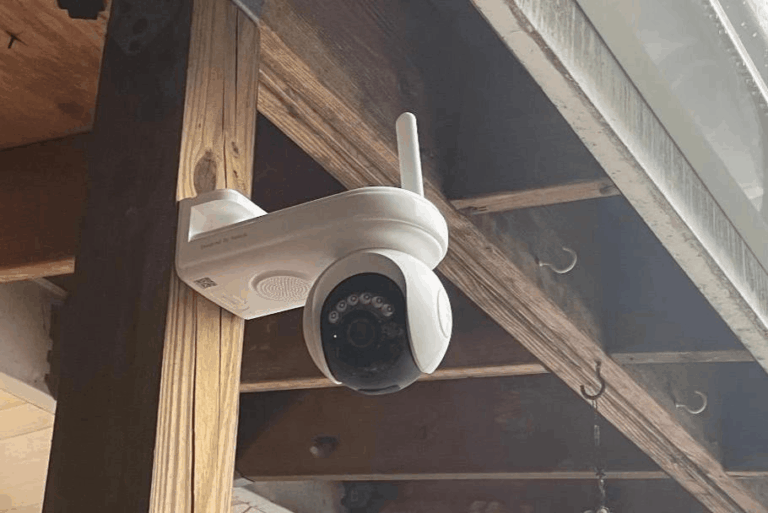
Compact sizes permit the placement at eye levels, along corners, on shelves, or ceilings while leaving internal room largely undisturbed. Small enclosure volume also limits thermal accumulation and allows heat to spread naturally, thereby facilitating long, consistent work inside limited areas.
How Do Indoor Operating Conditions Shape Camera Design?
Variable interior lighting levels, reflective surfaces, and short-range motion patterns demand distinct calibration approaches relative to outdoor cameras. Image sensors focus on low-noise performance under average light conditions instead of the visibility across great distances in darkness. Viewing angles are improved for covering common room sizes rather than perimeter scanning.
Which Core Features Matter Most for Small Indoor Cameras?
Choosing appropriate specifications exerts direct influence over practical convenience and information reliability. Although many listed characteristics look similar between different models, their actual effectiveness in indoor environments has huge differences.
How Does Resolution Influence Indoor Monitoring Value?
High pixel counts enhance the identification of facial characteristics and item details in short distances, but raise requirements for data transmission capacity and storage space. In common interior environments, achieving balance is more valuable than pursuing maximum resolution figures. Maintaining stable frame delivery and consistent sharpness is more essential than exceptionally high pixel densities.
Why Is Two-Way Audio Still Relevant Indoors?
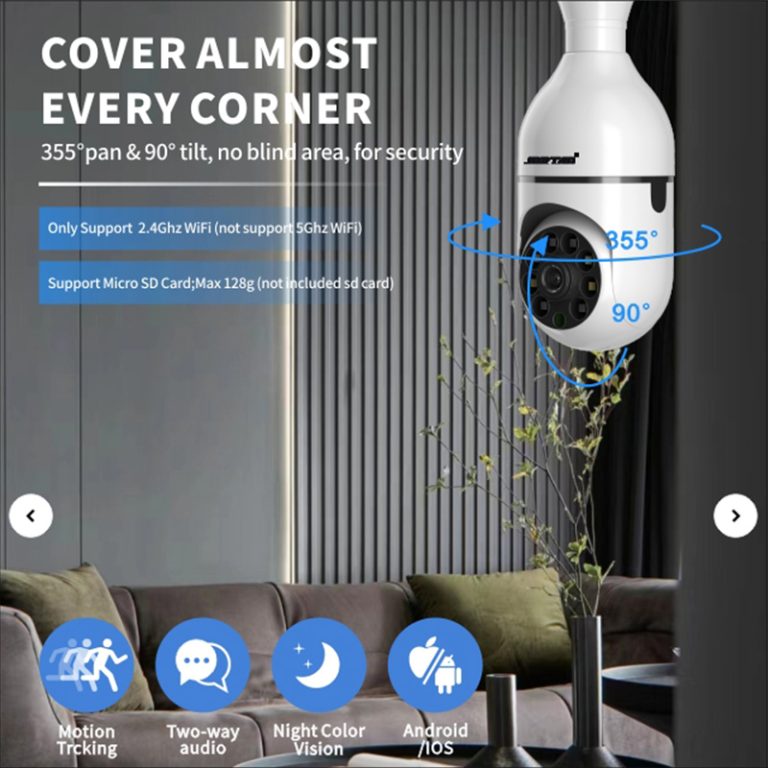
Two-way audio supports real-time exchange with residents, guests, or animals present nearby. Inside buildings, effective suppression of echo effects and microphone sensitivity is more important than the single speaker’s loudness. Low audio delay also contributes to achieving natural-sounding conversations during active remote monitoring sessions.
What Role Does Motion Detection Play Indoors?
Accuracy is central to indoor motion analysis rather than range. Incorporation of AI-based filtering significantly decreases false alerts caused by lighting changes, glowing screens, or pet activity. Sensitivity tuning becomes particularly essential in environments with frequent movement.
Where Do Small Indoor Cameras Perform Best?
Although there are certain drawbacks, these compact devices demonstrate exceptional suitability across various familiar environments, provided correct implementation occurs.
How Do They Support Home Security Without Intrusion?
In apartments or shared living areas, discreet cameras deliver useful situational awareness without creating sensations of constant monitoring. The positioning close to entryways or shared zones allows to record significant events while protecting private personal areas.
Why Are They Effective for Family and Care Monitoring?
Indoor cameras are frequently used for elderly care, child supervision, or pet observation. Their inconspicuous feature permits steady monitoring without generating discomfort or prompting noticeable changes in behavior—an essential consideration during long-term usage periods.
Can Small Indoor Cameras Assist Light Commercial Spaces?
Small-scale offices, workshops, or retail storage areas benefit from these units for protecting equipment and coordinating personnel activities. Their minimal installation demands help reduce operational interruptions during initial deployment phases.
What Are the Key Limitations of Small Indoor Cameras?
The pursuit of compactness necessarily brings certain compromises that require recognition in system planning stages.
Why Is Coverage Area a Common Constraint?
Smaller lenses and shorter focal lengths constrain effective monitoring coverage. Individual units seldom suffice to eliminate shadowed regions across expansive indoor spaces, thereby requiring devices featuring several devices for full visibility.
How Do Power and Connectivity Affect Reliability?
Reliance upon continuous electrical supply and stable wireless signals is the features of most compact indoor models. Network congestion, router placement, or power interruptions directly affect performance. In contrast to hardwired alternatives, measures ensuring backup stability must receive attention at the broader network level.
What Privacy Concerns Require Attention Indoors?
The installation of recording devices inside personal or professional spaces naturally generates valid concerns about legitimate privacy. Incorporation of physical lens covers, scheduled recording, and user-controlled zones is essential for maintaining confidence and meeting regulatory standards in households or workplaces.
How Can Product Design Address These Challenges?
Recent improvements in processor efficiency, encoding, and software control have successfully mitigated many longstanding restrictions.
How Does Intelligent Encoding Improve Daily Use?
Modern compression technology markedly decreases the bandwidth allocation and storage capacity while preserving sufficient visual information for practical purposes, which is especially valuable for devices intended for always-on indoor devices operating across shared residential networks.
Why Does Software Configuration Matter More Than Hardware Alone?
Reliance upon smartphone applications is heavy for adjustment procedures, alert management, and footage examination. User control over sensitivity, schedules, and content distribution largely determines the chance of the integration into regular household or business patterns.
How Can OEM/ODM Capabilities Shape Indoor Camera Solutions?
Beyond standard retail products, opportunities for tailored production are increasingly establishing differentiation in this product category.
Why Do Customization Options Matter for Indoor Deployment?
Various regional preferences call for differences in enclosure color, indicator lighting, firmware behavior, and application branding. These minor aspects influence acceptance rates in living spaces far more than purely technical performance metrics.
How Do Integrated Development Services Reduce Time to Market?
Collaboration with manufacturers possessing comprehensive development resources enables rapid adjustments in local regulatory demands, compatibility with prevalent software platforms, and specific user preferences. In this landscape, Jortan delivers OEM/ODM services that coordinate physical construction, software improvement, and companion application development specifically for indoor camera initiatives, thereby facilitating customized products without long engineering timelines.
For initiatives necessitating modifications related to physical sizes, internal programming, or visual identity elements, Jortan can also meet your needs.
How Does a Practical Indoor Camera Example Illustrate These Principles?
Analysis of one representative compact model contributes to a better understanding of how the engineering decisions are converted into everyday function.
What Makes a Compact Indoor Model Suitable for Daily Monitoring?
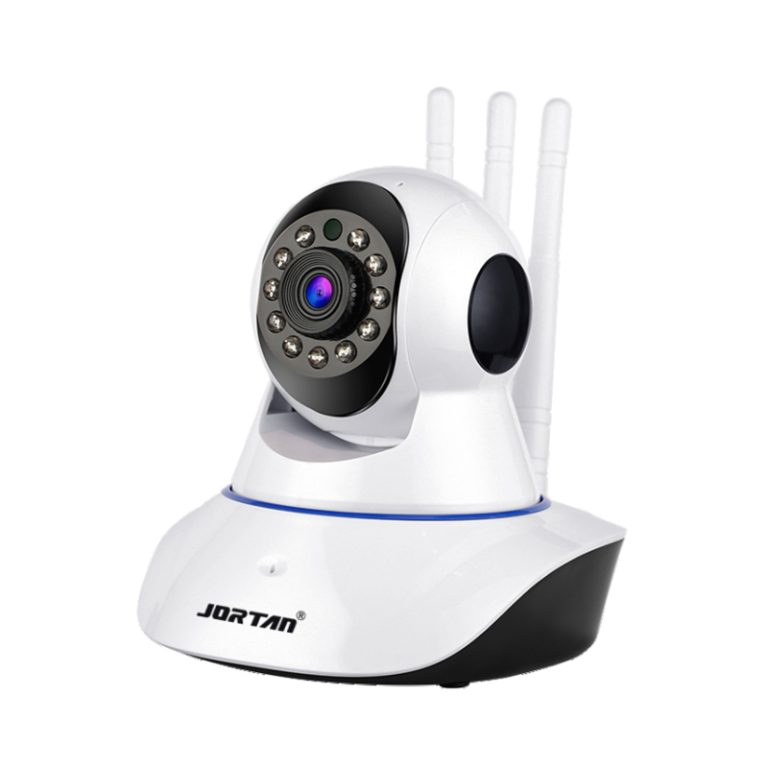
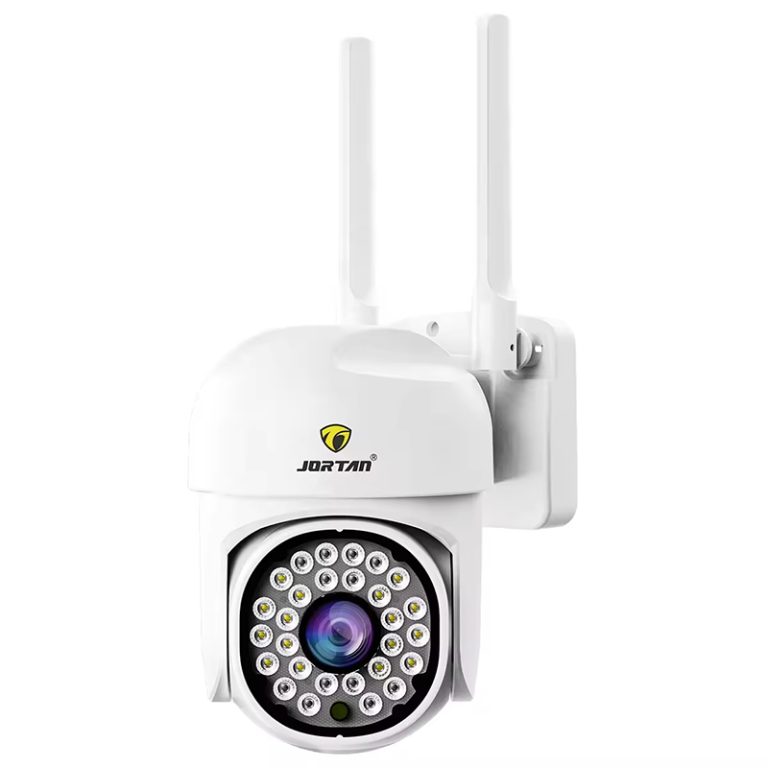
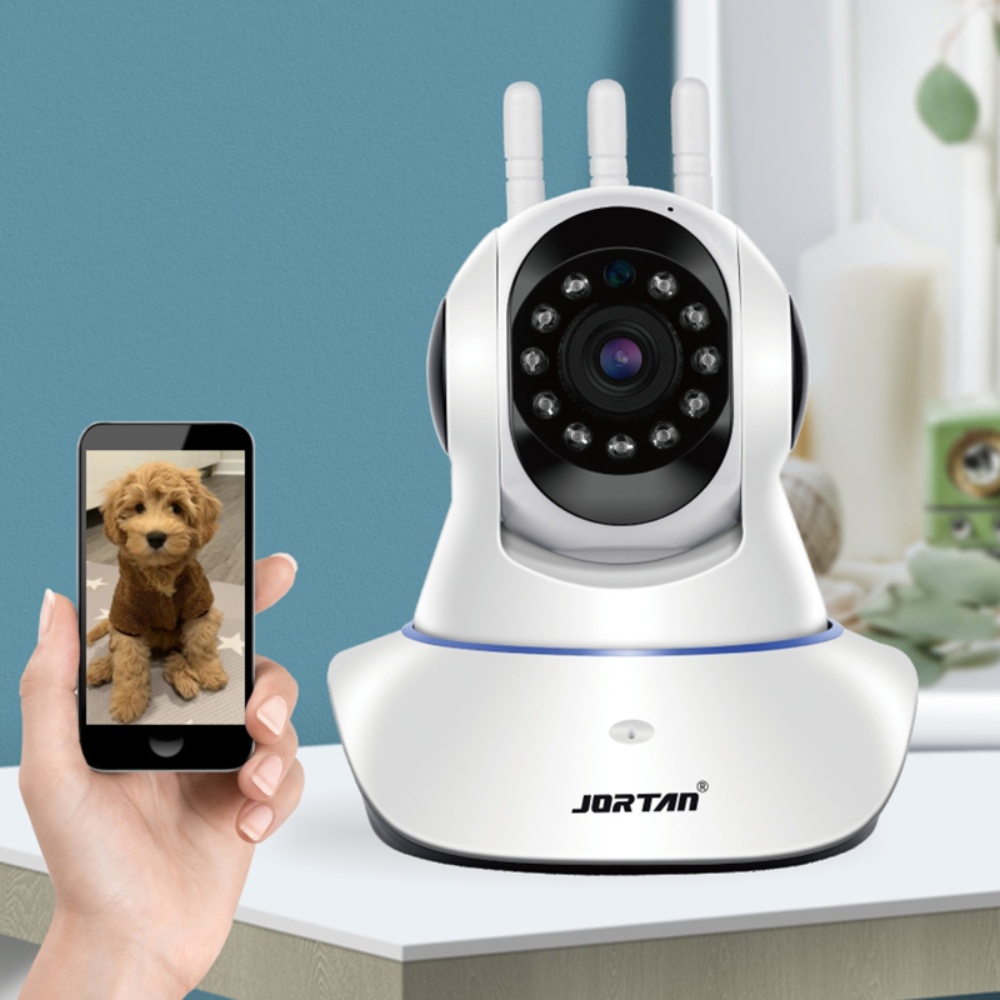
The JTZ-160B indoor home security camera combines compact size with reliable wireless performance, clear short-range imaging, and responsive motion alerts. Its engineering emphasis rests upon consistent interior coverage instead of extraneous exterior-oriented characteristics, making the unit suitable for apartments, offices, and shared spaces where discretion and consistency are primarily important.
Why Is Simplicity an Advantage Indoors?
Easy installation procedures, mobile interface management, and stable performance reduce obstacles faced by end users. Indoors, simple operation frequently determines whether equipment continues receiving active utilization or gradually falls into disuse.
How Should You Evaluate Small Indoor Cameras for Your Scenario?
Proper assessment is to match device capabilities against observed activity patterns in targeted spaces.
What Questions Should Guide Selection?
Assessment should include the sizes of monitored areas, frequency of movement, prevailing light conditions, and expected privacy requirements. Priority should be placed on capabilities supporting targeted recording modes and tailored alert parameters rather than exclusive attention toward numerical resolution specifications.
When Is a Multi-Camera Layout Preferable?
Larger or divided interior layouts generally benefit more from the distributed placement of several compact units compared with reliance upon one superior-specification device, which can enhance overall dependability while minimizing uncovered regions.
Conclusion
Small indoor cameras fulfill a specialized position among current protection frameworks. Their major value emerges not through the pursuit of extraordinary technical measurements but via balanced function, discreet integration in environments, and flexible adjustment ability. An appropriate match between device characteristics and specific interior conditions provides reliable contextual understanding while respecting the spatial limitations and privacy expectations. Careful feature evaluation, thoughtful placement, and scalable customization determine long-term effectiveness.
FAQs
Q1: Are small indoor cameras suitable for 24/7 continuous recording?
A: Affirmative answers apply whenever a reliable electrical supply and consistent network availability exist. Proper planning regarding storage approaches and compression performance helps manage substantial accumulated data volumes effectively over extended periods.
Q2: How many indoor cameras are typically needed for an apartment?
A: Requirements vary according to spatial arrangement. Single-room dwellings may function adequately with one unit, while multi-room configurations commonly achieve improved results through the deployment of two or additional devices aimed at eliminating shadowed areas.
Q3: Can indoor cameras operate without constant user monitoring?
A: Properly established notification parameters and scheduled operational modes enable passive functioning, whereby alerts reach users exclusively upon the occurrence of predetermined significant events.