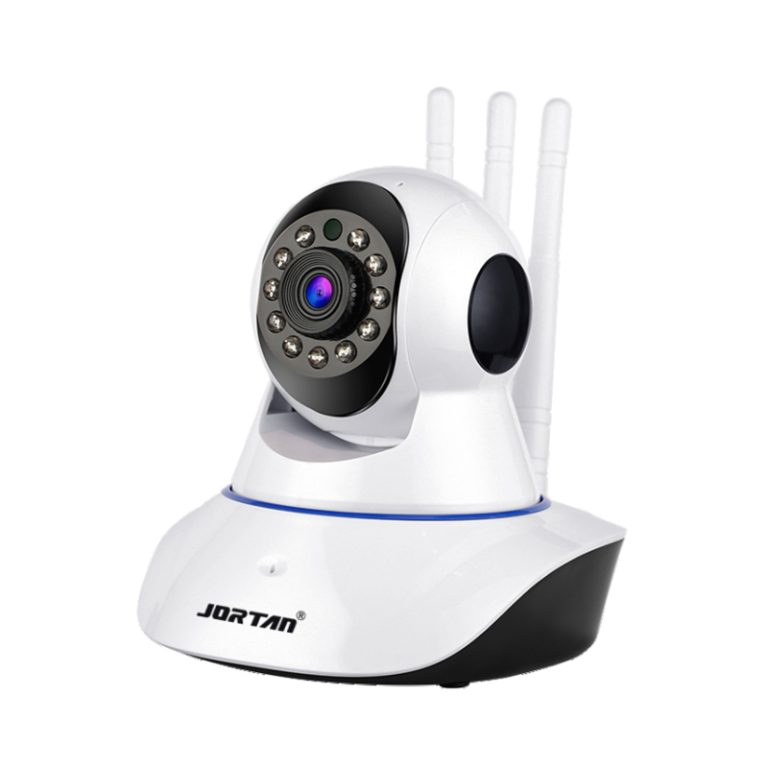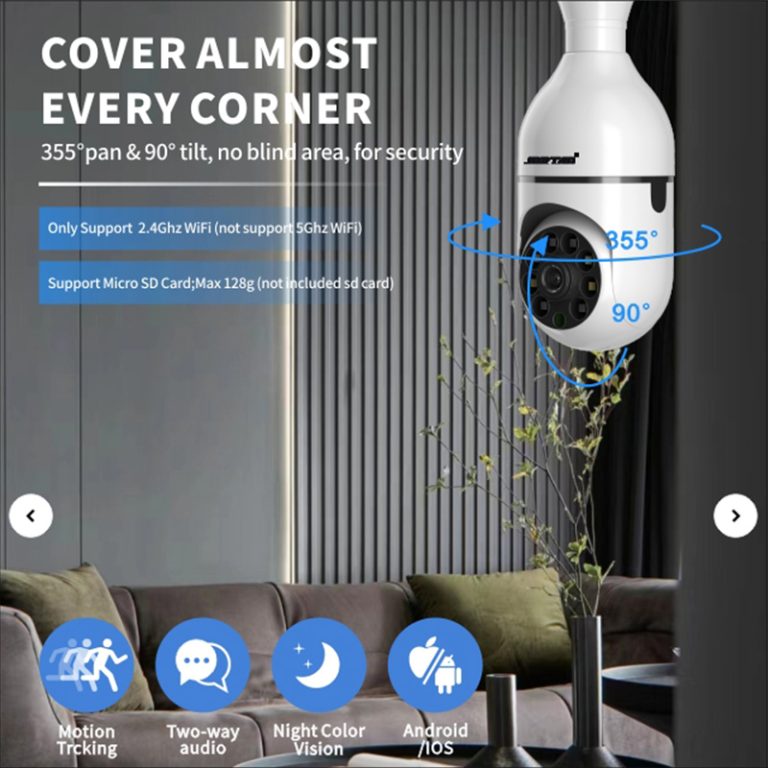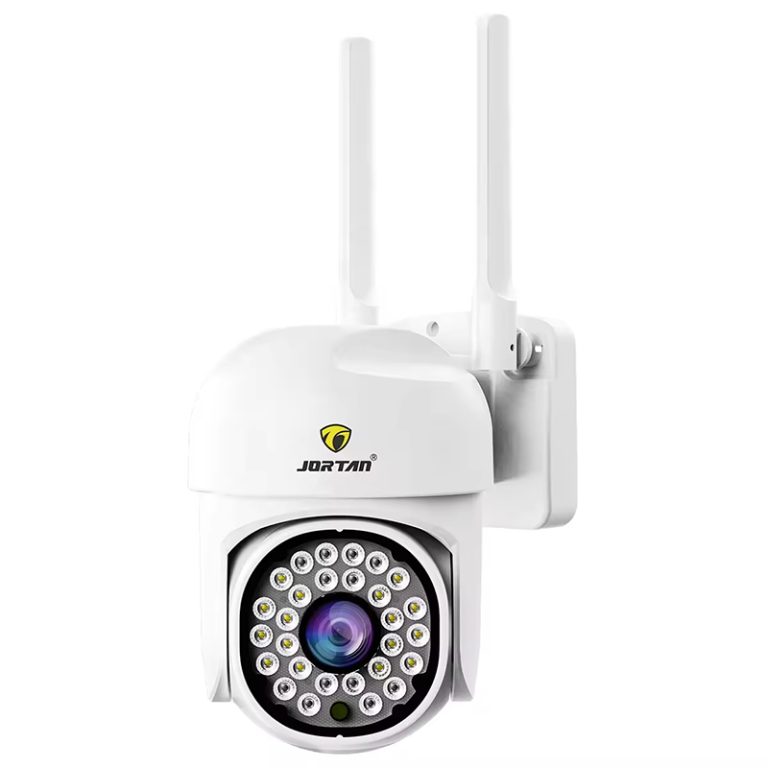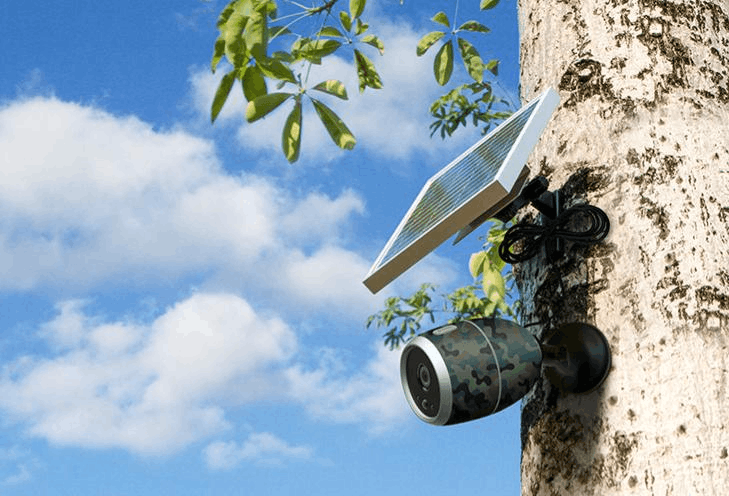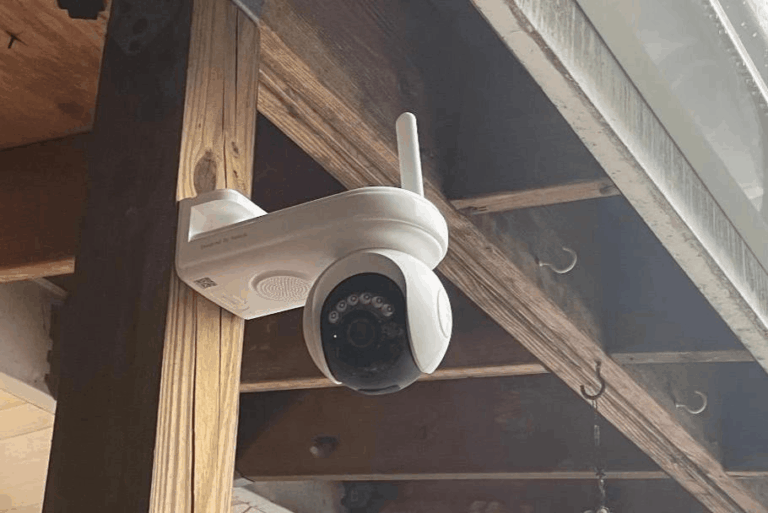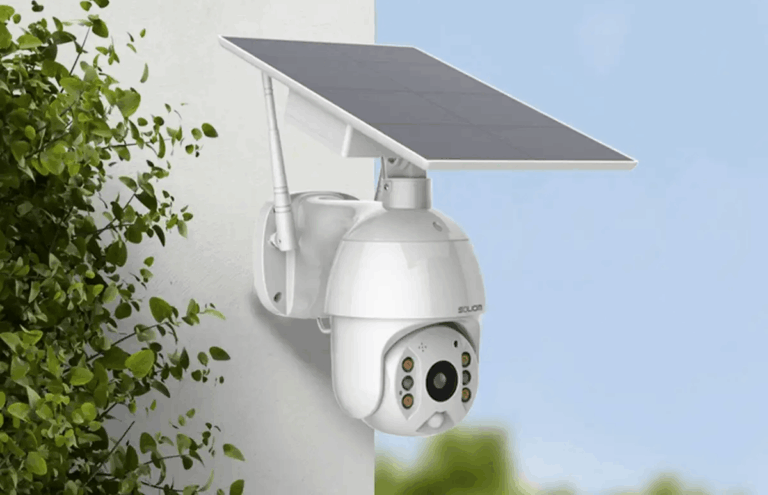
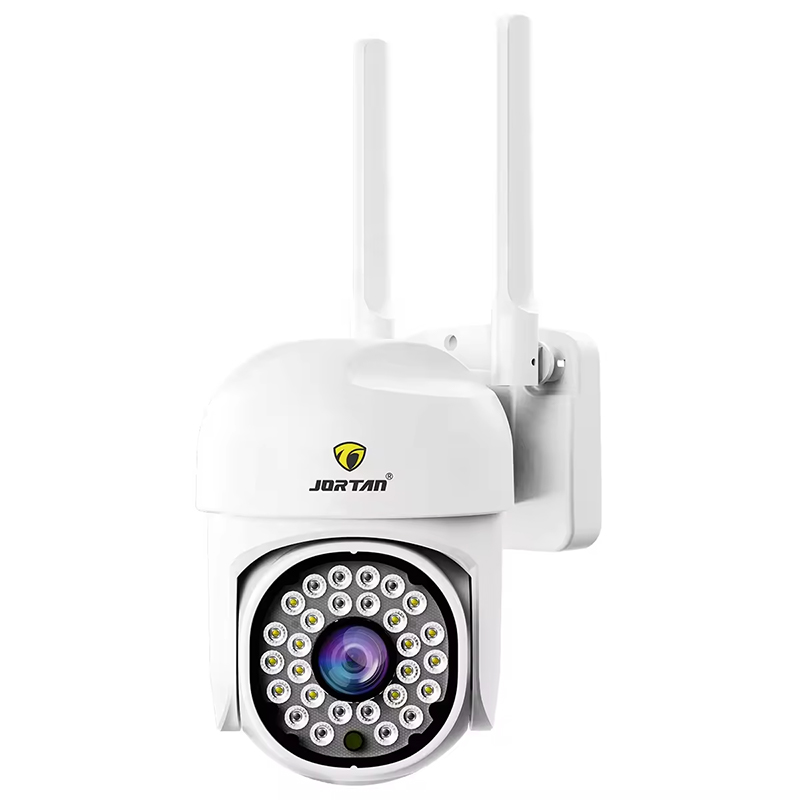
PTZ cameras no longer sit at the edge of video surveillance systems as optional accessories. In modern deployments, they operate as mobile sensing nodes that combine mechanical motion control, optical zoom, intelligent encoding, and algorithm-driven target analysis. As security infrastructure evolves from static video capture toward software-defined perception systems, PTZ architecture becomes a practical method for achieving wide-area coverage without saturating networks or multiplying hardware endpoints.
From an industry perspective, security cameras have shifted from traditional recording devices to intelligent terminals that integrate AI, IoT connectivity, and edge computing. This evolution is driven by the dual engine of technology upgrades and expanding application scenarios, forming a vertically integrated ecosystem from optical components to cloud platforms. Within this framework, PTZ cameras represent the mechanical extension of intelligence, allowing algorithms to physically reposition sensors rather than passively wait for events to enter a fixed field of view.
This guide examines PTZ cameras from an engineering standpoint—how they function, how they are classified, where they provide measurable advantages, and how you can evaluate and deploy them for long-term operational stability.
What exactly makes a camera a “PTZ” system?
Before discussing specifications or applications, it helps to define what separates a PTZ system from conventional cameras. PTZ is not a single feature but a coordinated control loop that links motors, optics, firmware, and external command protocols.
Pan, tilt, zoom in practical terms
- Pan rotates the imaging module horizontally
- Tilt adjusts the vertical angle
- Zoom changes focal length optically or digitally to alter spatial resolution at a distance
In engineering terms, these three actions form a closed-loop motion system: commands are issued, motors respond, encoders verify position, and the image pipeline adapts to the new optical state.
Mechanical structure and control loop
A PTZ camera relies on precision stepper or servo motors, reduction gears, and position feedback sensors. The quality of this assembly determines angular accuracy, vibration tolerance, and repeatability when calling preset points. Poor mechanical design introduces drift, backlash, and inconsistent tracking behavior, especially under continuous duty cycles.
PTZ camera vs fixed camera
Fixed cameras maximize stability and simplicity but sacrifice spatial flexibility, while PTZ cameras trade static reliability for controlled mobility. The choice between them is less about image quality and more about whether the system must actively interrogate large or dynamic spaces.
Which core features determine real-world PTZ performance?
Specification sheets list dozens of parameters, but the performance is dominated by a smaller group of interacting factors.
Motion precision and response delay
Low latency between command issuance and physical motion is critical for manual operation and automated tracking. Sub-second response improves the probability of maintaining subject lock during rapid direction changes.
Low-light and night imaging logic
Modern PTZ cameras typically combine infrared illumination, white-light assistance, and intelligent switching logic. Some systems deploy multi-mode night strategies that alternate between monochrome infrared imaging and full-color capture based on motion detection.
AI tracking and event filtering
Embedded models perform human-shape detection, trajectory analysis, and multi-target prioritization, which reduces operator workload while improving evidence continuity in high-traffic environments.
Encoding and bandwidth efficiency
High-efficiency codecs such as H.265 or AI-optimized variants allow PTZ cameras to stream zoomed, high-detail imagery without overwhelming uplinks. Dual-stream architectures further separate recording quality from preview bandwidth.
How are PTZ cameras classified beyond marketing labels?
Consumer descriptions often obscure the engineering structure that determines system behavior.
By structure
PTZ cameras appear either as integrated dome units or as exposed PTZ modules mounted on open gimbals for vehicles or industrial platforms.
By signal architecture
Most modern PTZ cameras operate as IP devices with embedded network stacks, though hybrid systems still exist in legacy environments.
By lens system
Single-lens PTZ designs remain common, but multi-lens and binocular configurations are increasingly deployed to combine panoramic context with telephoto detail.
By power & connectivity
Power design often dictates installation feasibility more than optical capability. You may encounter AC-powered, PoE-powered, battery-assisted, solar-powered, WiFi-based, and 4G-connected PTZ models.
Where do PTZ cameras outperform all other camera types?
PTZ cameras excel when spatial uncertainty exceeds static sensor coverage.
Urban traffic intersections
One camera can rotate between lanes, follow abnormal behavior, and zoom into license plates while preserving a panoramic reference.
Industrial parks and logistics yards
Large perimeters demand continuous scanning. In this scene, PTZ cameras reduce the number of endpoints needed to achieve full visual coverage.
Retail and commercial complexes
PTZ units support crowd flow analysis and rapid incident verification without dense camera grids.
Remote infrastructure
Solar-assisted PTZ cameras with 4G backhaul provide monitoring for power stations, water facilities, and transport corridors where wired networks are impractical.
How should you evaluate a PTZ camera before deployment?
PTZ selection resembles system design more than product comparison.
Coverage modeling
Calculate angular rotation speed, zoom ratios, and effective pixel density at a distance. Blind spots often appear during rapid transitions.
Environmental tolerance
Ingress protection, operating temperature range, and lightning protection standards affect service life. Industrial PTZ models commonly integrate surge suppression compliant with international electromagnetic standards.
Integration capability
Support for ONVIF, third-party VMS platforms, and standardized control APIs determines whether the camera becomes an isolated device or a system component.
Storage strategy
Local TF cards, NVR recording, and cloud backup each introduce different latency, redundancy, and data governance implications.
How can you design a PTZ system for long-term operational stability?
Reliability emerges from infrastructure, not from optics alone.
Power design
Voltage drop during motor startup can reboot cameras. Adequate cable diameter and short power paths remain essential.
Network design
Dual connectivity through Ethernet and WiFi or cellular fallback improves resilience during link degradation.
Maintenance strategy
Firmware updates, periodic calibration, and mechanical inspection prevent gradual performance drift.
Which real-world PTZ models illustrate current engineering trends?
The following examples demonstrate how dual-sensor architecture, intelligent tracking, and bandwidth-efficient encoding converge in modern designs.
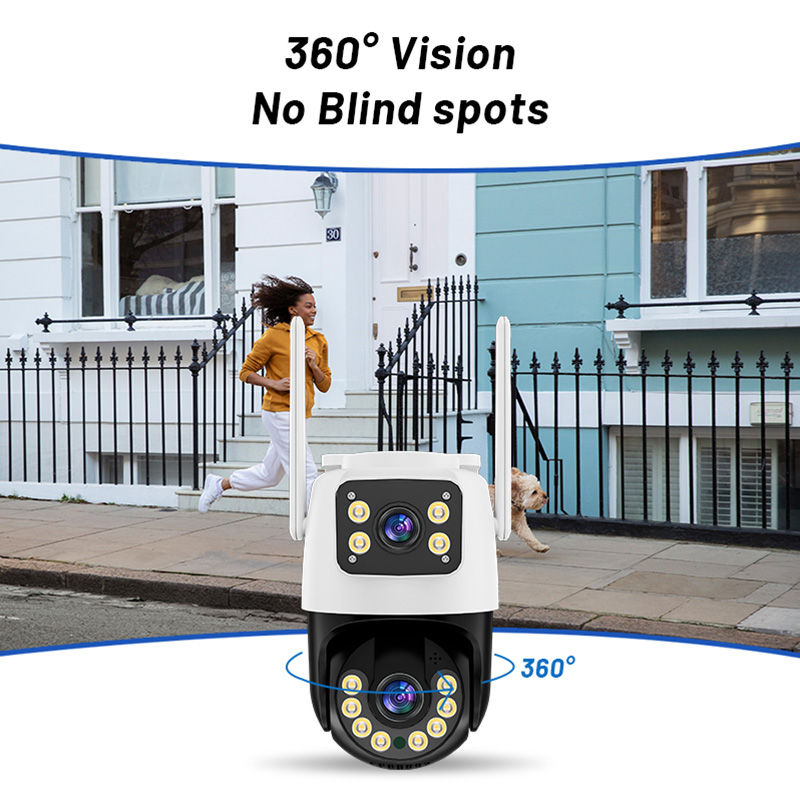
Dual-sensor intelligent tracking
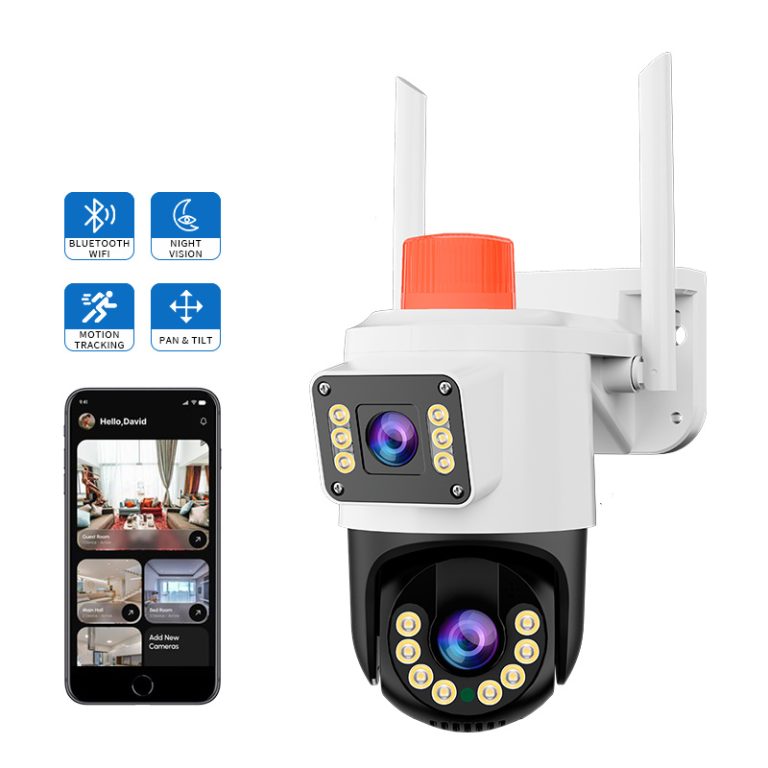
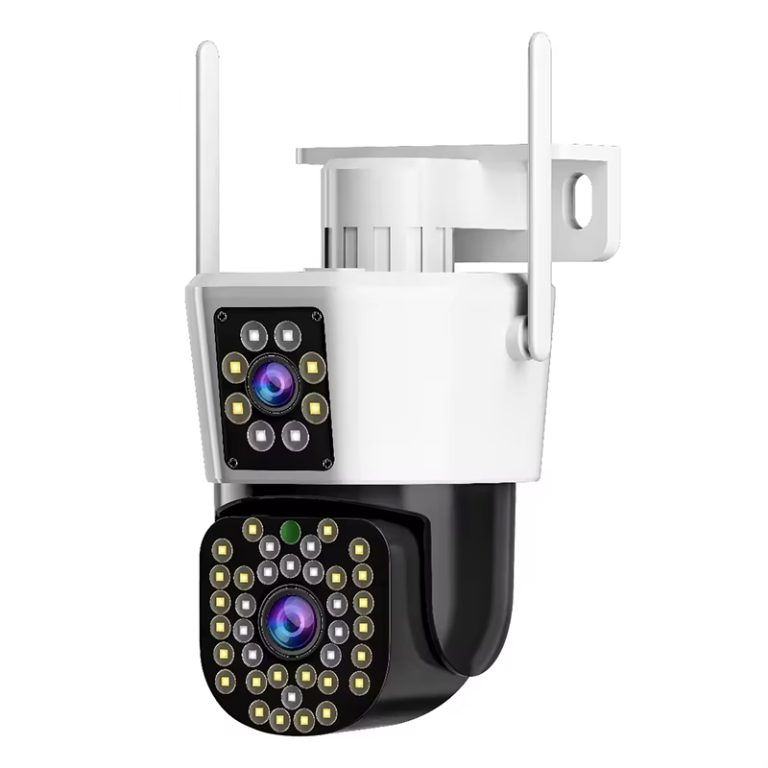
The JT-8160QJ PTZ camera integrates binocular imaging, allowing one lens to maintain a wide-angle context while the other performs telephoto inspection. The design supports multi-target human detection, zoom-assisted evidence capture, and hybrid wired/wireless networking for flexible deployment.
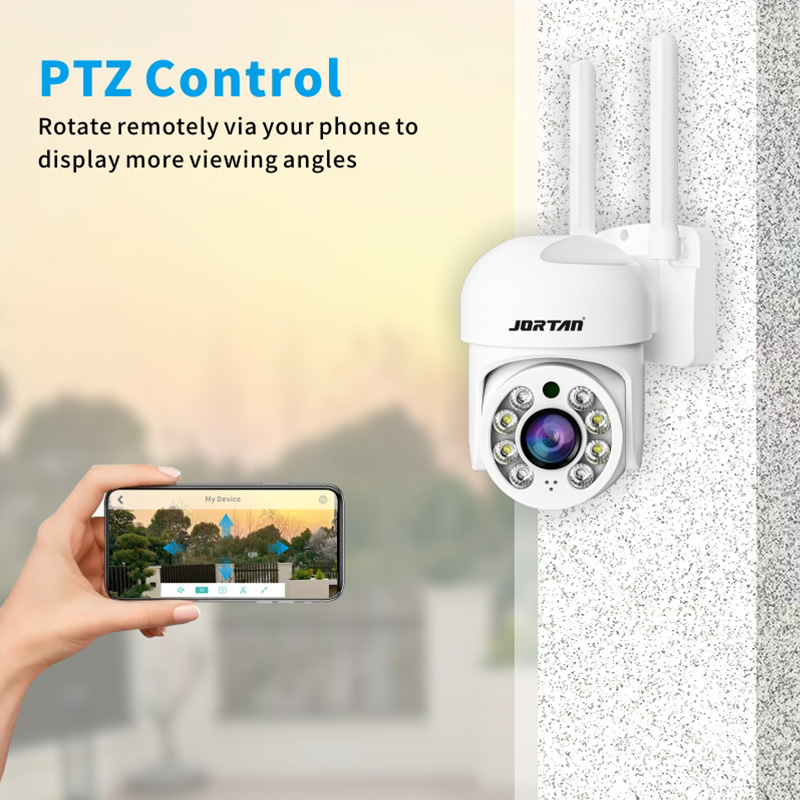
High-resolution long-range monitoring
The JT-8698Pro PTZ camera emphasizes high-pixel imaging combined with precision pan-tilt mechanics and full-color night operation. It targets scenarios where long-range identification must coexist with continuous patrol motion.
Who is Jortan, and why is its PTZ design approach relevant today?
In discussions about PTZ engineering, it is difficult to ignore the manufacturing ecosystems that support rapid iteration and system integration. Zhejiang Jortan Electronic Technology Co., Ltd. is a surveillance equipment manufacturer based in Yiwu, China. Our company operates large-scale production facilities exceeding 30,000 square meters and maintains in-house teams covering product design, development, assembly, and quality control.
Our PTZ product development follows a system-level logic, including mechanical motion modules that are designed alongside image sensors, encoding processors, and wireless communication subsystems. This approach allows features such as dual-screen preview, SD-card zoomed playback, touch-based directional control, and AI-driven human tracking to be implemented as integrated workflows rather than isolated functions.
From an engineering viewpoint, this reduces coordination latency between detection algorithms and physical camera response while maintaining compatibility with common protocols such as ONVIF and mobile monitoring platforms. The result is a class of PTZ devices suited for both consumer environments and semi-industrial monitoring scenarios without excessive system complexity.
What mistakes do most deployments make with PTZ cameras?
Underestimating the power load
Motor startup currents often exceed idle consumption by several multiples.
Over-relying on optical zoom
Zoom does not replace situational context, and losing peripheral awareness increases tracking error.
Ignoring maintenance access
PTZ units require physical servicing. Poor mounting locations raise long-term costs.
Treating PTZ as a fixed camera
Failing to configure presets, patrol paths, and tracking logic wastes the system’s core capability.
FAQs
Q: Are PTZ cameras still relevant when multi-camera fixed systems are cheaper?
A: Yes. When coverage areas are large or event locations are unpredictable, a single PTZ camera can replace several fixed cameras while reducing bandwidth aggregation and system complexity.
Q: Does AI tracking remove the need for human operators?
A: It reduces routine workload but does not eliminate supervision. Human oversight remains essential during occlusion, crowd interaction, or ambiguous motion patterns.
Q: What is the primary technical risk in continuous PTZ operation?
A: Power instability and mechanical wear are the most common long-term failure sources, followed by network congestion that disrupts command feedback loops.