Selecting a solar camera can not be based solely on prices. The guide explores installation difficulties, key performance, connectivity methods, intelligent functions, and placement strategies, helping property managers identify reliable solar-powered monitoring systems, which can deliver reliable protection in various environments and working situations.
Why Are Solar Cameras Becoming Essential for Modern Property Protection?
Access to electrical power stands out as a major limitation in current security deployment. Large properties, remote areas, and semi-permanent sites increasingly reveal the shortcomings of conventional wired monitoring systems. Solar-powered cameras address a series of problems effectively by integrating an independent power supply with up-to-date imaging and transmission technology.
For property owners managing farms, construction zones, warehouses, or wide residential perimeters, solar cameras provide protective monitoring in places where utility power is unstable, expensive, or unavailable. Rather than forcing the installation to rely on existing power sources, the device adjusts readily to environmental conditions. Consequently, solar-based surveillance systems have evolved into a practical component in enduring security plans instead of a special option.
What Problems Do Traditional Wired Cameras Still Face?
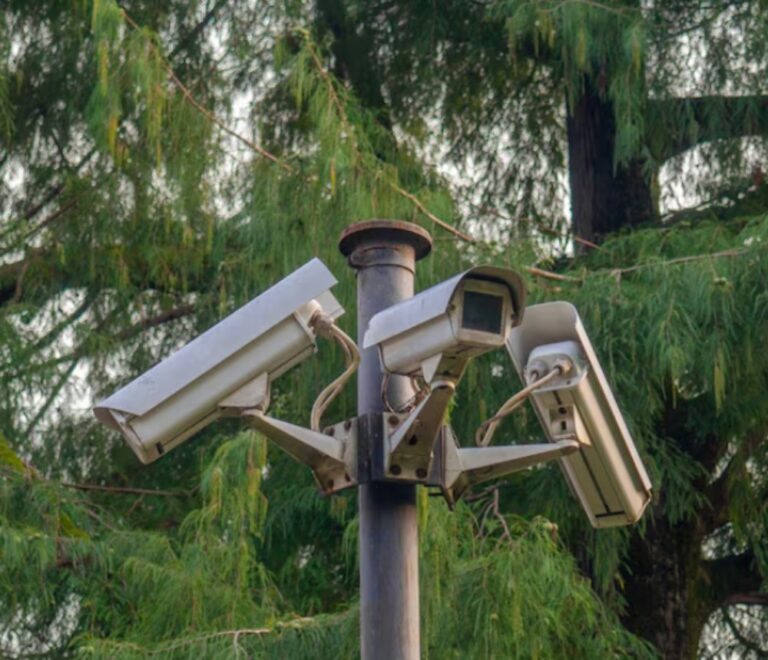
Conventional wired systems continue performing adequately in permanent city structures, but they display obvious drawbacks in other scenarios. Running cables over large areas raises system expenses and leaves devices vulnerable to harm. Electricity failures cause gaps in monitoring, while short-term locations rarely support the expense of fixed wiring installations. Servicing intervals prolong gradually because cables deteriorate or joints suffer from corrosion. Such elements diminish dependability exactly in circumstances where continuous security coverage is the most important.
How Does Solar Power Solve Deployment Challenges?
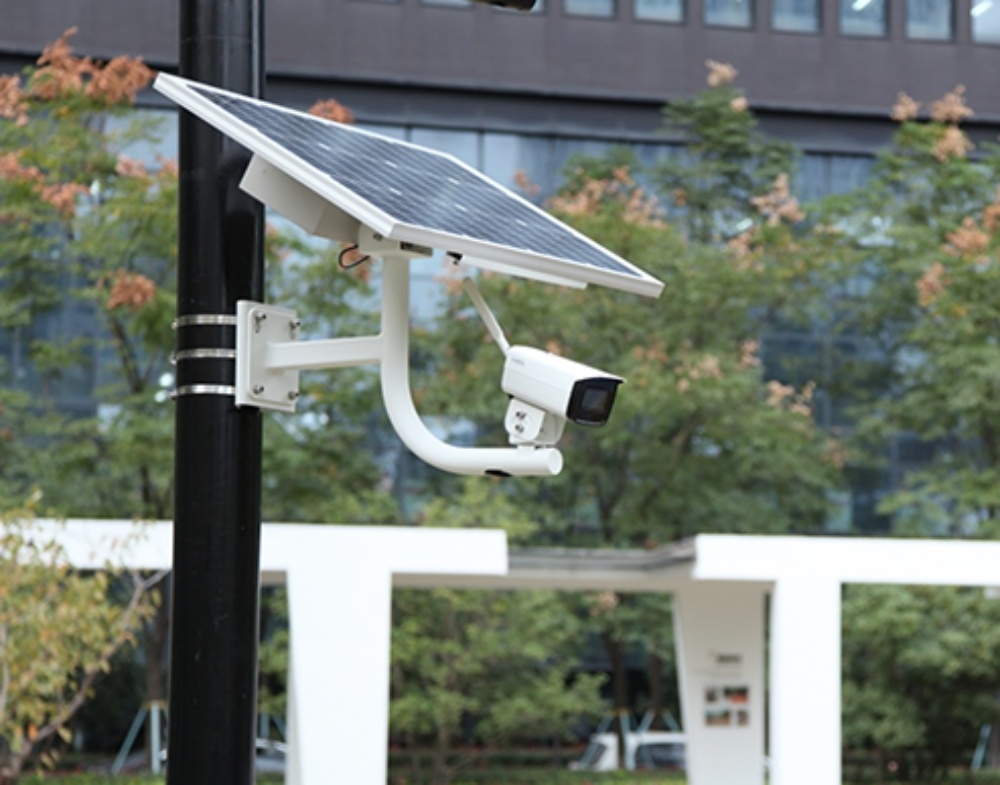
Cameras equipped with solar technology reduce reliance upon utility-supplied electricity through the conversion of sunlight into stored power. Built-in battery units keep functioning during nighttime hours and bad weather. The overall structure decreases the need for hands-on recharging, permits adaptable positioning, and enables monitoring areas to move when installed circumstances evolve. As years pass, the lack of extensive cabling contributes to reduced maintenance demands and lower component replacement expenses.
What Core Performance Factors Should Guide Your Purchase Decision?
After confirming that solar energy matches the location requirements, overall capability emerges as the central factor influencing the choice. Picture sharpness, alert precision, and information management strongly determine the practical value of captured video during actual events.
How Important Are Resolution and Night Vision Quality?
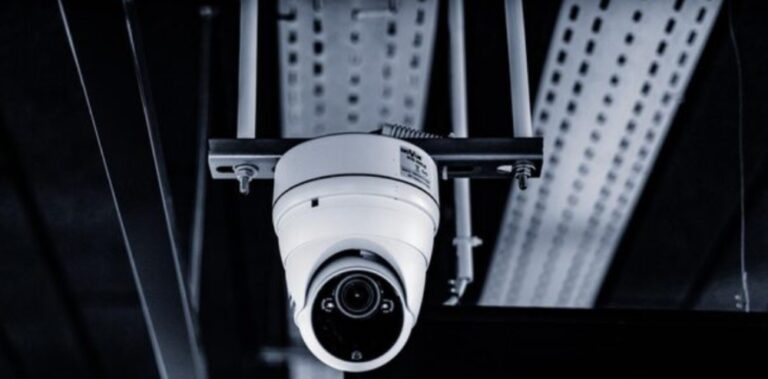
Higher resolution determines the quantity of useful information a camera records, particularly during enlargement or later examination of recordings. Nighttime effectiveness carries similar significance. Sophisticated models integrate infrared illumination and vivid color modes at night, transitioning automatically according to environmental brightness levels and recognized activity. Such methods retain clear visuals after dark while avoiding excessive light exposure across the monitored area.
How Do Detection and Tracking Functions Affect Security?
Basic motion sensing frequently produces mistaken notifications. Contemporary designs improve this mechanism via person-form identification and pursuit processes. Through the elimination of unimportant activity, notifications gain greater relevance. Pursuit capabilities also strengthen evidence gathering by pursuing motion trajectories and keeping attention locked onto moving subjects.
What Storage Methods Offer Better Data Security?
Dependable recording methods ensure that captured incidents stay available when required. On-device TF card storage delivers autonomy from external connections, while cloud-based options introduce backup protection should hardware suffer destruction or theft. Self-acting overwrite features avoid space limitations and decrease the requirement for regular human involvement.
How Do Connectivity Options Influence Camera Deployment?
Independence from power sources needs to accompany trustworthy data transmission. Appropriate connection selection ensures distant viewing capability while avoiding fresh security risks.
When Is WiFi Connectivity Enough?
WiFi-based connectivity is adequate for home-based and business locations featuring consistent network coverage. They enable immediate monitoring, portable notifications, and distant video retrieval. In such settings, WiFi decreases running expenses and streamlines the overall system combination.
Why Does 4G Connectivity Matter for Remote Areas?
Isolated locations frequently possess no stable broadband service. Cameras incorporating 4G components permit direct information transfer via mobile networks. This arrangement maintains steady oversight throughout agricultural operations, roadway sections, and provisional installations where WiFi remains unfeasible.
Which Smart Functions Improve Long-Term Monitoring Efficiency?
Intelligent capabilities decrease manual effort while broadening the consistency of protective coverage. They convert monitoring devices from simple recording units into active response instruments.
How Does PTZ Rotation Reduce Blind Spots?
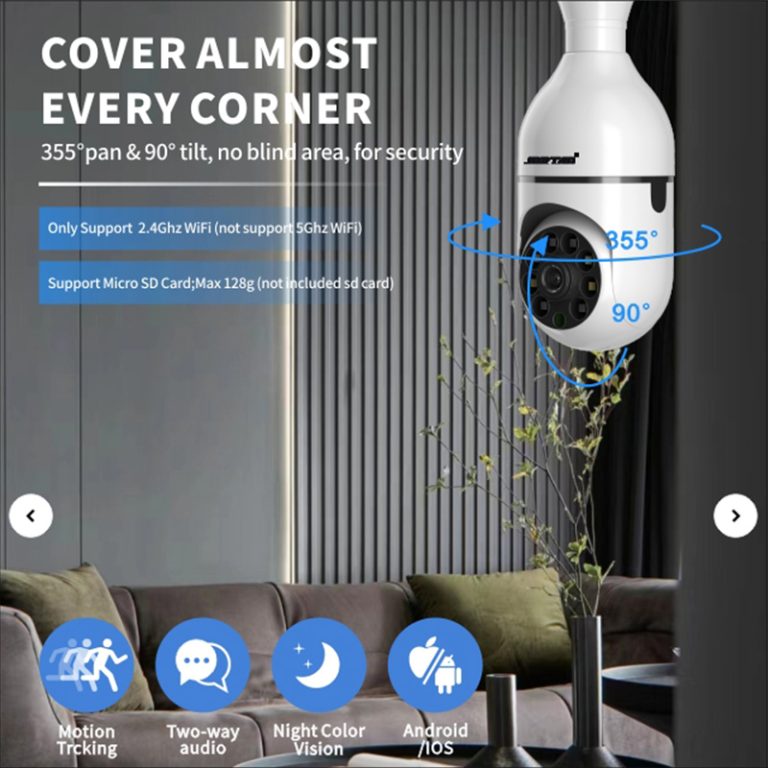
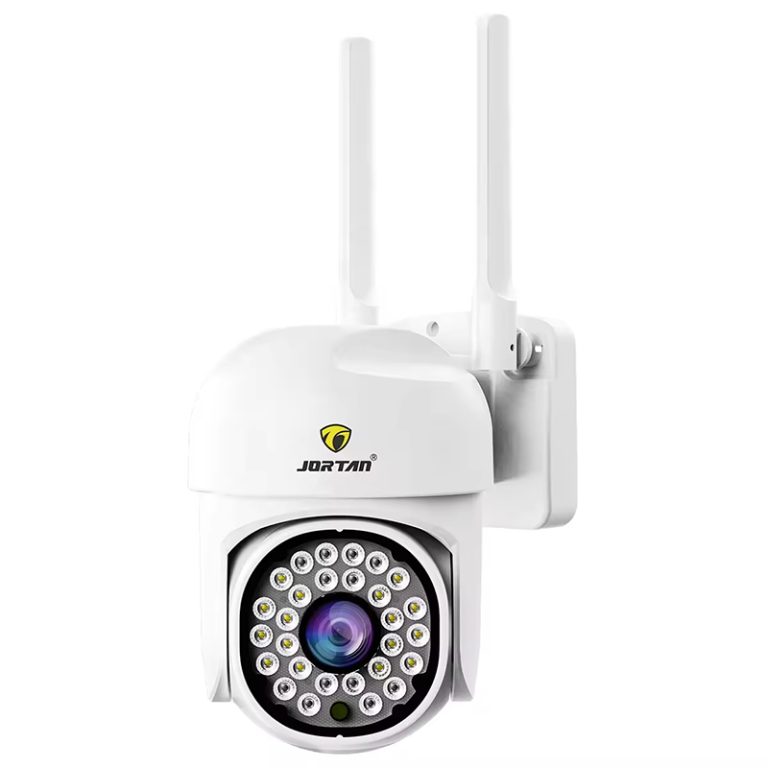
Pan-tilt-zoom arrangements enable a single unit to oversee several directions. Distant adjustment and point-and-view controls facilitate detailed examination of particular regions without requiring extra devices. This adaptability decreases the total number of units needed while preserving a thorough monitoring scope.
Why Is Two-Way Audio Useful in Real Situations?
Bidirectional sound support permits prompt engagement. It facilitates spoken cautions, synchronization with personnel present at the location, or basic exchanges with individuals approaching the area. The function commonly settles matters before any increase in severity and contributes benefits extending past mere passive capture.
How Do You Choose Reliable Equipment Without Overspending?
Expenditure choices ought to concentrate on overall lifespan benefits instead of initial acquisition expenses exclusively. Robust build quality, effective data compression, and limited servicing requirements establish sustained economic advantages.
How Do Installation and Maintenance Affect Total Cost?
Solar-powered cameras minimize electrical infrastructure needs and streamline the setup process. Enclosures designed to withstand environmental conditions and advanced compression techniques decrease service frequency and data storage costs. Across extended periods, accumulated reductions surpass the original equipment investment.
What Role Does Product Reliability Play in ROI?
Consistent performance lowers periods of inactivity and repair requests. Precise identification reduces unnecessary responses, while sturdy parts prolong intervals between replacements. Dependability converts directly into foreseeable expenditure patterns.
Which Solar Camera Models Suit Different Property Scenarios?
Aligning device abilities with location features ensures efficient protection without unnecessary complexity.
Which Model Fits Large Open-Area Monitoring?
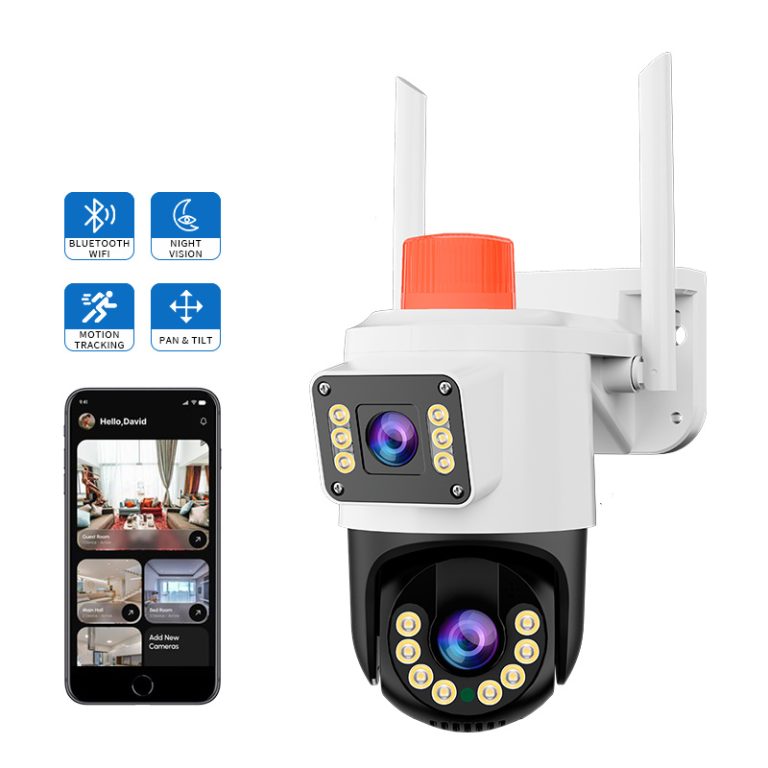
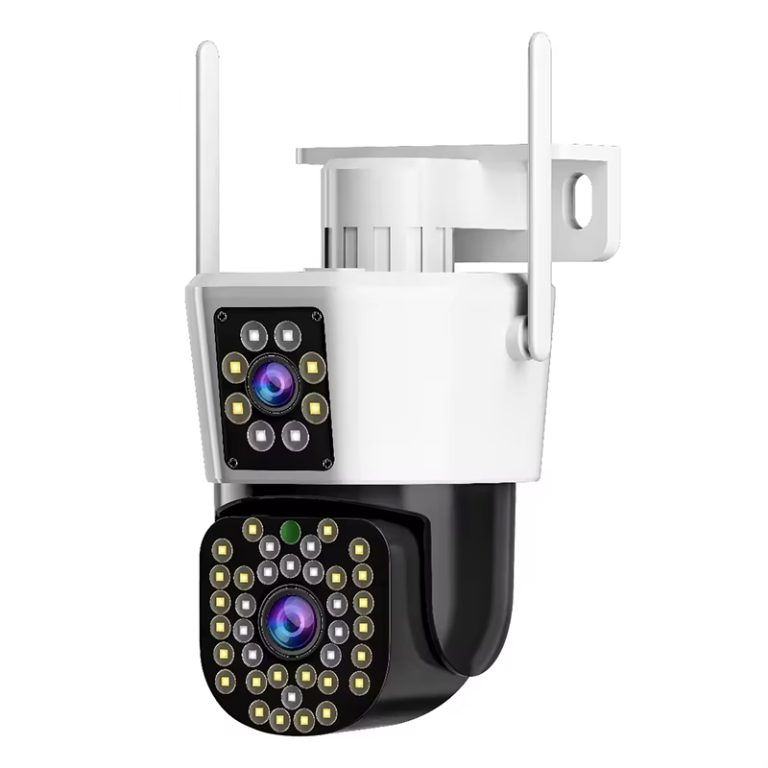
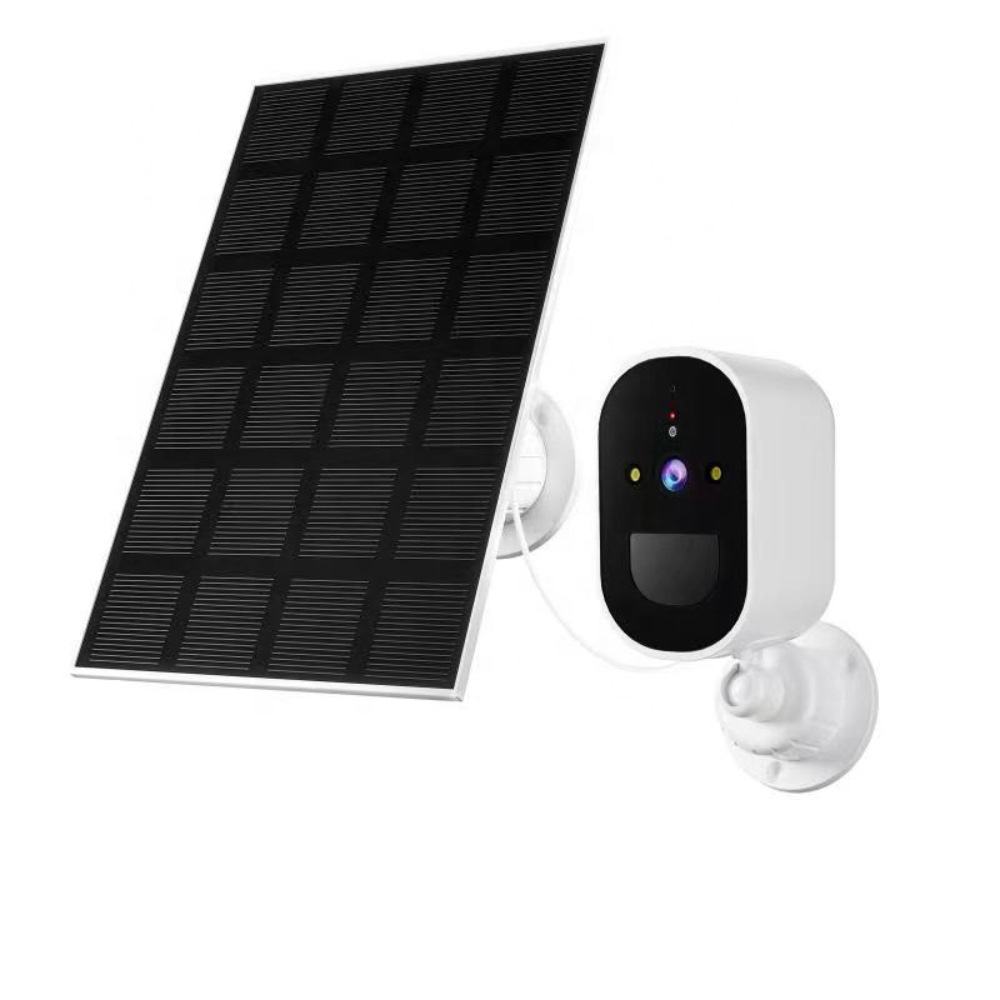
Expansive outdoor environments require a stable solar power supply, intelligent detection, and an adaptable monitoring range. One option designed for these demands is the 8185XM solar camera, which is suitable for open land and perimeter monitoring, featuring restricted continuous electricity and network access.
Which Model Works Best for Residential or Small Business Security?
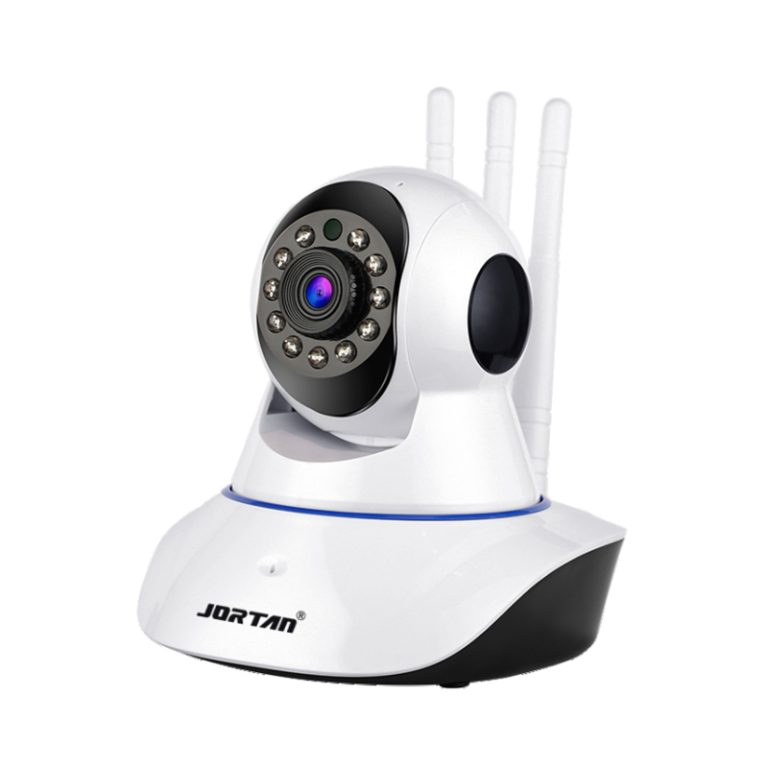
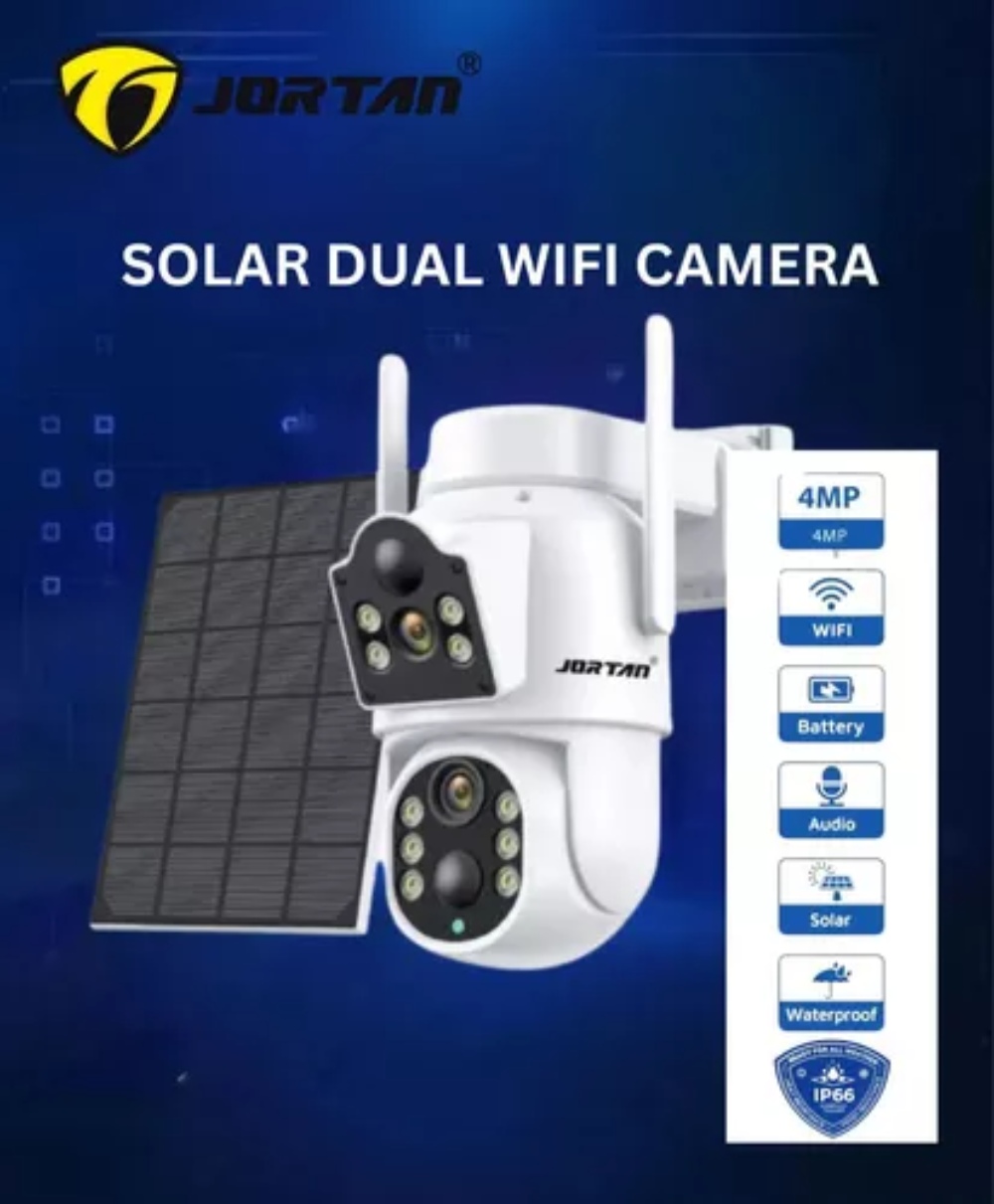
Smaller properties benefit from streamlined designs that combine smart alerts, clear nighttime imaging, and ease of use. The JT-8699T solar camera supports entrance monitoring and yard protection through integrated communication and intelligent alarms.
Who Supports Reliable Long-Term Deployment Solutions?
Device performance reflects manufacturing experience and overall system design philosophy. Jortan operates from a large manufacturing facility located in Yiwu, integrating R&D, production, and services in one organized framework. With many years of experience in monitoring camera development, we emphasize stable operation, intelligent function design, and adaptability to various deployment environments. Besides focusing on technical details, we also pay attention to the real environments, such as distant regions, changing sites, and long service cycles, thereby making our solar-powered products well-suited for enduring property protection.
How Can You Plan a Solar Camera Layout for Maximum Coverage?
Good solar cameras still require proper placement to achieve their complete potential.
Where Should Cameras Be Installed First?
Major areas deserving initial attention include entryways, vehicle access points, storage areas, and perimeter blind spots. Such places leverage the strongest protective benefits of an installed unit.
How Many Cameras Are Usually Needed?
Coverage requirements depend on property size and risk profile. Systems featuring PTZ and adjustable viewing directions decrease the number of devices by expanding the observable range. Strategic placement commonly accomplishes full coverage with fewer components compared with fixed-lens systems.
FAQs
Q1: How long can a solar camera operate without direct sunlight?
A: Built-in battery reserves generally sustain activity over multiple days, influenced by usage intensity and prevailing atmospheric conditions.
Q2: Can solar cameras function without local internet access?
A: Affirmative. Versions equipped with cellular transmission or integrated access points support ongoing monitoring irrespective of established network availability.
Q3: Do solar cameras require frequent maintenance?
A: Upkeep remains quite limited. Periodic cleaning of the solar panel surface and standard performance inspections usually suffice to ensure prolonged dependability.