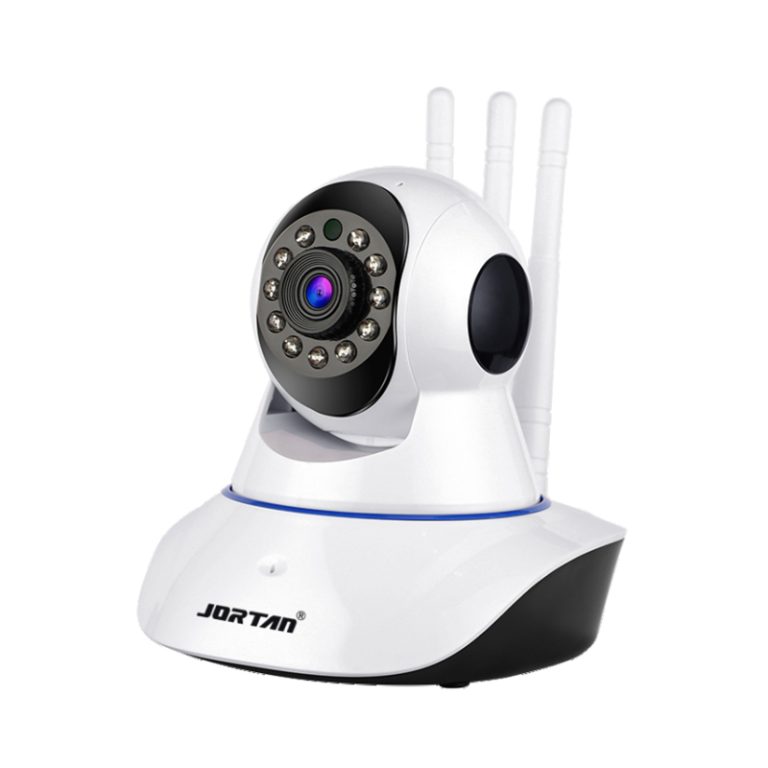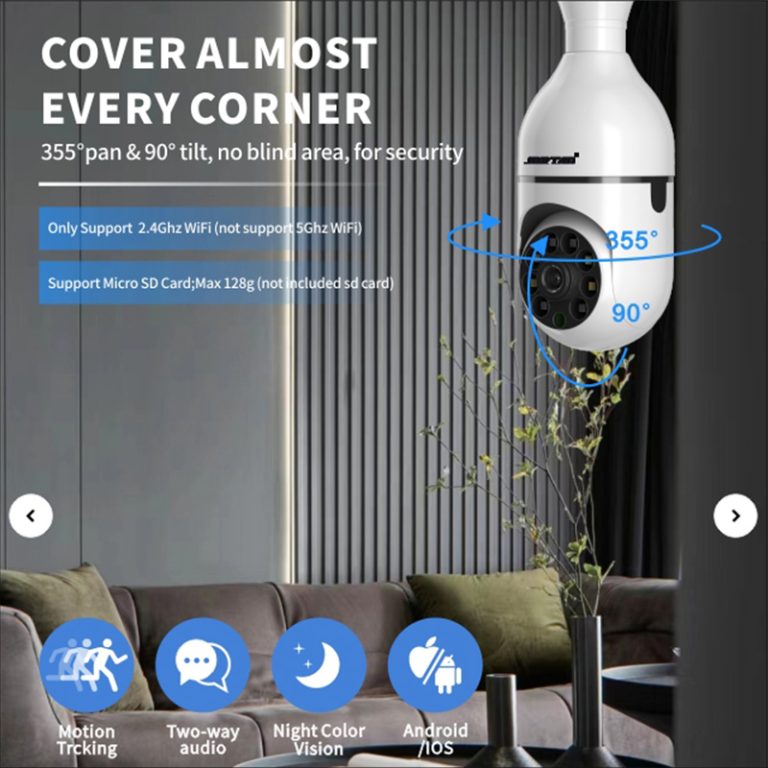
A dealership is a camera buyer with unusually good reasons. Inventory sitting outside is liquid cash with wheels. The showroom carries glass, displays, and after-hours risk all at once. The service center adds liability on every lift, whether the damage existed at check-in, whether the customer’s claim survives the bay’s own tape. And the finance office quietly raises the stakes on access, because a dealer’s CCTV eventually answers insurance questions, theft claims, and the occasional dispute where a lawyer reads the recording frame by frame. The coverage logic below reads zone by zone, and a supplier like Jortan covering outdoor and indoor lines answers the plan with a short device list rather than a catalog tour.
The Lot Carries the Inventory Value
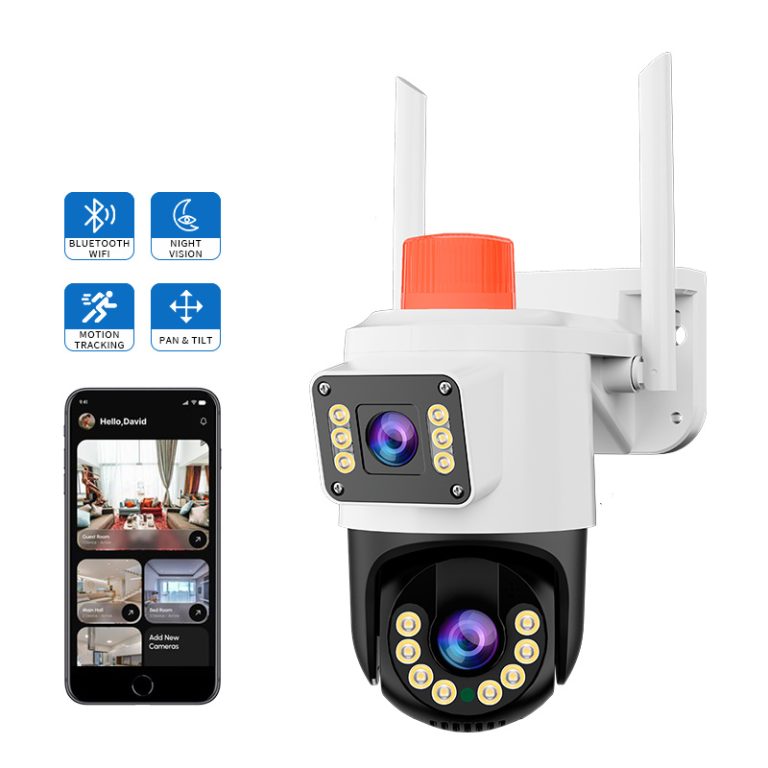
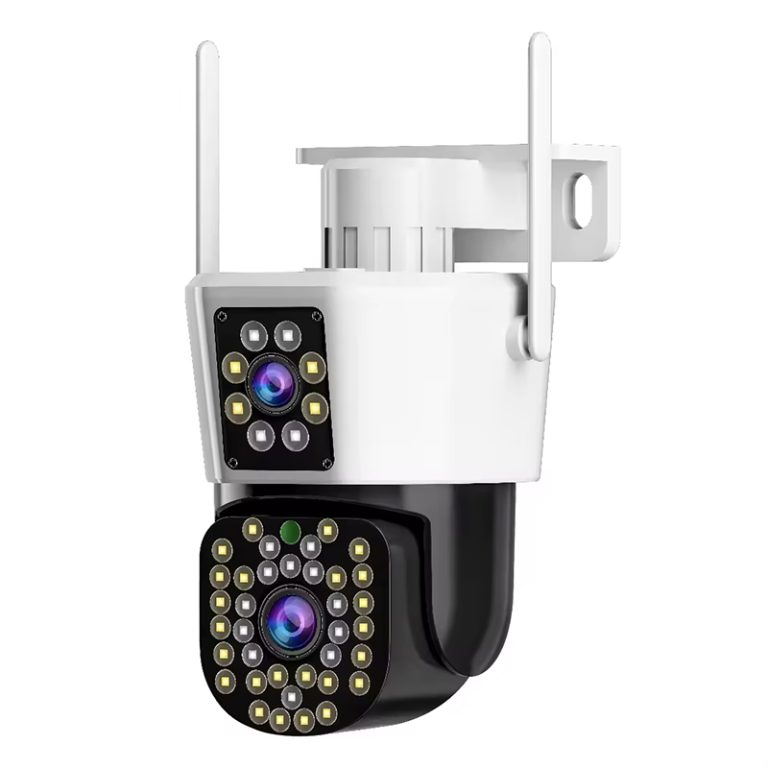
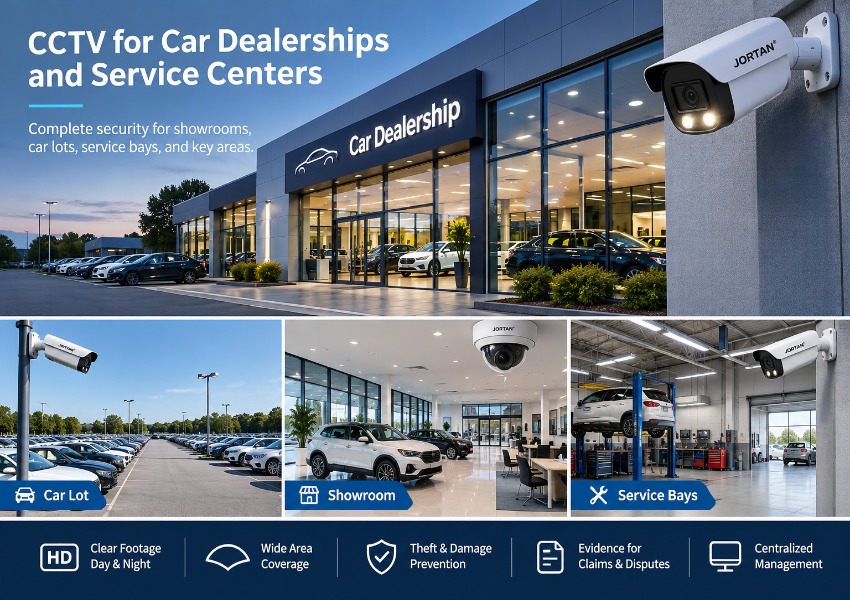
The lot camera is its own product decision, because the lot is where the dealership’s cash sits on wheels. Coverage wants height and intersection discipline, corners and aisle ends rather than a panorama of hoods, since a lot incident involves hands at a door or a tow truck at an edge, and those happen at the perimeter of the lot and its gates. Gate positions capture plates arriving and leaving, and on a used-lot operation that record is a stock-control document as much as a security one. Night behavior decides the model, IR distance matched to the lot’s real diagonal, full-color performance under the lot’s own lighting for the positions that identify faces, and for the quiet edge positions, a dual-light warning camera such as the JT-9689UQJ earns its keep as deterrent and recorder in one housing. The fence line and the gate cover the two truths of lot losses, most entries arrive through a gate and most inspections want to know whose.
Showroom Glass Decides the Angle
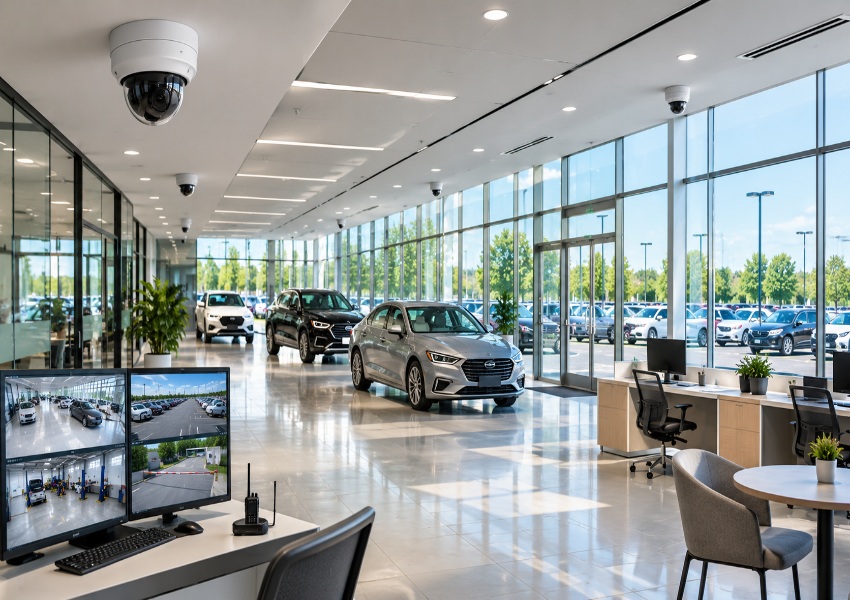
The showroom wants faces at the display line and honest glass handling, since a wall of windows is a mirror problem after dark and the purchase decision is which the camera prioritizes, interior faces or exterior approaches. WDR behavior and the mounting angle on the glass line decide that, and the sample test that proves it is a night walk past the window, not a spec paragraph. The desk positions carry their own quiet logic: the sales conversation records exist to settle deal disputes, delivery handovers, and the paperwork question that surfaces with the finance company, so the delivery desk and the desk line get a face angle as part of the sale process rather than as surveillance excess.
Service Bays Answer the Damage Disputes
The service center is where the camera saves real money per unit installed. Bay coverage at check-in to check-out answers the damage question nobody remembers correctly, which argues for the vehicle’s full loop, front and rear approach angles per bay rather than one ceiling dome centered on nothing. Oil and dust at the workshop end rule the housing, wheel-alignment and paint booths carry their own angle rules, and the parts room and the key cabinet carry the property logic every service manager already knows from experience. The valet and prep area closes the evidential loop, because a vehicle’s condition changes hands there, and a dated, timestamped view of the car entering and leaving prep ends most condition disputes before they reach an invoice.
The Record Layer Answers the Review
The pieces above only pay when the record survives a real review. Time sync across lot, showroom and service positions, so one claim searches once rather than per camera with three different clocks. Retention sized to the claims calendar rather than the disk’s habit, since insurance disputes surface months out and a thirty-day loop is a coin toss against that. An export routine that the service manager can actually run, clip, timestamp, verified copy, because the best evidence design dies in a recorder nobody knows how to operate. And the privacy edges, the finance office’s screen angles and the staff room stay off the plan with the same documentation a school uses. Dealership groups standardizing across rooftops buy on this layer, and a supplier that answers the layer, device list, commissioning record, and export practice, and an outdoor line like the JT-9999PRO that holds a lot on one platform, gets asked for the group quote before the one that answers the catalog.
Conclusion
The lot wants corner and gate coverage with night behavior chosen for its real diagonal, since that is where the inventory value sits. Showroom angles get chosen against the glass problem, with the desk line and the delivery desk covered. Service bays get the full vehicle loop plus prep-area coverage so the condition question has an answer, in housings rated for oil and dust. And the record layer that answers the review: one clock across zones, retention against the claims calendar, an export the service manager can run, documented exclusions at the office and staff edges. A dealership’s CCTV that survives one real insurance month will justify itself in the next quote’s patience.
FAQ
Q1: What cameras does a used-car lot actually need?
A1: Gate positions for plate capture in and out, corner and aisle-end cameras covering the row gaps where hands reach vehicles, and honest night performance to the lot’s far edge. The count falls out of the gate and aisle geometry rather than the acreage.
Q2: How do service bays use cameras to prevent disputes?
A2: A coverage pattern records the vehicle’s condition arriving and leaving, approach angles front and rear per bay plus the prep area, with timestamps that match the work order. Disputes over pre-existing damage end at the clip rather than the estimate.
Q3: Can a dealership record customer conversations?
A3: Audio capture follows local law, which commonly restricts conversation recording without consent. The working design covers faces, hands, and vehicles on video and keeps the finance office’s audio questions inside the paperwork. Screen and document angles get excluded with the same honesty as privacy zones anywhere.