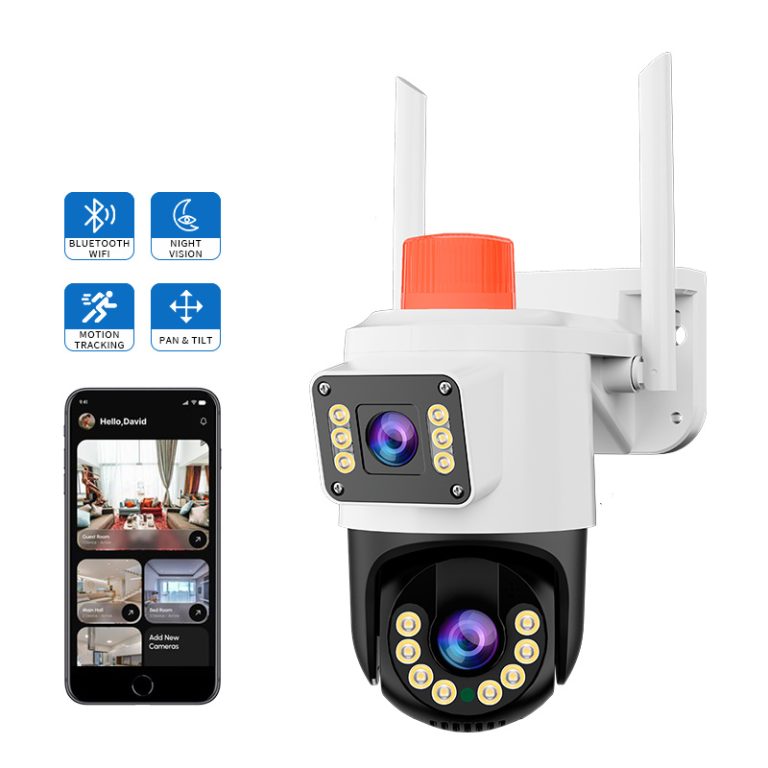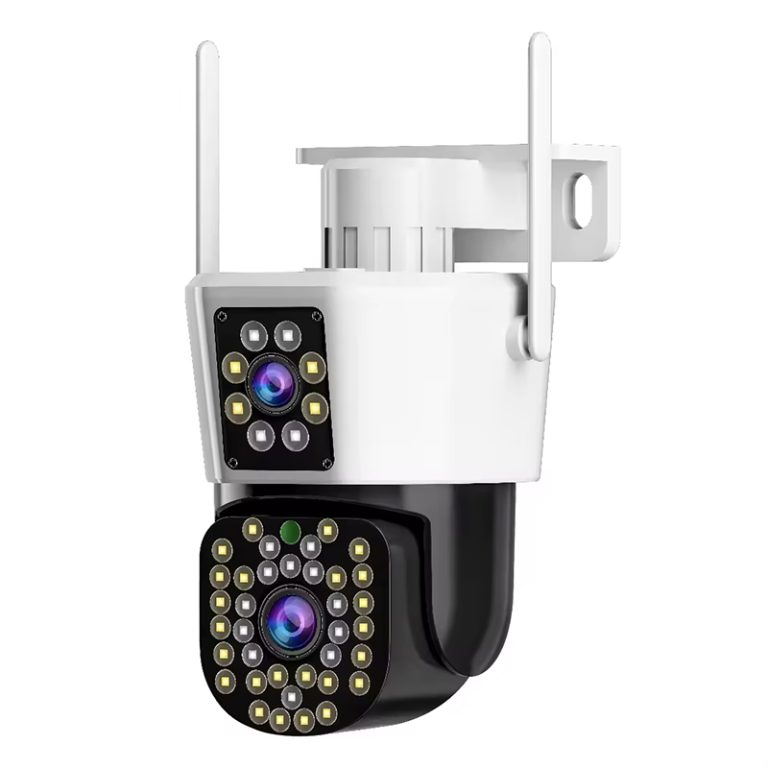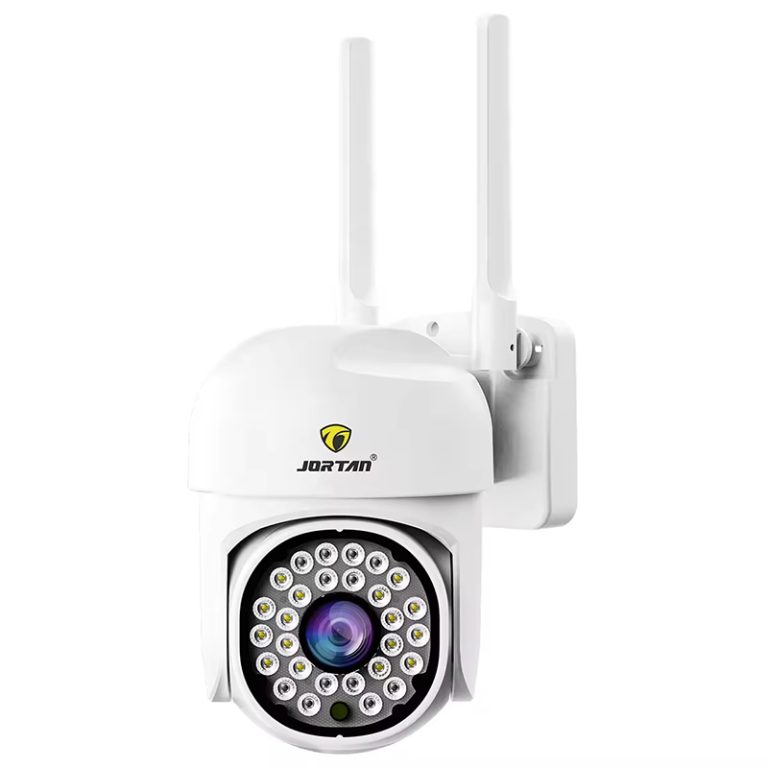
A preset holds its position for months, then lands two degrees off after a blackout. Ask any service manager and they know this fault. It’s annoying mainly because the camera otherwise works, and this fault is intermittent. Preset loss on power cycling is a catch-all failure with one characteristic, handled by different stakeholders: the positioning mechanism itself, the power path, firmware, or control wiring. Underneath each you get its own section, and finally the acceptance test that picks them all up.
How a PTZ Camera Remembers Where it Pointed
An electric PTZ travels on pan and tilt axes driven by stepper motors. It maintains an open position book so a preset call ends up where it landed yesterday. That bookkeeping relies on a home reference the mechanism restores upon boot. After power-on, most units will run a self-check for the mechanism to find that reference again. Only then will preset calls execute properly. Two consequences follow. An interruption of that boot calibration leaves the axis bookkeeping wrong, and presets then execute against a bad reference. Successive quick power cycles and brownouts that restart the self-check mid-travel both cause it. The other consequence is simpler. A preset that never actually saved, because the save step failed silently or the operator changed tour settings without re-saving, will not return no matter how healthy the hardware is.
Power Quality is the Hidden Variable
PTZ mechanisms draw peak current exactly when the motors start moving. That is where a marginal power path shows itself. A PoE switch close to its power budget, a long or undersized cable run, or a shared supply sagging the moment motors engage can stall or reset a camera mid-travel. Every stall mid-move is another chance for the position book to disagree with reality. Repeat brownouts make the drift accumulate cycle after cycle. When preset loss lines up with storms, generator changeover, or one particular switch port, the fault belongs to the power path. The same electrical noise that browns the supply also degrades RS-485, the classic serial interface for PTZ commands. A dome showing both wandering presets and slow, ignored commands on old serial wiring is usually a grounding story before it is a camera story.
Firmware and the Control Channel
Preset behavior is firmware logic, and bugs around power-on self-check, preset storage, and park actions form a known field-issue category. Two version-related patterns deserve naming. A site running mixed firmware across batches will react to the same power cycle differently unit by unit, so a site where only some domes forget their presets may be a version-control problem wearing a mechanical costume. And in fact firmware updates automatically reset saved configurations on some units, which quietly deletes the preset map from that upgraded unit. Always after an update, re-check of the presets always on every piece of equipment.
Also, preset loss is read as a control-channel failure. In IP cameras, the PTZ command is not transported along with video. It operates on top of ONVIF, or Chinese platform projects running GB/T28181, legacy serial control. An RTSP stream in the basic format contains no PTZ commands; therefore, it must be coming from somewhere else, and that “somewhere” can fail or stand alone. Along this way, the camera might sit precisely where the preset called it, as yet never rang or voiced excitement. Confirm which control path a site actually runs before blaming a mechanism for a transport failure.
The Acceptance Test that Catches this Class
Screen the whole failure group at incoming inspection. It costs minutes there and days in the field. Commission the unit, save a defined preset set including the far corners of pan and tilt travel, then power cycle ten times in a row. Call every preset after every cycle and log where it lands. A healthy unit returns to every preset inside its stated accuracy, every cycle. Then repeat on site with the real power path: call the full preset tour while measuring supply voltage at the camera terminals. That measurement catches the sag no bench test can show. Any unit failing either step gets quarantined before it reaches a mast.
Two habits keep the fault out of the service years. Re-verify and re-save all presets after every firmware update and after every camera swap, since a replacement unit arrives with an empty map. And keep the preset list in the as-built file rather than on one installer’s phone. A preset scheme that exists only in a handset is not recoverable when that phone or that installer is gone. Get in touch with Jortan anytime.
Conclusion
A PTZ losing presets after a power cycle is the visible end of one of four problems. Boot calibration got interrupted. The power path sags under motor load. Firmware carries a fault or the fleet carries mixed versions. Or the control channel never delivered the call. Each has a different owner and a different fix, and guessing among them is how sites burn service weeks. The commercial answer sits at incoming inspection and handover. Ten power cycles with full preset verification, one voltage measurement at the camera terminals under tour load, and a documented preset list will flush out this entire failure class while the units are still sitting in their boxes. We would be glad to answer any questions you may have.
FAQ
Q1: Do PTZ cameras store presets even with power off?
A1: They do. Preset positions live in stored configuration and survive power loss. What a power cycle can disturb is the mechanical reference the camera recalibrates at boot, which is why presets can run against a wrong position after an abnormal restart.
Q2: Why do only some domes on my site forget presets?
A2: Mixed behavior on one site usually means mixed firmware across batches, or a power path difference. One switch port near its PoE budget, or one longer cable run. Compare firmware versions and terminal voltage per affected unit.
Q3: Is preset loss a product fault or an installation fault?
A3: Root cause decides. A camera failing the repeated power-cycle test on the bench is a product fault. Loss driven by brownouts, thin PoE provisioning, or grounding noise is an installation item, and the terminal-voltage measurement settles the argument either way.