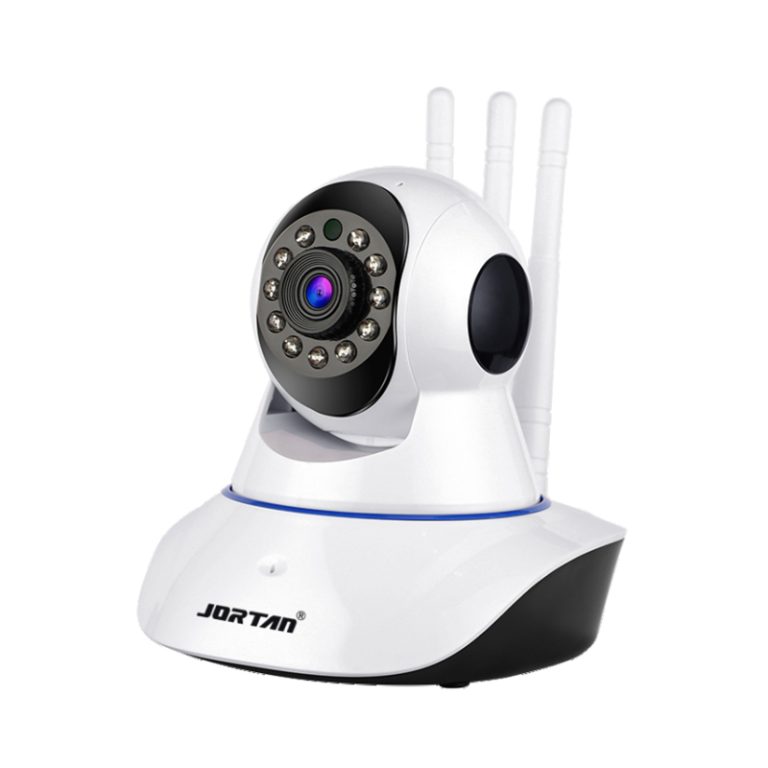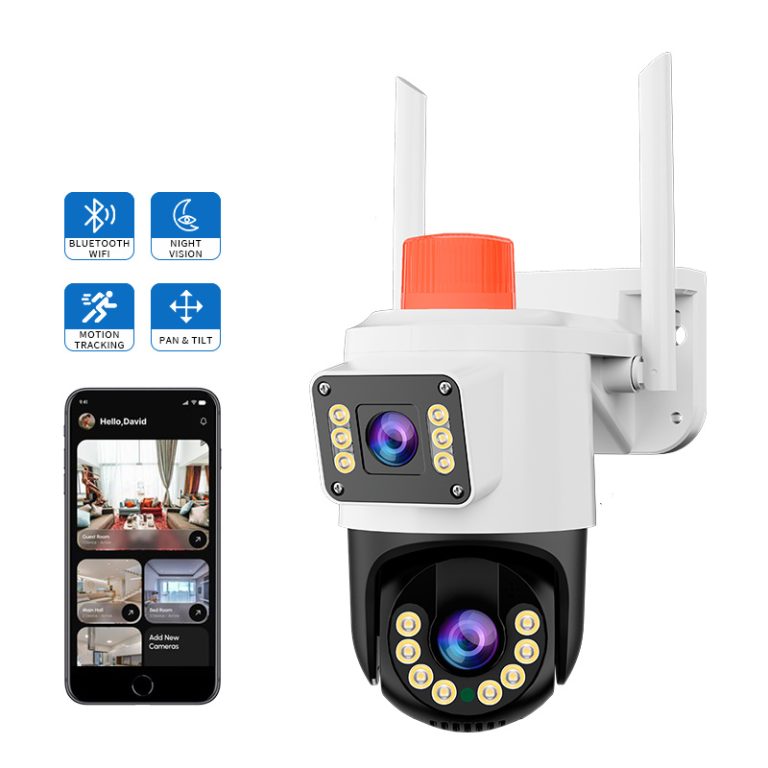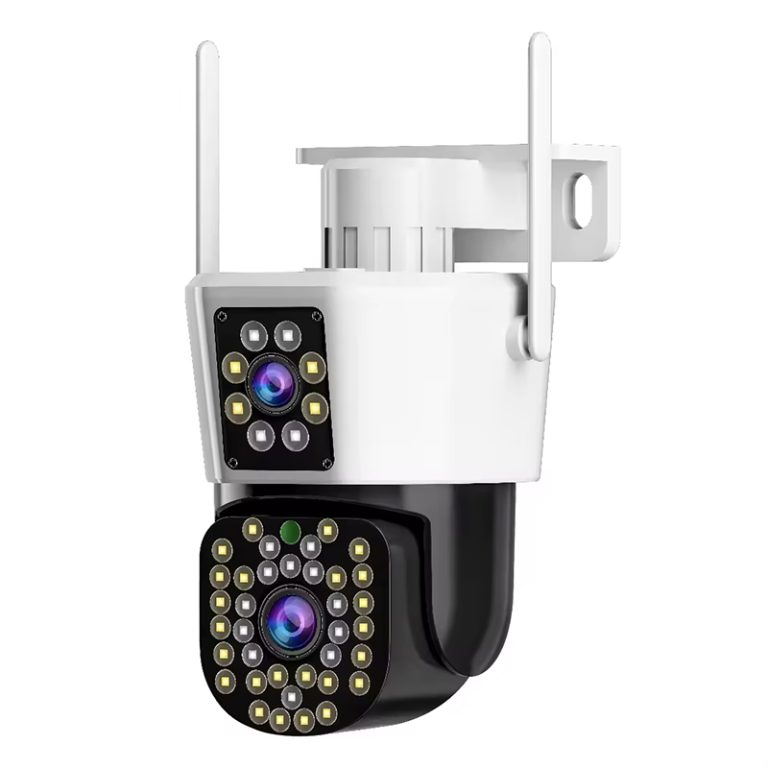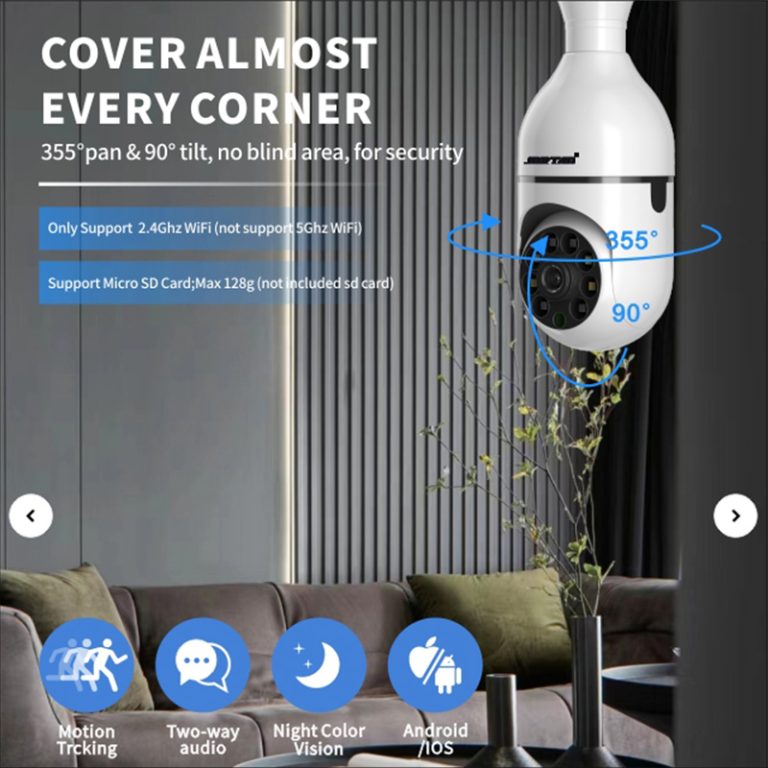
Two hundred cameras of one model arrive on the same pallet. Same part number, same firmware, same lens spec on the sheet. After commissioning, a row of them renders the same wall in two different whites. Batch color variance ranks near the top of CCTV quality complaints, and it is rarely anyone’s defect in the single-camera sense. It is a process outcome. The drift starts in component sourcing and ends in how settings get set during commissioning. The causes, the supplier-side controls, and the buyer-side tests all get their own section below.
Three Hardware Layers Vary Before the Box is Sealed
A camera renders color through three layers. The sensor and its IR-cut filter sit first. The lens and its coating sit second. The ISP pipeline applies white balance and noise reduction last. Each layer can shift from unit to unit. Sensor makers ship in wafer lots, and two lots of the same sensor can carry slightly different color response. IR-cut filters get glued into holders on semi-automated lines, so the filter sits at a marginally different angle or distance on some units. Lens coatings drift across molding batches. None of this makes one camera look wrong on its own. The difference only turns visible when identical cameras line up in one row.
The software layer adds more spread on top. Most cameras leave the factory with auto white balance in fully automatic mode. AWB reads the scene and picks a color temperature on its own. Two cameras with identical hardware can lock to different white balance states. One powered up under a sodium lamp, the other under an LED floodlight. One sees a bright wall filling the frame, the other sees open ground. Both states are ‘correct’ for the scene each camera sees. A large share of batch color complaints dissolve once AWB behavior gets checked before any camera gets condemned.
Why the Same Model Number is not the Same Camera
The primary reason for batch-to-batch drift (of the non-metric kind) is a silent component replacement. Even the sensor lot, lens supplier, or LED array might change during a specific model’s life, among other factors that camera manufacturers have to change! While the model number on the carton remains unchanged. Thus, a unit manufactured in March and a unit manufactured in August can each carry conspicuously different color signatures under the same light without being flagged by the label. This is why a distributor restocking the same SKU each quarter sometimes watches new stock fail to match the old stock already on a live wall.
This is an interaction not to be missed when it comes to artificial lighting. LED and fluorescent light bulbs flicker at double the mains frequency: 100 Hz on a grid with one-sided alternating current (50 Hz) or 120 Hz in post-Soviet countries where this is still standard. Bands and a color cast appear when the electronics shutter of a camera does not sync with the local supply. You can decide how gritty it looks exactly with the shutter, but that setting varies from unit to another after preset copies or firmware imports. Two identical cameras, even running the same shutter speed but with different anti-flicker settings will never be an equal match no matter what hardware they have.
What a Supplier Should Control Before Shipment
Consistency is engineered into the line by process control, because a final inspection pass cannot add it afterwards. The controls that matter most, roughly in order of effect. Keep one batch on one sensor lot and one lens batch where volume allows it. Run a calibration step at end of line. Each unit gets imaged against a standard light source and a gray reference, and the measured white balance and gain offsets get written into the unit. Hold AWB, saturation, and gamma at a defined factory default rather than a loose range. Factories doing serious image control also keep golden samples per production lot. A line then gets judged against a physical reference instead of an engineer’s memory. Higher-end lines go one step further and generate per-unit lens-shading and color-correction data on the calibration bench. That single measure does the most against unit-to-unit mismatch.
In projects that are about matching, this can require one inexpensive test. Pre-shipment sample images. The supplier has also fought over sampled units photographed under the same lamp and sends back this set to the buyer. Rains of swatches reveal drift not measured on any datasheet, and the price is a photography bench one afternoon. The datasheet never documents drift and costs a photography bench + an afternoon; swatches show the effect. For further inquiries, please do not hesitate to contact Jortan.
What a Buyer Can do on Site
Normalize settings before you infer hardware. Maybe that same shutter mechanism for every camera or the correct mains anti-flicker frequency. The white balance can be locked to a preset or calibrated manually using a white card at each mount location. In one go, saturation and gamma are matched by the same customer software. It was never about the road, but rather than a simple line that night, the camera needed: it made a copy of novelty placement, which is created in the facade and dispensed across the roadway. These cameras are calibrated with white balance and 3D noise reduction for the specific scene at which each position is perfectly tuned.
A matched pair still disagreeing after all settings are locked is real hardware variance. File the evidence in the batch inspection record. If the gap exceeds what the contract allows, this is a batch quality claim against the purchase order. It is not an installation problem, and it should not be spent on as one.
Conclusion
Identical cameras showing different colors is a signal about process, not about one bad unit. Component lots shift without notice. AWB locks to different states on different framings. Shutter settings drift between units unless one person controls them. The best tools the buyer has are contractual in nature: batch requests for single lots, factory calibration with written records, and pre-shipment sample images followed by a comparison method in writing at incoming inspection. Before decrying any camera, hold the shutter lock down to one standard white balance and image parameter on site. We encourage you to contact us.
FAQ
Q1: Is batch color variance normal for CCTV cameras?
A1: Small variance is normal. Sensor lots, lens coatings, and filter assembly tolerances are never identical. Visible variance under the same scene usually means an uncontrolled AWB state, a mismatched shutter setting, or an undeclared component change inside the model number.
Q2: How do you inspect color consistency in a received batch?
A2: Sample a defined quantity per lot. Photograph each sample under one light source with a color chart in frame. Compare against a golden sample or the last accepted lot. Record the result, and reject against a written tolerance rather than an opinion.
Q3: Can a firmware update change camera colors?
A3: Yes, and it does regularly. Firmware can reset image parameters or change ISP behavior, including default white balance and noise reduction strength. After any fleet update, re-check image consistency on sample units before declaring the update finished.