A quote for a remote camera can look to cover all the bases but fail to describe the most critical part of the system—the power and communication infrastructure that will be required to withstand the average poor weather conditions over the long term. All the components of a solar power camera system—the solar panel, battery, radio, camera, and storage policy—need to be considered as a whole. A model that performs well at a demo site in full sunshine may perform very differently under shade, in winter conditions, with high volumes of alerts, with poor cellular coverage, and with months between maintenance visits.
A comparison of solar cameras should be made based upon the conditions that they are able to withstand and the evidence that a supplier is able to provide. From the product information provided for the JT-8258T and JT-8699T models, there are described low-power and event-driven functions that are configured on the documented configurations. However, the information is incomplete and requires current datasheets and a site visit with a representative from a supplier to undertake a trial in order to determine exact battery size, runtime, panel rating, network support, and environmental limits, etc. Do not assume a fixed runtime from a model name.
Start With the Site’s Energy Balance
Set out a list of the camera’s expected daily usage: active recording, standby, use of the camera’s illuminators, camera motor movements, cellular transmission, live viewing, and firmware updates. Actual usage can vary greatly from the expected figures, depending upon how frequently a camera wakes up, how much streaming is carried out, and how frequently night lighting is used. Ask for the supplier’s recorded usage for the intended settings and for the method of measurement used. If this information is not available, then complete a short field test and retain the raw reading as opposed to trying to give a figure for the number of days.
All metrics regarding panel size don’t qualify for autonomy. Other criteria such as orientation, tilt, shading, soiling, weather, seasons, and mounting must be recorded for a given site. Determine if the site latitude and installation angle were used in the supplier’s calculation and if the panel can be individually repositioned from the monitoring camera. Unlike panel metrics, battery metrics, such as chemistry, rated capacity, usable storage, and charge protection down to very low voltages, belong in a technical comparison of systems.
Build an energy trial record for each shortlisted system: panel and battery identifiers, camera configuration, daily events, live-view time, weather notes, battery indication, and any recharge or downtime. Run it long enough to include the conditions that matter to the project. A demonstration lasting one afternoon is not evidence of seasonal availability.
Compare Connectivity and Recording as a Pair.
A remote site project may use a WiFi connection if a suitable access point is already on site and a cellular connection where site infrastructure is absent. Confirm the exact radio version and carrier support as well as SIM requirements, mount point signal strength, data allowance, and antenna location. A site’s coverage map does not necessarily guarantee service at a pole, gate, or edge of a terrain feature.
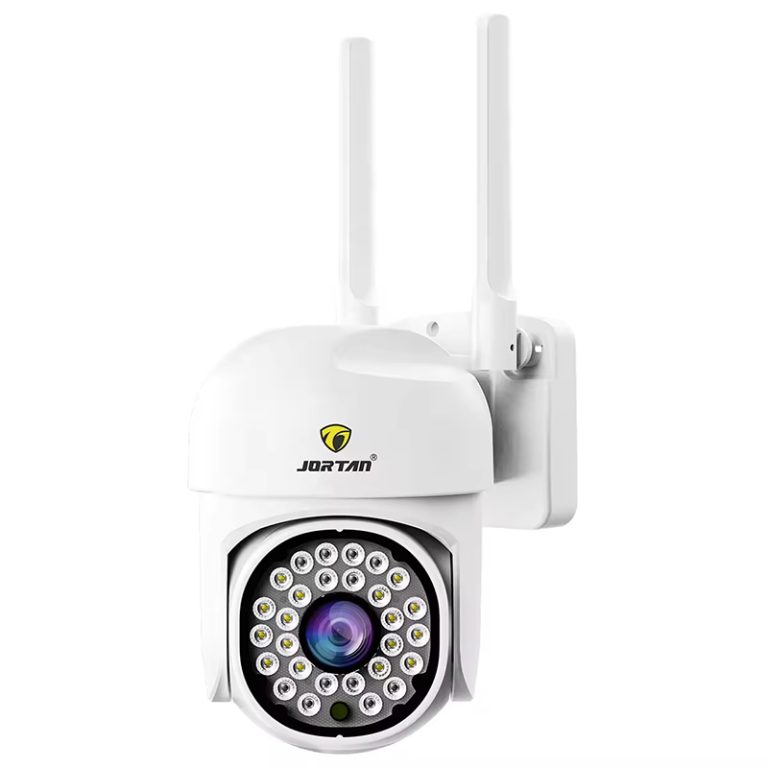
The JT-8258T solar camera is documented with H.265, 1080P, 2.4G WiFi, PIR wake-up, human-related detection, local Micro SD or cloud storage, two-way voice, and IP66 protection in the above-referenced configuration. Be sure to verify the configuration delivered and the current datasheet versus these fields to ensure proper RFQ comparison and do not confuse WiFi capability with a 4G claim.
The JT-8699T model is listed as a 3MP+3MP solar camera with six 18650 cells rated at 2,600 mAh each, H.264+/H.265, and PIR-plus-radar detection. Treat the 15,600 mAh sum as nominal cell capacity, not a promise of field autonomy. Confirm the current network, panel, battery protection, and recording details for the exact SKU. For both models, test whether local clips continue during a cellular outage, how remote access returns, and whether queued alerts arrive later or are lost.
Field trials need to cover the harshest operating conditions within the expected operating window, not just the day and time of the installation. Log the battery reading at regular times throughout the day. Note the panel orientation and the amount of shade on the panel. Log event wakes. Log live viewing time and amount of footage uploaded. When the battery runs out, try and establish the cause. Is it a problem with the charge input, an increase in events, longer active times, poor signal, or some change in settings? A short trial cannot guarantee a full seasonal warranty, but it should give an indication of whether the supplier’s energy assumptions are correct for your site and whether a full pilot is warranted.
Compare the Evidence Policy, not Just Camera Features
By its very nature, motion-led recording will typically cover all necessary activity and cut out excessive idiocy between that, as opposed to constant high-rate recording. Sensitive perimeter and/or changing foliage, plus site-specific machinery, headlights, rain etc. all affect trigger behavior. Test a person walk across image and approach to edge of image. Will start and end of incident be recorded? Record all missed events and ‘false triggers’ under same settings on for each of the candidate options.
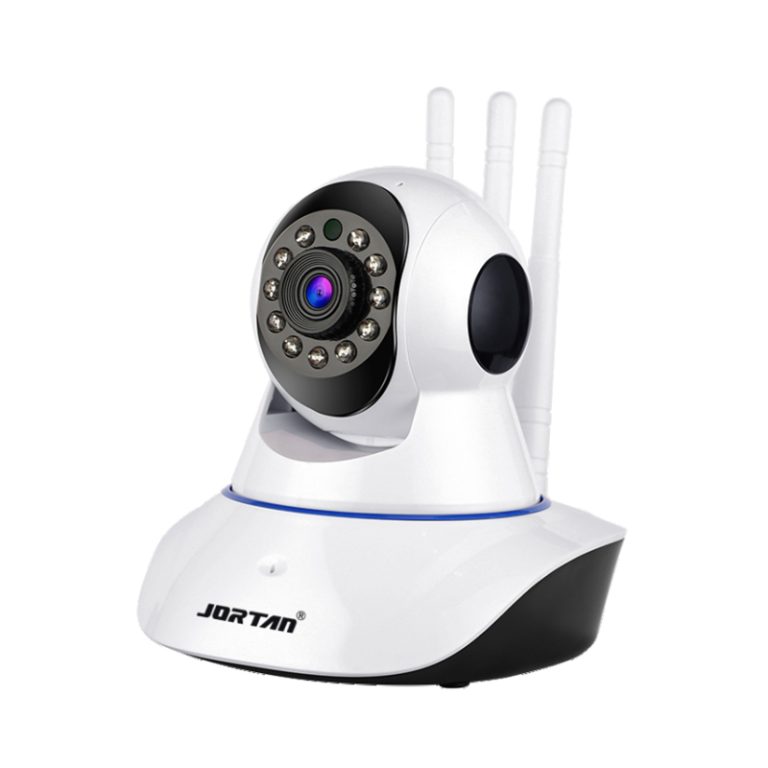
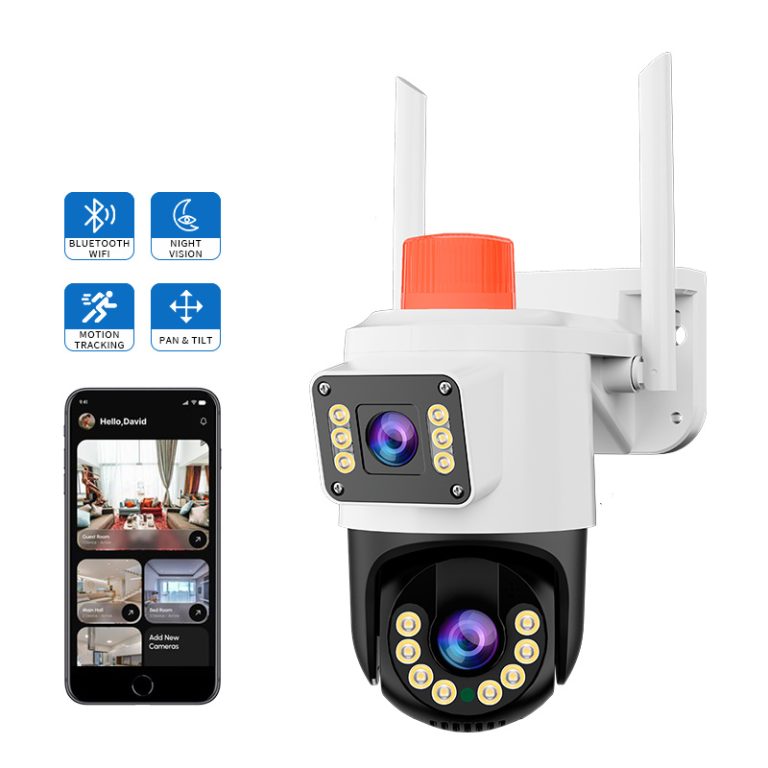
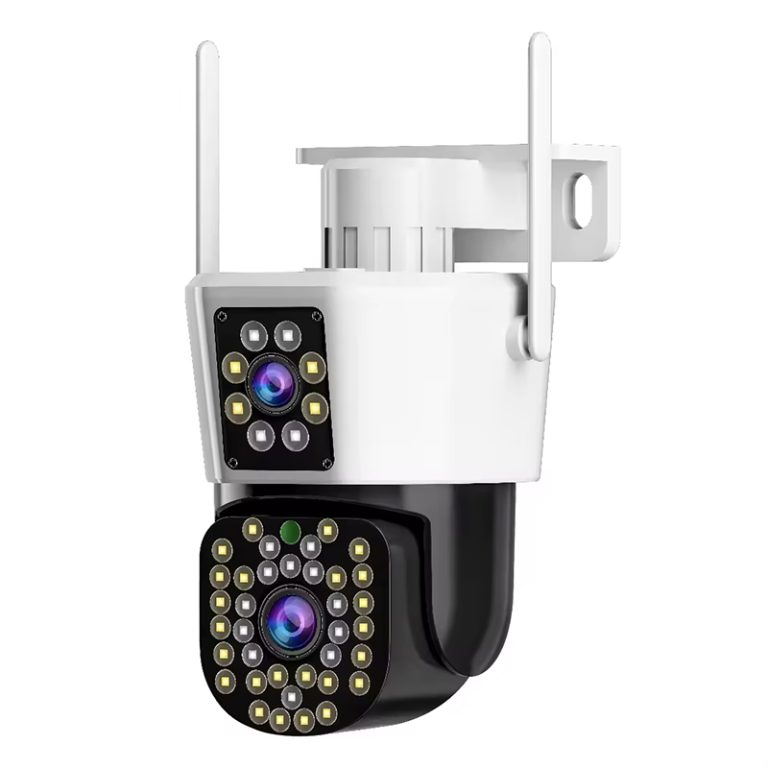
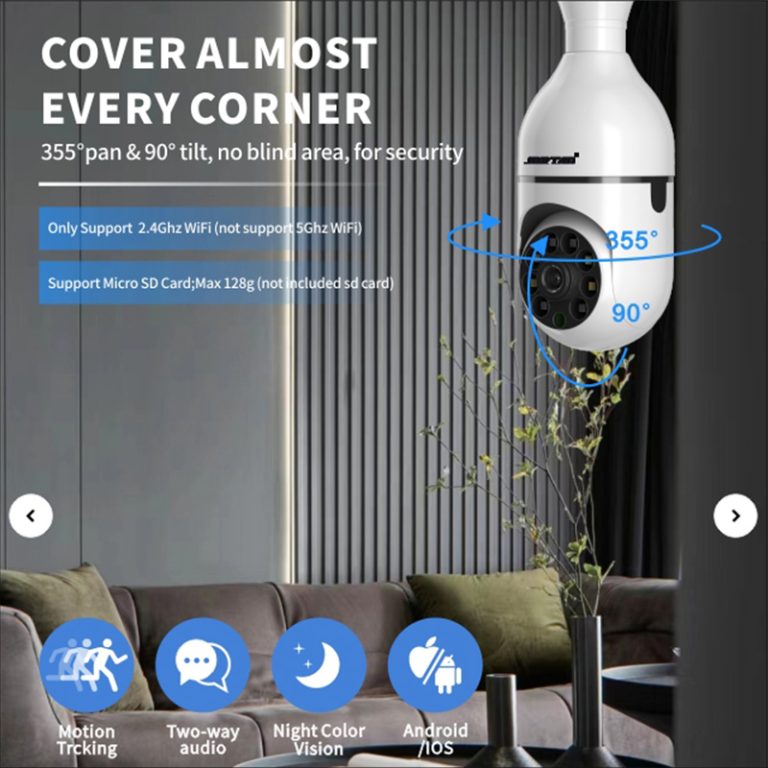
Jortan’s remote camera portfolio provides a shortlist for consideration and then an on-site trial to confirm the chosen configuration suits project requirements.
Include the storage needs in the RFQ. List the following and confirm details such as capacity, overwrite, event clip length, pre-event buffer, export method, and time stamps. Also confirm any cloud subscription, including data usage, regional availability, owner of the account, how long storage is retained for, and what happens to the stored data when a plan expires. Even a local card can suffer damage or be removed from the computer, so off-site copies may be required.
The comparison sheet should include the total kit: camera, panel, battery, bracket, SIM, data plan, card, mounting hardware, replacement parts, and site visits. A lower camera quote may be offset by a larger panel, cellular subscription, or more frequent maintenance. Include installation height and safe access; a battery that needs service every year can be costly at a remote location.
Include a map, expected daily events, target retention period, carrier, remote-site maintenance access, and any specific seasonal issues in a remote-site RFQ. Once you have had responses from suppliers, take the project to a pilot at the hardest-to-service representative site and review battery trend, missed events, network recovery, and recorded evidence prior to full site rollout.
Use an RFQ that Exposes the Limits.
Request the suppliers to provide a supplier-specific document detailing the supplied model and revision number, panel display details, battery type and details, measured power consumption, supported networks, recording mode, and storage capacity. Indicate whether published, measured, calculated, or to be verified for each field. Test all shortlisted models through the exact same test scenario to prevent the supplier from showing favorable characteristics of a single model during the sales demonstration.
The product portfolio at Jortan includes solar power and very low power cameras. The manufacturing capability of the Jortan enclosures and the range of accessories offered will also be relevant to a distributor looking for a consistent range of products and for private label. Any custom panel, battery, mounting brackets, packaging, etc., including MOQ and lead time, should be confirmed in writing, as a general OEM/ODM capability is not necessarily a fixed offer against all models.
Conclusion
This solar camera comparison assesses the site energy and the evidence, i.e., it details power consumption, the battery and solar panel, network, event and storage, and service access on the specified configuration. This comparison uses JT-8258T and JT-8699T as documented examples, but runtime and coverage can vary greatly from site to site and can only be determined from measurements taken in suitable tests.
FAQ
Q1: Can a solar camera guarantee year-round operation?
A1: No. Sunlight, shading, temperature, event load, transmission, and battery condition all affect availability. Request a stated test method to validate the design at a representative site.
Q2: Will the solar-powered WiFi camera work at a remote location with no local WiFi access point?
A2: This is not a WiFi-only device. Verify the cellular version, carrier support, signal strength, SIM support, and contract plans, as well as offline recording capabilities.
Q3: What should a buyer compare besides panel size?
A3: Measured consumption of the camera; A3.1: Battery specifications as well as charging conditions; A3.2: Event policy; A3.3: Storage as well as network data usage; A3.4: Maintenance access; A3.5: Costs for replacement.