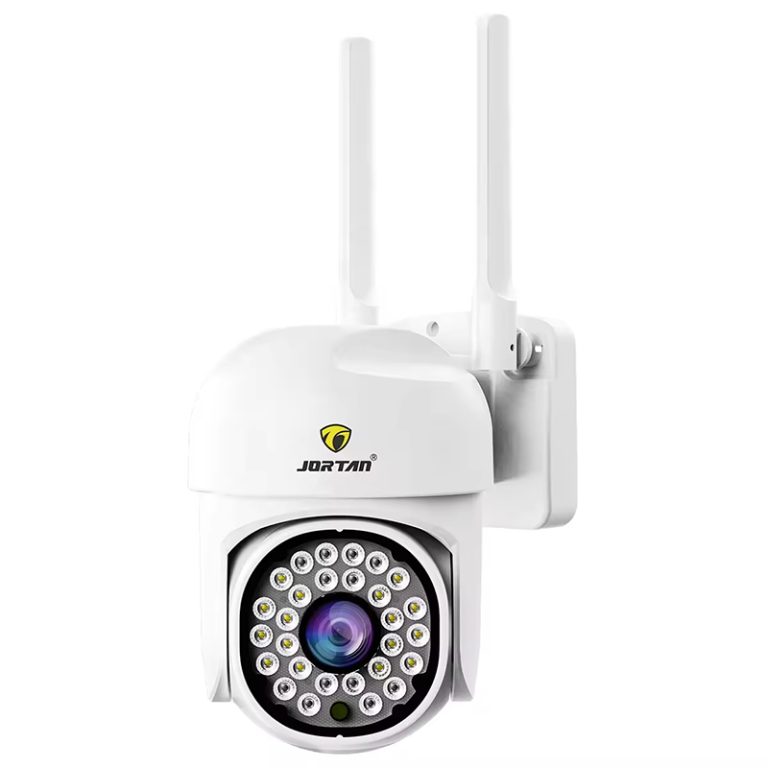

A solar camera that drains its battery too quickly creates a project problem, not just a charging problem. The panel may be clean and the camera may work during commissioning, yet the battery falls behind after alerts increase, nights become longer, the cellular signal weakens, or the panel spends part of the day in shade. A diagnosis guide helps installers separate energy input, energy use, and service access.
Solar, battery, and DC power are different camera power routes. It also connects low-power designs with event sensing, wireless transmission, and local or remote recording. That combination means the camera battery should be assessed with the whole operating policy, not as a standalone specification.
Check Charging Before Blaming the Battery
Inspect panel angle, shade, dust, cable length, connector condition, and the direction of water runoff. Photograph the panel at different times of day. A clear morning does not prove that the panel receives useful light during the charging window. Nearby construction, seasonal foliage, a sign, or a new pole can change the result after installation.
Compare Input and Recovery
Record battery level before the main activity period, after a busy day, and after the next charging period. The trend is more useful than one reading. If charge recovery improves when the camera is placed in a short, known-good configuration, inspect the permanent panel route. If it does not improve, review the battery, charging circuit, cable, and temperature conditions with the supplier.
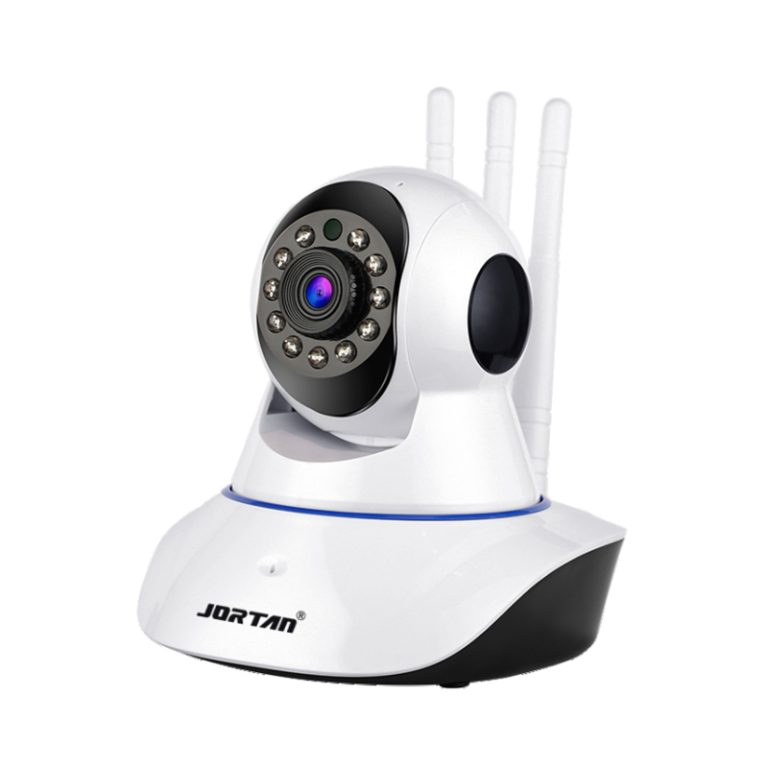
A solar-camera product such as the Jortan8 camera model can help separate panel, camera, and network choices during an RFQ. The installer still needs the exact model data sheet and approved battery configuration before making a project promise.
Measure the Workload That Drains the Pack
Event frequency is often the hidden load. A remote gate facing a road can trigger constantly. A camera with repeated live viewing, long clips, bright night illumination, two-way audio, or frequent uploads can use far more energy than a quiet boundary camera. Count events and review clip length before adding capacity.
Review Detection and Recording Rules
PIR-led wake-up can help a low-power design avoid continuous full processing, but poor placement can create a stream of irrelevant events. Narrow the zone around the protected route, reduce unnecessary notifications, and use local event recording when remote upload is not needed for every trigger. Keep the change log so the battery trend can be compared fairly.
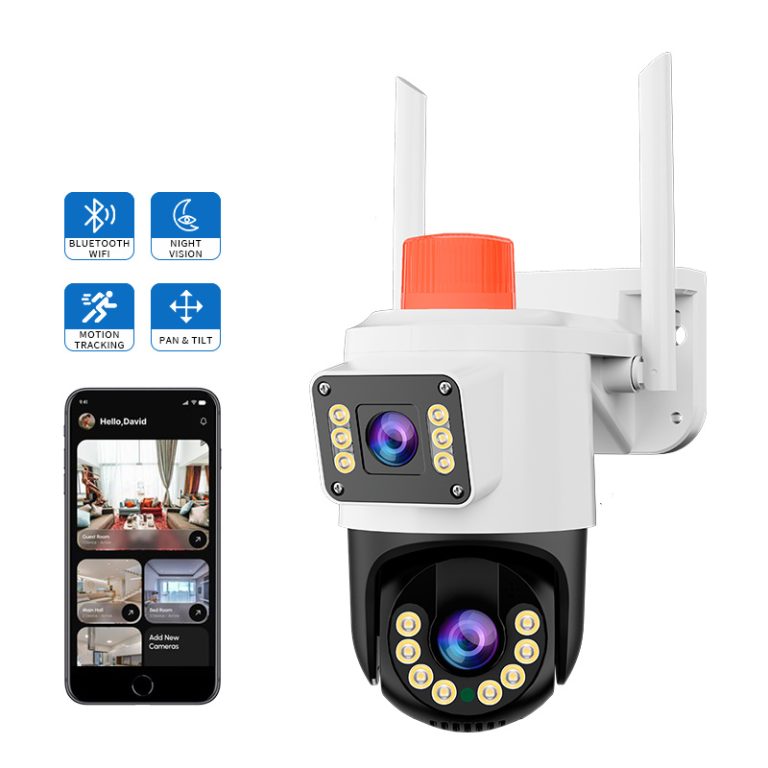
A model such as the JTZ-160B camera model should be evaluated with its intended storage, app, network, and night-light settings. Ask the supplier which functions remain available when the charge is low and how a battery warning reaches the project operator.
Weak Signals Add Hidden Consumption
A camera that struggles to reach WiFi or 4G may spend more time reconnecting or retrying uploads. The result can look like a battery defect because the device drains while the remote view remains unreliable. Test signal quality at the final height and direction. Do not move the camera to an easy bench location and assume the field result will match.
Separate Local Recording From Remote Access
Local storage may preserve event footage when the network path is unavailable, but storage capacity, overwrite behavior, and playback must be confirmed for the model. Remote notifications and cloud uploads create another workload. Record which evidence is required immediately and which evidence can be retrieved during a scheduled review.
It distinguishes WiFi, 4G, and other transmission paths, and it also notes that cameras may use TF or cloud storage depending on the product category. That distinction is useful when choosing a solar CCTV system for a remote site. It prevents a buyer from treating wireless access as the same thing as uninterrupted remote service.
Turn Diagnosis into a Service Plan
Battery drain is easier to manage when maintenance ownership is agreed upon before deployment. State who cleans the panel, checks the bracket, reviews charge history, replaces a battery, and confirms the network path. A remote-surveillance project should also define what happens when the battery warning arrives: local visit, reduced recording policy, or temporary equipment change.
Use a Field Diagnosis Sheet
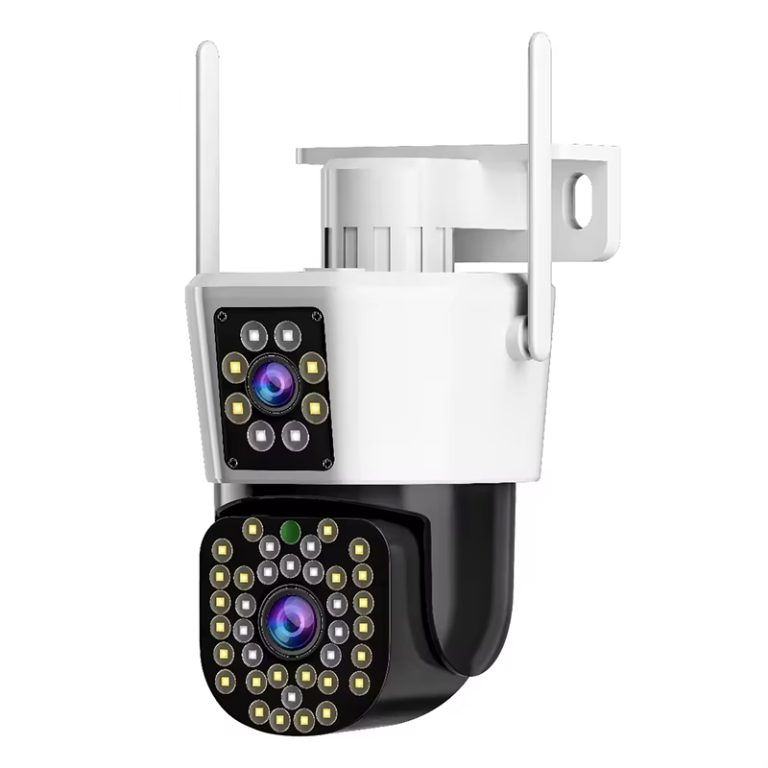
Record installation date, panel direction, shade windows, battery readings, event count, clip length, signal status, firmware, storage mode, and the weather conditions during the test. The Jortan outdoor camera can support a product comparison, while a solar project diagnosis request should include the sheet and the exact failure timeline.
Avoid promising a fixed runtime or zero downtime. The right outcome is a traceable setup with known limits, a practical recovery path, and a supplier who can confirm the battery, panel, firmware, and charging behavior for the selected model. That approach protects the installer from replacing good hardware for the wrong reason.
A remote solar project needs a service threshold. Define the battery level or warning condition that triggers review, the person responsible for the visit, the evidence to download before a reset, and the parts kept in reserve. This turns an energy problem into an ordinary maintenance task and gives the distributor a clearer after-sales scope.
For solar-camera commissioning, add an energy-and-evidence sheet rather than recording only a battery percentage. Note panel direction, shade windows, charge recovery, event count, clip length, light mode, wireless status, storage state, and the last successful remote upload. Power, transmission, and storage are different system choices, so a battery complaint should not automatically be assigned to the camera sensor. A useful field trial includes a local clip check before and after a remote outage, followed by a recovery observation when power returns. Record the approved service threshold and the parts available for a site visit. The result gives a distributor or integrator a concrete after-sales asset and makes it easier to distinguish insufficient solar input, heavy event workload, weak connectivity, and storage behavior.
Conclusion
Solar camera battery drain is usually a system diagnosis problem. Check charging input, shade, cable paths, event workload, night lighting, signal retries, storage, and maintenance access before changing the battery. A field record that compares charge recovery with actual activity gives remote-surveillance buyers a more reliable basis for hardware changes and service planning. The Jortan can frame the broader solution range.
FAQ
Q1: Why can a solar camera drain even when the panel receives sunlight?
A1: The workload may be too high, the panel may be shaded during key hours, the signal may be weak, or charging and cable components may be underperforming. Review input and use together.
Q2: Does local storage solve solar battery drain?
A2: It may reduce upload demand, but recording, sensing, illumination, and network retries can still consume energy. Confirm the complete power and storage policy.
Q3: What should installers record during a diagnosis?
A3: Record panel position, shade, battery trend, event count, clip length, signal quality, storage mode, firmware, weather, and the actions taken before and after the battery decline.