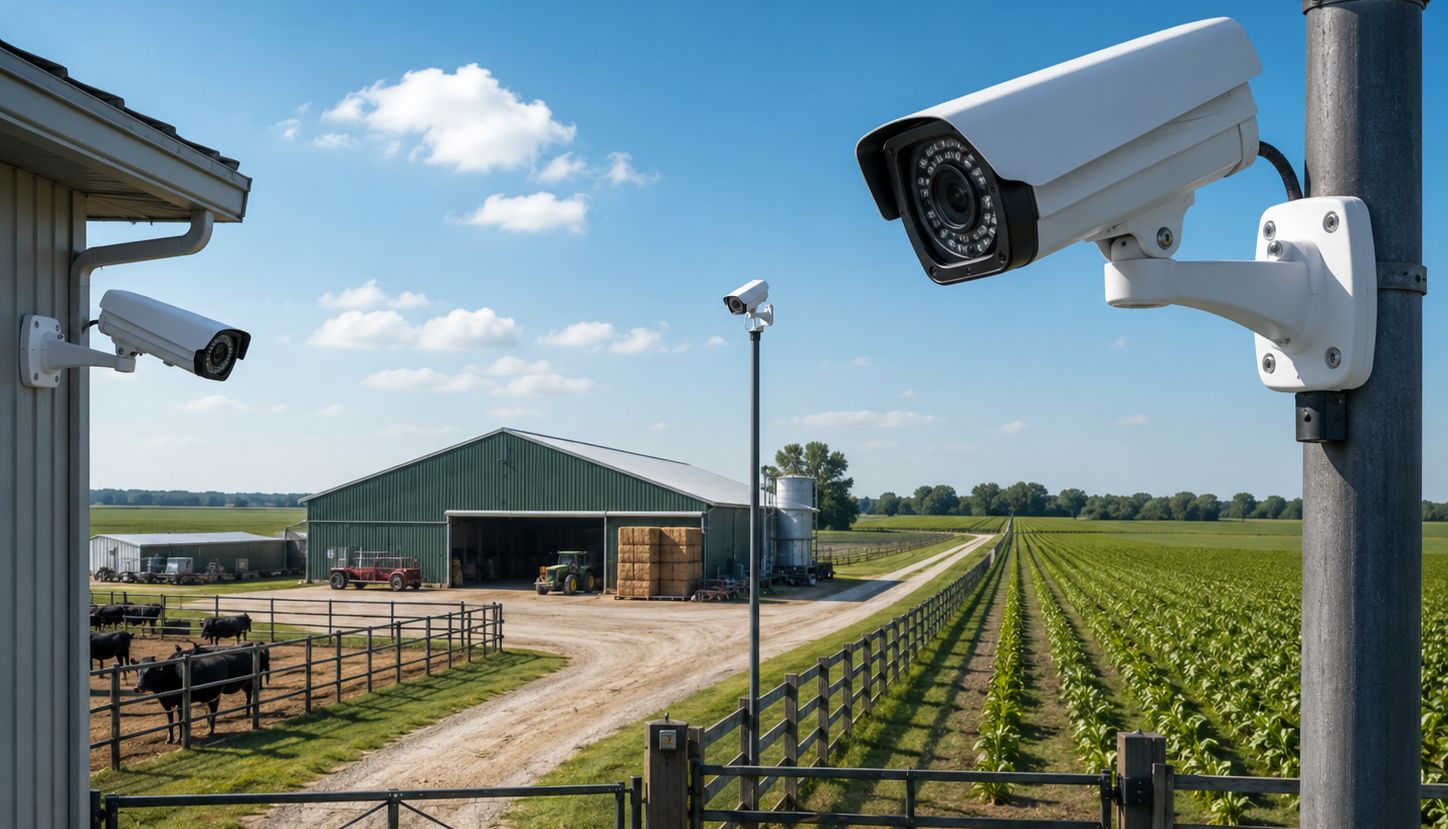
Large farms are no longer monitored only by fences, guards, or occasional patrols. Wider land areas, dispersed equipment, storage sheds, livestock zones, fuel points, and remote entrances all create blind spots. For buyers planning farm security camera projects in 2026, the real question is not just camera resolution. It is whether the system can cover long distances, work under weak network conditions, support night monitoring, and reduce the need for constant on-site checking.
Why Large Farms Are Buying More Security Cameras in 2026
Farm security demand has grown because farms now hold more valuable equipment, more stored goods, and more data-driven operations than before. Tractors, pumps, feed machines, solar inverters, tools, and chemical storage areas all need some level of monitoring. Night patrols are expensive, and in many regions the nearest installer or police response is not close enough to rely on every time.
Large farms also create a different buying pattern. A farm may start with four units, then add another group after the owner sees which areas are still blind. Camera selection becomes product line planning.
Farm Surveillance Is Different From Normal Outdoor Monitoring
Wide sites create blind spots fast
A farm is not one open square. It has buildings, trees, fences, low-light areas, moving animals, parked machines, and long driveways. One fixed camera may watch a door clearly but miss a side road. Buyers should think in zones: gate, storage, livestock, water area, field edge, staff area, and loading point.
If a distributor sells one basic camera for every farm position, the installer has to force that model into places where it does not fit. The result is weak footage, false alarms, extra poles, or another site visit.
Power and network are usually the hardest parts
Power supply is the first real filter for farm cameras. Areas near a house, office, or warehouse may use wired power. Fence lines, ponds, orchards, and open fields often cannot. Solar cameras reduce trenching, cable work, and labor costs. Still, solar is not only a panel question. Battery capacity, local sunlight, standby power use, and alarm frequency all affect the final experience.
Network access is just as important. Some farm areas can use WiFi, some need wired LAN, and others may need 4G depending on the country and data plan. A camera that works well in the sample room may become unstable at the back of a farm. For bulk orders, buyers should test distance, antenna position, and app connection before approval.
Storage and night monitoring decide real usability
Farm footage is often needed after an event, not only during live viewing. A gate camera may need continuous recording. A solar camera at a remote pond may use motion recording to save power. A building group may need NVR or HDD storage. TF card, cloud storage, and recorder-based storage can all work, but they should match the site.
Night monitoring needs the same kind of care. Infrared may be enough for a gate or shed, but reflective metal, dust, rain, and insects can affect the image. Full color or smart light modes can help near loading points or equipment yards, though they may also attract attention.
Which Camera Types Fit Farm Projects Better
Standalone wireless cameras for gates and smaller buildings
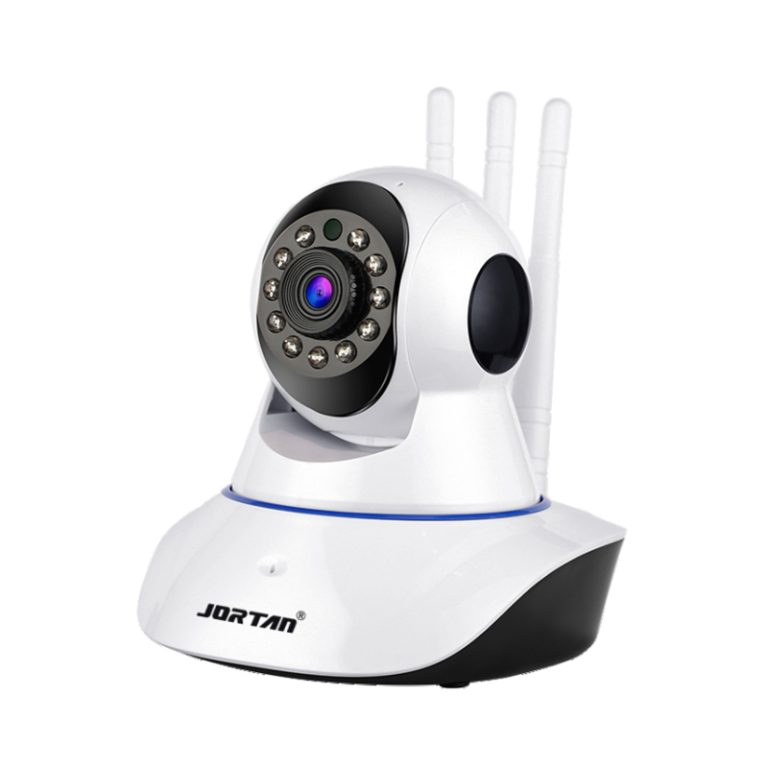
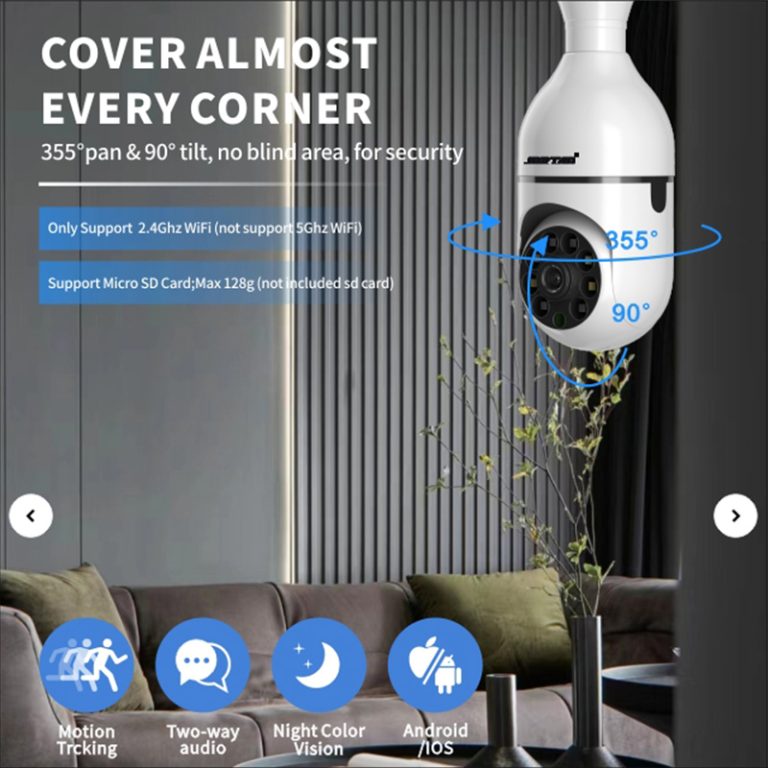
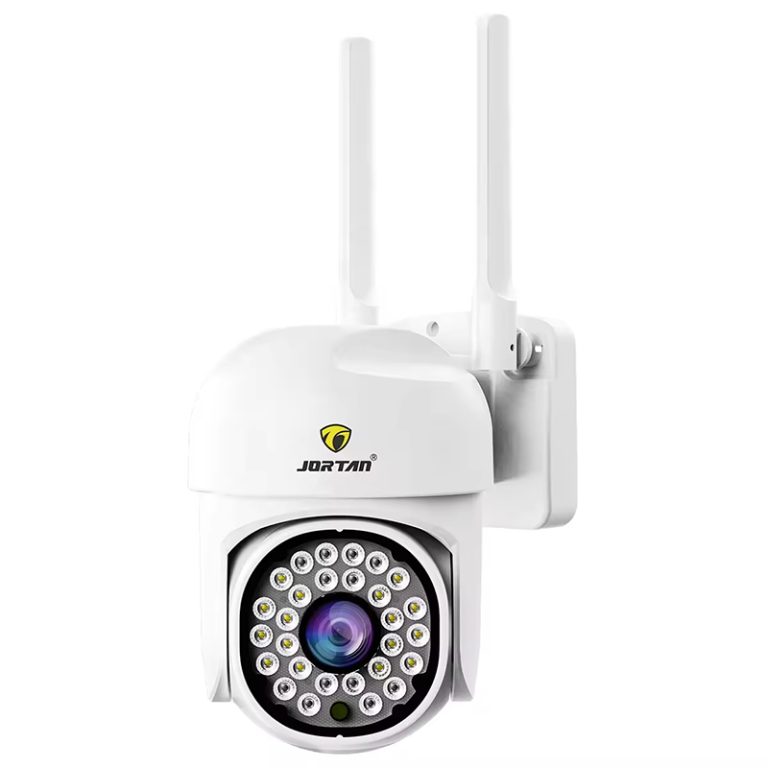
Standalone wireless cameras fit farm gates, small offices, feed rooms, tool rooms, and temporary positions. They sell well when the buyer wants a simple first step and does not want a full recorder system yet. Key checks include WiFi distance, memory card support, app setup, two-way audio, waterproof level, and bracket strength.
In this category, buyers can look at the IP camera category when building a shortlist for fixed farm points. Models with WiFi connections, PTZ movement, local storage, cloud storage, and IP66 protection are more practical for mixed farm use.
Solar cameras for remote fields and fence lines
Solar cameras are often the most suitable option for far edges of large farms. They can be used around orchards, fish ponds, grazing areas, temporary construction zones, and places where pulling cable is too expensive.
The product still needs serious checking. Ask how the camera behaves after cloudy days, how recording is triggered, whether the TF card and cloud storage are both available, and how the solar bracket is packed. Missing screws or weak brackets can delay installation for a whole day. Jortan’s solar camera options can be used as farm-oriented examples for cable-reduced monitoring.
PTZ and dual-lens cameras for wider farm views
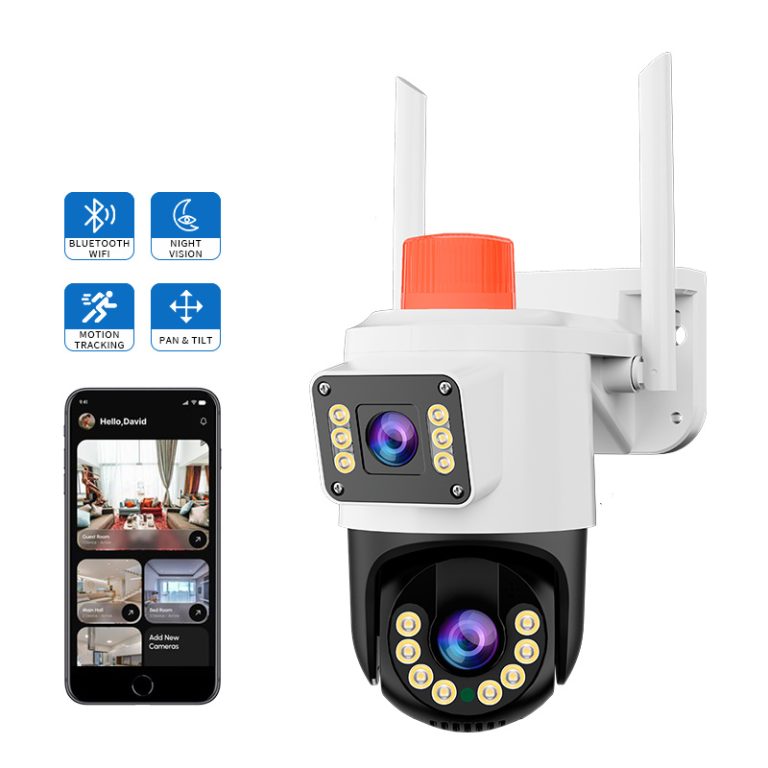
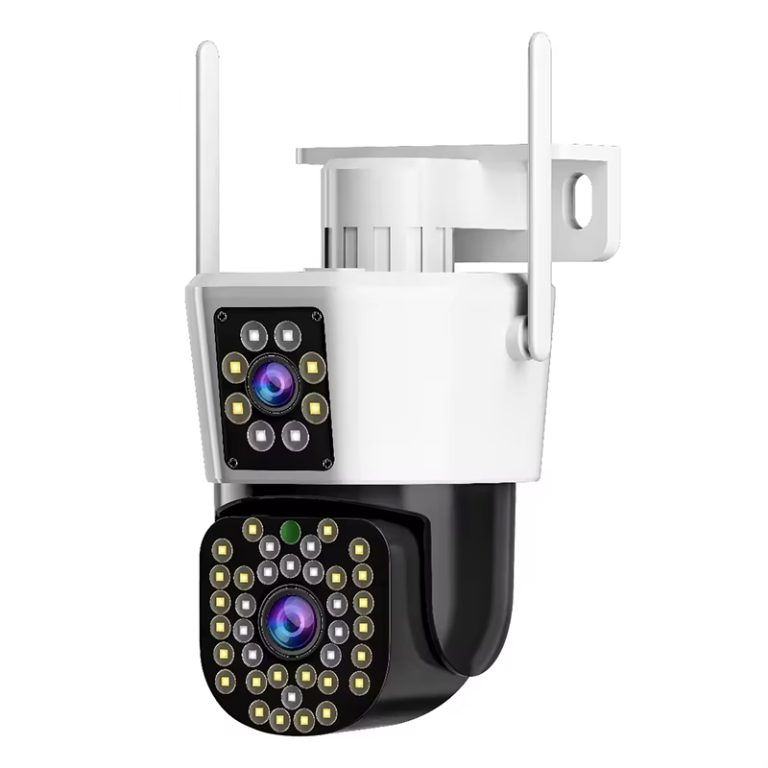
A large farm normally needs a few cameras that can see wider areas. PTZ cameras help at entrances, machine yards, parking areas, warehouse corners, and long road sections. Dual-lens models are useful because one view can stay fixed while the other moves.
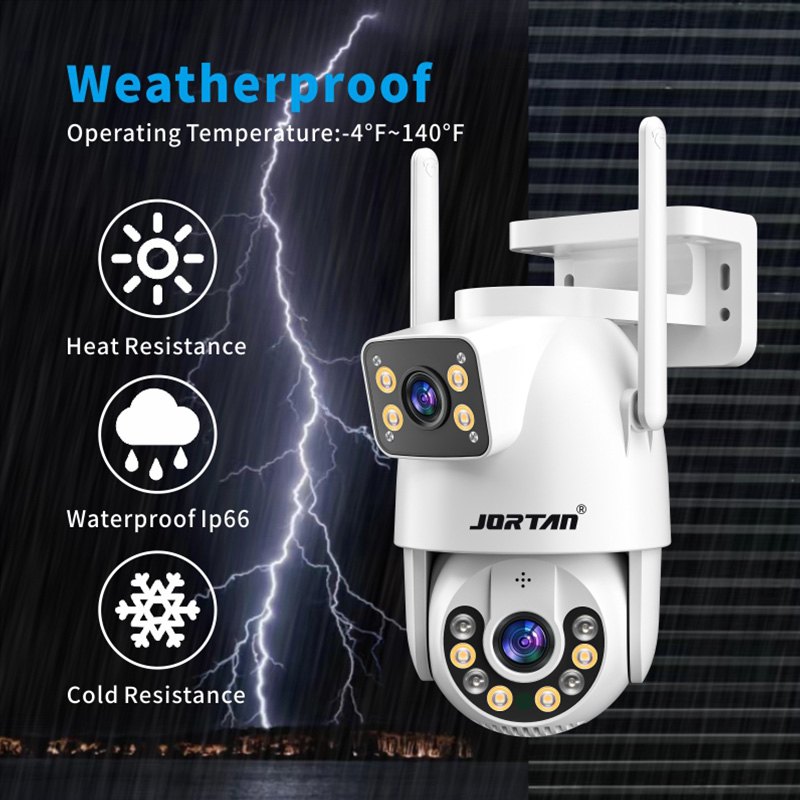
A model such as Jortan’s JT-9697QJ can work as an example for this part of the line. It combines IP66 outdoor protection, dual-lens viewing, PTZ rotation, H.265 video compression, Yoosee app support, two-way audio, and human detection. These points fit a large gate, equipment yard, or wide courtyard where one fixed angle is not enough.
NVR/DVR kits for fixed farm buildings
Not every farm position should depend on a single camera and phone app. Offices, warehouses, feed rooms, processing areas, and staff entrances may need centralized recording. An NVR or DVR system with HDD storage is easier to manage when several fixed cameras are installed around buildings.
Farm product planning should not stop at one popular SKU. A distributor may need standalone cameras for quick sales, solar units for remote land, PTZ models for wide areas, and recorder kits for fixed buildings. Each product has a clearer job.
How Buyers Should Test Farm Cameras Before Bulk Orders
Sample testing should copy the real farm environment as much as possible. Test the camera outside, not only on a desk. Check WiFi distance, app connection, night view, waterproof housing, bracket strength, memory card recording, alarm push, two-way audio, and playback.
Storage should also be fixed early. If the buyer sells to farms that need long playback, 128GB local storage may not be enough for every position. If cloud storage is promoted, the seller needs clear language about fees, supported regions, app flow, and offline behavior.
Packaging matters more than it looks. Farm cameras often ship with brackets, screws, power adapters, solar panels, antennas, waterproof parts, and manuals. One missing accessory can stop the installer, so the packing list should be checked before mass production.
Building a Complete Farm Camera Product Line
A farm-focused product line should start from site positions. A gate may need a PTZ camera with two-way audio. A remote pond may need a solar camera. A warehouse may need an NVR kit. A small feed room may only need a standalone WiFi camera. This product mix gives the distributor a better answer when a farm owner asks for coverage across different areas.
For brands and importers, working with Jortan can help when the order needs more than standard cartons. Farm channels often need logo labeling, package changes, model grouping, accessory confirmation, and OEM/ODM discussion. These details affect whether dealers can explain the products and reorder the same configuration later.
The best product line is usually not the largest one. It covers common farm scenarios without forcing every customer into the same device. Before placing a large order, buyers can map powered buildings, remote fields, wide entrances, storage rooms, temporary points, and central recording areas. If the project needs sample planning, packaging confirmation, or model selection support, buyers can contact Jortan with the farm size, installation points, and expected storage method.
FAQ
Q1: Which camera type is better for remote farm areas?
A1: Solar cameras are usually better for remote fields, orchards, ponds, and fence lines because they reduce wiring work. Buyers still need to check battery capacity, panel angle, recording mode, and network access.
Q2: Should farm buyers choose a TF card, HDD, or cloud storage?
A2: TF card storage is useful for single cameras and light recording. HDD storage works better for fixed buildings with several cameras. Cloud storage can help with backup and remote viewing, but region support and fees must be clear.
Q3: Can Jortan support camera products for farm security projects?
A3: Yes. Jortan can support farm-related camera selection across outdoor IP cameras, solar camera options, PTZ models, monitoring packages, packaging discussion, and OEM/ODM needs.
Q4: What should distributors check before placing farm camera orders?
A4: Check waterproof level, wireless distance, solar power performance, storage method, app setup, bracket strength, accessories, carton contents, manual language, and sample-to-bulk consistency.