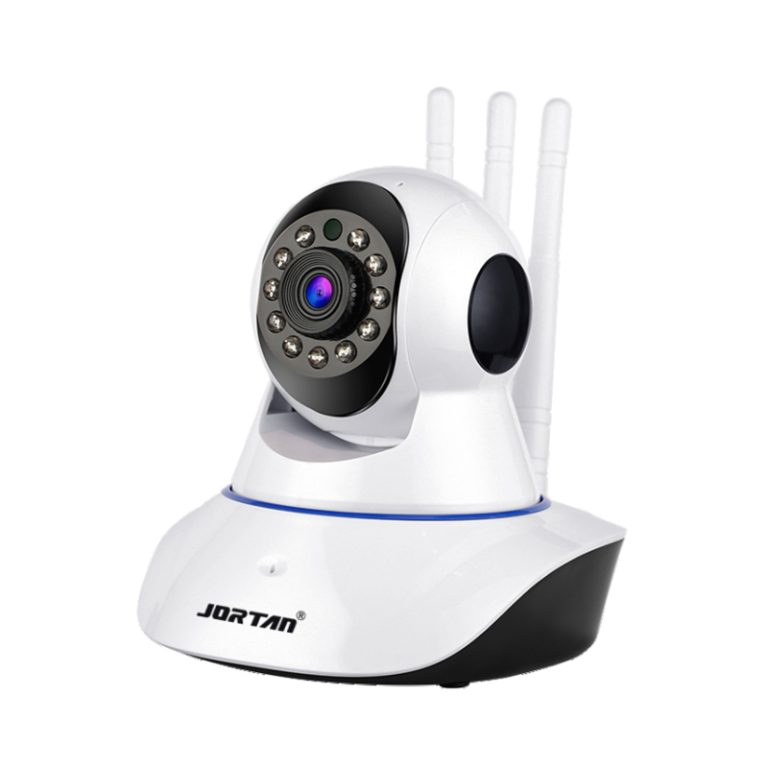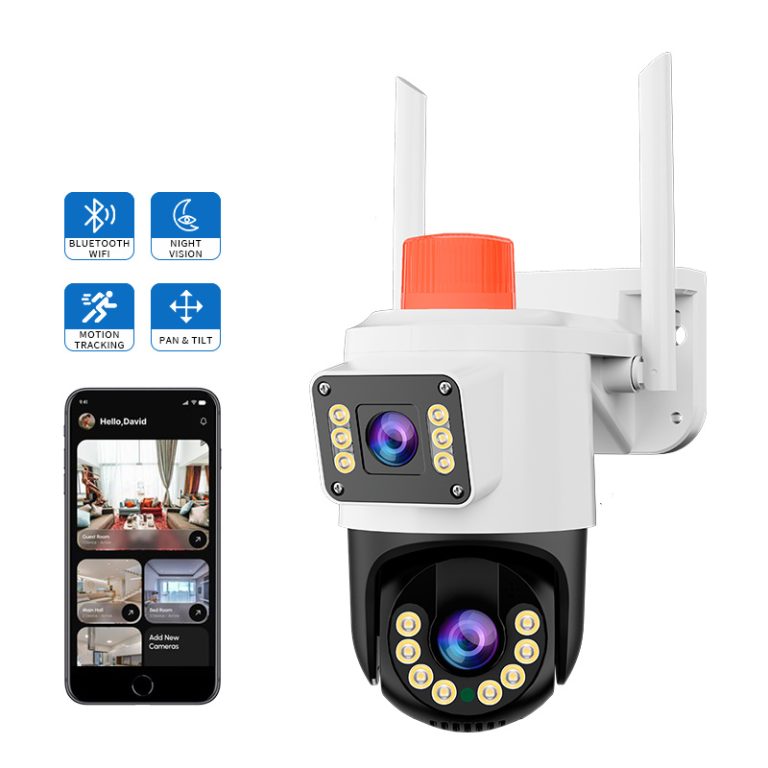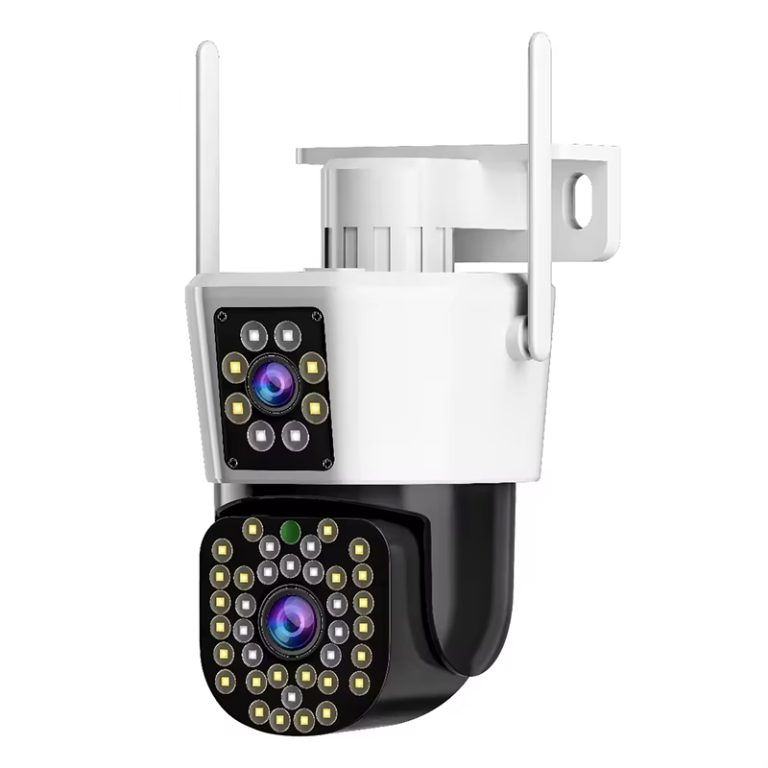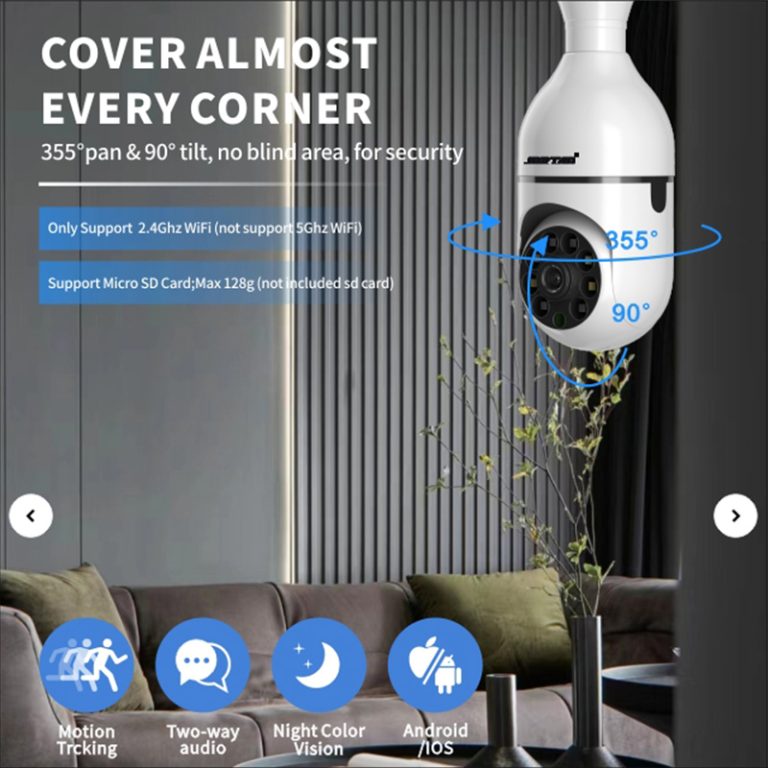
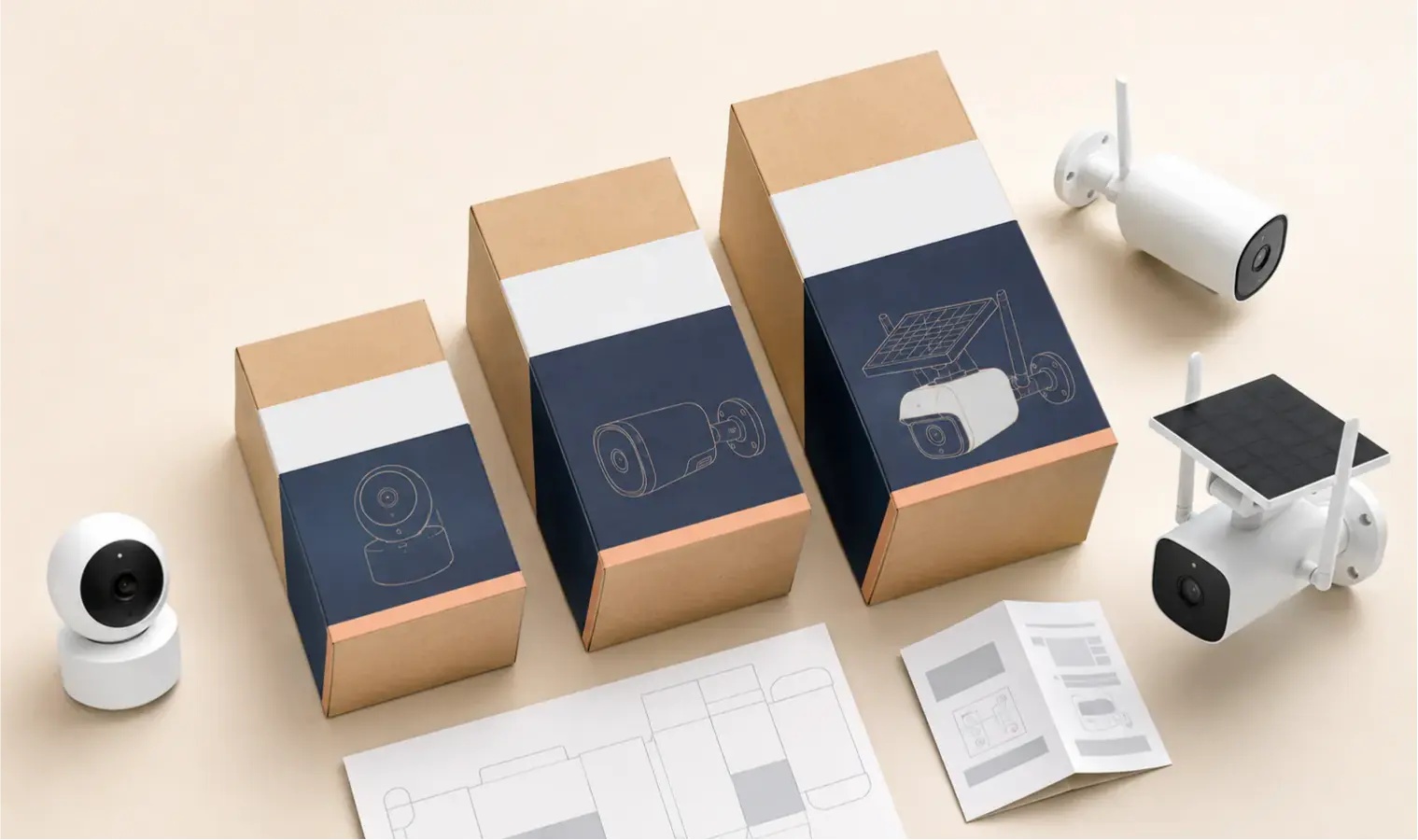
Private label camera brands can start with simple logo customization, but growth usually exposes deeper supply problems. Once orders become larger and repeat buyers expect the same product every time, consistency becomes part of the brand value. For OEM/ODM camera projects, buyers need to look beyond appearance and check whether the supplier can keep configuration, packaging, testing, app support, and delivery stable across batches.
When OEM Is Enough and When ODM Becomes Necessary
OEM for faster market entry
OEM works when the buyer already has a clear product direction and needs speed. A distributor may choose an existing WiFi camera, add its logo, adjust the box, confirm the manual language, and launch into a known channel. This route is useful for testing demand in a new country or adding a camera category to an electronics line.
ODM for product differentiation and channel control
ODM becomes more useful when the brand wants control over appearance, function mix, packaging logic, or a special market position. It may involve shell color, lens combination, app-related customization, private mold work, product appearance changes, or a more defined camera line for retail, installer, or project channels.
For example, an online brand may want a compact indoor camera with simple pairing and strong packaging. A rural security distributor may need solar camera options, 4G support, and fewer wiring complaints. A project supplier may care more about IP cameras, NVR/DVR compatibility, ONVIF needs, and repeatable configuration. ODM makes sense when these differences affect sales and after-sales costs.
What Camera Buyers Should Confirm Before Choosing OEM/ODM
Product configuration and app stability
The first checkpoint is configuration. Resolution, lens type, night vision mode, storage method, AI tracking, human detection, two-way audio, connection type, and app support should be written into the sample approval record. If the buyer only approves a product photo and a price, the final goods can still create trouble.
App stability deserves its own discussion. Many camera complaints begin with pairing, password reset, alarm push, or playback. A private label buyer should test the app flow in the target language and network environment. If installers will handle the camera, check ONVIF or third-party platform access before ordering.
Packaging, logo, and market language
Packaging is not just design work. It affects retail trust, online returns, distributor training, and customs documents. A box that misses storage information, QR code guidance, power adapter details, or supported app name will push basic questions back to the seller. For private label camera lines, the manual and carton are part of the product.
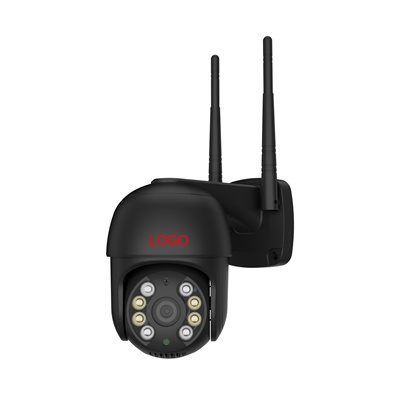
Logo placement also needs to match the product body and selling channel. A logo on a black PTZ shell, a white indoor camera, and a solar camera may not use the same size or position. Buyers should approve real samples, not only digital mockups, before the supplier starts mass printing or shell marking.
Sample-to-bulk consistency
Scaling fails when samples and bulk goods drift apart. The buyer should confirm chipset, sensor, lens, app version, storage capacity, accessory pack, color, label, power supply, carton, and testing standard before mass production. Even a small change in adapter or cable can delay installation and make local dealers question the whole line.
This is important for buyers selling through several channels at once. Retail sellers need consistent packaging. Project buyers need stable configuration. Brand owners need the same product story on the box, website, manual, and support script.
How Jortan OEM/ODM Support Fits Private Label Camera Projects
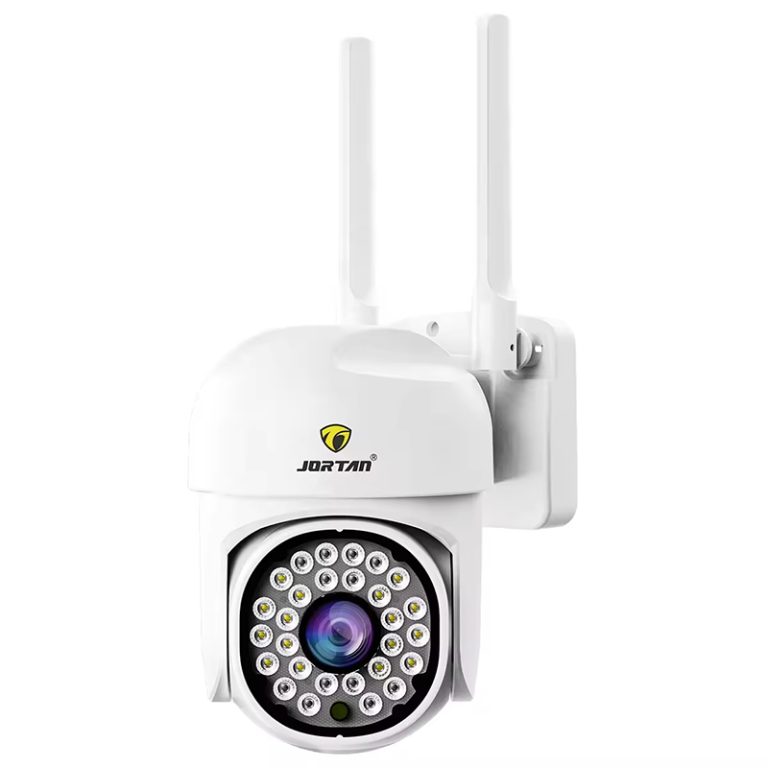
Jortan supports OEM/ODM camera customization around the parts that private label buyers usually care about: logo customization, packaging box design, product appearance customization, mold opening, and APP customization. Those options matter when the buyer is not only adding a name, but trying to build a line that dealers can recognize and reorder.
The production side is also relevant. Jortan works across injection molding, chip processing, camera assembly, packaging, transportation, and inspection steps. For camera buyers, this gives more room to discuss whether the sample, shell, board, accessories, and package can stay consistent in volume orders.
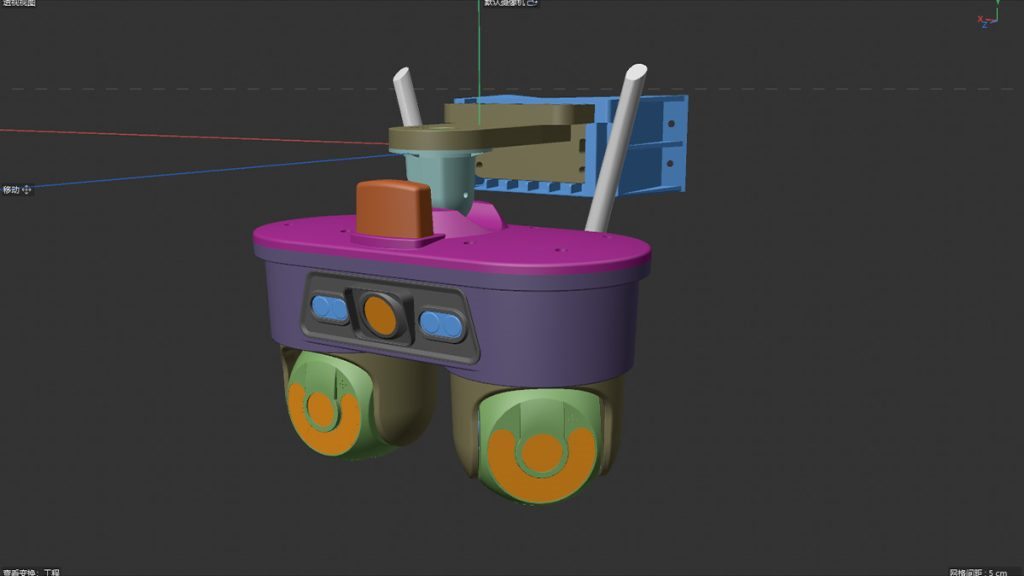
This matters in camera projects because a security camera combines mechanical parts, optics, software behavior, power, network connection, and storage habits. If the supplier only handles one piece of the job, the buyer may still need to coordinate too much alone.
How to Build a Scalable Private Label Camera Line
Start with market-ready product categories
A scalable line should begin with the market, not with the longest catalog. Retail channels may need indoor WiFi cameras, bulb cameras, and simple app-led models. Outdoor installers may need IP66 PTZ cameras, solar cameras, dual-lens models, or monitoring packages. A buyer can use security camera product categories to shape the first shortlist, but the final choice should still come from channel demand and sample testing.
For a fast-moving retail or online line, a model such as the JTZ-160B can work as an example of a product that is easy to explain: 2.4G wireless digital signal transmission, Yoosee app use, local memory card support up to 128GB, cloud storage, two-way audio, PTZ control, and human motion tracking. It is useful when the buyer needs a familiar indoor camera type before moving into more customized models.
Use customization only where it supports sales
Customization should solve a real channel problem. A different box may help a retail shelf. A different shell color may help a brand line look consistent. App-related customization may reduce support calls in a specific language market. Mold opening makes sense when volume is enough and the product form needs protection.
Customizing too early can also create dead inventory. If the brand has not tested price level, installation habits, app acceptance, and local after-sales questions, a deeply customized product may lock the buyer into the wrong direction. Good ODM planning usually starts with a proven base model, then adds only the changes that support sales or reduce support cost.
Keep testing and delivery details repeatable
Before scaling, buyers should ask for a written sample approval list and keep one approved sample for comparison. The list should include appearance, function, app, accessory pack, label, packaging, storage support, power supply, and inspection items. If the next batch changes, the buyer has a clear reference instead of relying on memory.
For brands preparing a 2026 private label camera business, the strongest OEM/ODM relationship is not the one with the most promises. It is the one that can repeat the same configuration, support packaging and app details, and respond when dealers report real field problems. If a project needs sample planning, packaging discussion, or ODM quotation details, buyers can contact Jortan with the target channel and order plan.
FAQ
Q1: Is OEM enough for a new private label camera brand?
A1: OEM is enough for fast entry with an existing model, logo, and packaging changes. It is not enough when the brand needs different appearance, app details, private mold work, or stronger channel differentiation.
Q2: What should buyers confirm before an ODM camera order?
A2: Confirm product function, chipset, lens, app behavior, storage, accessories, packaging, logo position, testing standard, and sample-to-bulk consistency. Missing these points can cause returns, installation delays, and dealer complaints.
Q3: Can Jortan support private label camera customization?
A3: Yes. Jortan can support logo customization, packaging design, appearance changes, mold opening, APP customization, production, assembly, inspection, and shipping support for private label camera projects.
Q4: How should buyers avoid over-customizing too early?
A4: Start with a proven model, test it in the target channel, then customize the parts that improve sales or reduce after-sales pressure. Heavy mold or app customization should follow confirmed demand, not replace market testing.