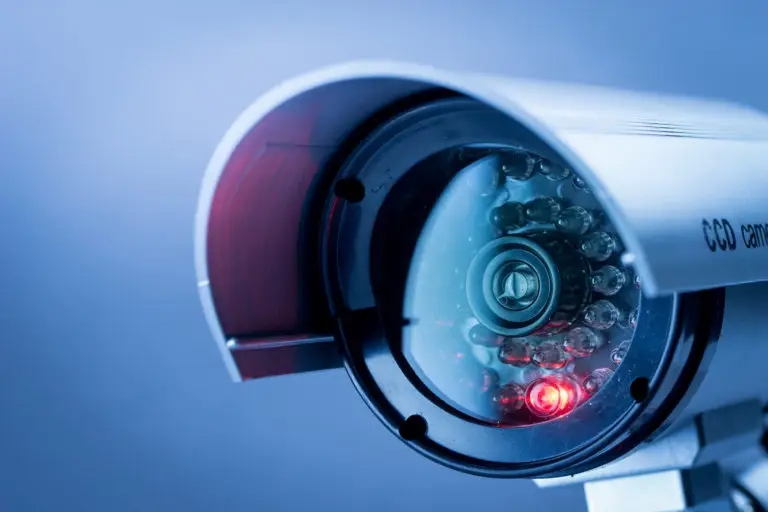
For B2B buyers, the CCTV camera industry in 2026 is not only about higher resolution or smarter features. It is more about choosing products that match real project needs, channel resale plans, long-term supply, and after-sales expectations. Before making purchasing decisions, buyers need to look at what CCTV cameras actually mean in a business procurement context.
What CCTV Camera Means for B2B Buyers
“CCTV camera” is short for “Closed-Circuit Television Camera.” In old projects, people often used it to describe cameras connected to a local screen or recorder. In today’s export business, the meaning is wider.
That is why CCTV camera market trends in 2026 are not only about one product type. It is about how buyers build a product line that can serve homes, shops, farms, warehouses, factories, parking areas, and temporary job sites. For distributors and project contractors, the main question is simple: which camera type can sell well, install smoothly, and stay stable after delivery?
Main CCTV Camera Categories in 2026
Analog CCTV Cameras and IP Cameras
Analog CCTV cameras are still used in some price-sensitive projects or old system replacements. They are easy for installers who already work with coaxial cables and DVR systems. Still, many new projects are moving toward IP cameras because they support network viewing, higher image quality, app connection, and easier system expansion.
IP cameras also fit the current CCTV camera market trends of 2026 better. Buyers can choose WiFi, PoE, 4G, NVR connection, cloud storage, or app-based viewing. The product is easier to match with different channels.
Wired, Wireless, PoE, and Solar CCTV Cameras
Wired cameras are still useful for fixed buildings where cabling has already been planned. PoE cameras are a good choice for contractors because one network cable can handle power and data. Wireless cameras are better for small shops, houses, light commercial use, and sites where wiring is not easy.
Solar CCTV cameras are getting more attention because many outdoor points are far from power access. Farms, warehouse perimeters, parking lots, construction sites, and remote gates often need flexible installation. A good solar camera should not only have a solar panel. Buyers also need to check battery size, low-power design, waterproof rating, night vision, bracket strength, and app stability.
4G, WiFi, PTZ, Bullet, Dome, and Multi-Lens Cameras
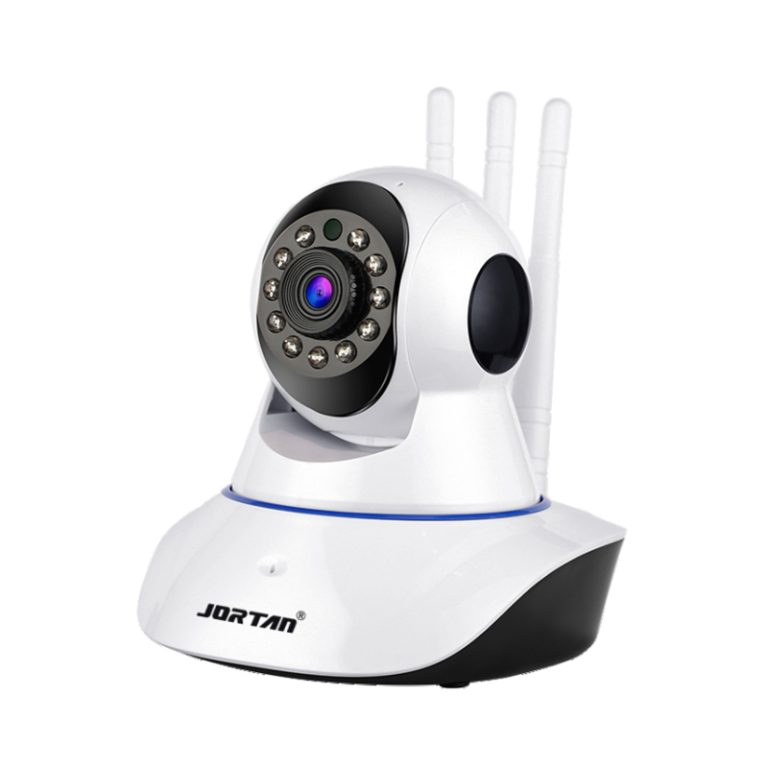
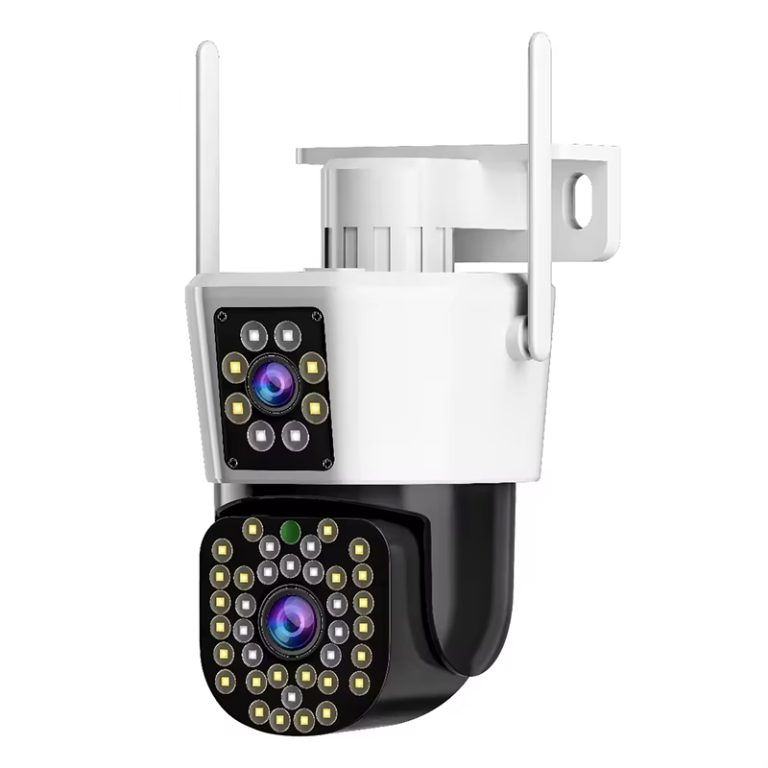
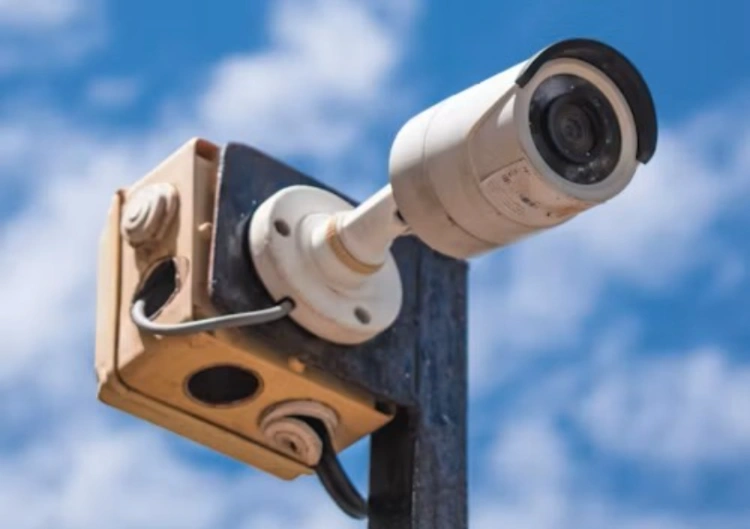
A WiFi camera works well where the network is stable. A 4G camera fits outdoor places without fixed internet. PTZ cameras are useful when one point needs a wider viewing range. Bullet cameras are common for outdoor walls and entrances. Dome cameras are better for shops, corridors, and semi-public spaces. Multi-lens cameras can help cover wider areas or combine fixed and moving views.
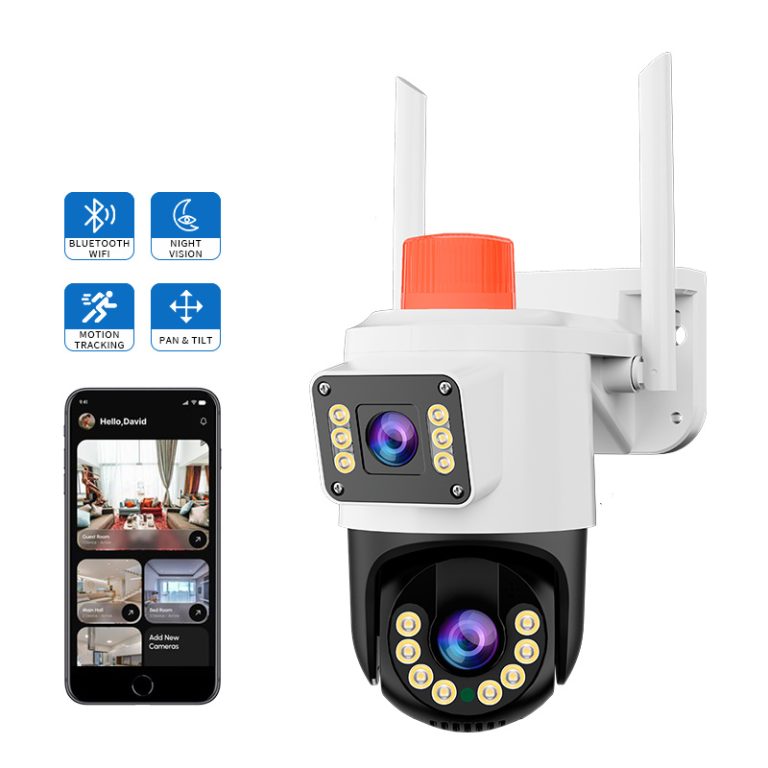
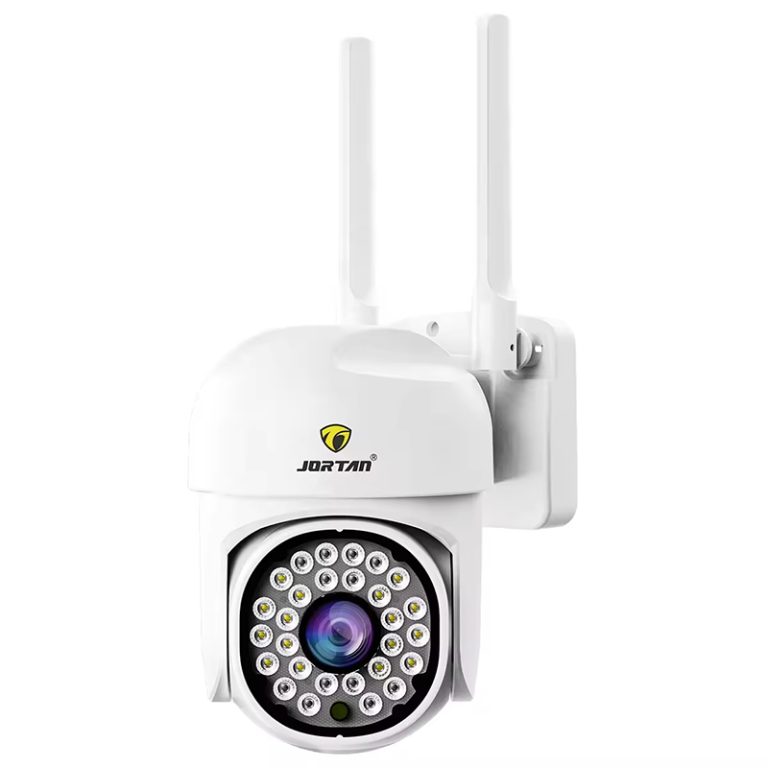
Jortan’s product page shows several types that match these buying needs, including IP Camera, Monitoring Package, and Solar Camera categories. For example, JT-9687PRO is listed as a dual-lens outdoor WiFi security camera with two-way audio, color night vision, motion detection, an IP66 waterproof design, and solar camera-related features. JT-8698PRO is shown as a 4MP dual-lens PTZ WiFi camera with AI tracking and alarm light. These are practical examples for buyers comparing CCTV camera market trends in 2026 with real product selection.
Front-End Technologies That Affect Competition
AI Detection and Motion Tracking
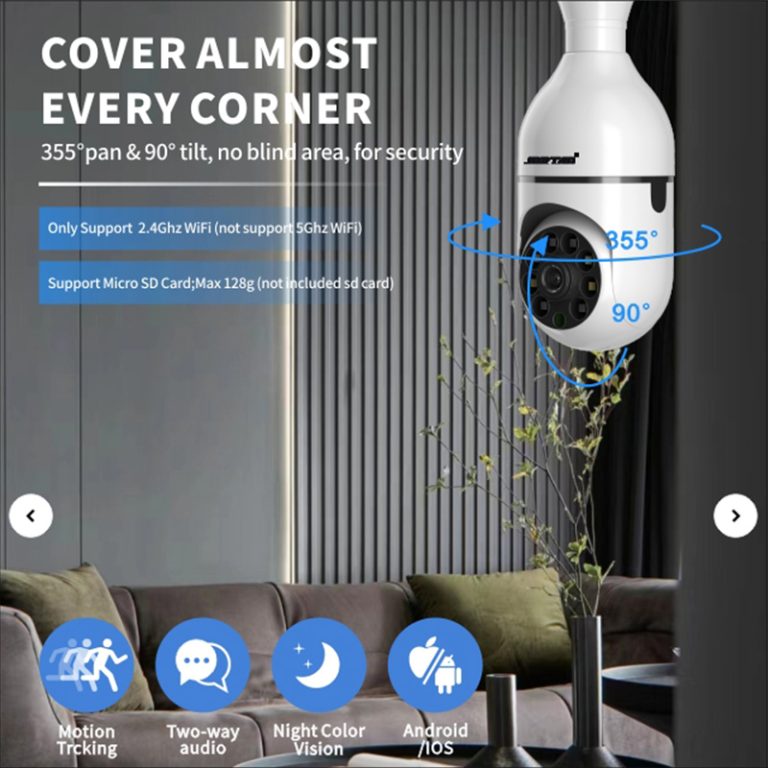
AI human detection, vehicle detection, and motion tracking are now common selling points. For B2B buyers, the value is not the word “AI” itself. The value is fewer useless alerts, faster event notice, and clearer site records.
Before placing a bulk order, ask for sample testing. Check whether the camera can detect people and vehicles correctly in daylight, low light, rain, and backlight. Do not decide only from a short demo video.
Night Vision and Image Detail
Night vision is another strong part of CCTV camera market trends in 2026. Buyers now compare infrared night vision, full-color night vision, dual-light design, and low-light image detail. A product with higher pixels is not always better if the lens and sensor are weak.
For outdoor projects, sample testing should include license plates at close range, people moving at night, corners with weak light, and wide areas such as yards or farm roads. The result will tell more than a long spec table.
App, Storage, and System Fit
App experience affects return rates. If pairing is difficult, alarm messages delay, or multi-user viewing is unstable, distributors will face more support work after sales. Buyers should check app language, remote viewing, SD card storage, cloud storage, NVR fit, and firmware update support.
Jortan’s product listings include models linked with apps such as ICSEE and Yoosee, and its OEM/ODM service also includes APP customization. This is worth checking for private label buyers who need a clearer user flow for their own market.
How B2B Buyers Should Plan Procurement
Do Not Build the Whole Line Around One Camera
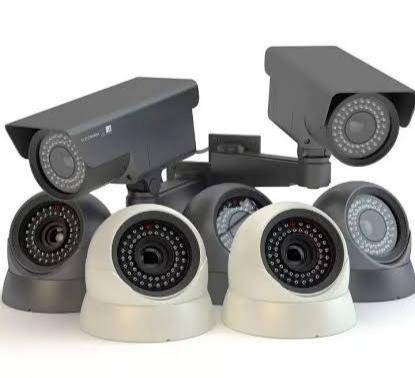
A distributor may need entry-level WiFi cameras for retail, PoE or IP cameras for installers, solar cameras for outdoor jobs, and 4G cameras for sites without fixed internet. This mixed buying plan fits CCTV camera market trends better. It also spreads risk. If one market segment slows down, another product group may still move.
Check MOQ, Lead Time, and Reorder Stability
For bulk orders, confirm MOQ, sample time, mass production lead time, packaging cost, spare parts, and whether the main parts will stay the same for repeat orders. Camera buyers care a lot about batch consistency. Different lens parts or firmware versions in later shipments can create trouble for installers and after-sales teams.
Ask the supplier what can be kept stable: sensor, chipset, lens, housing, battery, solar panel, bracket, app version, carton design, and manual.
Match Products with Real Project Scenarios
For farms and rural perimeter projects, look at 4G connection, solar charging, night vision, and battery life. For construction sites, check quick installation, motion alerts, remote voice warning, and whether the camera can be moved to the next site. For warehouses and parking areas, focus on image clarity, alarm accuracy, storage, and multi-user viewing.
Supplier Selection and Customization
OEM and ODM Capability Matters
ODM is suitable when buyers want ready products, faster delivery, and lower development costs. OEM is better when a brand wants deeper product changes, different appearance, app work, packaging design, or special configuration.
Jortan’s OEM/ODM service supports logo customization, customized packaging boxes, color customization, product appearance customization with mold opening, and APP customization. They also describe a production chain covering injection molding, chip processing, camera assembly, packaging, and shipment. For private label brands, this kind of service can help turn a normal CCTV camera into a product that better matches the sales channel.
Quality Check Before Bulk Orders
A supplier should have aging tests, function tests, waterproof tests, appearance checks, and packing inspection. Buyers should also keep approved samples. Later, when a repeat order arrives, compare the sample with the new goods. Check image color, night vision, shell finish, lens angle, app version, label position, and accessories.
FAQ
Q1: What CCTV camera types should a distributor buy in 2026?
A1: A distributor should usually combine WiFi cameras, IP cameras, PoE cameras, solar CCTV cameras, 4G cameras, and selected PTZ or multi-lens models. A mixed line is safer than relying on one model because different customers buy for different sites.
Q2: What parameters matter most when comparing CCTV cameras?
A2: Start with image quality, night vision, network type, storage method, waterproof rating, app experience, power supply, and working temperature. For solar models, also check battery capacity, solar panel size, charging speed, and low-power performance.
Q3: What should buyers ask about MOQ, installation, and after-sales?
A3: Ask about MOQ for logo printing and packaging, sample lead time, bulk lead time, spare parts, warranty, firmware updates, and technical support. For installation, confirm bracket type, mounting method, cable needs, app setup steps, and whether manuals can be supplied in the target market language.