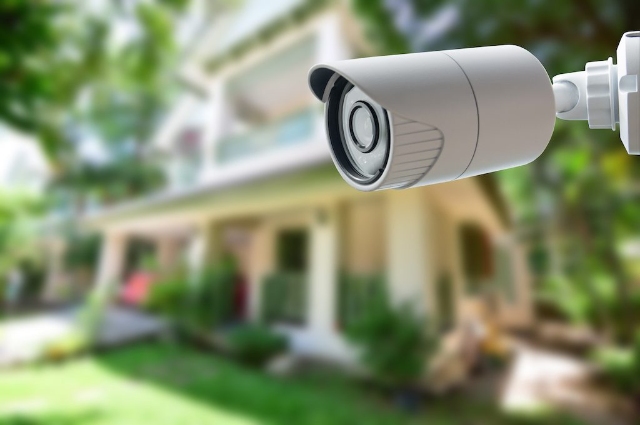
Outdoor wireless security cameras have recently become a practical option for many users. The cameras are very flexible, as they can be installed in any place, they can be monitored from anywhere, and they are very easy to extend with more cameras. How the cameras work will give you a better insight into whether the investment in a wireless outdoor security camera is worthwhile for monitoring your home, business, or garden.
Understanding Outdoor Wireless Security Cameras
With no need for cables running round the exterior of your home or business, wireless security cameras for outdoor use provide a flexible, effective means of securing your property. Combining the latest developments in imaging and communication with AI-powered functionality, a high-class outdoor wireless security camera is able to effectively deliver effective surveillance in even the most open of areas.
Key Features That Define Outdoor Security Cameras
Durable construction is a critical aspect for outdoor surveillance cameras. Such cameras are designed to function through rain, dust, heat, and cold, so it’s very important to ensure that the image quality will not degrade during harsh environmental conditions.
Camera resolution is key to picking out individual details such as faces and car number plates. Wide outdoor areas are best covered by high-quality cameras such as 4K. Good night vision is also important, and there are two types of this feature, infrared and color. They allow for great images to be captured in low light. In addition to this, motion detectors are highly efficient, as they only record when there is movement.
The convenience of wireless solutions is defined by the connectivity of wireless devices. A wireless network camera is a type of network camera that transfers video signals through a wireless network. There are two types of them: WiFi wireless network cameras and network cameras that use 4G/5G wireless communication signals from mobile operators.
The Importance of Long-Range Connectivity in Outdoor Surveillance
Incorporating long-range connectivity into a surveillance system is crucial for monitoring a large property like a farm or industrial site. The strength of long-range connectivity is largely determined by the quality of an antenna and compatibility with a router. Using a dual-band router (2.4GHz and 5GHz) may provide better stability for long-range connectivity. However, connectivity can be negatively affected by the strength of signals passing through walls and trees.
Evaluating Performance Criteria for 2026 Outdoor Cameras
Image Resolution and Low-Light Capabilities
High-definition imaging is a critical component for gathering evidence of high quality. 4K sensors and high dynamic range (HDR) processing are now the norm in the market for enhanced imaging. Outdoor scenes shot in driveways or gardens, for instance, can have varying lighting conditions, and balancing them for great viewing is key.
Battery Life and Power Management Technologies
Power efficiency is a key factor of wireless solutions and can be far more convenient over time than traditional surveillance solutions with wires, such as most surveillance cameras. Wireless, battery-powered cameras are designed with easy-to-remove lithium batteries with ultra-long standby time and low power consumption.
The solar panels are another sustainable innovation that continuously charges the device as it is exposed to sunlight. Smart power-saving modes automatically adapt to the frequency of motion detection in order to maximize time in operation while avoiding waste of energy.
Data Security and Privacy Considerations
Security is not just about the physical security of people and equipment but also about securing digital data streams. Live streams are protected by end-to-end encryption so that no unauthorized party can intercept them during the live stream. Local storage on TF cards on the camera helps to prevent dependency on cloud services and ensures privacy protection. Multi-factor authentication also protects against account hacking when using remote feeds in mobile apps.
Comparing Leading Wireless Outdoor Cameras of 2026
Top Models with Extended Range Capabilities
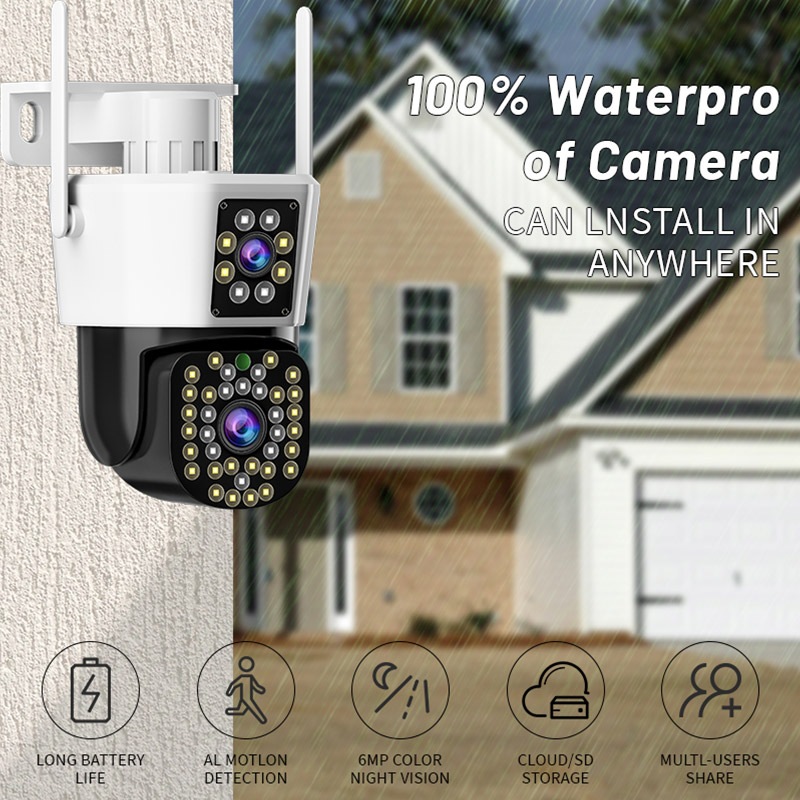
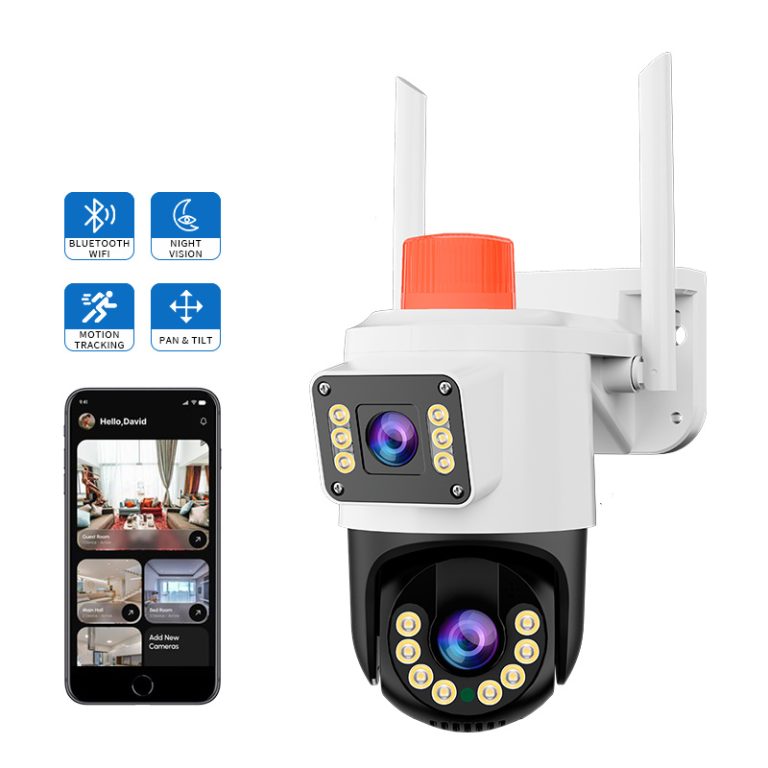
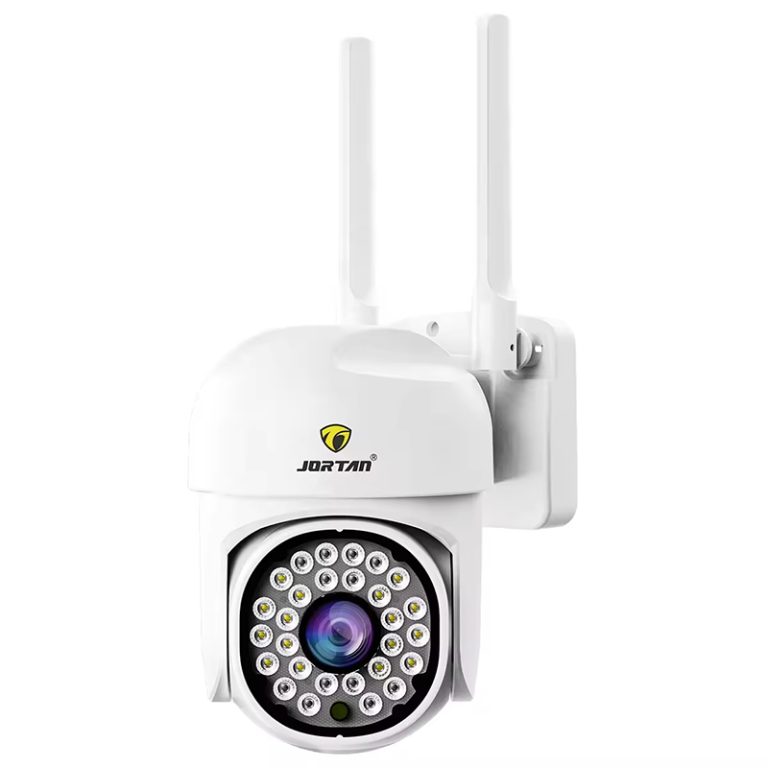
For wide outdoor coverage, the JT-8293QJ is suitable for yards, gates, parking areas, and exposed outdoor spaces. It supports dual-lens viewing, auto tracking, color infrared night vision, two-way audio, and IP66 waterproof protection.
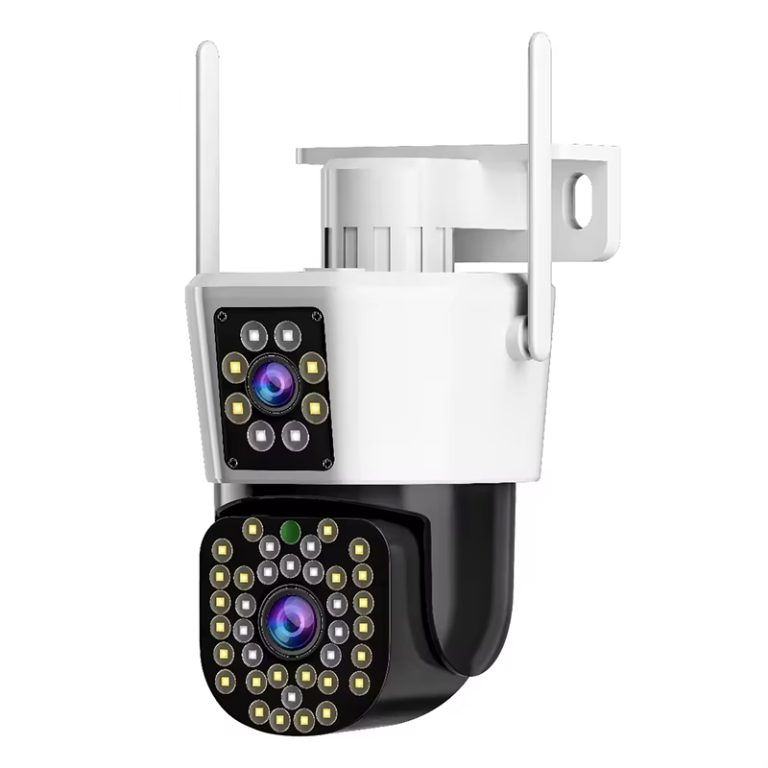
For flexible wireless access, the JT-9697QJ fits locations where wiring is difficult. Its SIM card wireless network design, dual-lens structure, two-way audio, and outdoor PTZ coverage make it useful for remote entrances, farms, and larger outdoor areas.
Innovations in Smart Detection and AI Integration
Object Recognition and Motion Tracking Features
Intelligent motion detection has come a long way thanks to the latest artificial intelligence. Motion detection now accurately identifies people, cars, pets, and other moving objects while excluding unwanted objects such as a swaying tree branch from triggering a recording. In addition, objects are continuously tracked and kept at the center of the screen for as long as they are in the frame. No manual intervention required.
Integration with Smart Home Ecosystems
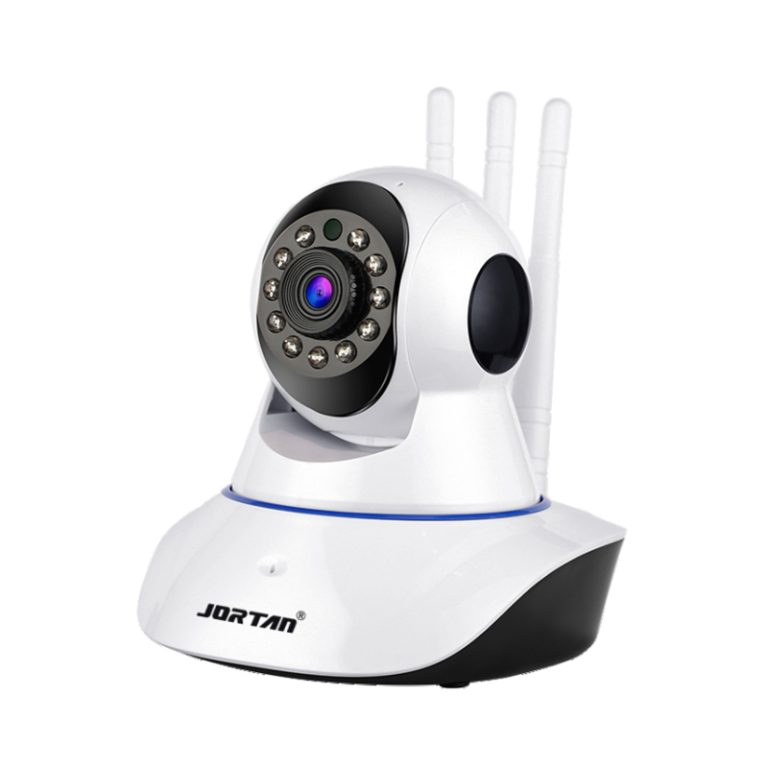
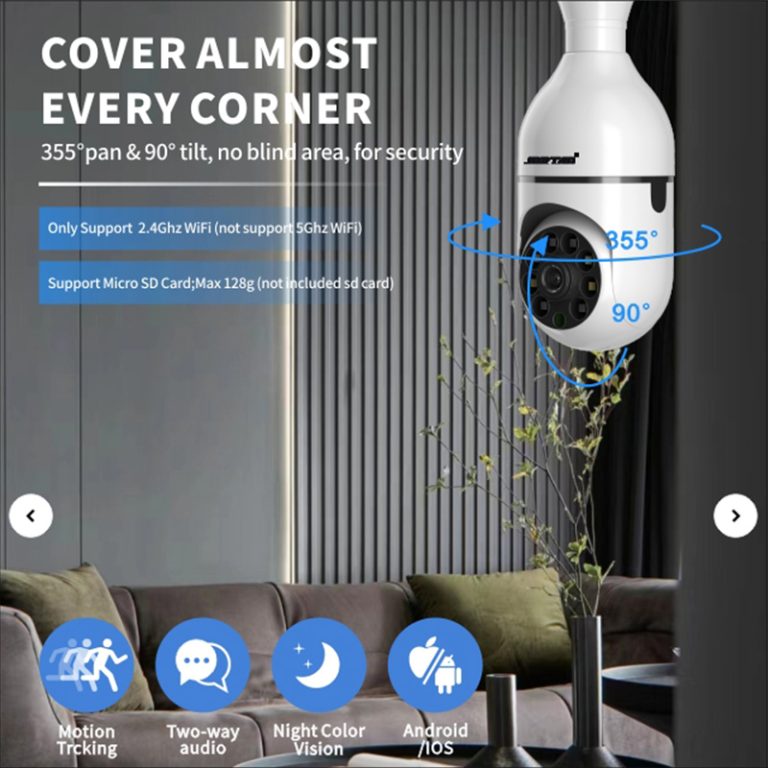
Modern wireless outdoor cameras are becoming easier to connect with broader smart home systems. Many Jortan camera solutions support mobile app control, remote live viewing, motion alerts, and cloud or TF card storage, allowing users to manage security from one place. Some smart camera setups can also work with voice assistants such as Alexa or Google Home, making daily monitoring more convenient for homes, shops, and small business spaces.
Installation and Maintenance Insights for Long-Term Reliability
The monitoring system needs to be installed correctly to work well. If you put cameras at the entrance points of your home, you will have a complete view of everything that is happening. This means you will not have any spots around the outside of your house or your driveway.
When you put your monitoring system in a place, it is harder for someone to mess with it. You can also see more of what’s going on. This is really important for parking lots and courtyards.
When you do maintenance tasks, your products will work well for a long time. For instance, if you update the firmware on your camera, it will be safe from security threats. If you clean the lenses on your weather camera after a big rain, it will remove any blurry pictures caused by dust or water on the camera lenses.
Future Trends in Outdoor Wireless Camera Technology Beyond 2026
New innovations will revolutionize the functioning of outdoor security systems in the next decade. With the advent of Wi-Fi 7, data transmission rates will be increased to enable smooth ultra-high-definition streaming without latency even over long distances. Also, energy-efficient chips will enable increased battery life on security devices with adequate computing power to support on-board AI analytics.
The way that artificial intelligence functions within financial crime detection is expected to change from ‘reactive detection’ to the use of ‘predictive analysis,’ which will provide alerts to potential risks in the future, having observed behavioral patterns over time.
FAQ
Q1: How are long-range outdoor wireless cameras any different from normal wireless cameras?
A1: Long-range wireless cameras have enhanced antennas, or they are part of a mesh network. They maintain the wireless connection over a long distance, where a normal Wi-Fi connection may lose signal due to interference or barriers of structures.
Q2: Are these outdoor wireless security systems secure against hacking?
A2: Yes! These wireless outdoor security systems use end-to-end encryption protocols and include optional local storage. So even when you are watching the video remotely, there is no possibility for hackers to invade and obtain your video content.
Q3: Which brand offers reliable long-range outdoor wireless solutions?
A3: Products such as Jortan’s wireless security cameras are designed with extended Wi-Fi coverage and are weatherproof to ensure the best outdoor wireless solution for home perimeter surveillance in 2026 and later.