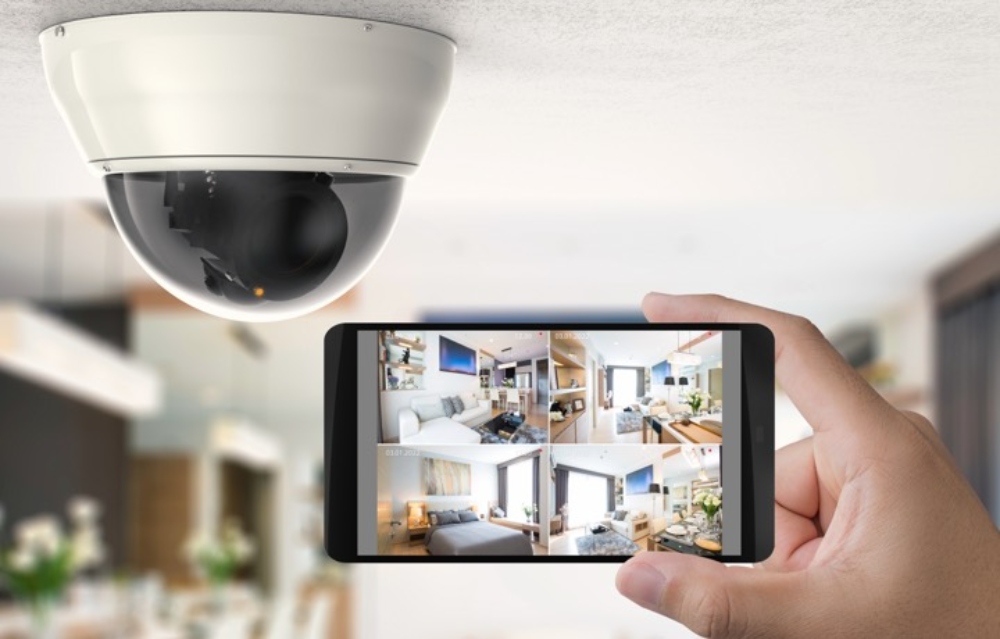
Indoor smart cameras in 2026 go beyond basic recording tools. They blend sharper video, clever motion sensing, app notifications, and strong privacy options. These help people watch their homes more effectively. To pick the best one, it’s helpful to see how these cameras have changed and which features count most now.
The Evolution of Indoor Smart Cameras in 2026
The market for indoor smart cameras in 2026 keeps growing quickly. This happens thanks to progress in artificial intelligence, better imaging tech, and what buyers want for privacy and easy setup. Better chips, software, and networks push security cameras from expert use into everyday homes. More WiFi cameras now join family spaces.
Technological Advancements Defining the 2026 Smart Camera Market
Motion sensing and face identification now appear in most home security cameras. These tools spot family, pets, and guests with great accuracy. Improved sensors give better views in low light and handle high dynamic range well. This means clear pictures no matter the light. Lately, the smart camera field has boomed. More homes and offices see how vital these devices are for safety, watching from afar, and other tasks. Links to systems like Alexa, Google Home, and Apple HomeKit grow wider too. This lets users control everything easily with voice or phone apps.
Market Trends and Consumer Expectations
Buyers now focus more on privacy tools such as safe cloud saving and on-site recording choices. Small shapes that fit home styles are popular. People want devices that look good and work well. Models without monthly fees draw big interest. Users like full features without extra costs. As smart home parts, these cameras grab real-time pictures from inside. They also use advanced tech to study and handle that data. In turn, they offer varied help to owners.
Key Features to Consider When Choosing an Indoor Smart Camera
Picking the top indoor Wi-Fi smart camera means weighing video clarity, smart sensing, steady links, and safe data handling.
Image Quality and Field of View
Clear resolution like 2K or 4K proves vital for close-up indoor watching. Broad lenses cut down on unseen areas by scanning whole rooms well. Night vision that adjusts keeps things sharp in faint light. Together, these traits boost awareness for those checking on kids or older family from a distance.
Smart Detection Capabilities
Today’s smart cameras use AI methods to tell people, animals, and items apart. This cuts down on wrong alerts. A main use in home safety involves spotting break-ins and sounding warnings. If a camera sees an unknown person in a set zone, it sets off an alarm right away. Owners can set alerts by time or spot and link to voice helpers for easy use without hands.
Connectivity and Storage Options
Wi-Fi on two bands boosts steady video flow over different networks. Buyers need to check cloud saving against local options based on ease of use and future expenses. With the app download, people can view their work spots or homes from anywhere at any time. Phone apps give quick notices for odd events.
Evaluating Privacy and Data Security in Smart Cameras
As linked gadgets get smarter, keeping user privacy keys is crucial. Makers must use tough encryption rules and clear data ways.
Encryption Standards and Data Protection Measures
Full encryption secures data flow from devices to cloud spots. Extra steps like two-part login block unwanted entry tries. In the end, the smart camera world grows fast, but it deals with issues in tech, sales, safety, and price. It needs joint efforts from many sides to move from simple smarts to advanced ones. Firms that explain footage handling well build better trust with users.
User Control Over Recorded Footage and Access Permissions
Settings for how long to keep videos let owners decide for local or online spots. Access based on roles allows sharing just with certain family or visitors. This works great for homes wanting flexible but safe control.
Jortan’s 2026 Indoor Smart Camera Lineup: Professional Recommendations
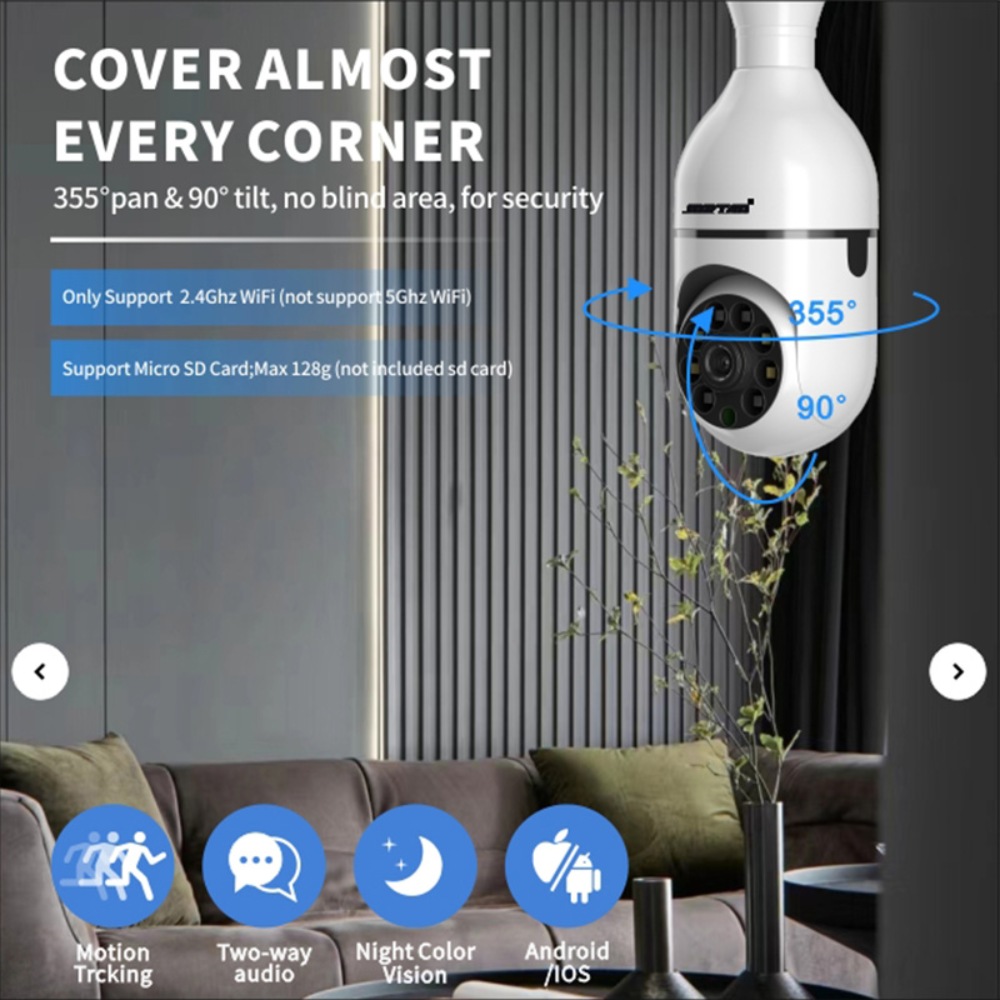
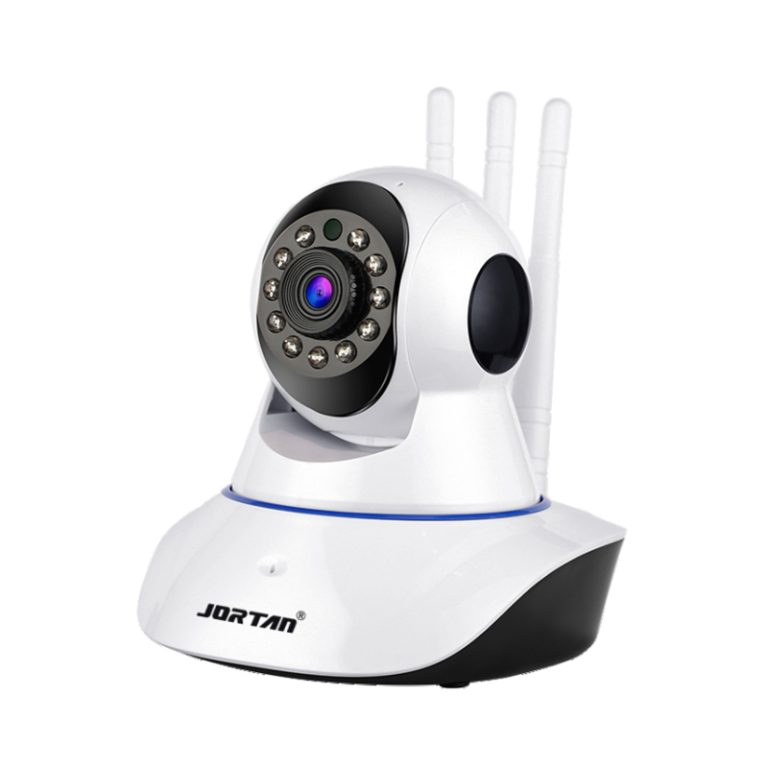
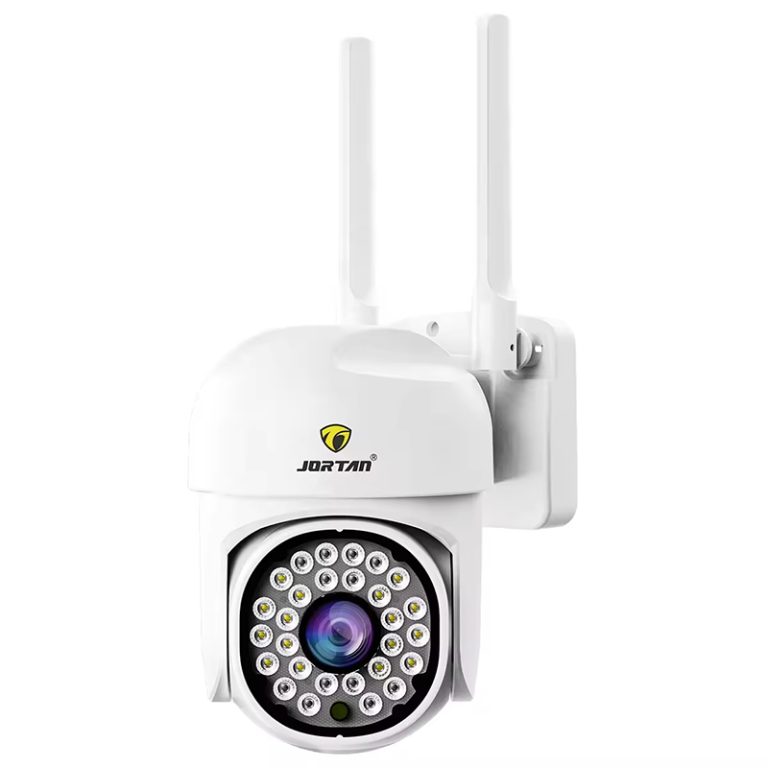
Jortan’s newest set shows where new ideas meet real use in today’s homes. It features two key models : JTZ-160B and JT-8177 Bulb Camera.
Jortan JTZ-160B – Smart Indoor Camera for Daily Home Security
This indoor camera offers 2MP video, night vision, app access, and cloud or memory card storage. It supports motion detection, human motion tracking, sound detection, face recognition, and people counting. With two-way audio and a built-in microphone, it is suitable for home rooms, family monitoring, and everyday indoor security.
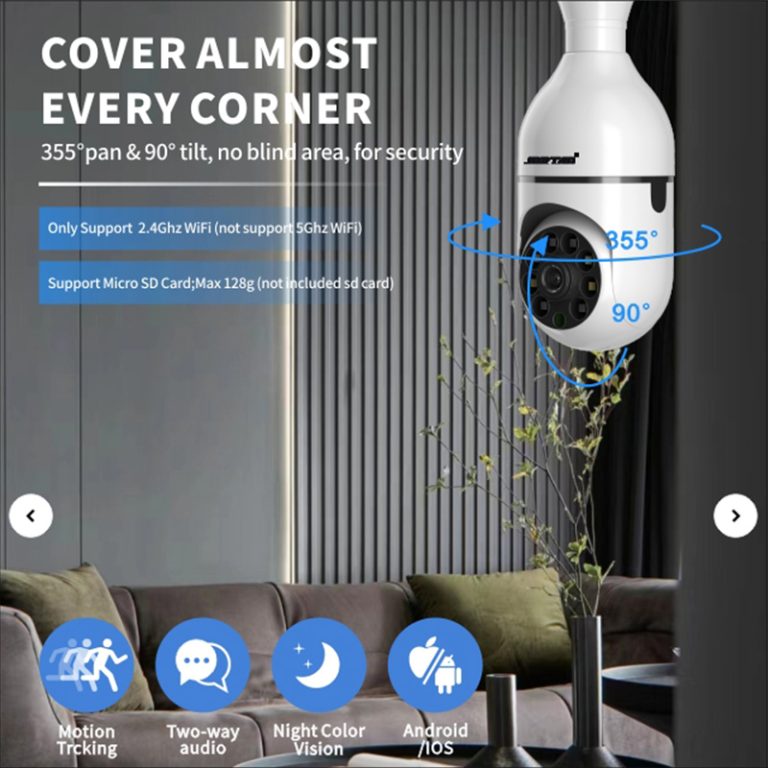
Jortan JT-8177 Bulb Camera – Wide Indoor Coverage with E27 Design
This bulb-style indoor camera uses an E27 light design, making it easy to install without extra space. It supports 1080P video, WiFi, pan-tilt control, two-way audio, motion detection, color night vision, TF card storage, and cloud storage. Its 355° horizontal and 90° vertical rotation helps cover wider indoor areas such as living rooms, corridors, or small shops.
Matching Smart Cameras to Different Home Security Needs
Various homes have special watch needs based on daily life or setup.
For homes with kids or older folks, phone-based live views bring calm all day. Two-way sound helps fast talk across rooms or levels in urgent times or normal days.
Those with pets gain from clips started by movement that follow pet actions all day. AI spotting lowers alerts from funny pet moves.
Flat dwellers often pick small units like Jortan Compact Cam for video kept on site, not outside servers. Movable privacy covers add sure hiding when not in use.
Future Directions in Indoor Smart Camera Development Beyond 2026
Beyond 2026, indoor smart cameras will become more connected, faster, and more privacy-focused. By linking with wider home automation systems, they can respond automatically to changes in light, unusual movement, or possible security risks.
Edge computing will also play a bigger role. Instead of sending every action to the cloud, cameras can process more data directly on the device. This reduces response delays, improves real-time alerts, and helps protect user privacy.
Green design will become another important trend. Future indoor cameras may use more energy-saving components and durable materials, allowing long-term operation with lower power use while still keeping stable monitoring performance.
FAQ
Q1: What makes Jortan’s indoor smart cameras useful for home security?
A1: Jortan indoor models like JTZ-160B and JT-8177 support motion detection, night vision, two-way audio, app viewing, and smart recognition features, making daily home monitoring easier and more convenient.
Q2: How do smart cameras help families monitor elderly members safely?
A2: For homes with older people, smart cameras aid care a lot. With action spotting, they watch daily routines. This sends quick notices for unusual moves. It helps give fast aid when needed most via phone alerts tied to family devices, like those from Jortan items.
Q3: What should I check before purchasing multiple indoor Wi-Fi smart cameras?
A3: Buy several cameras to cover all watch zones as required. Think about using linked apps for far-off control while doing regular upkeep to ensure steady work across your network plan.