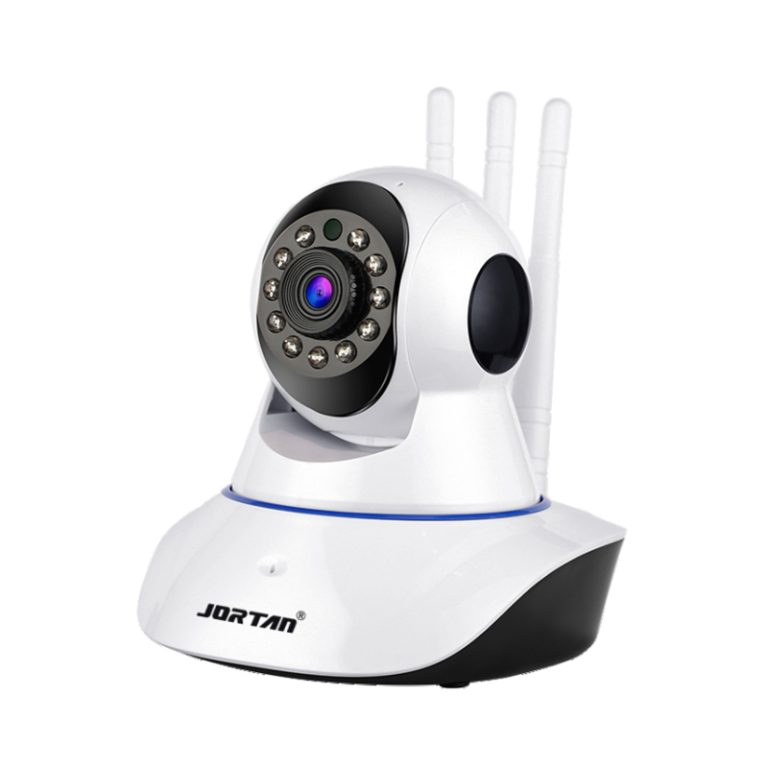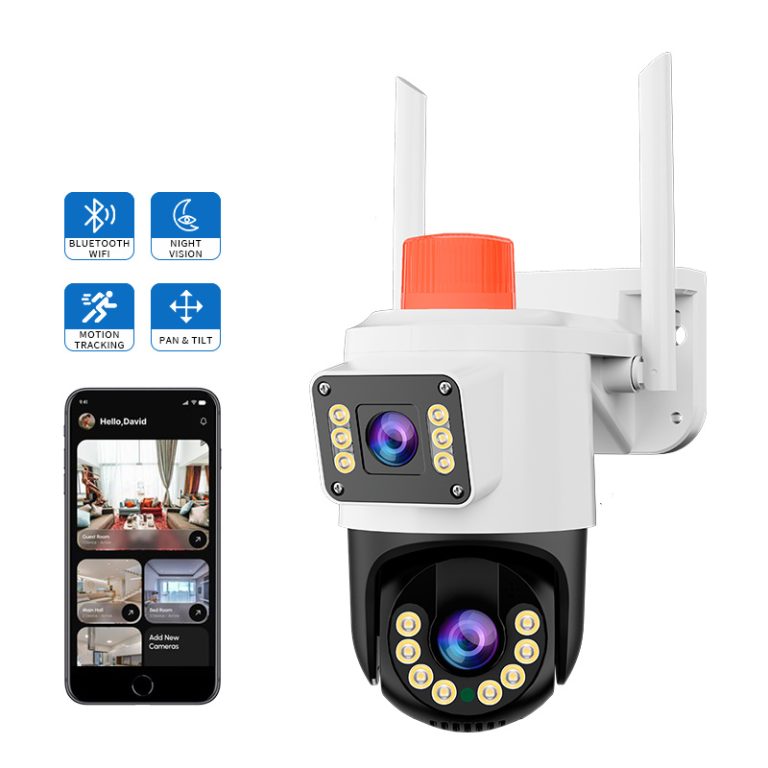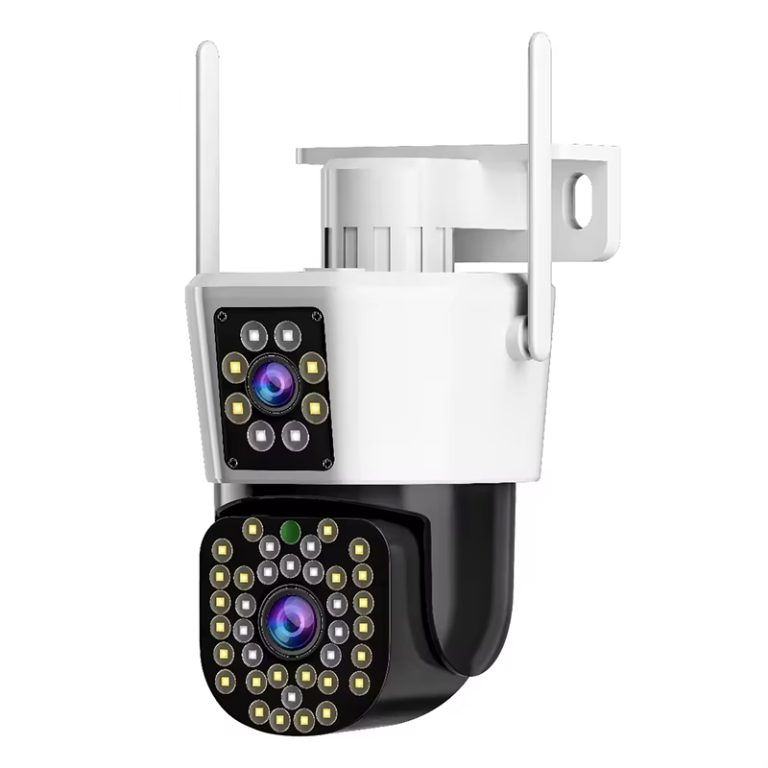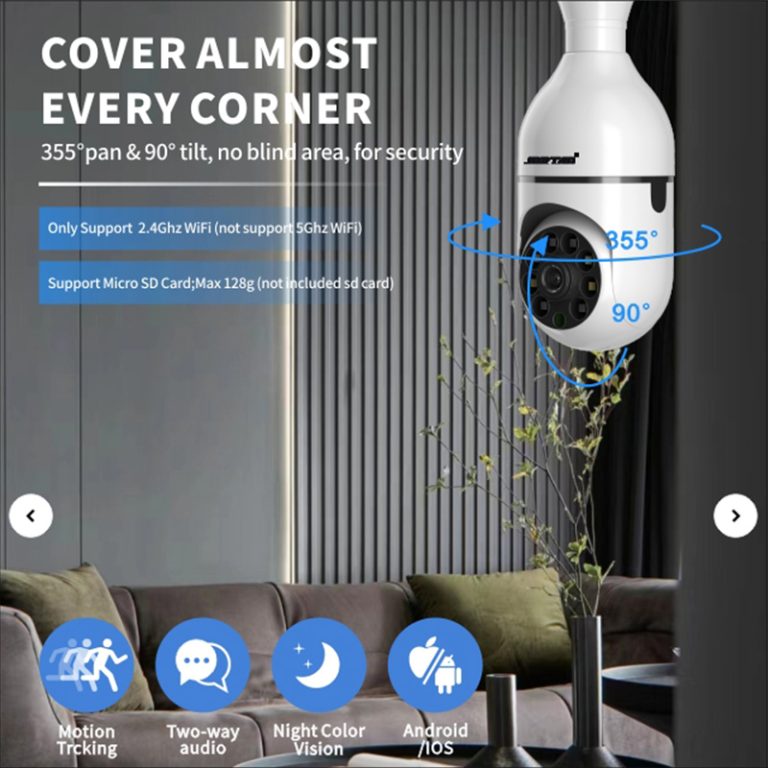

In 2026, smart cameras are growing more personal, useful, and focused on security. Motion detection stands out as a key feature now. It helps people notice odd activities fast, cut down on wrong alerts, and handle home or business safety with ease. Before picking a top-rated smart camera, it’s smart to check the trends driving this tech.
Emerging Trends in Smart Camera Technology for 2026
The smart camera field is changing quickly. It mixes artificial intelligence, edge computing, and IoT links to reshape surveillance and home protection. These changes are influencing how devices spot motion, understand events, and connect with other setups.
Advancements in Motion Detection Capabilities
AI-based motion detection tools are getting smarter. They let cameras tell apart people, pets, and cars with better accuracy. For real-time alarms on movement detection, the setup uses a pro-human detection part. It blends AI tech and methods to block useless alerts well. This cuts down false warnings from things like wind or shadows. Plus, adding cloud-based analysis allows quick threat checks through learning models that adjust to fresh patterns. So, motion detection in 2026 won’t just spot movement. It will also grasp the situation, which makes it a vital part of active security setups.
Integration of Smart Cameras with IoT Ecosystems
Smart cameras act as main points in linked networks today. They connect smoothly with smart home centers and voice helpers. This lets users control many devices from one place. Users can download the app to watch their workplaces and homes from afar, any time and any place. Thanks to this link, cameras swap data with sensors and alarms. That boosts awareness across the whole system. In the end, you get a unified setup where lights, locks, and sensors react lively to motion events that pop up.
Key Features Defining Top-Rated Smart Cameras in 2026
The latest smart cameras stress both clear images and smart analysis. Makers are aiming for sharper pictures while handling tough settings better.
Enhanced Image Resolution and Low-Light Performance
4K resolution is the standard for high-end models. It gives super clear views that grab fine details from far away. Beyond better resolution, strong low-light sensors deliver great sharpness at night. HDR tech also improves image balance. It tweaks exposure between light and dark spots.
Intelligent Tracking and Object Recognition
AI systems now help cameras follow subjects smoothly over frames. They keep focus sharp too. For motion recognition and tracking, the camera spots an object’s movement. Then, it can turn and trail it on its own. It can also snap a photo automatically and send it to the user. Systems that spot known faces or license plates add extra smarts for home or work use. Flexible focus tools make sure moving items stay clear during recordings. This is key for outdoor spots with random action.
Security and Privacy Considerations in Smart Camera Design
As devices get cleverer, keeping user privacy safe is crucial. Makers are adding tougher encryption rules and using mixed processing styles to guard important videos.
Data Encryption and Secure Cloud Storage
Full end-to-end encryption keeps video feeds private during sending and saving. Multi-factor authentication is becoming common for account entry. Cloud Storage: Store videos and images in the cloud to avoid local storage corruption. Following global privacy rules like GDPR builds trust. It ensures clear ways of handling data.
Local Processing vs. Cloud-Based Analytics
To balance quickness and privacy, hybrid processing styles are rising. On-device AI cuts wait times by doing checks right there, without always needing the cloud. At the same time, cloud analysis handles big pattern spotting across devices. That gives useful predictions. This two-way method provides fast replies and full system learning.
Evaluating Performance Metrics for Motion Detection Cameras
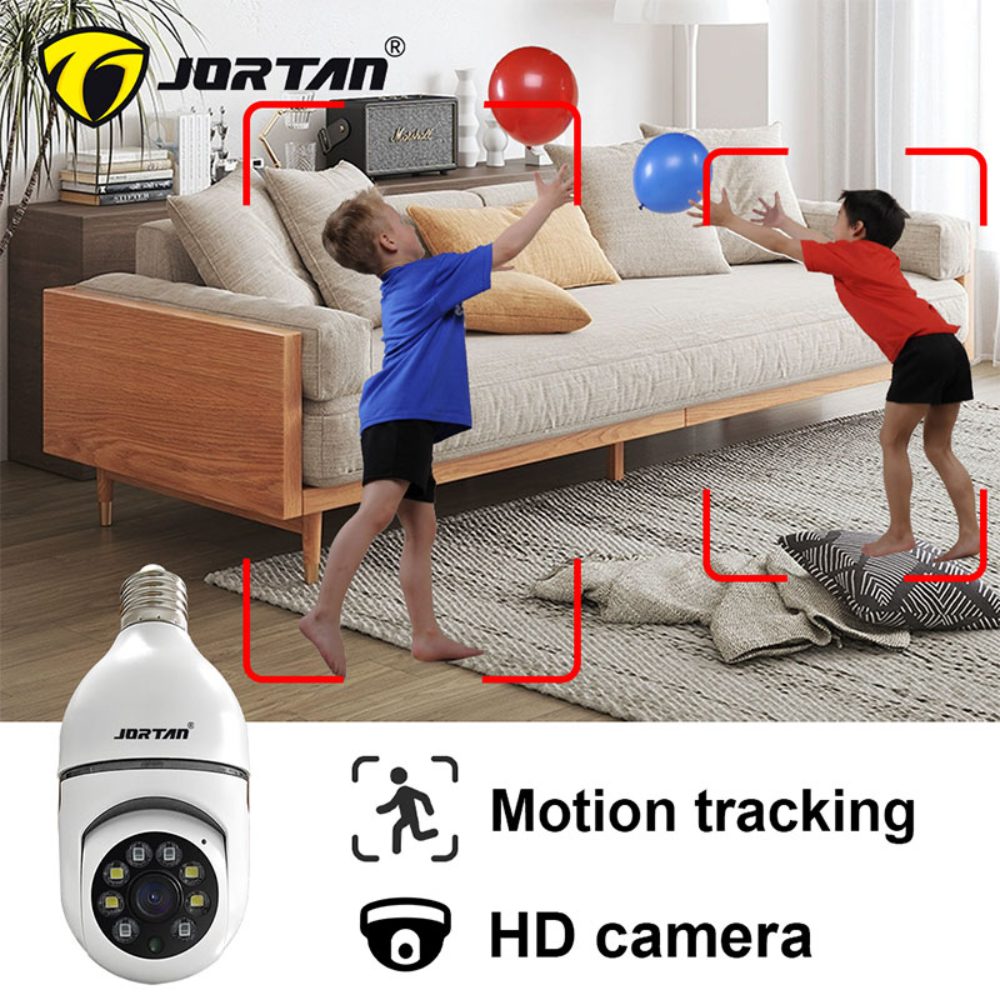
Checking how well modern motion detection systems work goes past basic sensitivity checks. It covers quick responses, flexibility, and efficiency in many settings.
Sensitivity Settings and False Alarm Reduction
Users can adjust sensitivity levels to fit needs, like outdoor light or pet moves. A PIR human body sensor detects infrared light of a specific wavelength emitted by the human body. This detection technology is more sensitive and accurate than ultrasonic, MUTE, and microwave methods. AI filtering also lowers wrong alerts from things like rain or cars driving by.
Response Time and Notification Efficiency
Alerts that come right away through phone apps or smart screens give instant notice of strange activity. Edge computing shortens the gap between spotting events and sending notices to devices. Linking with auto lights or sirens boosts deterrence. They kick in right after motion shows up.
Leading Brands and Models Shaping the 2026 Market Landscape
Competition is heating up worldwide. Both big-name makers and new startups are bringing fresh ideas that change smart surveillance.
Established Industry Leaders Expanding Capabilities
Notable Innovations from Global Manufacturers: Top companies are making devices last longer with software fixes. These add new analysis tools over time. Team-ups with AI experts speed up better ways to recognize behaviors.
Product Lines Dominating the Premium Segment: Multi-camera splicing technology is used in scenarios such as parks and warehouses to achieve 180° ultra-wide-angle coverage. These setups with many sensors remove blind areas. Modular designs let users tweak for home or factory needs.
Emerging Players Introducing Disruptive Technologies
New companies focus on low cost without losing brains. Small models with neural units do advanced checks on the device itself. This cuts the need for paid services or outside servers. Options without subscriptions draw in folks who care about privacy. They want control over local saving.
Future Outlook: The Evolution of Smart Surveillance Beyond 2026
As artificial intelligence grows more, smart cameras will shift from basic watchers to self-run analysts. They can predict choices ahead.
Predictive Analytics and Autonomous Monitoring Systems
Machine learning helps predict movement habits before they happen. This turns watching from just seeing to stopping issues early. In coming setups, self-flying drones might blend with fixed units. That offers wider coverage for big areas with ease.
Sustainability and Energy Efficiency in Camera Development
Caring for the environment is becoming a big part of design. Solar-powered units use less power and keep running in far-off spots. Materials that can be recycled fit with the world’s green rules. This keeps tech growth kind to nature through its whole life.
FAQ
Q1: What makes motion detection more reliable in modern smart cameras?
A1: Advanced AI algorithms now differentiate between humans, animals, and vehicles while filtering out irrelevant triggers such as shadows or weather effects; this approach mirrors how professional human detection modules combine AI technology to effectively filter out invalid alarms.
Q2: Are there any recommended outdoor cameras featuring full-color night vision?
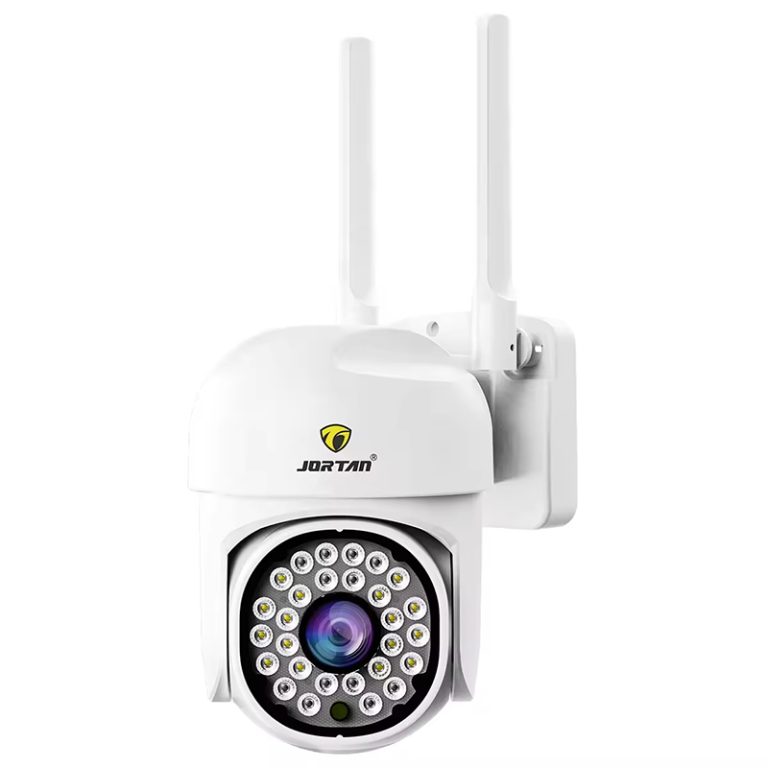
A2: Yes, products like Jortan’s JT-9697QJ offer intelligent full-color night vision modes adaptable for varied lighting environments—ideal for comprehensive outdoor monitoring needs.
Q3: How do IoT integrations improve overall home security?
A3: By linking cameras with other connected devices through unified platforms, homeowners gain synchronized responses—for instance, activating lights when motion is detected—to enhance deterrence effectiveness across their property network.
Q4: Will future smart cameras operate independently of internet connections?
A4: Hybrid architectures combining local AI processing with optional cloud analytics will allow many future models to function autonomously even without constant connectivity while still benefiting from periodic online updates for improved accuracy over time.