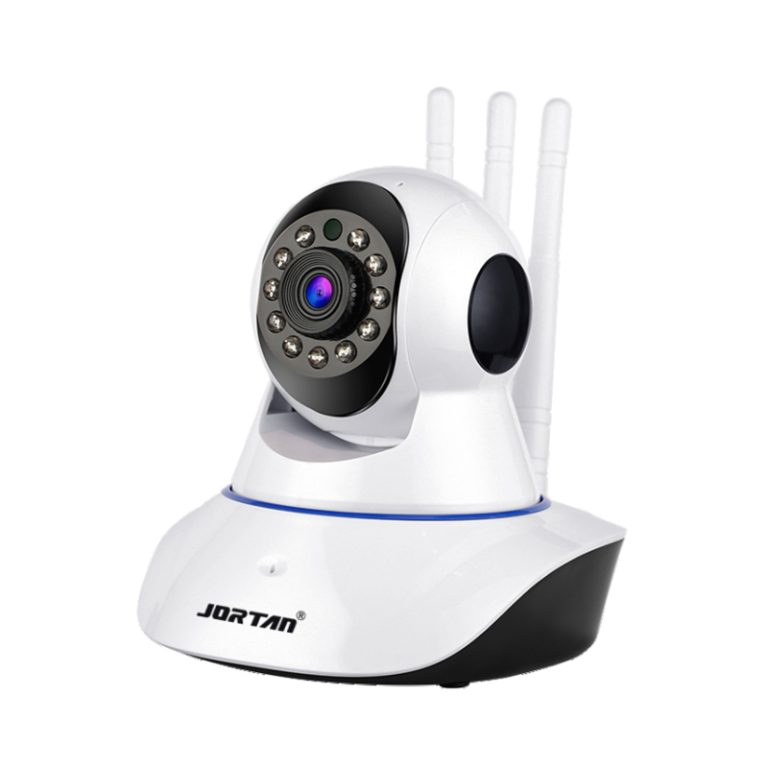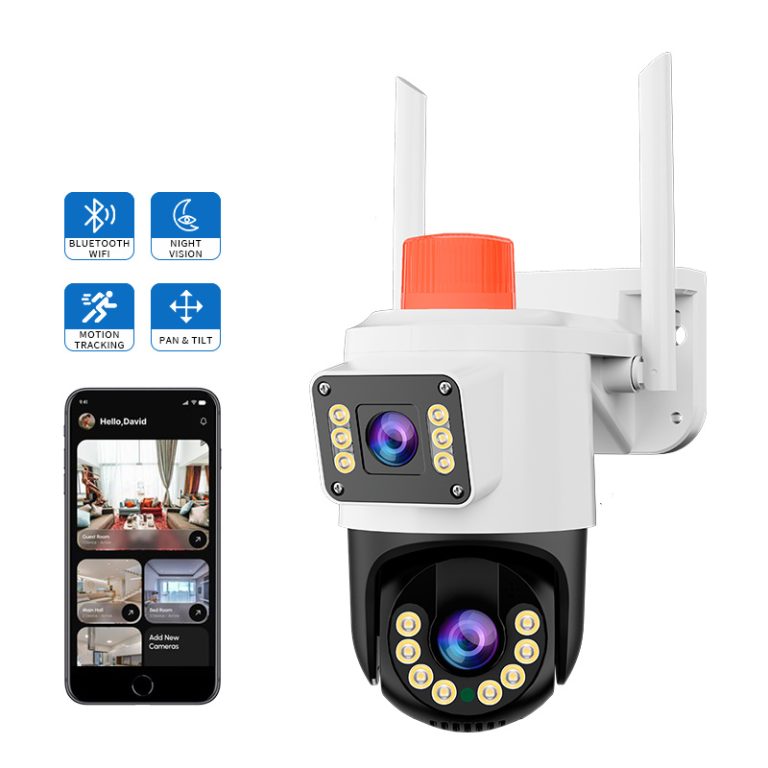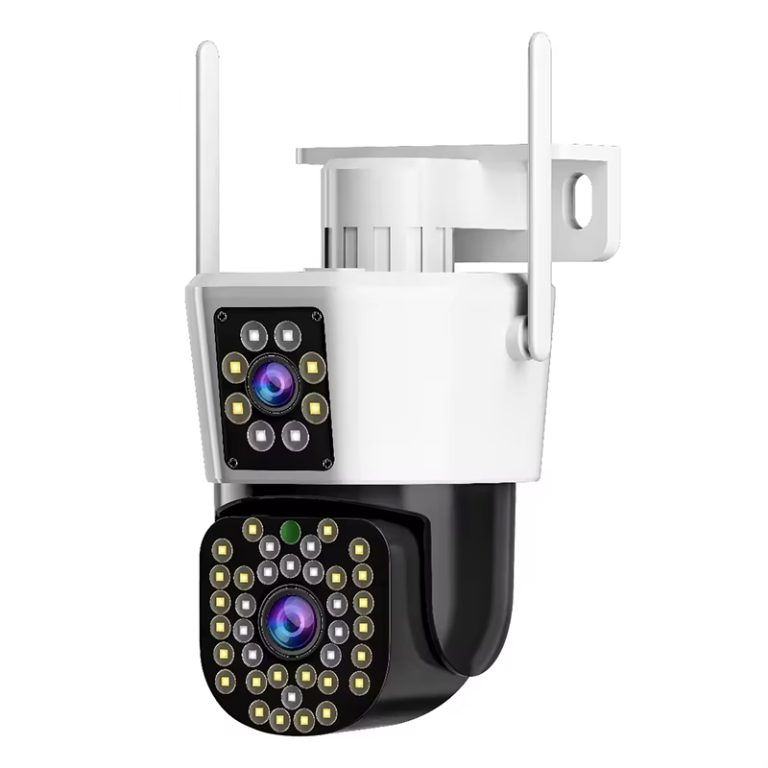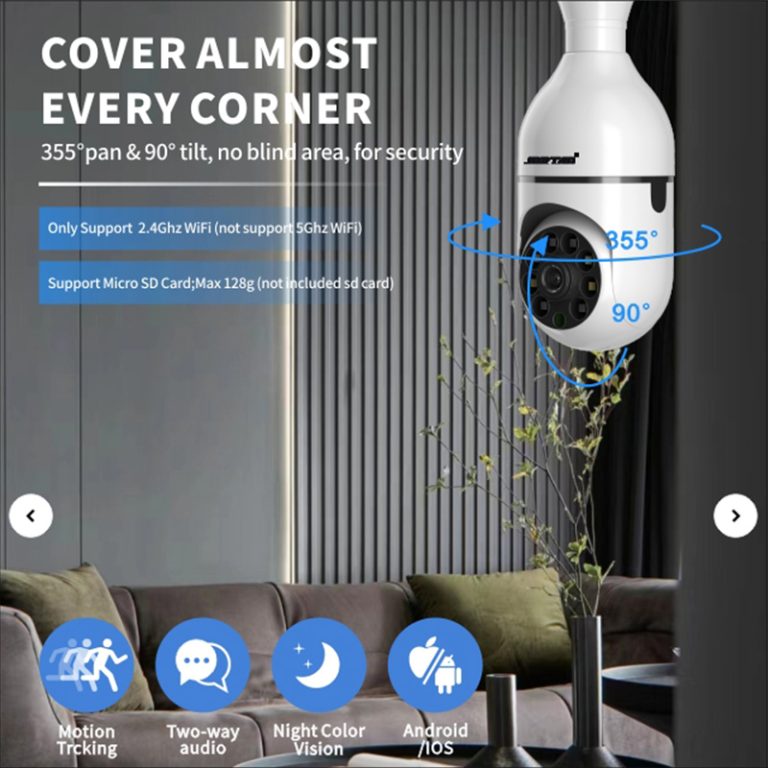
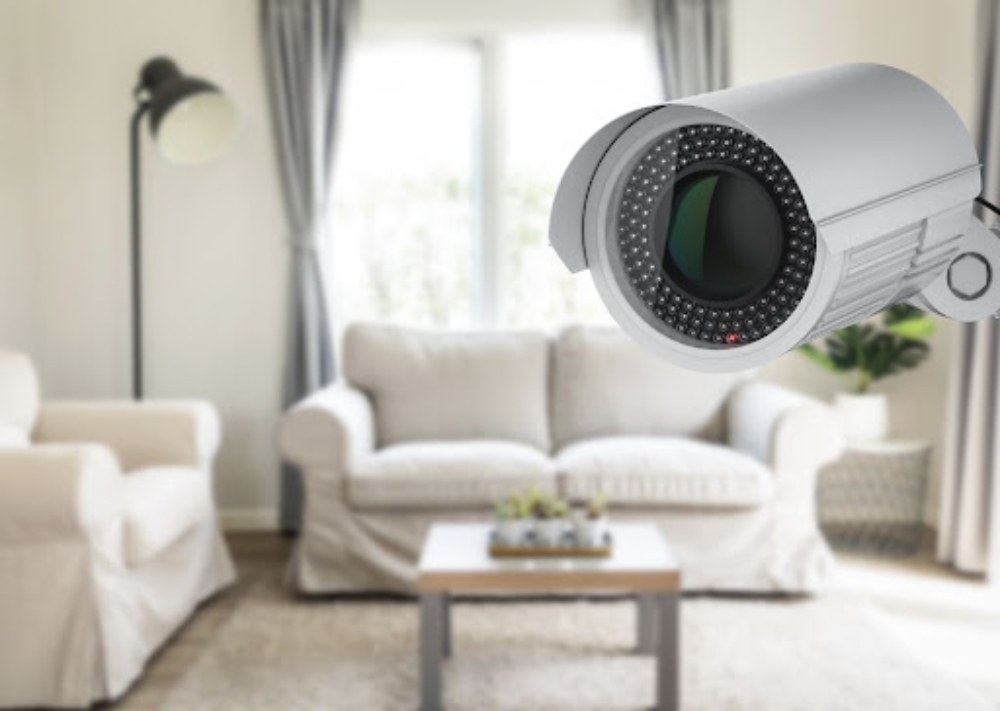
In 2026, picking a smart camera goes beyond just resolution or cost. People now focus more on how a device fits their routine habits, safety demands, living arrangements, and privacy hopes. Knowing the core traits of these cameras helps folks pick a model that suits their own needs, rather than chasing hot trends.
Understanding Smart Cameras in 2026
Smart cameras in 2026 blend artificial intelligence, links to other devices, and designs centered on users. Their growth shows both tech improvements and shifting buyer wants.
The Evolution of Smart Camera Technology
During the last ten years, smart cameras have shifted from basic watchers to clever visual centers. Thanks to better chips, software, and network tools, security cameras are moving slowly from expert uses to everyday homes. More home WiFi cameras are popping up in houses. This change sped up with AI methods that handle face spotting, movement following, and action checks. The rise of smart homes has pushed smooth ties between cameras and IoT setups like Apple HomeKit and Google Home. Buyers today want ease, auto features, and cloud access. These patterns keep driving new ideas in the field.
Key Features Defining Modern Smart Cameras
Today’s smart cameras stand out through three main areas: output, smarts, and links. Sharp sensors at 4K or better, quick frame speeds, and improved dim-light views give clear pictures in any spot.
AI-driven tools spot scenes and recognize things right away. For example, AI smart camera methods work well in various settings. Face detection and recognition pick out people by studying face details in clips.
Links have grown past basic Wi-Fi to Wi-Fi 6E and Bluetooth LE for quicker sends and less delay. Many types also link straight to clouds for watching from afar via app helpers. This stays key for those wanting instant views anywhere.
Uses of Smart Cameras
Enhancing Security and Safety
With quick growth in things like the Internet of Things and artificial intelligence, the smart home world is growing fast. These setups now have strong tasks such as break-in spotting, surroundings checks, and far-off warnings. A main use of smart cameras in home safety is break-in spotting and alerts. When a camera sees an unknown person in a set watch zone, it sets off an alarm right away. Privacy settings have grown important too. Users can tweak movement areas or turn off recording when inside to keep personal space.
Capturing Everyday Moments Effortlessly
Besides safety, current smart cameras shine at recording daily bits without hassle. PTZ spots faces in family times to hold subjects in the middle naturally. Two-way video boosts chats. The use of two-way video tech in smart camera goods has gotten good buyer feedback. Cloud saves make sure caught memories stay reachable over devices without loss risks. This helps families keep key life steps safe.
Matching Smart Cameras to Different Lifestyles
Choosing the best smart camera hinges mostly on daily ways of living, such as boosting work flow, recording trips, or sparking creativity.
For the Homeowners and Family Members
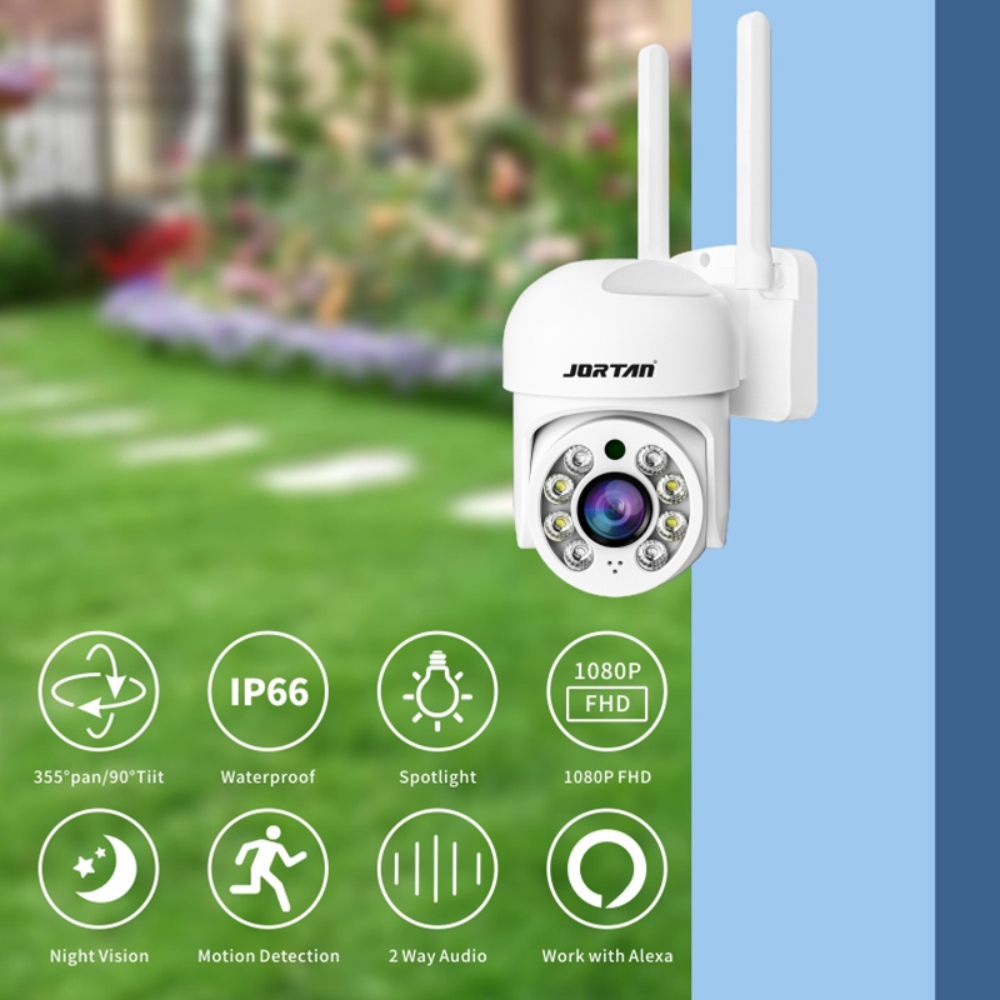
People who want home monitoring often look for cameras that protect their family while also recording meaningful daily moments. A smart camera with motion detection, night vision, and real-time alerts can help users notice unusual activity around doors, yards, or living areas. At the same time, clear video playback and easy app access allow families to save warm scenes, such as children playing, pets moving around, or loved ones arriving home safely.
For the Tech-Savvy Professional
Workers who love tech often pick auto setups and smooth ties across gadgets. Cameras that work with work tools like cloud storage or meeting apps suit mixed office styles nicely. You can use a helper app or program to check and handle your camera from a distance. Syncing over many devices lets you switch easily between home-desk checks and making content. For example, types with live video feeds can serve as team aids in online talks.
For the Creative Enthusiast
Artistic folks look for bendy options via hand controls and swap lenses paired with AI help for framing. Such traits boost creative room while holding tech accuracy. No-wire sending or auto cloud matching speeds up edit flows over gadgets. This suits photo or video makers juggling several tasks at once.
Personal Choice: Balancing Functionality and Lifestyle Needs
Before buying a smart camera, users should first decide what they need most: convenience, content creation, or home safety. For home security, motion detection, night vision, and real-time alerts are important. For video work, image quality, auto tracking, and smooth recording matter more.
Compatibility also matters. The camera should work well with systems like Apple HomeKit, Google Home, or Alexa. This makes setup easier and helps users control devices together.
Budget should match real needs. Many mid-range smart cameras in 2026 already offer clear video, AI motion detection, app control, and storage options. The best choice is not always the most expensive one, but the one that fits daily use and lifestyle needs.
Future Directions in Smart Camera Design and Use Cases
As tech pushes deeper into augmented reality and green areas, smart cameras will keep changing how we grab experiences.
Integration with Augmented Reality and Wearable Devices
Coming builds might add AR layers that steer framing or light tweaks in real time via linked wearables like smart glasses. Syncing over devices will allow easy shifts between handheld cameras and worn views. This boosts deep storytelling chances.
Sustainability and Ethical Considerations in Camera Production
Makers are turning more to green materials to cut eco-harm while being open about data-gathering habits. Though the smart camera field grows quickly, it still meets hurdles in tech, market, safety, cost, and more. It needs team efforts from many sides to jump from basic smarts to high-level ones.
FAQ
Q1: How do I choose a smart camera suited to my lifestyle?
A1: Choose a smart camera based on where you use it, how much motion detection you need, whether you prefer cloud or local storage, and how important privacy features are to you. The best model should fit your daily routine, not just offer the highest resolution.
Q2: Are battery-powered models reliable for long-term use?
A2: Yes. Built-in big lithium batteries hit very long wait times in spots where they wake seldom. This suits travelers or outside places needing little upkeep.
Q3: Can I integrate my camera into my existing smart home system?
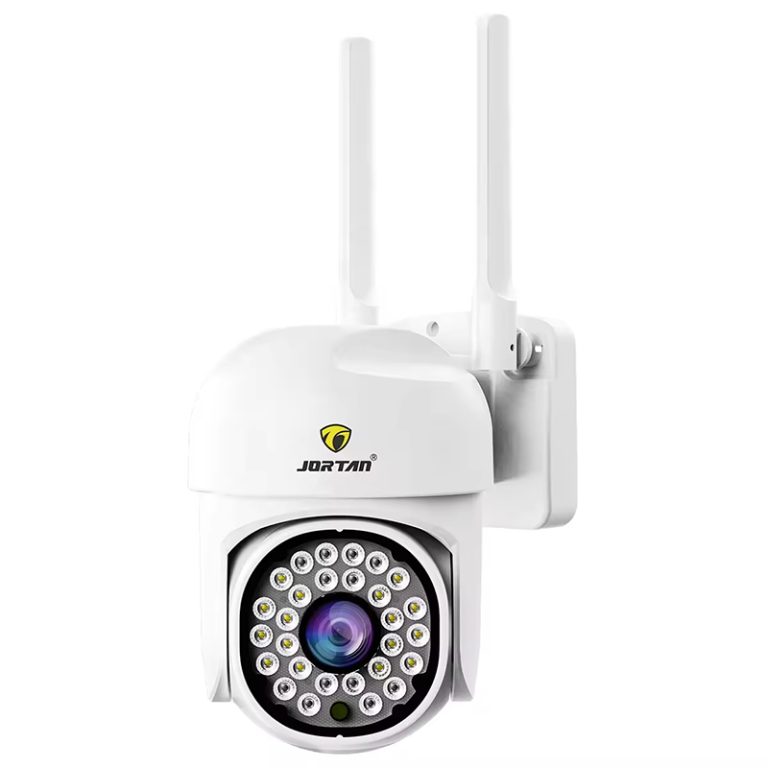
A3: Most new devices back common setups like Google Home or Apple HomeKit. Some give direct match choices via special gates, like those in Jortan’s smart cameras.