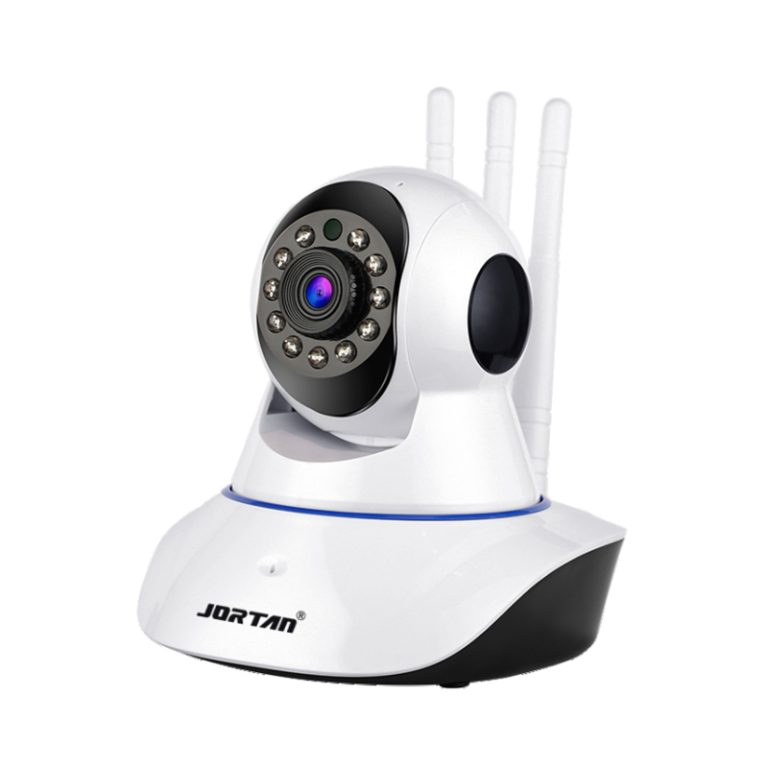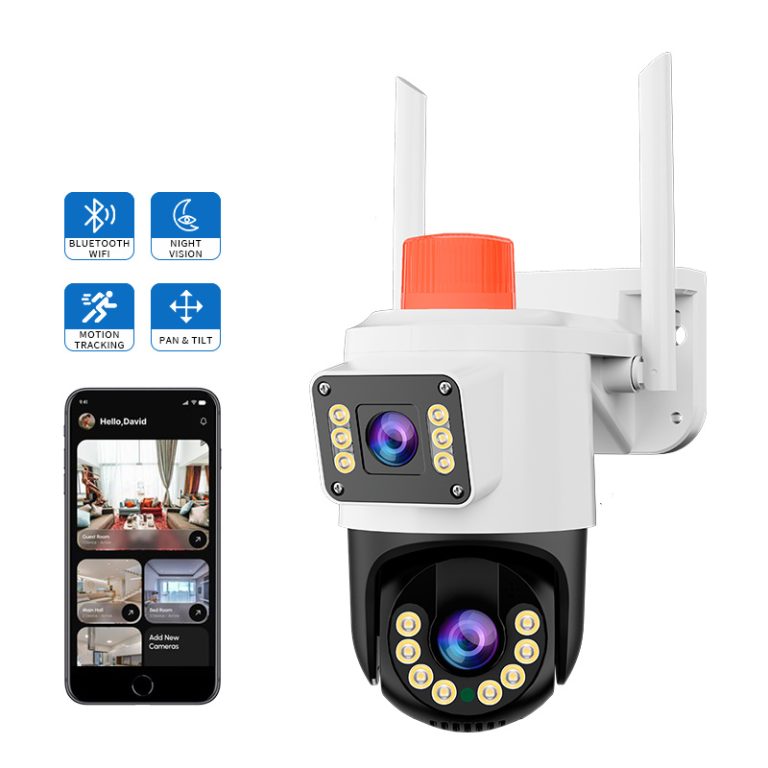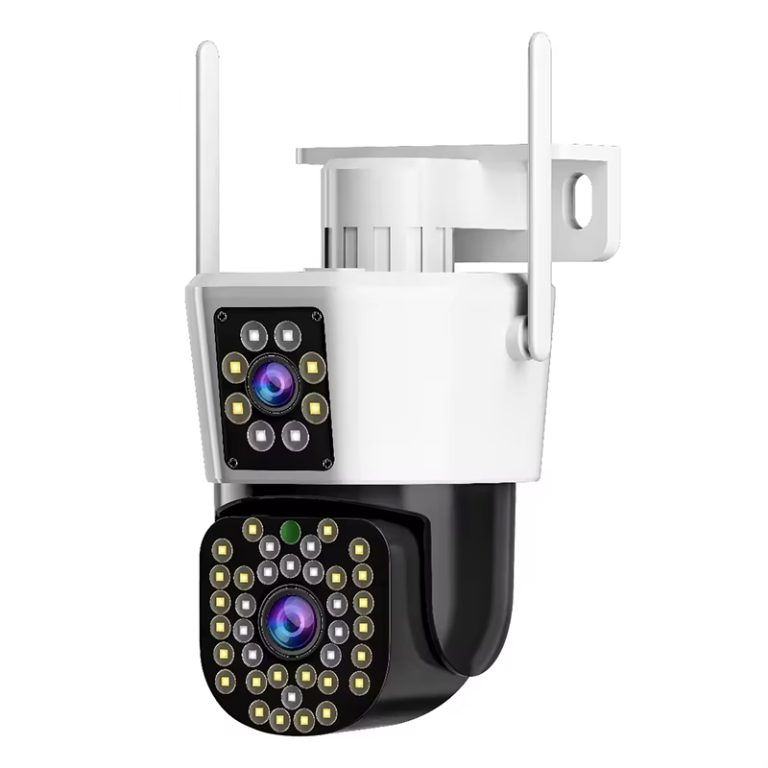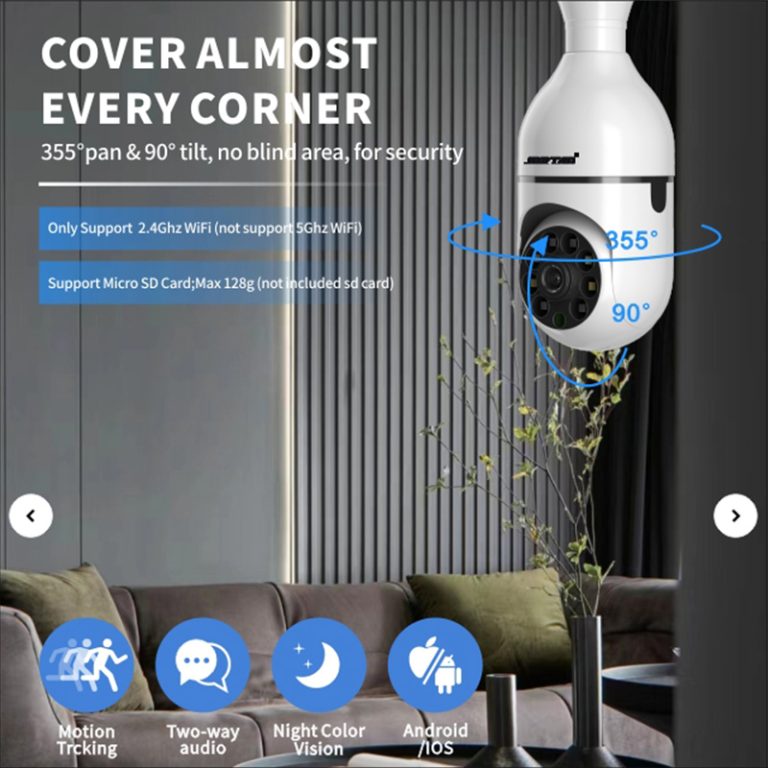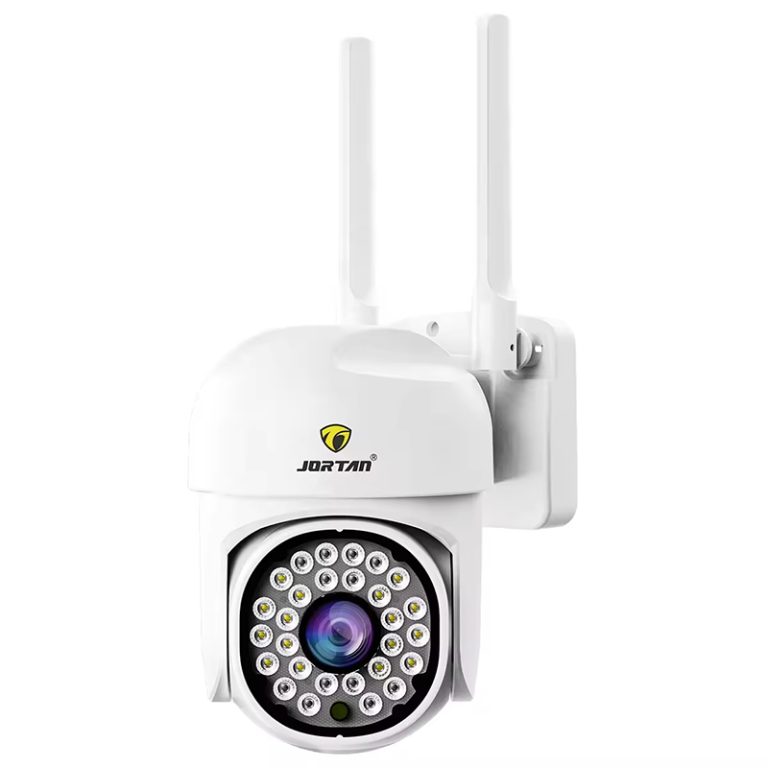
Outdoor security cameras are advancing fast because homeowners want more than just simple recording from their setups. For 2026, the top picks stand out with better detection, simpler setup, improved remote control, and more adaptable power choices. When selecting the proper solar camera, it helps to first learn about the changes in home security technology.
How Are Home Security Cameras Evolving Toward 2026?
The market for home security cameras is seeing a tech change pushed by AI, better connections, and green practices. Brands such as Jortan lead this progress with new ideas in solar-powered and smart monitoring systems that reshape dependability and self-reliance.
Shifting Trends in Smart Surveillance Technology
Artificial intelligence and machine learning now form the core of home monitoring. These tools boost motion detection precision, which lets cameras tell real events from everyday background sounds. When you combine cloud storage with edge computing, data handling gets quicker, so you can do real-time checks without burdening main servers. Better links to smart home setups make sure items like lights, alarms, and locks operate together without issues.
Since the monitoring field keeps developing, more folks are accepting and using surveillance. It has moved from wired options to WiFi and 4G, making it more practical. Because of this steady shift, we see more independent, power-saving systems that work fine even in out-of-the-way places.
What Role Does Connectivity Play in Modern Security Systems?
Connectivity sets how fast modern home security cameras react. Bringing in Wi-Fi 6 and 5G tech cuts down wait times for live video and far-off viewing. Mesh networks also improve signal reach over big lots or several buildings. Stronger security measures safeguard talks between devices, so privacy stays safe even in tricky IoT networks.
Global networking capabilities: 4G Full Network Access: Built-in triple-network switching module, increasing signal coverage in remote mountainous areas by 50%. With this kind of connectivity, people can keep steady access to their cameras no matter their spot or setup limits.
Why Are Solar-Powered Outdoor Security Cameras Rising in Popularity?
The growth in solar-powered outdoor security cameras shows a key change to green and standalone watching options. Such setups fit well for owners wanting earth-friendly picks that ease installation tasks.
How Solar Technology Enhances Camera Reliability
Solar panels give steady power, so you skip regular battery swaps or wire runs. Permanent off-grid operation: Solar power supply: Monocrystalline silicon photovoltaic panels + Intelligent energy storage system: an average of 4 hours of daily sunshine can support 15 days of rainy and cloudy operation with zero electricity bills throughout the year. No wiring installation: Rapid deployment using existing poles (street lights/signal poles), installation completed in 30 minutes, saving 70% of infrastructure costs. Power-saving parts help cameras keep running in weak sun through inner systems that fine-tune charging steps.
Environmental and Economic Benefits of Solar Cameras
Solar-powered cameras offer nature and money perks. Zero carbon emission reduction: A single device reduces carbon emissions by 1.2 tons per year, in line with the city’s carbon neutrality goals. On top of that, they cut setup costs from less need for cables and remove power bills as time goes on. Maintenance cost: No line maintenance is required, and subsequent costs are reduced by 70%. These gains make solar versions attractive for ongoing buys in green home guarding.
What Smarter Features Will Define Home Security Cameras in 2026?
Upcoming home security cameras will use AI-based smarts for active guarding over mere watching.
Advanced AI Capabilities for Intelligent Monitoring
Facial recognition tech will set apart family, guests, and strangers. Object detection setups will sort people from pets or cars to lower wrong warnings. AI-powered accurate recognition: Technical solution: Humanoid/vehicle three-level filtering algorithm Improved performance: False alarm rate reduced to 0.3% (measured in an orchard scene). Movement pattern checks can spot strange actions before problems start—changing response-based watching to forward safety handling.
Integration with Broader Smart Home Ecosystems
Coming safety tools will link smoothly with voice aids like Alexa or Google Assistant, plus smart locks or light systems. One central app for control adds ease, and device chats allow team actions, such as locking doors on their own when odd activity shows up.
How Are Hardware and Software Innovations Improving Reliability?
Hardware strength and software toughness play big roles in building user faith in home monitoring gear.
Enhanced Durability and Weather Resistance for Outdoor Use
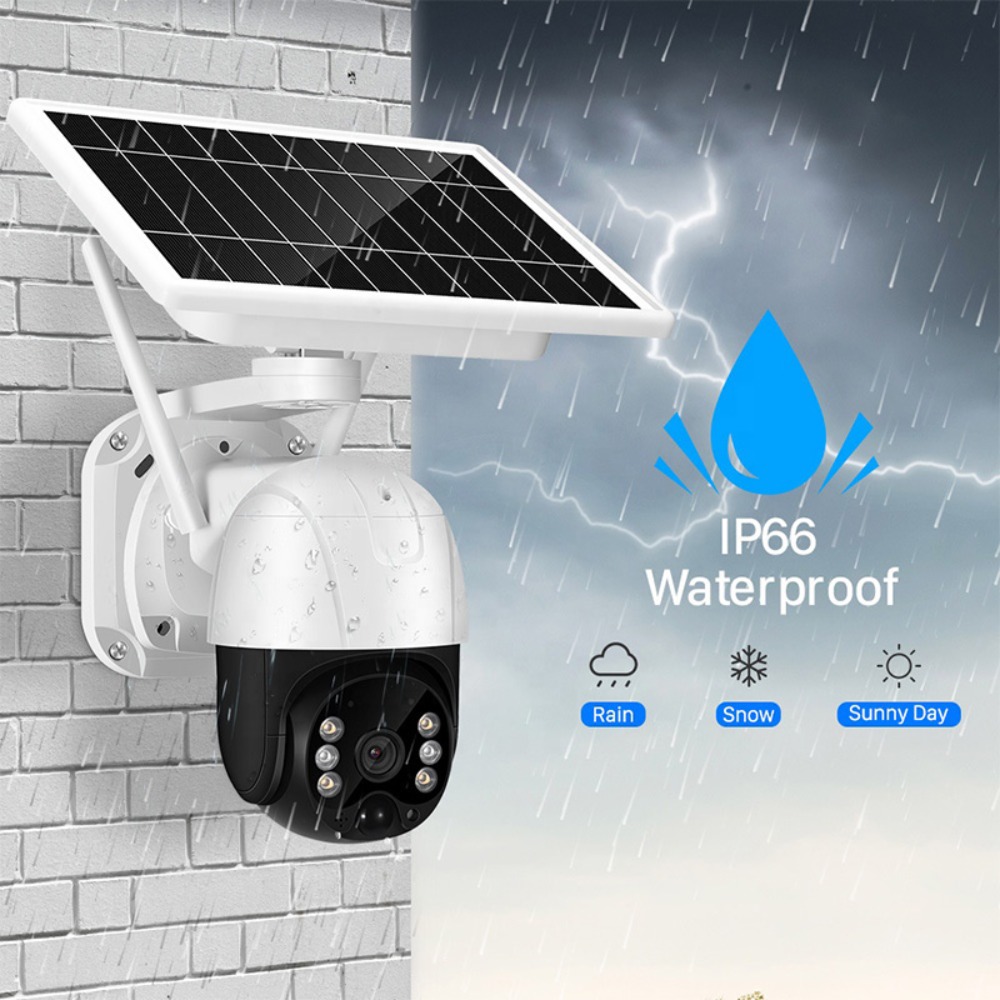
Outdoor setups meet nature’s issues like dirt, showers, warmth, or ice. Extreme environment adaptability: Wide operating temperature range: -30°C to 60°C; Military protection: IP66/IP67 waterproof and dustproof, resistant to heavy rain, sandstorms, and other severe weather. Rust-proof materials lengthen item life, while lens covers that clean themselves keep pictures sharp over time—great for lasting outdoor placement.
Firmware Updates and Cybersecurity Reinforcements
Auto firmware fixes make sure weak points get closed quick without user work. Multi-step checks guard far-off entry from unallowed sign-ins, and coded data sends stop-grabs during video flows—vital traits as more owners turn to cloud setups like the Jortan solar-powered camera system.
What Metrics Should You Evaluate When Choosing a Smart Security Camera?
Picking the finest home security camera means looking at key tech points past brand name or cost.
Image Quality and Field of View
High-detail sensors (4K or higher) provide a clear video key for spotting faces or plates. Broad lenses watch big areas well and cut dark spots—a main factor for safe-keeping open areas like drive paths or yards.
Power Efficiency and Battery Life
Adjustable power ways match output to use rates in night vision or motion-start recording times. Battery check notices warn users before power ends—ensuring steady work even in long, cloudy times.
Connectivity Stability
Dual-band Wi-Fi keeps even stream quality over different lengths in a lot’s network area. Extra local storage gives backup if web links break—a part built into top models like the Solar 4G Smart Monitoring Solution.
What Lies Ahead for Home Surveillance Beyond 2026?
The days ahead bring greater self-rule from edge computing chips that handle AI right there without cloud needs. The 2026 technology upgrade will focus on breakthroughs in battery life in rainy weather and control of AI false alarm rates. Quantum encryption may soon reshape digital privacy rules in monitoring networks, while links to self-run drones could grow edge coverage on the move.
The buyer hopes this will keep sparking new steps to privacy-top designs and open cost ways without must-have fees. Flexible builds will let owners grow their systems with ease—from one-camera plans to full smart home ties—as their wants change to safer home spots backed by green power tech.
FAQ
Q1: What makes solar-powered outdoor security cameras more reliable than traditional ones?
A1: Solar-powered models operate independently from electrical grids using photovoltaic panels combined with intelligent energy storage systems that sustain operation even during cloudy days.
Q2: Are solar cameras suitable for harsh environments?
A2: Yes, most modern solar cameras feature IP66/IP67 protection ratings that resist dust, heavy rain, sandstorms, and extreme temperatures ranging from -30°C to 60°C.
Q3: How does AI improve home security camera performance?
A3: AI algorithms enhance object recognition accuracy by filtering human shapes from animals or vehicles while reducing false alarms through adaptive learning mechanisms integrated into camera firmware updates.