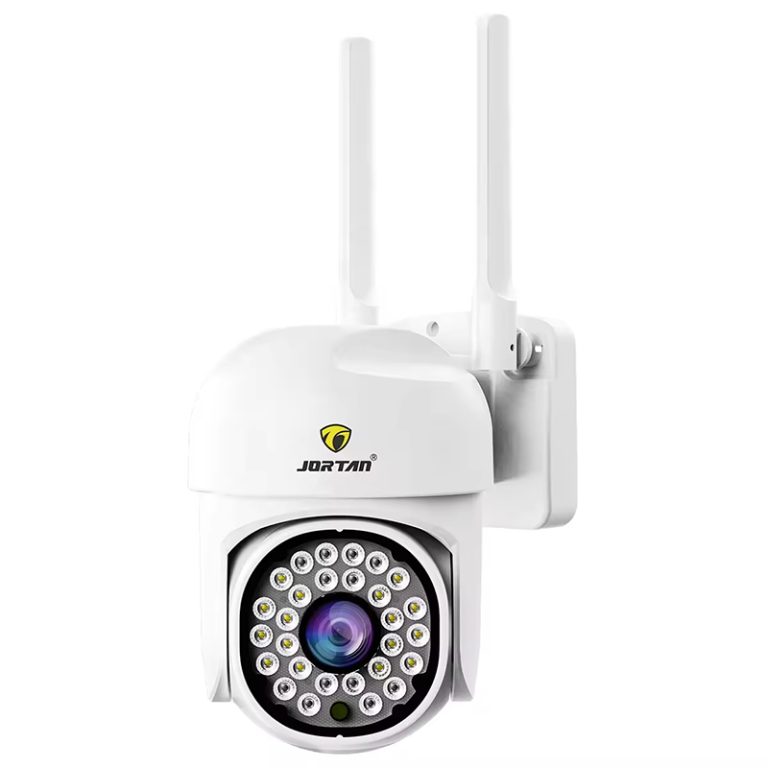

If you have walked into a grocery store lately or tried to buy copper wiring for a warehouse renovation, you already know the story. Prices are up. In the last two years, the cost of raw materials like copper, aluminum, and high-grade plastics has jumped by nearly 30% to 40% in some regions. For business owners and wholesalers looking to secure their property, the temptation to grab a batch of $20 “no-name” cameras from a discount site is stronger than ever. It feels like a quick win for the budget. However, in the world of surveillance, that low sticker price is often just the first payment on a very expensive mistake. When global inflation hits the factory floor, “cheap” doesn’t just mean a bargain anymore—it usually means corners were cut where you can’t see them.
The Reality of Global Supply Chains and Material Inflation
Every security camera is essentially a collection of global commodities. You have the copper in the cables, the silicon in the image sensor, the aluminum in the heat sinks, and the polycarbonate in the outer shell. When the price of raw copper stays near record highs—around $9,000 per ton—manufacturers face a brutal choice. They can either raise their prices to maintain quality, or they can substitute high-grade materials with inferior alternatives to keep the product in the “cheap” category.
Most budget-tier brands choose the latter. To keep selling cheap security cameras during a period of heavy material inflation, many factories have started using thinner copper traces on circuit boards or swapping out metal housings for brittle, low-grade plastics. These changes aren’t always visible when you first unbox the device. A camera might look sleek and modern in its marketing photos, but the “bones” of the machine are often too weak to handle the heat of 24/7 operation. For a B2B buyer responsible for a large facility, buying 50 of these units isn’t a saving; it is a gamble on hardware that was designed to be disposable from the moment it left the assembly line.
Why Low-Cost Surveillance Often Fails the Reliability Test
Choosing a security system is about buying peace of mind, but that peace disappears the moment a camera goes dark during a critical incident. The gap between a professional-grade unit and a generic one usually comes down to the internal components that manage power and process light. When a manufacturer is forced to shave pennies off the production cost, the first things to go are the protective circuits and the quality of the glass lens.
The Component Downgrade in Budget Electronics
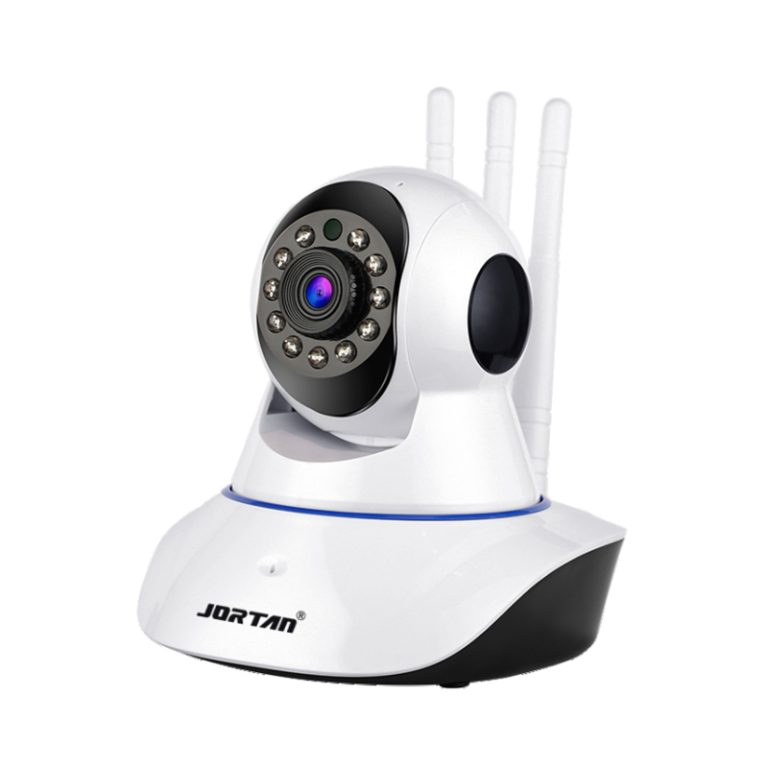
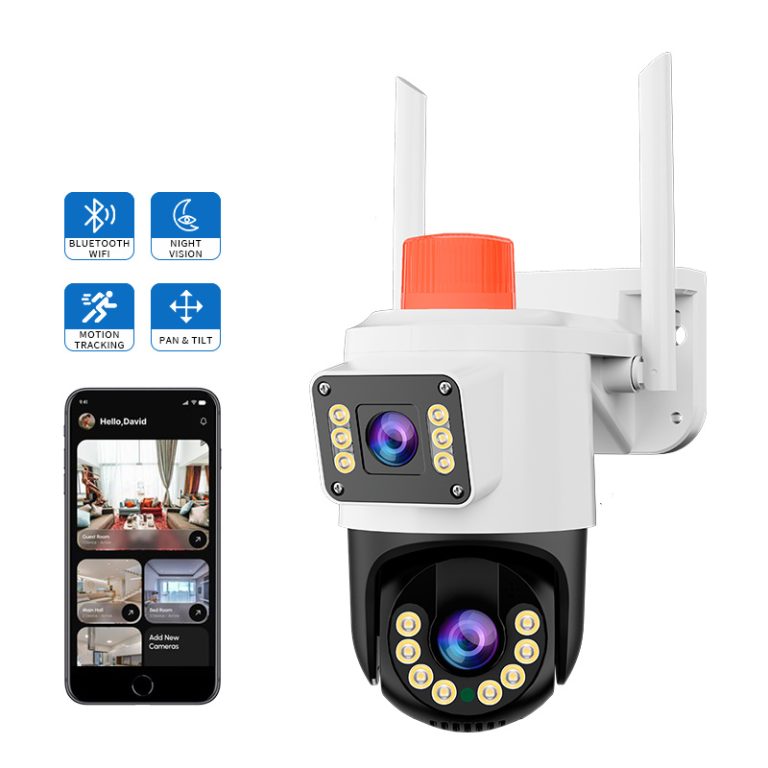
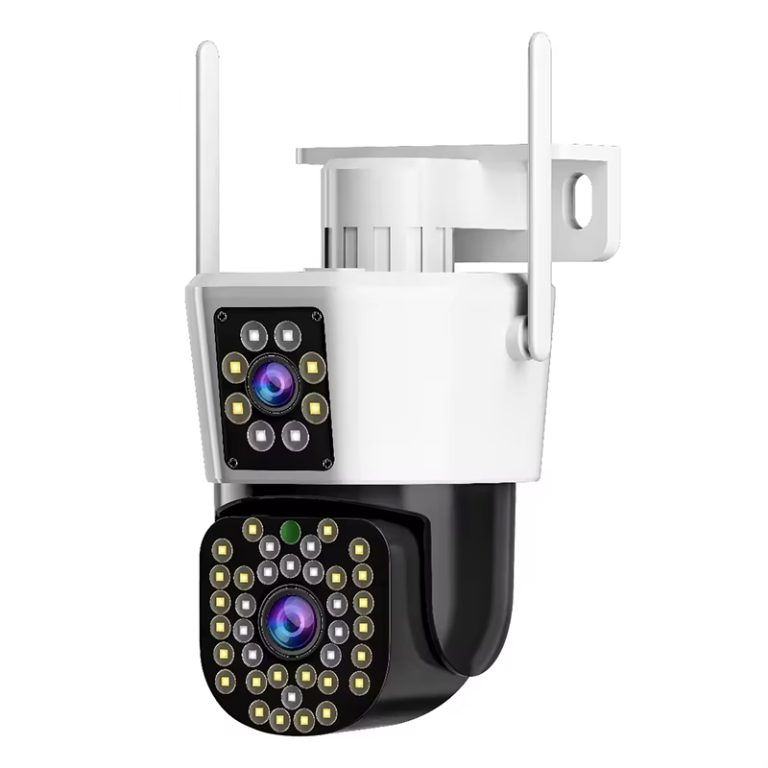
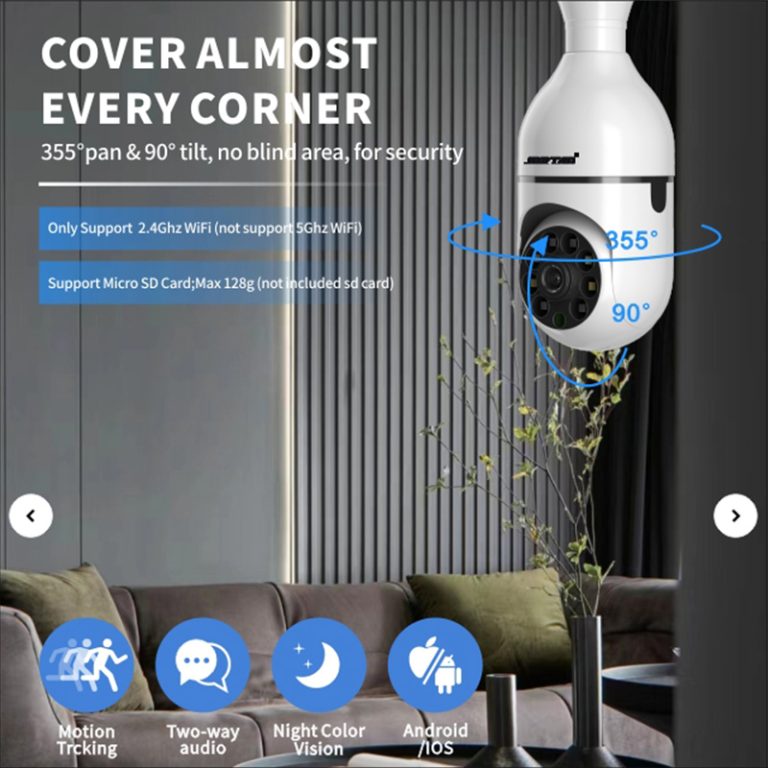
When we talk about surveillance system reliability, we are really talking about how the device handles stress. Cheap cameras often use “grade B” or “grade C” image sensors that struggle with heat dissipation. In a professional setup, like the Jortan 8 or the 6115AHD-8 systems, the internal layout is designed to move heat away from the sensor. Budget models often lack these thermal pads or heat sinks. Over a few months of summer sun, the heat builds up, the sensor degrades, and the video feed starts showing “snow” or digital artifacts. Eventually, the board fries, and you are left with a dead piece of plastic hanging on your wall.
The True Gap in Security Camera Quality
It isn’t just about whether the camera stays “on”—it is about what it actually sees. Security camera quality is measured by its ability to resolve details in the dark or under harsh backlight. High-end models use multi-layer glass lenses that stay clear for years. In contrast, many ultra-cheap cameras use plastic lenses that “cloud” or turn yellow after six months of exposure to UV rays. What started as a 1080p crystal-clear image slowly turns into a blurry mess where you can’t even tell the make of a car, let alone read a license plate. If the footage isn’t usable in court or for an insurance claim, the entire investment is effectively zero.
Calculating the Hidden Maintenance Costs Over Time
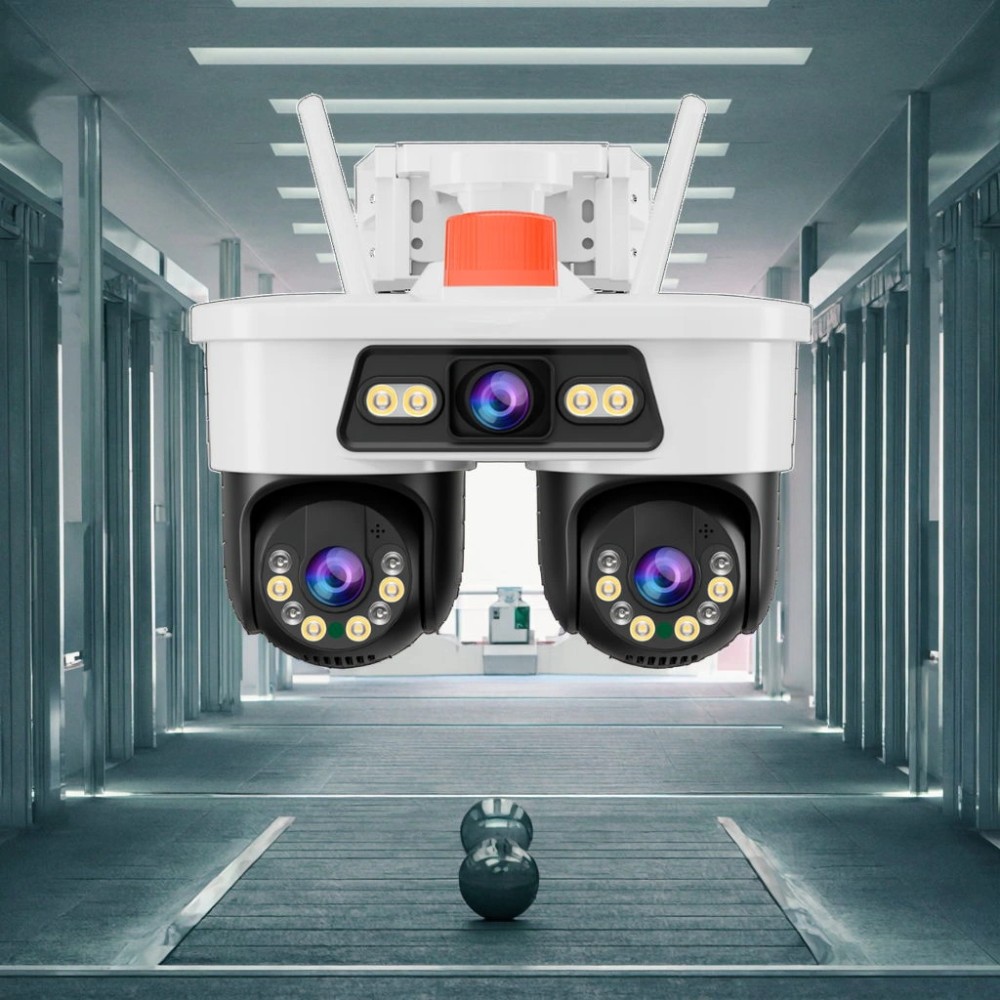
Most business owners look at the “unit price” when they buy, but they forget to look at the “life-cycle price.” This is a classic trap. If a camera costs $40 but fails every 12 months, and a professional unit costs $100 but lasts five years, the “cheap” option is actually more than twice as expensive in hardware alone. But the real budget killer isn’t the hardware—it is the labor.
Unless you are a hobbyist with a lot of free time, you probably have to pay a technician to install these systems. In many parts of the world, a service call for a technician starts at $80 to $120 per hour. If a cheap camera fails, you pay for the bucket truck, the labor to climb the ladder, the time to troubleshoot the wiring, and the cost of the replacement unit. These hidden maintenance costs can quickly spiral. By the third time you’ve replaced a “bargain” camera, you’ve spent enough to have bought a top-tier system from the start. Professional-grade hardware, such as the Jortan 5 or Jortan 6 series, is built to avoid these frequent service calls, keeping your long-term operational budget predictable and low.
Making a Long-Term Investment in Business Security
In the B2B world, reliability is a form of currency. When you are protecting a warehouse, a retail chain, or a construction site, you need a system that “just works.” You don’t want to spend your Monday mornings checking which cameras went offline over the weekend. This is why savvy procurement officers are shifting their focus away from the lowest price and toward the best total value.
Viewing Surveillance as a Capital Asset
A proper security setup should be treated as a long-term investment, not a recurring expense. When you buy into a reliable brand like Jortan, you are paying for the engineering that went into the product before the price of copper ever started to rise. A robust system provides a Return on Investment (ROI) by preventing theft, reducing insurance premiums, and providing reliable data for operations. When you choose a system like the 6115AHD-8, you are getting a durable build that was designed to withstand the realities of 2026, including the challenges brought by material price inflation.
The Advantage of Professional Support and Warranty
Another massive “hidden cost” of generic cameras is the total lack of support. If a no-name camera from a random online marketplace stops connecting to your network, there is no one to call. There are no firmware updates to patch security holes. You are on your own. Professional brands stand by their products. Whether it is a technical question about the Jortan 8 or a bulk order inquiry for a large-scale project, having a direct line to the manufacturer or a dedicated distributor saves hours of frustration. This support is a safety net that generic products simply cannot offer.
Conclusion
At the end of the day, there is no magic in manufacturing. If a product is significantly cheaper than the market average while material costs are rising, that “saving” is coming from somewhere—usually from the lifespan and reliability of the device. For businesses, the risks of poor surveillance far outweigh the few dollars saved upfront. By focusing on security camera quality and understanding the hidden maintenance costs, you can build a system that actually protects your bottom line. Don’t let inflation push you into a “disposable” security strategy.
If you are looking for professional-grade security solutions that balance durability with fair pricing, we invite you to explore the Jortan Product Range. Our team is ready to help you find the right setup for your specific business needs. Contact Jortan at kingjin@safejortan.com.cn today to discuss your project or request a bulk quote. We are here to make sure your security stays up, even when the market is down.