Solar CCTV cameras are turning into a better pick in 2026. More people want security setups that are simple to set up, flexible to place, and less tied to fixed power sources. They fit well for farms, building sites, parking spots, storage areas, and other places where running wires boosts both expense and hassle. For lots of buyers, that blend of ease, power savings, and useful coverage is what sets solar-powered watching apart.
The Growing Demand for Solar CCTV Cameras in Modern Security Systems
The Shift Toward Sustainable Surveillance Solutions
The worldwide security world is changing fast. Sustainability now sits at the heart of new ideas. As use of renewable energy speeds up, solar-powered washing systems are picking up speed among companies and homeowners. The main reason low-power solar cell watching cameras are so well-liked is that they fix the setup problems of old-school watching gear in far-off spots or places lacking basic setup. At the same time, they match the push for saving energy, protecting the environment, and smart tech.
This change shows a wider move to cut back on grid power use. Solar CCTV cameras run on their own. They give steady watching even in areas cut off from the grid. They fit right in with green goals by cutting carbon output and running costs. Plus, solar cell-watching cameras bring three key improvements: power self-reliance, network safety, and smart protection. These traits make them great for folks wanting green but strong security fixes.
Market Trends Shaping Solar Security Adoption in 2026
In 2026, a few market pushes are guiding the take-up of solar security setups. Better solar panel work now lets cameras keep going strong even in dim light. The top pick is pairing monocrystalline silicon solar panels with big lithium batteries. These can charge up fully in 5-6 hours on clear days. And they hold out for over 10 days in wet weather. So, they keep working no matter the sky changes.
On top of that, smart AI checks and IoT links are widening the ways to use them—from spotting movement to instant warnings and auto threat spotting. Government perks for green tech also push take-up in home and work areas. As green badges grow more important for company duty reports, solar CCTV systems will more and more act as both safety tools and green messages.
How Solar CCTV Cameras Operate: Technology Behind the Lens
Core Components of a Solar Camera System
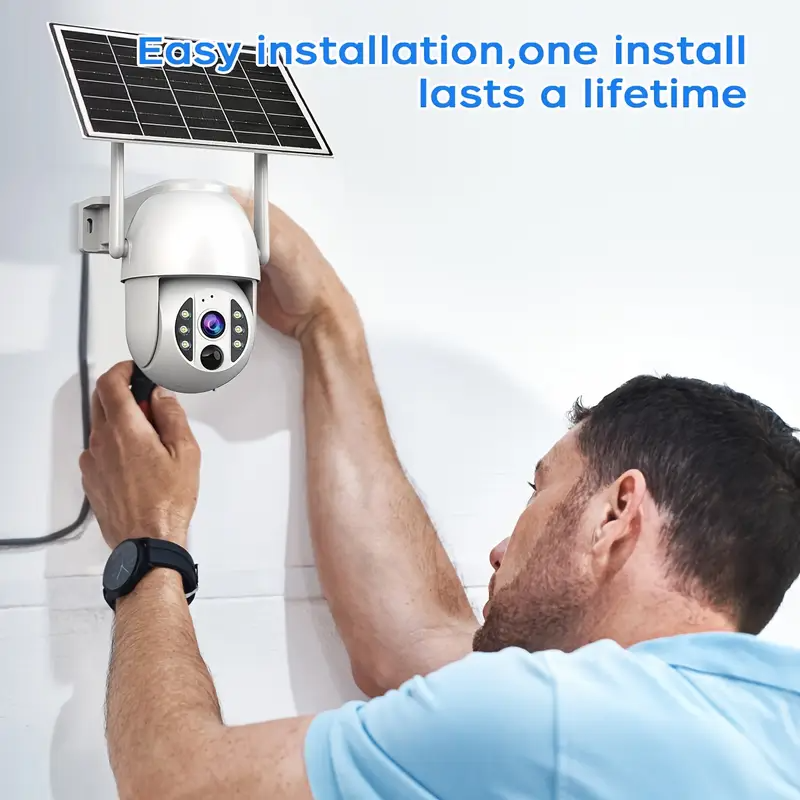
A current solar camera setup depends on three main parts—solar panels, batteries, and wireless link parts. It runs forever without grid power: Solar supply uses monocrystalline silicon photovoltaic panels plus a smart storage system. Just 4 hours of sun each day can pay back 15 days of dull or rainy work. And it means zero power bills all year. No wire setup needed: Quick rollout on poles already there (like street lights or signal poles). Setup done in 30 minutes. This cuts setup costs by 70%.
The inner lithium battery holds extra power from day hours to keep night watching going without stops. Wireless sending skips tricky cable work. At the same time, it lets real-time video flow via phone apps or cloud sites. This setup makes solar CCTV cameras extra handy for spots with little basic setup or shaky power.
The Role of Energy Storage and Power Management
Good power handling is key to steady work in changing light. AOV low-power tech: It uses super-low power wait modes and AI event-start recording. This way, it gets 24-hour steady watching. Battery life beats old battery types by a lot (like working 7-15 days in rain). Smart controls fine-tune power use based on sun strength and camera action. So, they match needs well.
New lithium batteries also stretch product life. They cut how often you need to check them—which matters for big setups like farms or work zones where getting to them is tough. All in all, these tech bits ensure solid work even in harsh weather like hard rain or hot spells.
Advantages of Using Solar CCTV Cameras for Security Enhancement
Energy Efficiency and Cost Savings
One big draw to picking solar-powered cameras is their money perks over wired ones. Upfront cost: 50% less than old wired watching (skipping cable and power fees). Upkeep cost: No need to fix lines, so later costs drop by 70%. Since they don’t need outside power, you skip monthly bills fully. You also make setup easier with little wire work.
In the long run, this means big savings—mainly for setups with many cameras over wide spots or farmlands. There, laying power cables would cost a lot and take hard work otherwise. The end result is a money-smart fix that brings both work efficiency and green duty.
Flexibility and Scalability in Deployment
Solar CCTV systems shine in adaptability. Free from the power grid: Solar supply skips wiring or power hooks. It suits rural yards, fruit groves, grazing lands, building sites, far hills, and other scenes without steady power. Their piece-by-piece build lets you move them easily as jobs grow or site plans shift—perfect for short-term spots like building work or yearly farm checks. What’s more, they blend into current networks via cloud control sites without big rework.
Jortan’s Contribution to the Solar Surveillance Revolution
Overview of Jortan’s Innovative Solar CCTV Camera Lineup
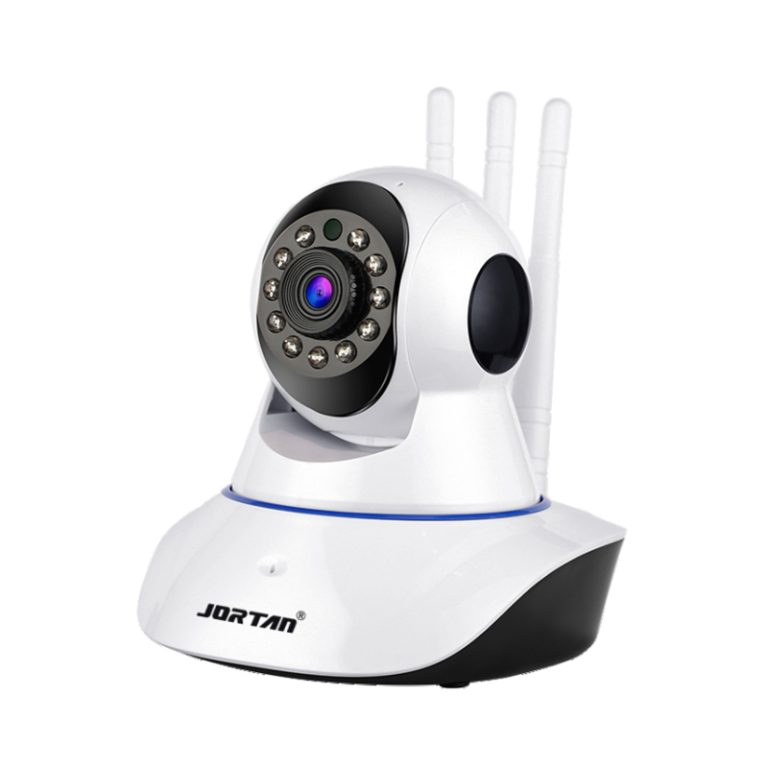
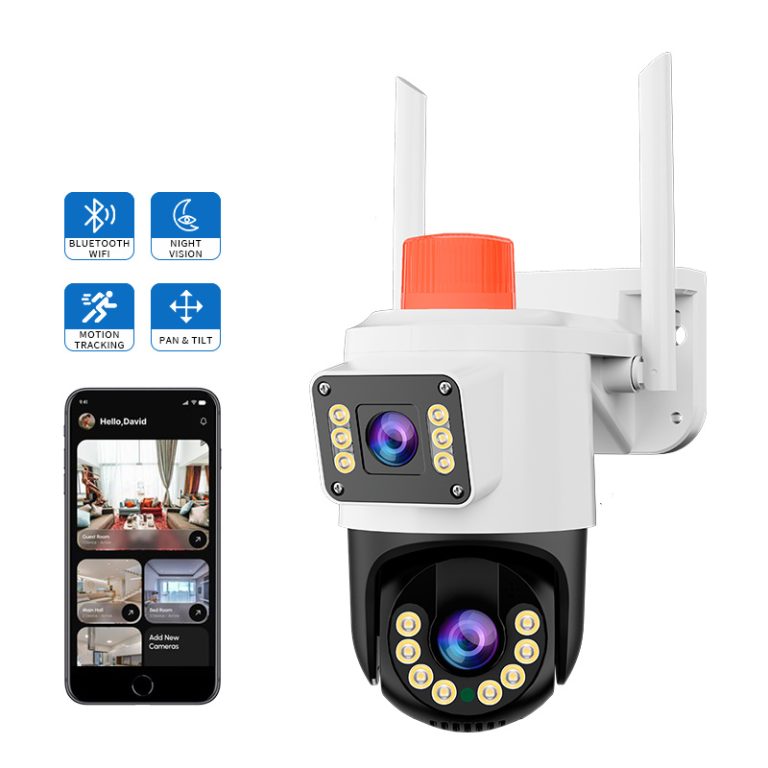
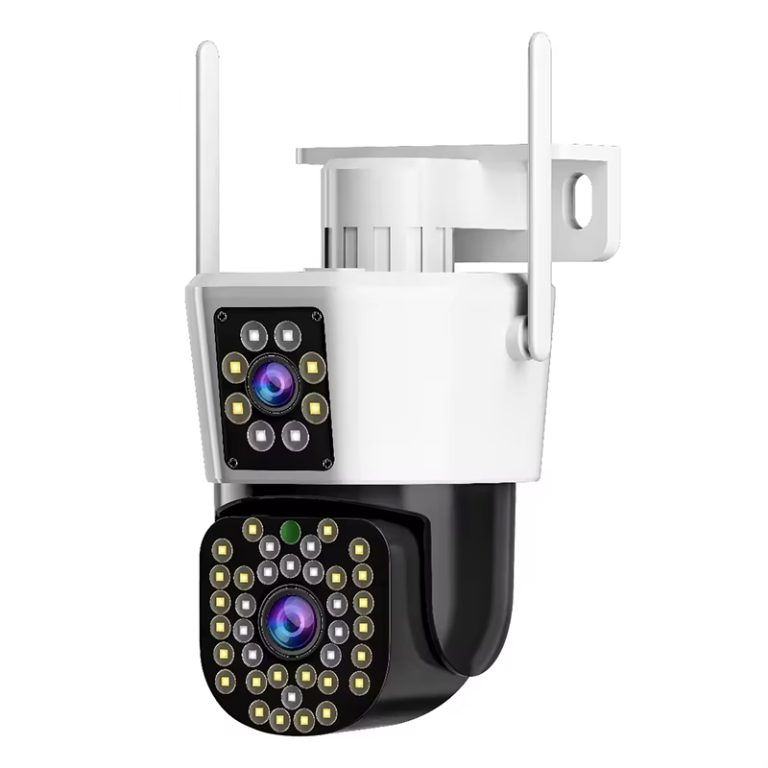
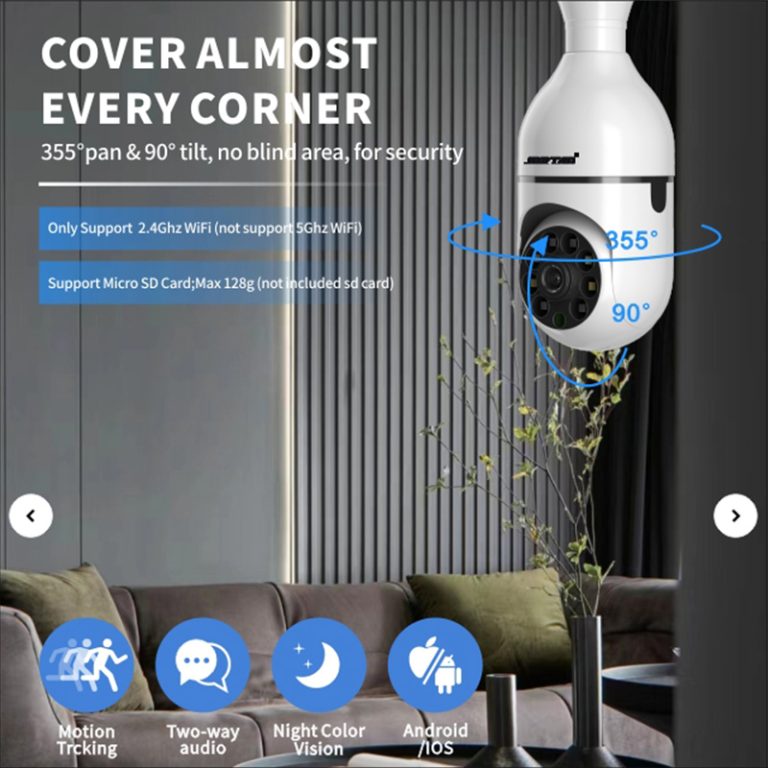
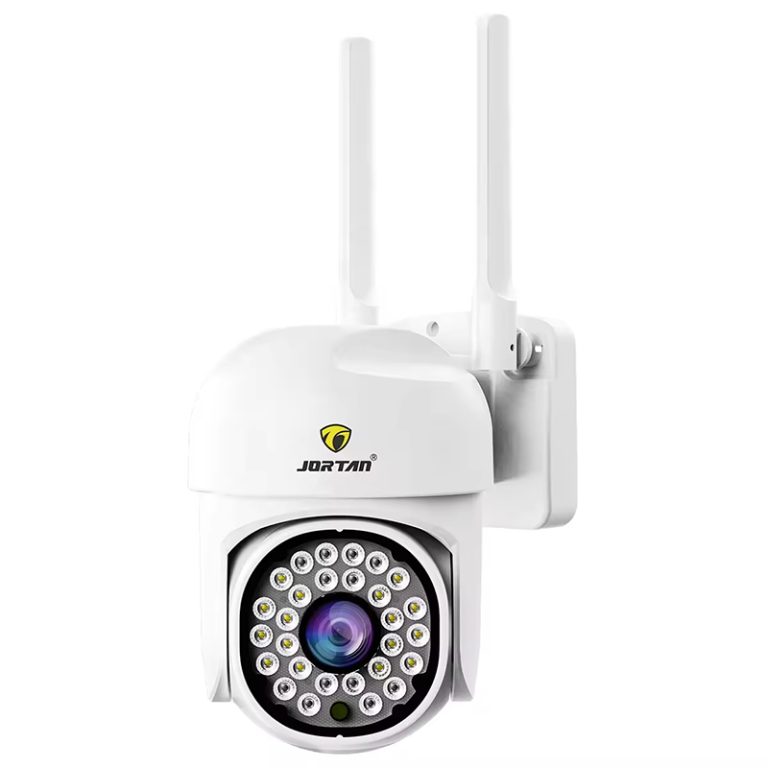
Jortan stands out as a leader in making next-step solar security fixes fit for varied spots—from home lots to work buildings. Its lineup has strong models like the JT-8181XM series. These come with clear imaging sensors that grab sharp views even in low light. Each camera mixes movement spotting tech with two-way sound talk. This lets you watch from afar via phone gadgets.
Made from tough stuff rated IP66/IP67 for water and dust hold, these cameras keep steady work in wide heat ranges from -30°C to 70°C—making sure they run well all year.
Key Features That Define Jortan’s Competitive Edge
Smart Power Optimization Technology
Jortan’s own methods adjust power use on the fly based on nearby sun levels. Yet they keep full working power at night.
Advanced Night Vision Capabilities
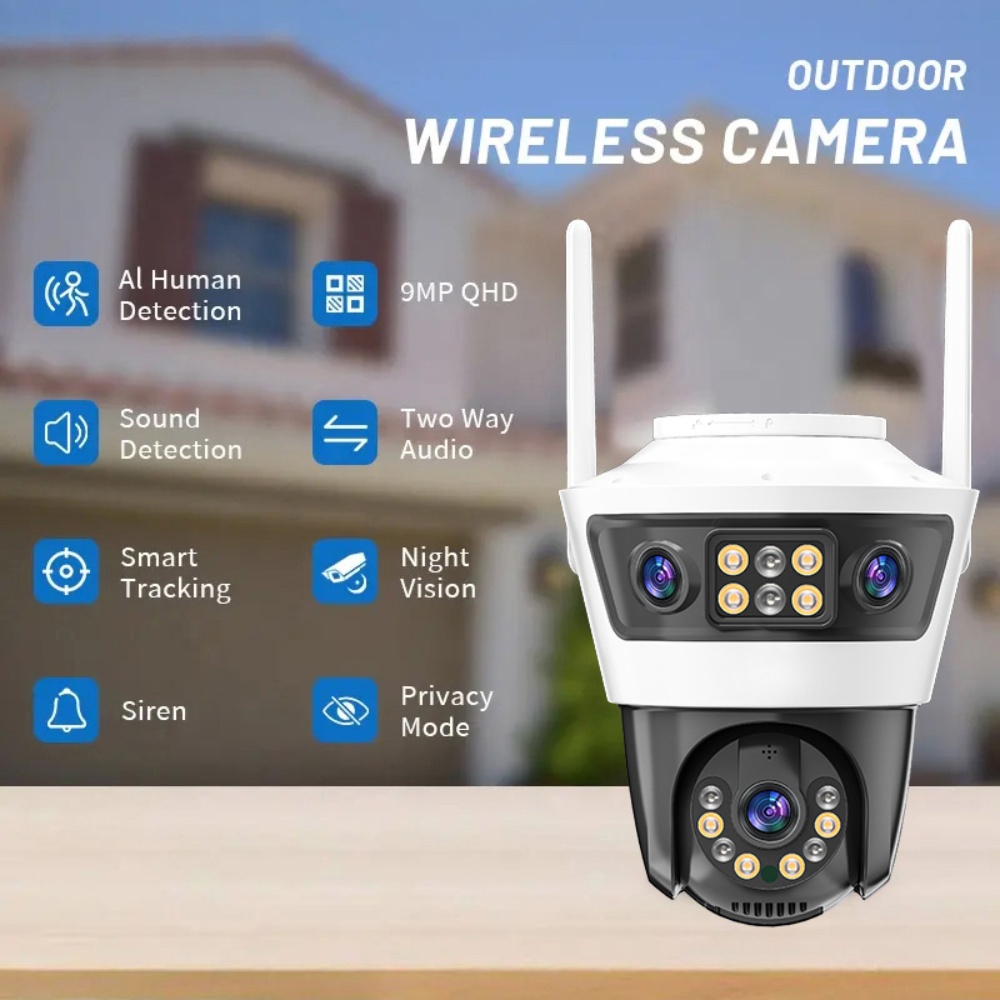
Fitted with infrared sensors that back IR-CUT switch modes, minimum illumination. These cameras give sharp, clear pictures even without outside light.
Seamless Cloud Integration and Mobile Access
Via easy phone apps or web boards, users can check live views from anywhere—giving a real-time handle on safety work no matter where they are.
Comparing Solar CCTV Cameras with Traditional Security Systems
Performance Differences Between Solar and Wired Systems
Solar-powered units work free from electrical grids. Solar supply cuts power bills. It fits well for plants and farms with many units and long runtimes. These cuts stop risks from blackouts or cable breaks often seen in wired setups.
Old systems usually need lots of upkeep from cable wear or weather damage—things almost gone in wireless solar builds made tough for outside use.
Environmental Impact Considerations
By pulling only from renewable sources, zero carbon emission cut: one unit cuts carbon output by 1.2 tons each year; these cameras help hit world carbon-neutral aims. They also lower e-waste from less cable stuff per setup.
Future Outlook: Why Solar CCTV Cameras Will Dominate 2026 Security Trends
Integration with Artificial Intelligence and IoT Ecosystems
AI-based checks will keep reshaping active threat-spotting skills. AI’s sharp spotting: Tech plan: Human shape / vehicle three-level filter method. Effect boost: False alert rate down to 0.3% (tested in orchard scenes). Paired with IoT link setups joining many units in one network, they build self-teaching systems able to make choices on their own.
Anticipated Technological Advancements in Jortan’s Next Generation Models
Jortan’s coming new ideas will focus on better battery length backed by quicker charge times. They will also add stronger code safety to guard user privacy over digital talk lines. Check out their newest solar camera lineup made just to fit future-smart city rules.
FAQ
Q1: How long can a solar CCTV camera operate during cloudy weather?
A1: An average of 4 hours of daily sunshine can support 15 days of rainy and cloudy operation.
Q2: Are solar-powered cameras suitable for industrial-scale deployments?
A2: Yes—they provide scalable solutions ideal for large facilities like farms or construction sites due to their independence from grid electricity.
Q3: What makes AI integration valuable in modern solar security?
A3: AI enhances accuracy by filtering false alarms automatically while enabling predictive threat analysis through connected IoT ecosystems.