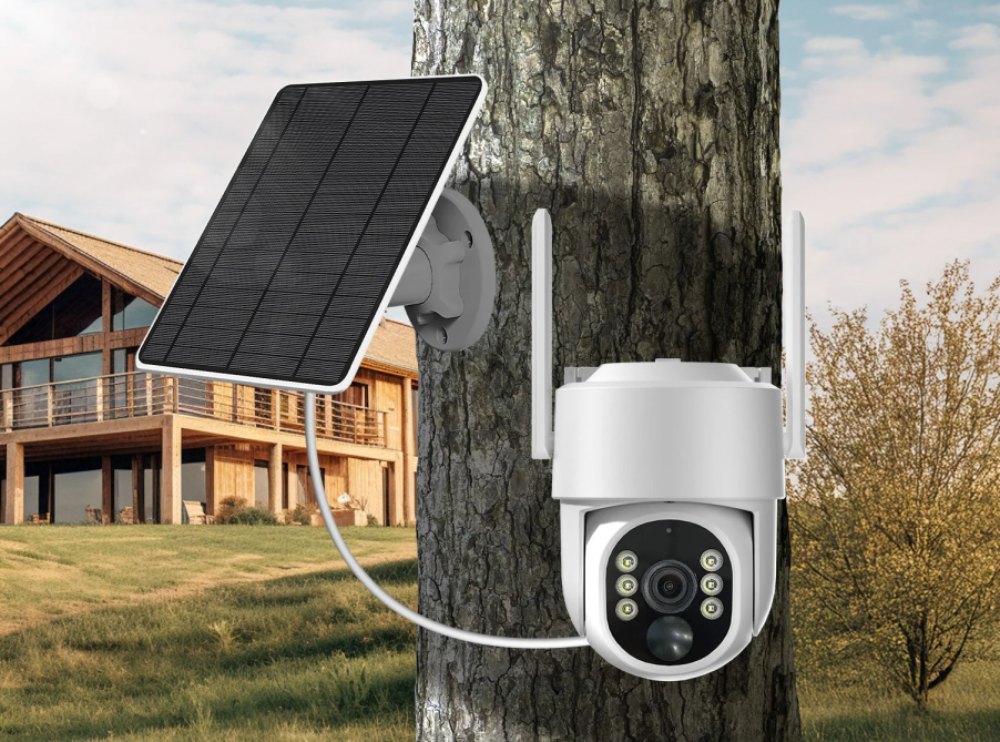
Low-power solar cameras are turning into a main pick in 2026 smart security. They mix easy setup, small energy needs, and steady outdoor watching. As people want more off-grid and easy-care security setups, these cameras play a larger part in today’s watching systems.
The Rise of Low-Power Solar Cameras in Smart Security
The Growing Demand for Sustainable Surveillance Solutions
As folks around the world care more about keeping the earth safe, the security field moves to cleaner, longer-lasting tech. Companies and homeowners now pick setups that save energy and cut down on harm to the planet, all while keeping strong work. Low-power solar cameras hit the right mix of care for nature and good watching quality. They offer a green but strong switch from old wired setups.
The main reason low-power solar cell watching cameras get so much like this is that they fix setup problems of old watching gear in far-off spots or places without basic setups. At the same time, they fit the push for saving energy, guarding nature, and smart tech. These setups draw a lot from government and business groups that use power from new sources for watching as part of bigger plans for lasting good.
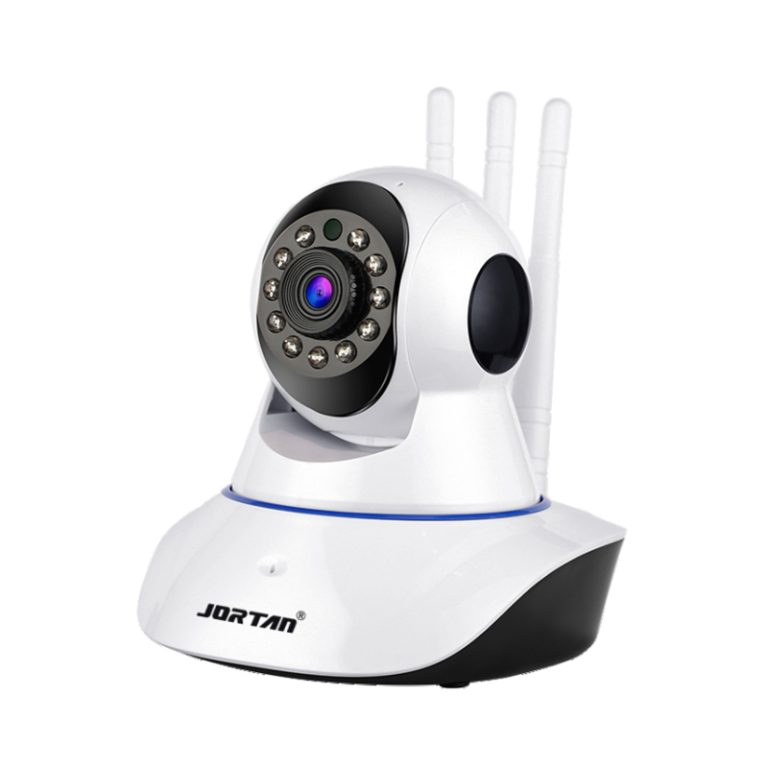
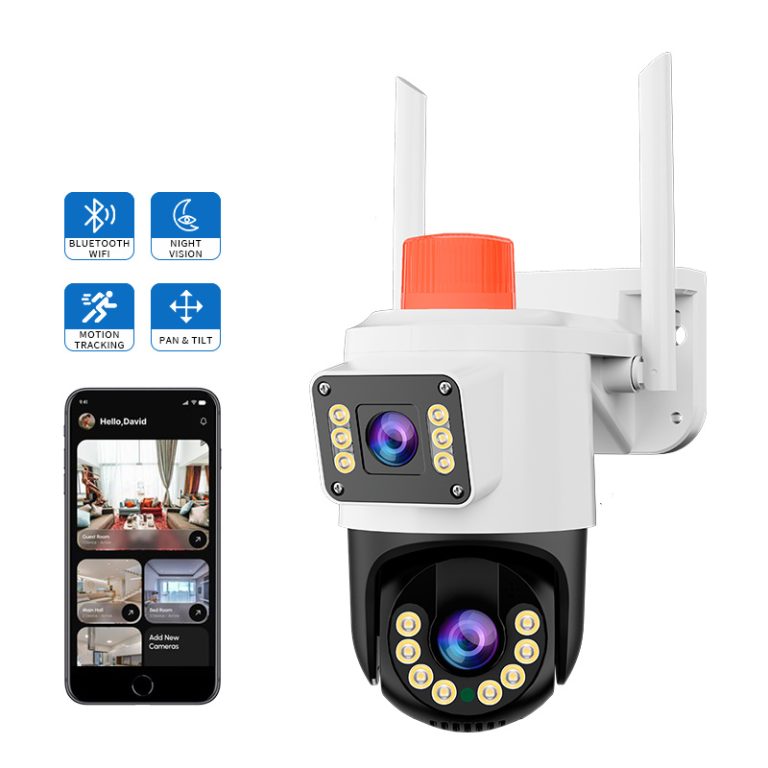
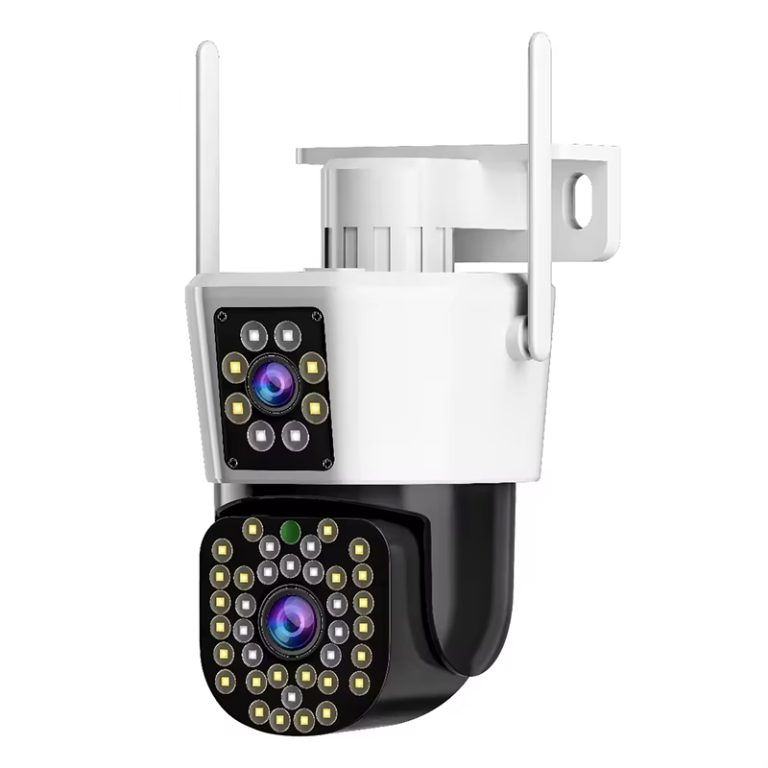
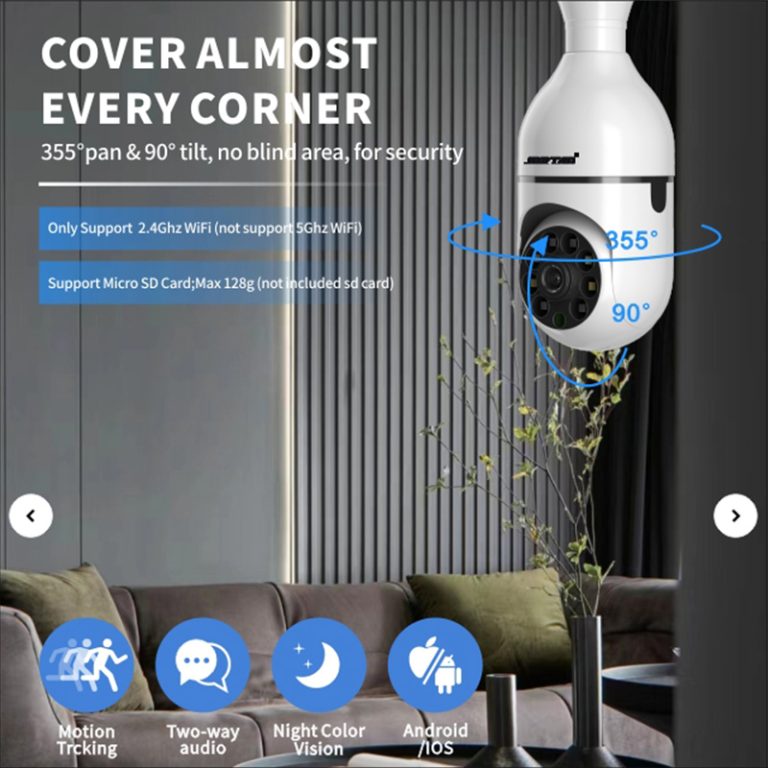
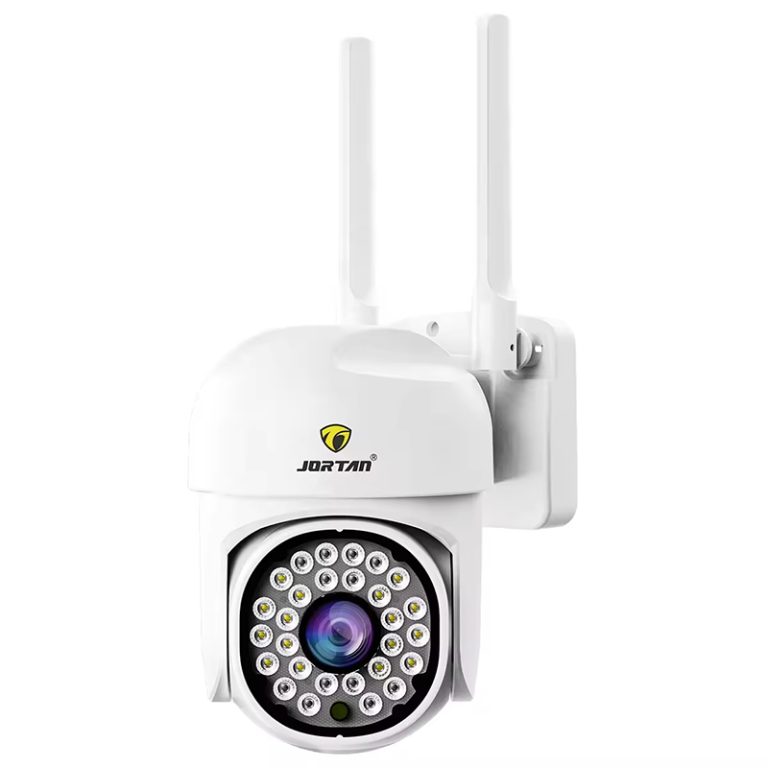
If you look for a sure brand that shows this new way, Jortan has a full set of low-power solar camera choices made for home and work uses. With Witofa’s main goal of smart energy handling and tough build, Jortan’s items combine care for the earth with top-notch work. The firm’s strong push for study and growth makes sure it’s steady and better in light-to-power change, AI checks, and links—setting it as a top pick for those who like tech-led lasting good.
How Solar Technology is Transforming Security Systems
Solar tech has changed how new watching works in big ways. New steps in light-to-power stuff now let cameras work well even with little sun light. Adding low-power parts cuts energy use more while keeping picture clearness and steady running.
Low-power solar cameras, with their power on their own (solar energy + 4G), very long battery time (AOV technology), and smart, exact security skills (AI + full-color night vision), are the key to safety in spots without power or web links. This change shows how solar-based setups are not just other choices but better ones for lasting smart security webs.
Understanding the Core Technology Behind Low-Power Solar Cameras
Energy Efficiency and Intelligent Power Management
Saving energy sits at the center of each low-power solar camera setup. These tools are built to run non-stop even in hard spots like cloudy times or small sun reach. Smart power sharing makes sure the energy on hand goes well to live watching, saving shots, and wait modes.
AOV low-power technology: By using very low power wait and AI event-start saving, it gets 24-hour steady watching, with battery time way past old battery fixes (for example, it can keep going for 7-15 days in rainy times). This kind of saving lets users hold steady run without freehand charging. Jordan’s change-to-fit energy-handling tech adds to this by making work better based on the real-time world around.
Connectivity and Integration with Smart Security Networks
No-wire links have made setup easier than before. Without need for hard wires or main power ties, these cameras can go in many places—from city roofs to far farmlands. Low-power network help: A built-in 4G/5G IoT card lets far data send, making “no-network watching” real. This part makes solar-powered cameras a great pick for users who need sure links in off-grid spots while keeping main control through phone-known apps or cloud boards.
Evaluating the Advantages of Low-Power Solar Cameras
Environmental and Economic Benefits
By using new energy from the sun instead of main power, you cut running costs a lot over time and help world goals to lower carbon harm. Cut power costs: Solar power gives cuts to power bills and fits well for plants and farms with many tools and long run times. Plus, these setups match green pushes to grow lasting build work across fields.
Jortan’s low-power solar cameras show long-time cost savings through strong stuff and best energy use—making sure steady work even in tough outdoor weather like hot spells or big rains.
Performance Features that Enhance Security Reliability
New low-power solar cameras give clear, high-detail pictures that catch every bit well in day and night runs. Full-color night vision and smart follow jobs can give clear shots over 1080p at night. Head-move-ahead-move-move sensors and AI-based warnings, these tools make sure the right threat is spotted while cutting wrong alarms from natural moves like leaves moving or small animals going by. Their strong build gives sure hold across big weather changes—making them great for all-year outdoor use.
The Role of AI in Enhancing Solar Camera Intelligence
Smart Detection and Real-Time Analytics
Artificial intelligence takes modern solar camera performance beyond basic video recording by enabling advanced features such as human and vehicle recognition and behavior analysis. These functions reduce false alarms caused by moving leaves or animals and can achieve an accuracy rate of up to 98.7%. This significantly improves workflow efficiency while supporting active threat management through live dashboards that can be accessed securely from anywhere through cloud connections. You can explore Jortan’s AI-enabled solar camera range if you are looking for customized surveillance solutions designed for the specific needs of your site.
Cloud Connectivity and Data Security Considerations
Cloud join gives smooth far reach for live view, store backup, new firmware, and system handling—all kept safe through code-send rules that guard key shots from web dangers. Safe builds make sure user privacy stays whole while keeping full reach across many tools at once—a key part for firms handling big payouts around the world.
Why Low-Power Solar Cameras Are Poised to Lead the 2026 Smart Security Market
Market Trends Driving Adoption
Smart city plans around the world now push more for new-power tech in their public safety frames. As AI’s new ways meet with IoT link steps ahead, take-up speeds keep going faster across both home-use houses and big work put-outs alike—putting low-power solar cameras as main parts in future city builds that focus on lasting growth plans led by care for nature.
Choosing the Right Model for Different Scenarios
Residential Applications
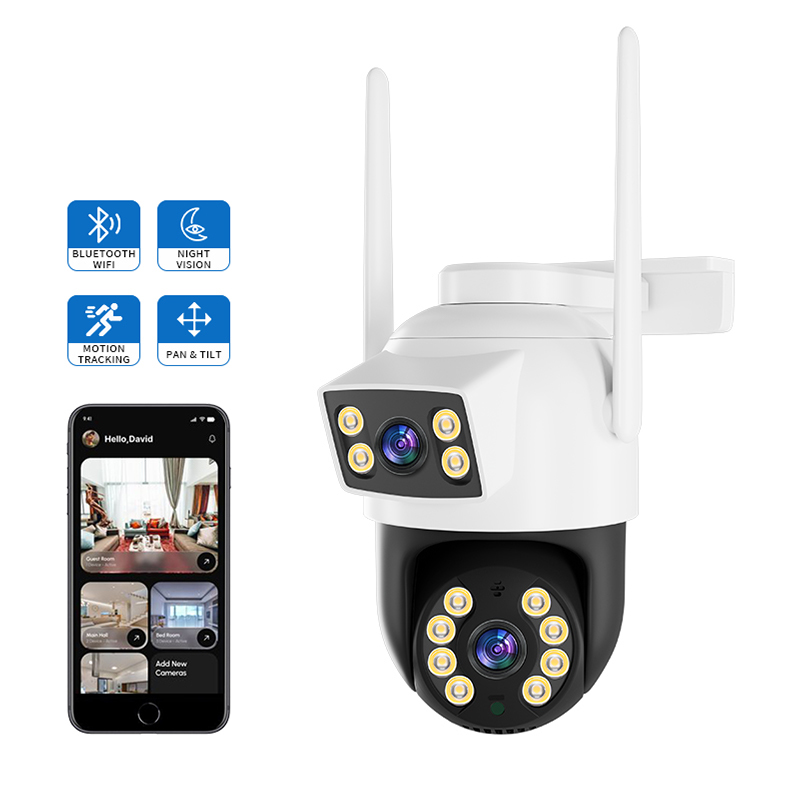
Small kinds fit well for doorways or yard spots where quiet but good cover is needed; no-wire links make sure easy joining into smart home groups like Al Home is possible. Google Home.
Commercial Deployments
For bigger spots like parking lots or store rooms that need wider sea angles plus main control faces, many-camera matches backed via cloud boards show big help when handling lots of units at the same time.
Future Outlook: The Evolution of Smart Surveillance Through Low-Power Solar Innovation
Technological Advancements on the Horizon
The next kind promises higher light-to-power change rates along with edge-thinking joints that turn faster local handles right in each tool—cutting wait time in event spot steps in big ways.
Jortan’s Vision for Sustainable Smart Security Development
A steady put of money into making low-power builds stays key toward reaching growable designs that fit across changing weather around the world; growth plans aim to link earth care smoothly with top safety through ongoing newness in its solar camera item line.
FAQ
Q1: How long can a low-power solar camera operate without sunlight?
A1: Most advanced models can function continuously for up to 10–15 days thanks to efficient battery storage systems supported by intelligent power management algorithms.
Q2: Are these cameras suitable for extreme weather?
A2: Yes; many feature IP66/IP67 waterproof ratings, ensuring durability under heavy rainstorms, dust exposure, and high temperatures ranging from -30°C up to 70°C.
Q3: Can I use a low-power solar camera where there’s no Wi-Fi?
A3: Absolutely; built-in 4G/5G IoT modules allow independent network connectivity, enabling real-time remote access even within off-grid locations effortlessly managed via mobile applications.very low-power