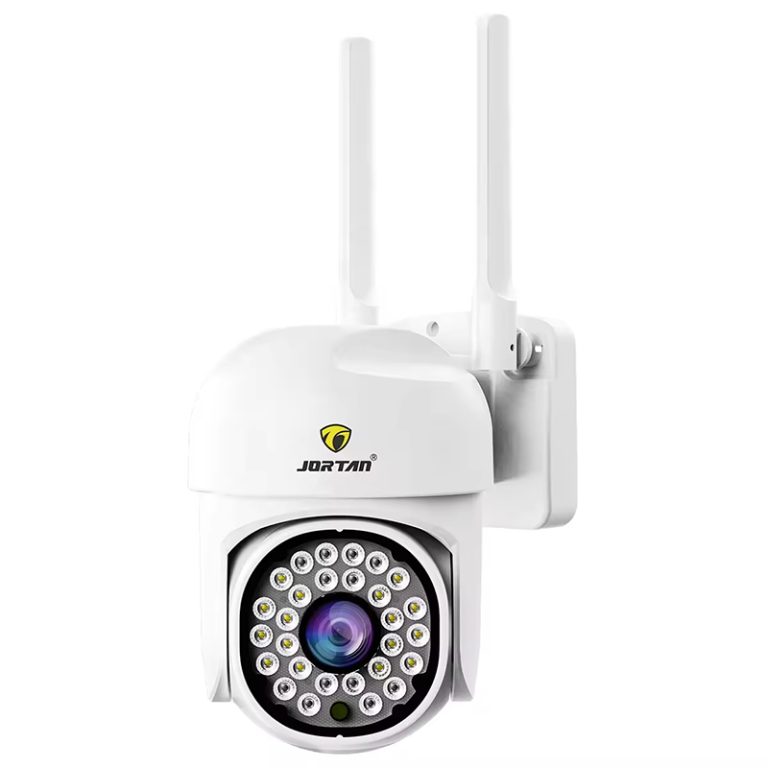

If you have looked at the electronics market lately, you have probably noticed a frustrating trend. Everything from smartphones to home appliances is getting more expensive, and the security sector is not immune. Global inflation and supply chain shifts have pushed the average cost of high-end sensors up by nearly 12% to 15% over the last eighteen months. In this climate, homeowners and business managers are looking at their budgets with a magnifying glass. The big question hitting the forums and boardrooms today is whether the shift toward dual lens camera systems is a genuine breakthrough or just another way for manufacturers to raise prices. While the hardware costs more upfront, the reality of modern security demands might make the “cheaper” single-lens option a far more expensive mistake in the long run.
The Evolution of Security Camera Tech: Why Two Lenses are Better Than One
Modern security camera tech has moved toward a “divide and conquer” strategy. By using two separate lenses, a single unit can now perform the work that used to require two or three different cameras. This isn’t just about adding more glass; it is about solving the physical limitations of light and distance that have plagued the industry for decades.
When we look at the specific benefits of this shift, the most immediate impact is found in how we actually see the footage. The transition from a single perspective to a dual-stream setup changes the fundamental math of surveillance. Instead of choosing between seeing a wide area or seeing fine details, users can finally have both simultaneously, which is why many are moving away from the traditional single-lens debate.
Wide-Angle Meets Telephoto: A New View
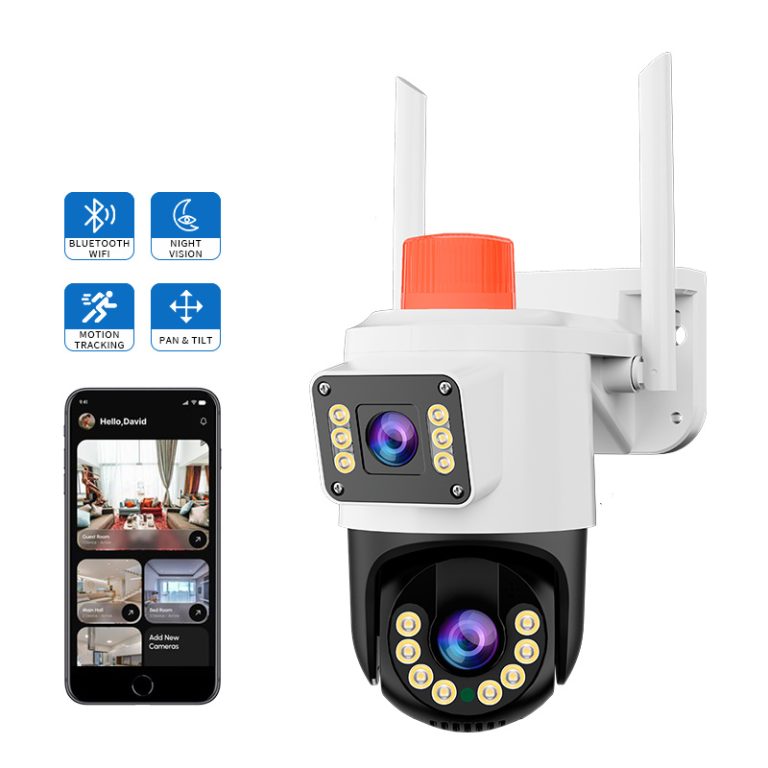
The biggest frustration with a standard dual lens vs single lens comparison is the “blind spot” issue. In a traditional setup, if you zoom in to see a license plate, you lose sight of the person walking toward your side door. A dual lens camera solves this by having one lens dedicated to a 100-degree or 180-degree wide-angle view, while the second lens acts as a telephoto sniper. For a B2B client managing a warehouse, this means you can track a forklift across the floor without ever losing the big-picture context of the entire loading dock. Models like the JT-8699T showcase how this dual-stream capability provides a seamless monitoring experience that a single lens simply cannot replicate.
Enhanced Night Vision and Depth Perception
One of the less talked-about benefits of dual-lens systems is how they handle low-light environments. Because these units often use one sensor for color and another for infrared or light sensitivity, the final image is much cleaner. We are talking about a 30% reduction in digital noise during midnight hours. This depth perception also helps the onboard AI distinguish between a swaying tree branch and a human intruder. When you are investing in smart home security, you want fewer false alarms. By comparing the data from two different focal points, the camera’s processor can accurately calculate the distance and size of an object, making your alerts much more reliable.
Decoding CCTV Price Trends in a Post-Inflation Market
Let’s talk numbers. The security industry is currently navigating a weird phase where the cost of raw materials—specifically high-grade optical glass and CMOS sensors—has stayed high due to energy costs in manufacturing. However, the “per-feature” price is actually dropping. While a premium dual-lens unit might cost $120 today compared to a $80 single-lens unit, the value of that $120 unit is significantly higher than it was three years ago. If you are looking for the best budget camera, you have to look at the total cost of ownership.
1. Infrastructure Savings: Installing one dual-lens camera means you only run one cable, use one port on your NVR, and pay for one installation labor fee. In a commercial setting, labor can account for 40% of the total project cost.
2. Sensor Lifespan: Modern security camera tech is now built with more efficient heat dissipation. Higher-end models like the JT-9687Pro use better components that resist “image burn” over years of 24/7 operation.
3. Data Efficiency: Even though you are getting two views, advanced H.265+ compression means you aren’t doubling your storage costs. You are getting twice the intelligence for only about 20% more bandwidth.
As a Smart Security Camera Supplier, Jortan sees these CCTV price trends daily. The market is moving toward “value-dense” hardware. Buyers are realizing that buying a $40 camera every two years is much more expensive than buying a $90 professional-grade unit that lasts five or six years and provides usable evidence when a crime actually occurs.
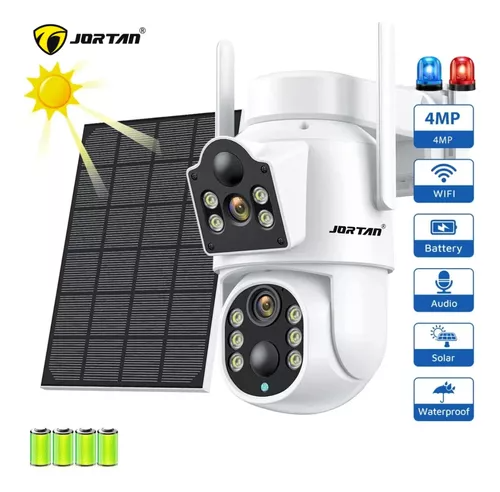
Practical ROI: Is a Dual Lens Camera Worth the Investment for B2B?
For a business owner, a security camera is not a toy; it is an insurance policy. The ROI (Return on Investment) of a dual lens camera comes down to its ability to reduce “unaccounted losses.” In retail and logistics, 60% of losses happen in areas that are “partially monitored.” A single-lens camera creates these gaps. By switching to a dual-lens system, businesses can effectively double their visual data without doubling their hardware footprint. This is the “deep” value that procurement officers are looking for when they evaluate new tech specs.
The shift toward these systems is especially visible in large-scale operations where managing fifty cameras is a nightmare. Reducing that number to twenty-five dual-lens units simplifies the entire network. This creates a more stable environment where the smart home security features—now being adapted for business—can run more smoothly without crashing the local Wi-Fi or internal servers.
Coverage Efficiency: One Camera, Two Perspectives
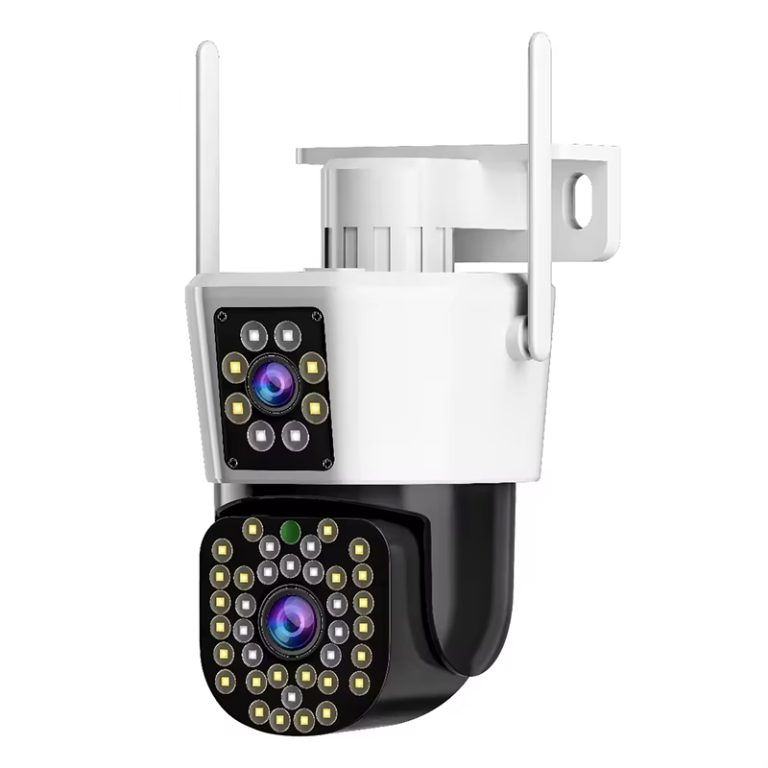
Think about a typical parking lot. To cover the entrance and the rows of cars, you usually need two cameras mounted back-to-back. A high-quality dual lens camera can handle this with a single mounting point. The JT-8698Pro is a perfect example of how the industry is tackling this. It allows for a fixed panoramic view, while the second lens can be tilted or zoomed to focus on high-risk areas. For a B2B partner, this means fewer holes in the walls and a much cleaner aesthetic for the client’s property.
Future-Proofing Your Business Site
Technology moves fast, and “legacy” systems become obsolete in about three to five years. If you buy the bare minimum today, you will likely find that it won’t support the AI firmware updates of 2027. Dual-lens hardware typically comes with more powerful processors to handle the dual video streams. This extra “horsepower” means your camera will be able to handle future software features like facial recognition or advanced heat mapping without needing a hardware replacement. Investing slightly more now avoids the “rip and replace” costs that plague businesses that try to save too much on their initial build.
Choosing the Best Path: Budget Constraints vs. Performance Needs
At the end of the day, not everyone needs a dual-lens beast for every corner of their property. If you are monitoring a small, 10×10 storage closet, a single-lens camera is perfectly fine. But for perimeters, storefronts, and driveways, the dual lens vs single lens debate usually ends with the dual-lens winning on performance. The key is to find the best budget camera that doesn’t compromise on the sensor quality. You want a balance where you aren’t paying for “gimmicks,” but rather for functional glass and reliable software.
When selecting your hardware, keep these three factors in mind. The Environment: Is the area wide or narrow? Wide areas demand dual lenses. Lighting Conditions: If you have zero ambient light, you need the specialized sensors often found in dual-lens tech. Integration: Does the camera play well with your existing apps and NVRs?
We always tell our partners that the most expensive camera is the one that fails to capture the face of a thief because the resolution was too low or the angle was too narrow. If you are looking to bulk-buy or need a customized solution for your specific project, don’t hesitate to contact us. Our team can help you navigate the current CCTV price trends to find a setup that fits your budget without leaving your property vulnerable.
Conclusion
The battle between dual-lens technology and rising costs isn’t going away, but the winner is clear for those who value long-term security. While the initial price tag of a dual lens camera might seem higher, the reduction in installation complexity, the superior image quality, and the “two-in-one” functionality provide a much better value proposition. As security camera tech continues to evolve, sticking with outdated single-lens models is becoming a risky gamble. Whether you are looking for smart home security or a robust B2B solution, upgrading to dual-lens tech is a move that pays for itself in clarity, reliability, and peace of mind. If you are ready to upgrade your security, contact us today at kingjin@safejortan.com.cn to find the perfect solar camera for your next project.