Hospital safety relies on much more than just having people walking around and watching. You really need a good watching setup that lets workers jump in fast when something goes wrong, keeps important spots safe, and helps create a calm, protected place for sick people, guests, and doctors and nurses. Indoor cameras make all of this happen by giving clear views all the time in key parts of the building.
How Do Indoor Cameras Enhance Hospital Security?
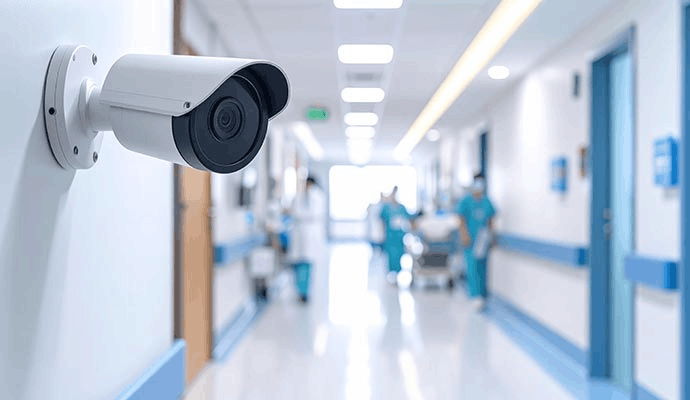
Hospitals stay busy and full of changes every hour, so they need steady attention to keep everything safe and peaceful. Indoor cameras do a big job here because they watch over every area without stopping. They stop people who should not be there from getting in, and if something bad happens, they give clear pictures that help figure out what really went on.
What Role Do Indoor Cameras Play in Monitoring Hospital Areas?
These cameras keep a live eye on the most important spots inside the hospital. They put patient safety first by watching busy places like the emergency waiting rooms and main hallways. You can count on them to scare away people who do not belong and to hold a steady, safe feeling for everyone who works or stays there.
Hallways usually have bright lights that stay about the same whether it is day or night. Because of that, people often pick wide-angle color dome cameras that have a set manual opening and a fixed lens, need very little light (≤ 1 Lux), and give sharp pictures (≥ 420 lines). Those exact features fit hallways perfectly since the light stays even most of the time, but you still want every detail to show up clearly no matter when.
On top of that, when light slowly gets darker or drops very low, cameras that switch their opening by themselves and use infrared wide views work best. That way the watching never stops, even if the power flickers or it turns very late at night. Putting these near stairs or doors helps keep track of who moves between floors, so strange actions get noticed right away and handled fast.
How Can Indoor Cameras Assist in Emergency Situations?
When sudden trouble hits, indoor cameras hand over important pictures that let security teams move quickly. They help check what is really happening in a hurry, so everyone can work together to fix the problem the right way. Clear video lets you choose smart steps that make the whole hospital feel safer.
Cameras with two kinds of light bring extra help for watching. They use both infrared and normal light sensors, which means the pictures stay sharp and steady no matter if the room is bright or almost dark. This comes in very handy during blackouts or when there is smoke from a fire and normal sight gets hard.
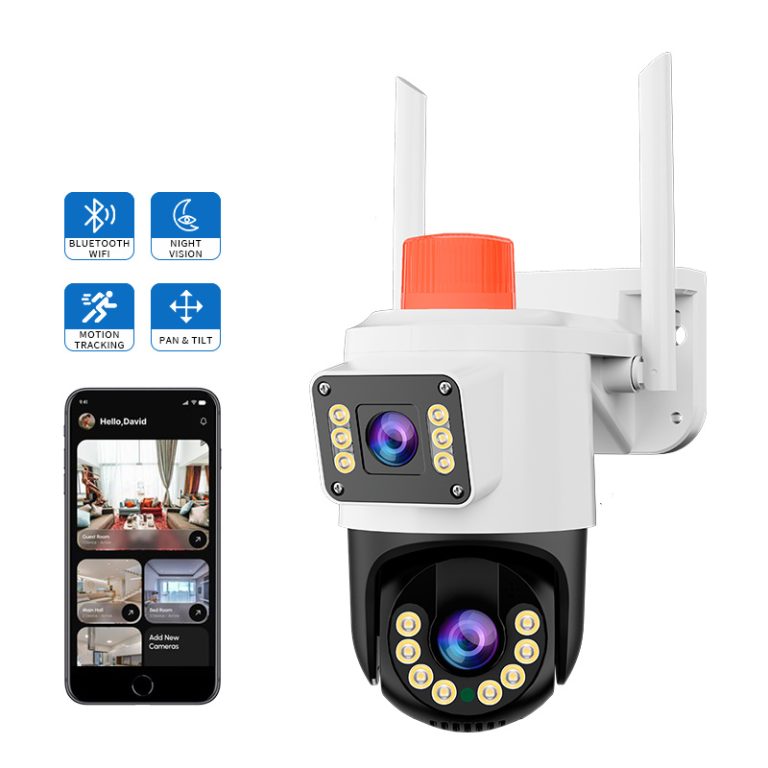
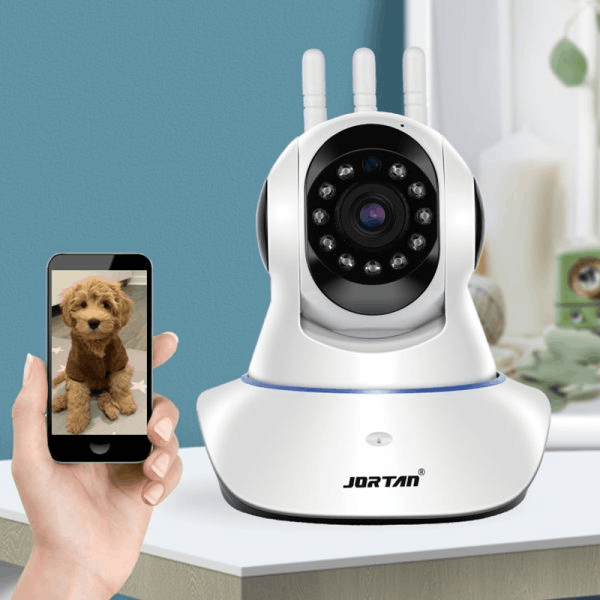
Also, by getting the app on a phone, people can look at their work spots or houses from anywhere at any time. The very same idea works for hospital security groups—they can pull up live pictures on their phones during tough moments so they can plan and act together much better.
Why Should You Consider Jortan’s Indoor Cameras for Hospital Use?
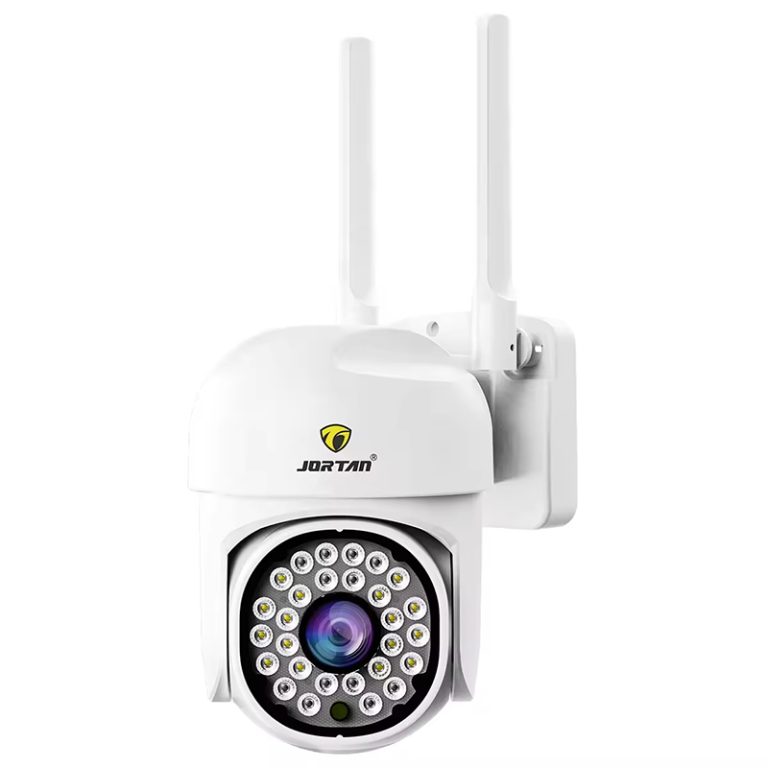
Picking the best company for your watching tools decides how smoothly and strongly your hospital stays protected. Out of many choices today, Jortan stands tall as a name people trust because it brings fresh, smart indoor camera answers made just right for places that take care of health.
What Makes Jortan’s Products Stand Out in the Market?
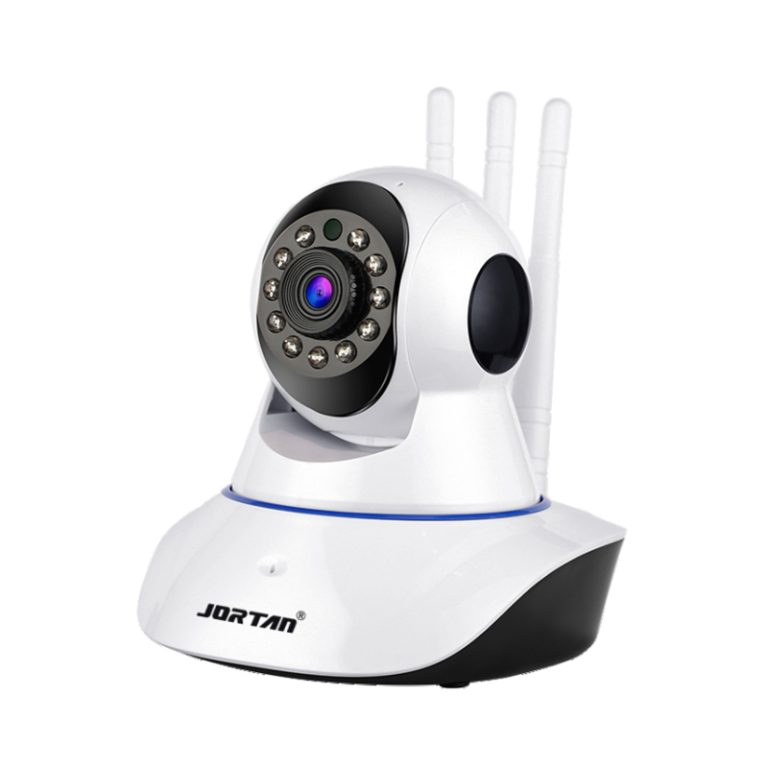
Jortan brings the newest tech built specially for hard places such as hospitals. Their camera setups mix careful building with parts that feel easy to use, so everything runs without trouble in every section. The video comes out very clear and sharp, and the cameras keep working well day after day—those things matter a lot in health buildings where even a tiny delay can change everything.
The company works hard to create flexible systems that can add smart computer thinking for catching movement and sending quick reports about problems. Jortan also cares a lot about toughness; they use strong pieces that hold up fine when the cameras run non-stop around the clock in busy, tough spots.
When you choose Jortan indoor camera answers, you do not just buy machines—you get a whole smart setup planned to grow along with whatever new safety needs your hospital might have later.
How Do Jortan’s Features Improve Security Measures?
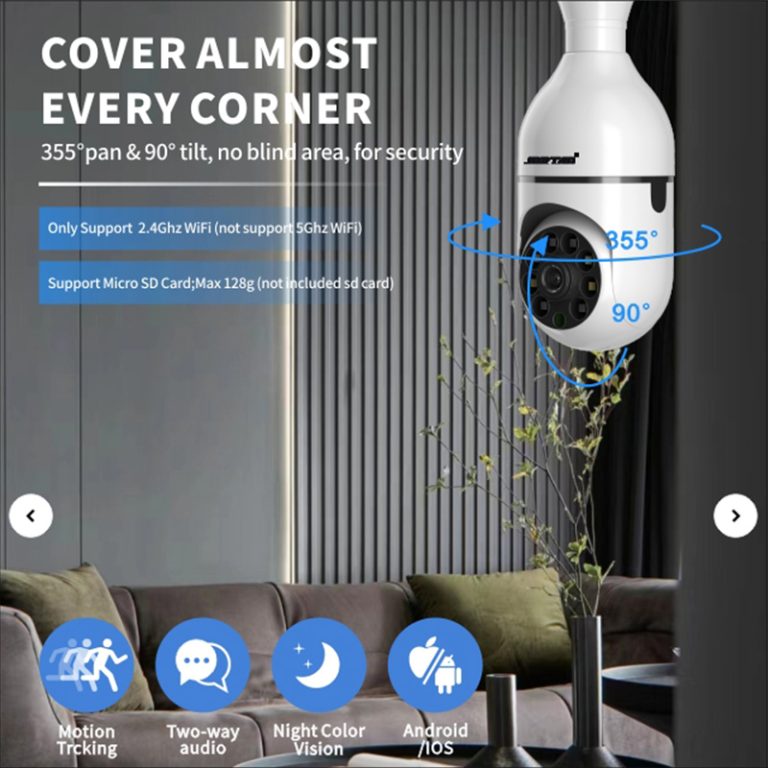
Cameras from Jortan come ready with tools that spot motion, see in the dark, and let you check from far away. Those tools mean you can keep an eye on the whole hospital building all day and all night without a break, so protection stays strong. Because they fit nicely with the security stuff you already have, Jortan cameras make it simple to add better watching without tearing everything apart.
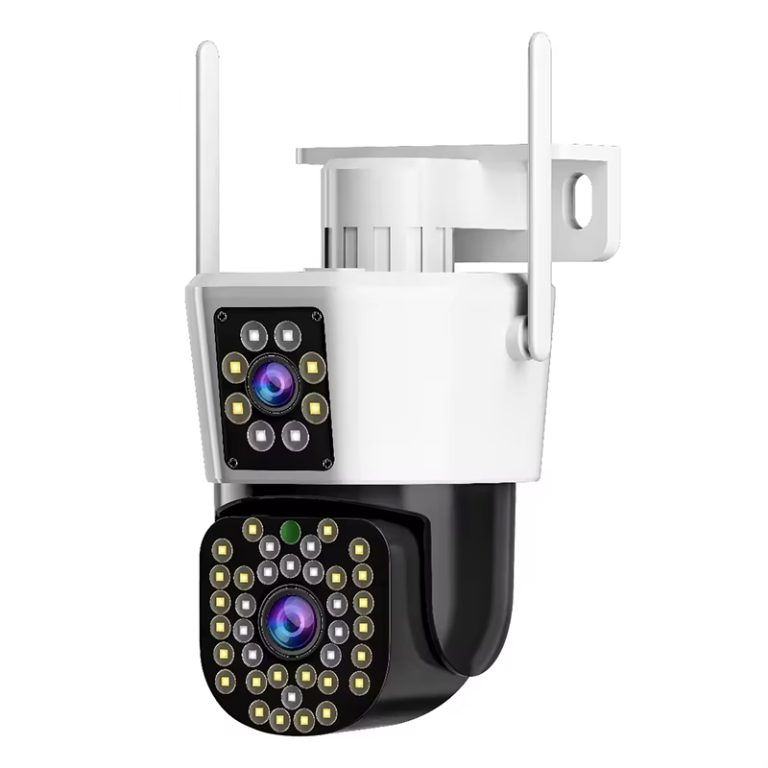
Cameras that use two lights for night viewing get used in lots of places, like building sites and parking areas. No matter if the job is outside watching or stopping stealing inside, they do a great job. Inside hospitals, this kind of tech keeps pictures clear and true in sick rooms and long hallways no matter how bright or dim things get. When you add the part that follows movement, it sends instant warnings whenever someone walks where they should not be after visiting hours end.
Are There Privacy Concerns with Using Indoor Cameras in Hospitals?
Keeping people safe should never mean stepping on their private space—especially in health places where keeping patient secrets matters more than almost anything else.
How Can You Balance Security with Patient Privacy?
Even though strong safety stays very important, looking after patient privacy counts just as much. You can find a good middle ground by putting cameras mostly in open public spots and staying away from private areas like rooms where patients rest or get checked. Setting up plain rules about how and when the cameras record helps follow privacy rules.
By keeping cameras in hallways, front waiting spaces, medicine rooms, and storage closets instead of treatment areas, hospitals stay open and honest without crossing into personal zones.
What Measures Ensure Compliance with Privacy Laws?
To stay inside privacy rules, hospitals need to set clear steps for how cameras work and how long videos get kept. Doing regular checks and teaching workers about keeping data safe count as key moves to protect patient details while still using indoor cameras well.
Rules about how long to hold onto videos should match the local laws on keeping information safe—making sure recordings stay locked up tight and get removed once they no longer help with daily work.
How Do Indoor Cameras Integrate with Other Hospital Systems?
Today’s hospitals use many connected tools—from digital patient files to machines that run the building—and watching cameras should smoothly join into that whole connected world.
Can Indoor Cameras Work Seamlessly with Existing Security Infrastructure?
Yes, the newest indoor cameras get built so they hook up easily with whatever security setup you already run. You can link them to main control boards or recorders on the network to get one big, full watching plan. That kind of joining makes daily work simpler and lets teams answer problems quicker.
Indoor high-definition network dome cameras (great for inside spots in office buildings and fire safety centers) show how easy setups—such as ones that mount on the ceiling—fit right into what you already have without needing lots of new wires.
What Are the Benefits of a Unified Security System?
When one single system pulls all the watching pieces together, everything runs smoother. You handle every safety part from just one screen, which saves time and makes things easier. It also lets you pull up information fast whenever you look into something or deal with an urgent moment.
Once everything connects the right way, your hospital gets sharper awareness of what goes on around it, plus lower running costs because one main program can watch and control many cameras at the same time.
FAQs
Q: How often should hospital indoor camera systems be updated or maintained?
A: Checking and fixing things every six months helps keep them working their best and catches small problems before they grow.
Q: Can indoor cameras help reduce theft incidents in hospitals?
A: Yes, when cameras sit out in plain sight, they make people think twice before taking things, and if something does happen, the video helps point out who did it.
Q: Are there specific regulations hospitals must follow when installing indoor cameras?
A: Hospitals have to follow their area’s privacy rules and health laws about watching setups so that patient rights stay safe while security stays strong.