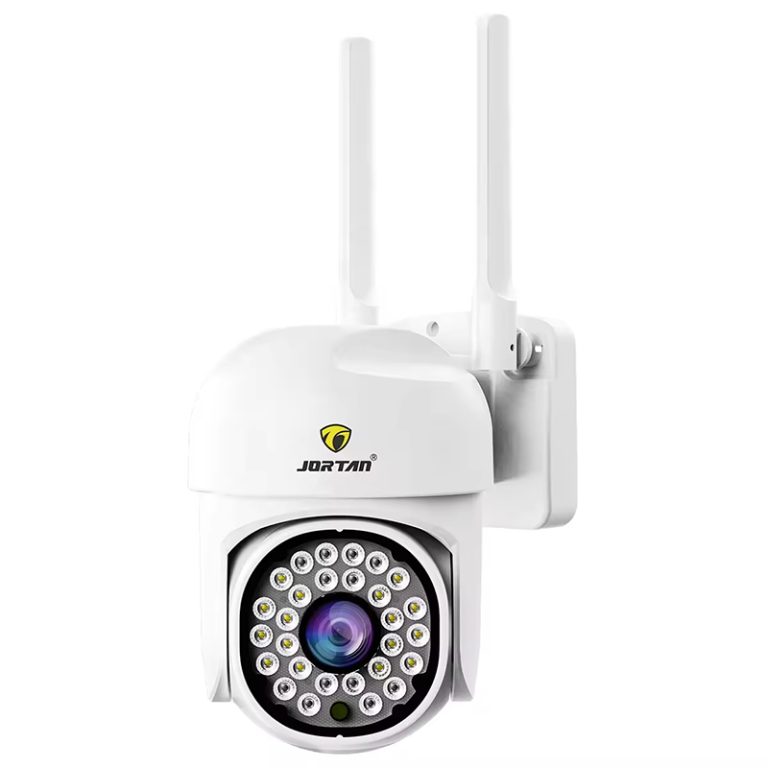
Have you attempted to improve your business security measures or set up a fresh home surveillance setup in recent times? You could have spotted something rather irritating. That $180 camera you checked out last summer now stands at $225 without warning. This development goes beyond a mere neighborhood pattern or one company’s bid to gain extra revenue. Right at the start of 2026, the security field ran into a barrier of increasing expenses that surprised plenty of shoppers. No matter if you run a tiny store or oversee a huge distribution operation, the fact stands that expenses for watching over your assets have changed. We observe an uncommon mix of pricey delivery, limited core pieces, and a big rise in costs for the metals and plastics that form these tools. Because of this change, folks everywhere are reviewing their spending plans now that the time of cheap security items is slowly slipping away.
The Heavy Impact of Raw Material Costs on Hardware Production
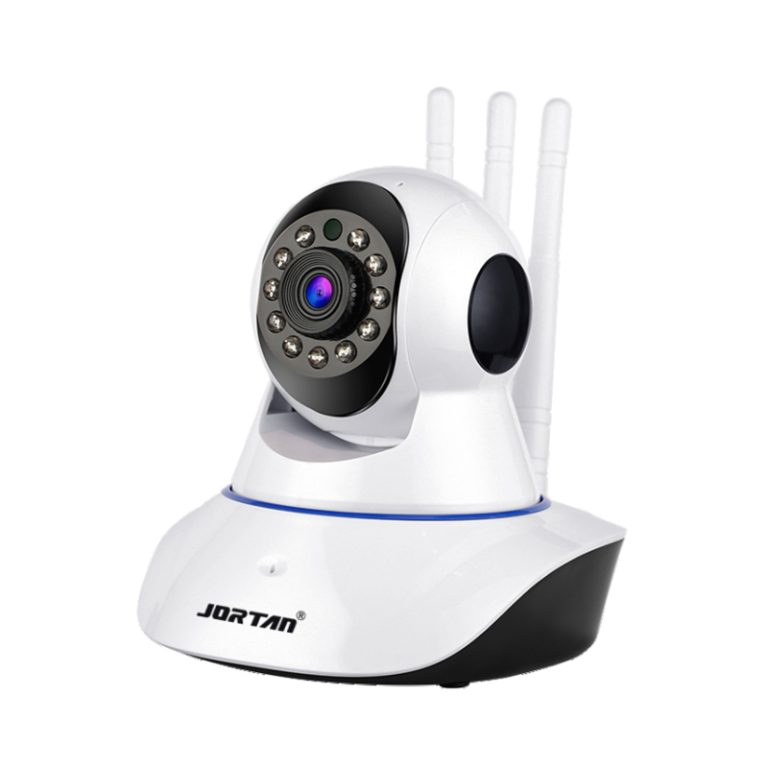
All the parts that make up a solid camera—from the glass inside the lens to the aluminum cover that guards it from water—keep getting costlier. Back at the end of 2025 and the beginning of 2026, the international trade for basic supplies faced a quick jump. Just the price of aluminum went up 14 percent in half a year, and that strikes right at making outdoor bullet cameras, which call for strong, rain-proof shells. If you add up those hikes over thousands of items, the cost to produce them rises a good deal. The wires on the inside and the top-quality plastics face the same issues, too. Copper, which plays a key role in steady data sending and electricity, has had its price go up sharply. For a manufacturer like Jortan, one that aims to supply tough hardware good for many years, picking bargain or reused stuff won’t do. To keep up that strong standard of work as supply costs rise, the last price for the buyer has to show those shifts in the end. And it forms a hard choice between holding the tools at a fair price and confirming they hold up past a few months under bright sunlight.
The Silicon Crisis and Imaging Sensor Scarcity
What truly powers any current camera is its image sensor, along with the SoC (System on Chip). Those parts depend on silicon slices that see strong pull from car manufacturers and AI areas right now. And when auto firms plus data centers grab most of the stock, security manufacturers end up paying extra to secure the chips for 4K clarity and dark-time sight. Such a lack drives much of the prices you find for security cameras on display these days.
Why High-Grade Glass Lenses Are Harder to Source
The matter reaches further than just the electric bits; the light-handling parts count equally. In order to gain the bright, exact pictures found in professional units like the Jortan JT-8177 wireless camera, manufacturers need glass free of impurities. But the power needed to heat and form that glass has turned way more costly, which causes a jam in making lenses. So when glass runs higher in price, each piece coming from the line picks up that added load in its cost.
Persistent Supply Chain Issues and the Logistics Bottleneck
Moving a camera from the plant to a storage spot in some other land isn’t as easy or low-cost anymore like before. Even though people thought matters would calm by 2026, fresh problems in the supply line have shown up. Extra charges for fuel and a few trained workers at the docks have held shipping fees close to twice what they were before 2020. Take a usual container for sea travel that used to run $2,500; it might hit near $5,800 today, with those fees spread out over all the cameras packed in.
Besides pushing up prices, these transport snags bring waits too. Picture a firm holding out for a 32-camera NVR setup to guard a new storage building; a holdup of three weeks might cost thousands in lost chances from break-ins or poor watching.
Rising Labor Costs in Manufacturing Hubs
With costs to live climbing all over the globe, the folks who build, check, and box these cameras require bigger pay to keep going. In big production zones, worker costs have gone up roughly 11 percent from last year. This goes past simple putting together; checking a dual-lens camera for program exactness and weather hold needs trained experts, and their know-how now costs a steeper fee than any time past.
The Complexity of Component Sourcing
One camera could pull parts from four varied lands. Should a plant in any spot close or experience a power outage, the full manufacturing chain grinds to a stop. That chain reaction in supplies forces manufacturers to spend more for spread-out getting. It’s not wise anymore to count on just one source, and setting up a spare web of part providers acts as a pricey yet vital safety net for steady brands.
Adapting to the CCTV Price Hike and 2026 Market Trends
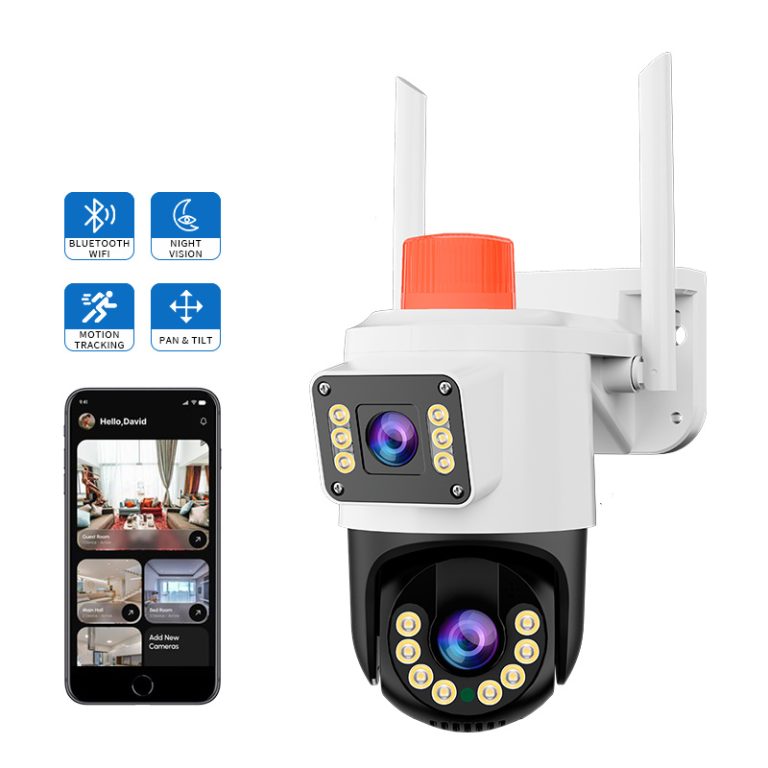
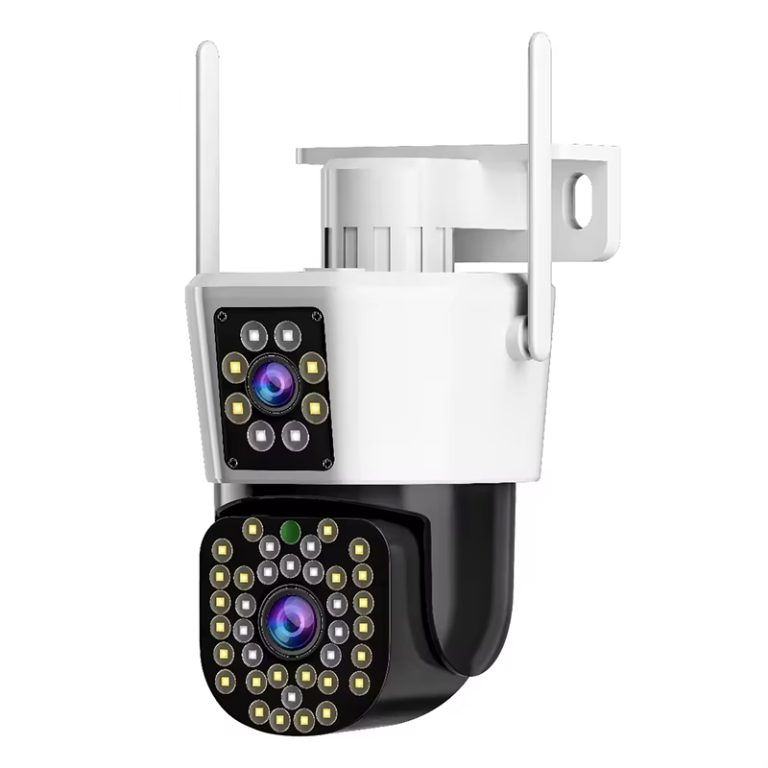
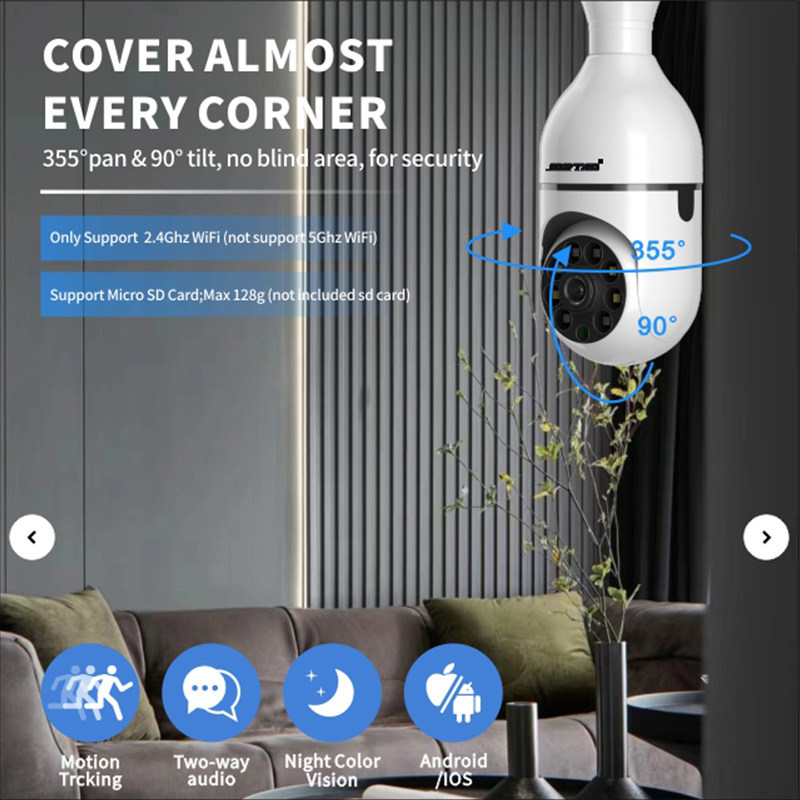
Shoppers begin to see that this ongoing CCTV price rise isn’t a short-term fault but a full market redo. When we look over the 2026 market trends, a clear shift shows to “value-density.” Folks quit hunting the lowest-cost camera; they seek the one that handles the biggest jobs. Over getting four low-end, fuzzy units, lots of B2B users pick one or two strong dual-lens cameras that watch the same spot with way finer points.
Here is where Jortan gains its edge. Through giving forward options like solar energy and many-lens sights in one piece, the full costs for a surveillance system in a task can be handled better in practice. Sure, one camera might run higher, but you cut costs on wires, setup hours, and mount pieces required. The path for 2026 surely points to using bought hardware in smarter ways, not simply grabbing extra stuff.
The Rise of Solar and Wireless Integration
Since laying wires grows costlier due to worker fees and copper rates, solar-run cameras are gaining fast favor. Such a solar unit skips needing a skilled wireman to lay pipes, cutting the installation tab significantly. The Jortan JT-8161QJ IP camera is a prime example of how integrated tech matches just right with this fresh setup, where “total cost of ownership” beats the starting box price.
Intelligence Over Everything: The AI Influence
Units in 2026 must go beyond plain noting; they need to reason. Wise move spotting that splits a lost cat from a human now stands as a must-have. Yet, to run those AI steps takes stronger chips. This gear-loaded change forms a main reason security camera prices hold firm—you pay for a thinker with a sight, not a basic note tool.
How Businesses Can Manage Growing Surveillance System Costs
To B2B shoppers and bulk sellers, the task is holding security without busting funds. The top path to deal with today’s price air is via far-sighted plans and picking solid allies. Not jumping at each CCTV price rise to swap for a low, odd brand, wise firms nail down buys soon. Forming ties with a sure manufacturer like Jortan lets for better stock plans and steadier price setups, key for big security works.
A further route to trim costs is eyeing mixed setups. You don’t always call for a $500 unit in each spot. Blending top PTZ (Pan-Tilt-Zoom) cameras for broad zones with plain WiFi ones for inside work areas aids in evening the spend. Grasping your exact wants stops extra outlay on unused perks. As you eye full surveillance system costs, with storage disks and monthly data fees, picking smart H.265+ press tech—like in Jortan goods—saves hundreds in hard space by itself.
Investing in Durability to Prevent Replacement Costs
The priciest camera to get is the kind you swap yearly. Amid climbing prices, throw-away tech traps funds. Pro tools are built to take power jumps and hard rain. By laying out 20 percent more at first on a Jortan setup, you skip the full tab of a new full swap two years on. For 2026, a strong build serves as the top shield from price swells.
Strategic Bulk Purchasing for Distributors
To our B2B mates, bulk buying forms the main guard against ship swings. Through packing bigger boxes and keeping extra local stock, you shield buyers from day-to-day shifts in world supply lines. It needs more cash at the start, but in a field where 2026 market trends point to lasting ups and downs, holding “boots on the ground” with set-to-go stock gives a huge lead in the rivalry.
Conclusion
The security scene in 2026 clearly costs more, yet it advances too. Though basic supply costs and chain snags have lifted security camera prices, the tech steps up to give a stronger guard with fewer units. Handling this CCTV price rise calls for a view change—seeing security as a key spend in safe-keeping, not a low-cost option. At Jortan, we stick to aiding our allies and buyers in finding best-value paths to lock their space. If you hunt top solutions that mix work with worth, we ask you to get in touch. For asks on bulk buys, tech details, or made security maps, please contact us today at kingjin@safejortan.com.cn and have our group lead you through the coming ways.