Monitoring demands often exceed standard power grid capabilities, and solar cell CCTV systems truly alter the approaches and locations for oversight. These arrangements combine renewable energy supplies with wireless connections plus intelligent data processing. Due to this combination, they enable straightforward installation in urban zones and remote sites alike. However, before examining their impacts in detail, it is worthwhile to understand what sets solar cell CCTV apart in modern security arrangements.
What Makes Solar Cell CCTV Systems a Game-Changer for Surveillance?
When seeking a monitoring solution that offers autonomy, reliability, and eco-conscious methods, solar cell CCTV systems stand out as a solid option. They operate entirely independently of the main grid. Sunlight provides the main power, and clever battery storage backs them up effectively. This arrangement modifies the way cameras are positioned and the places where they can go. It proves most useful in distant areas or spots lacking essential services.
The key reason why low-power solar cell surveillance cameras gain such strong popularity rests right here. They resolve tough installation challenges posed by traditional monitoring devices in remote regions or places without infrastructure. In addition, they align well with the shift towards energy conservation, environmental protection, and technological innovation. By removing the need for electrical lines and broadband connections, these systems allow for faster and less expensive setups. Moreover, they support goals related to sustainable energy.
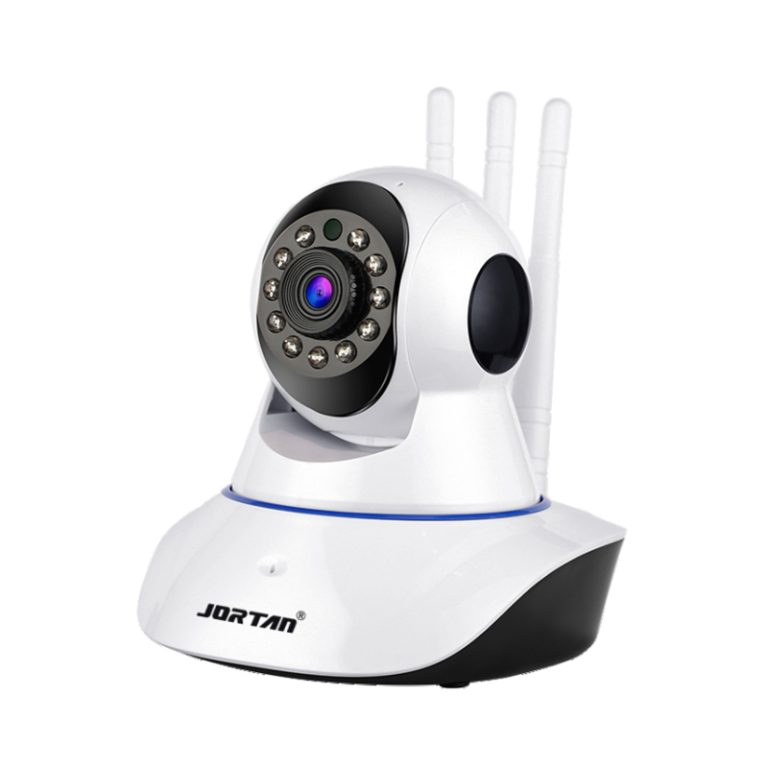
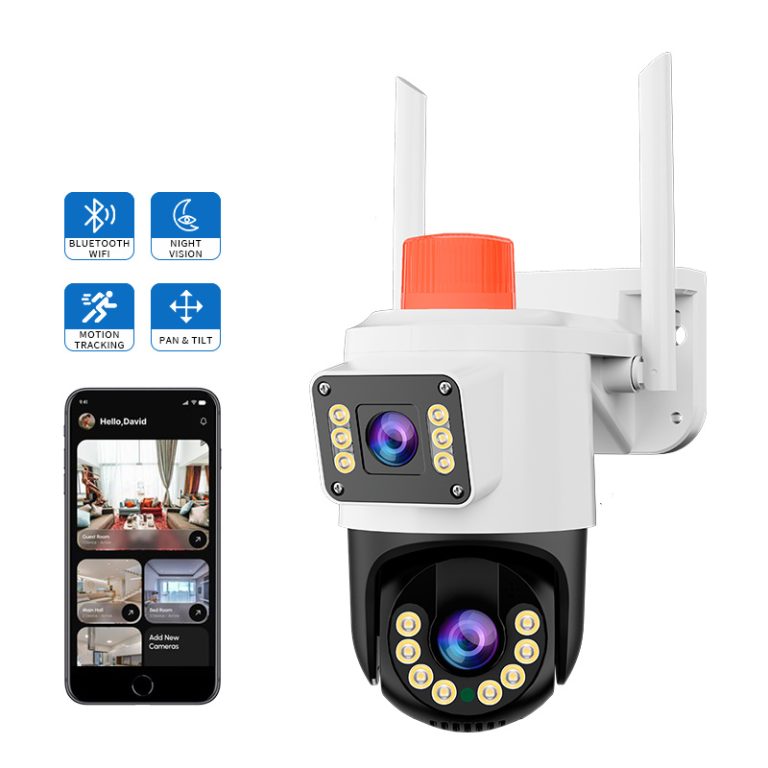
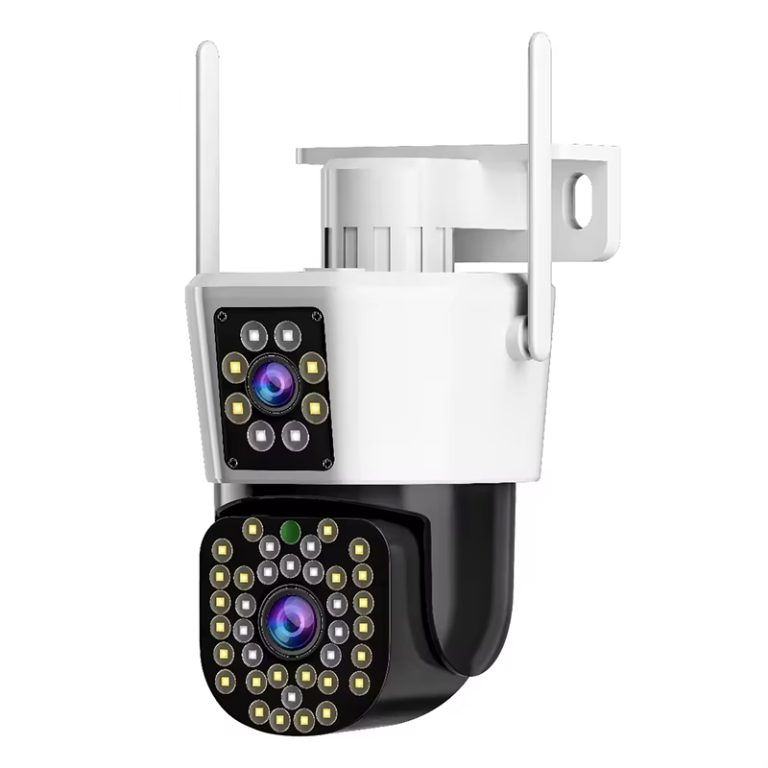
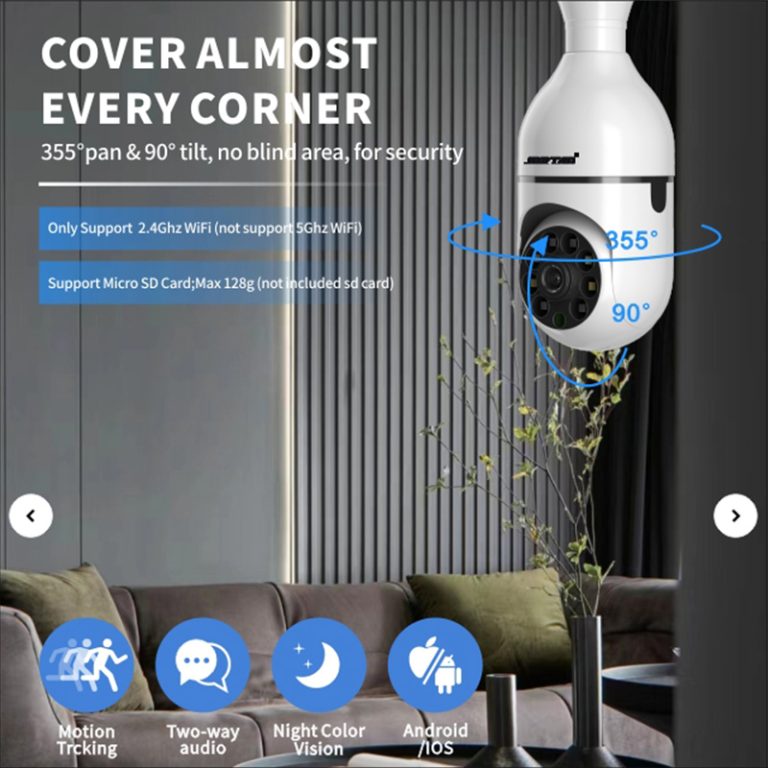
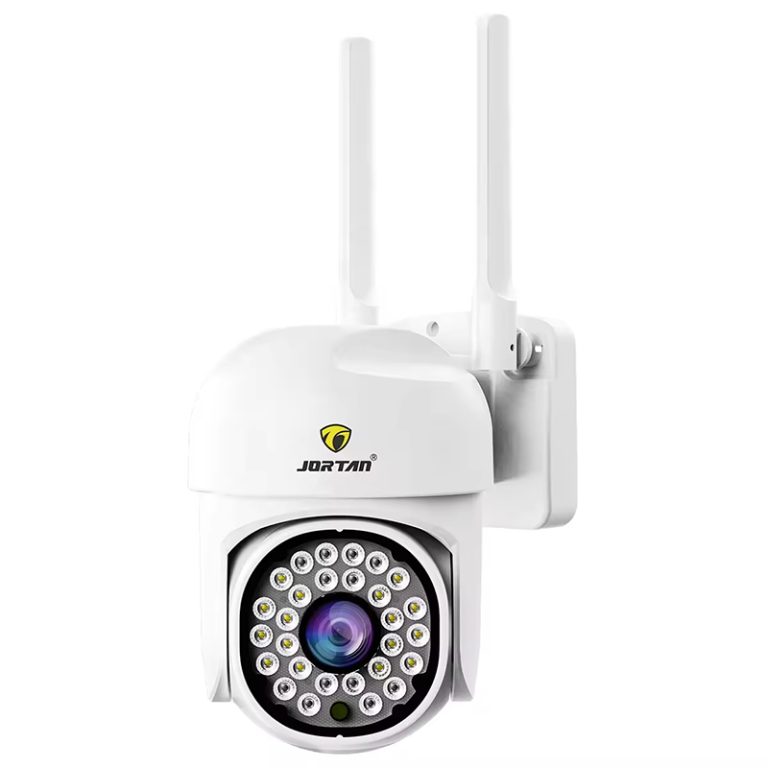
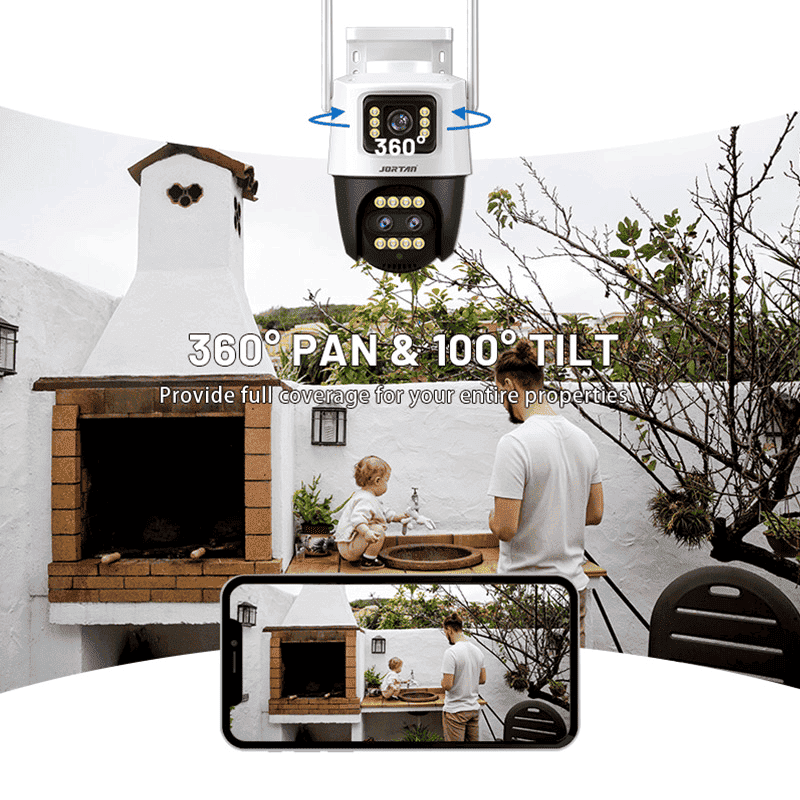
Nowadays, companies like Jortan provide much more than basic functions. Users get real-time viewing via 4G networks. Smart AI detection is included too. Durable weather resistance features come along, and everything fits demanding outdoor environments. Therefore, no matter if you monitor farmland, secure construction sites, or protect isolated road intersections, this system offers easy control and energy independence within a complete package.
How Do Solar Cell CCTV Systems Operate Without Grid Power?
To appreciate the full potential of sunlight-powered monitoring, taking a closer look at the internals proves very helpful. These systems achieve far more than simply attaching solar panels to cameras. Rather, they integrate renewable power with smart energy management techniques.
How Can Cameras Maintain 24/7 Operation Using Only Solar Power and Batteries?
Each solar cell CCTV setup features a monocrystalline silicon solar panel at its core. People select it because of its solid performance in low-light conditions as well. Solar charging happens quickly and efficiently. Monocrystalline silicon solar panels reach full charge in 5–6 hours, and they also support charging in dim light. Furthermore, they continue working in rugged locations. Once charged, the energy gets stored in large lithium batteries.
To ensure reliable operation, even under cloudy conditions, these systems rely on highly efficient low-power AOV technologies. Such technology consumes very little energy in standby mode. Artificial intelligence triggers recording only when events occur. As a result, it achieves continuous daily monitoring. The battery life outperforms older battery solutions. For example, it can last 7–15 days during rainy weather. Motion sensors and standby modes wisely reduce consumption whenever peace prevails.
Why Is Energy Independence Critical in Surveillance Scenarios?
Positioning cameras in off-grid or unstable power zones makes energy autonomy vital. In fact, it separates consistent monitoring from complete blackout.
What Advantages Do You Gain from Avoiding Grid Dependency?
Solar energy provision means no need for cable laying or electrical hookups. It is ideally suited for farm courtyards, orchards, grasslands, building sites, distant mountain areas, and other landscapes without stable electricity. In these places, the expenses and labor for trenching lines or building power sources often create barriers. Solar cell CCTV systems eliminate that burden completely.
Additionally, about 4 hours of sunlight each day can sustain 15 days of rainy and overcast operations. You pay zero for electricity throughout the year. This increases confidence during outages or crises. It further lowers long-term operational costs. That holds great importance for multi-unit deployments in agricultural or business settings.
Are There Technical Limitations You Should Be Aware Of?
While solar cell CCTV systems offer clear benefits, keep in mind their performance boundaries. Local weather directly influences power intake and component effectiveness.
What Environmental Conditions Could Undermine Performance, and How Can You Prepare?
Prolonged overcast days may reduce charging speed. Nevertheless, this avoids total shutdown. Leading producers achieve extended standby periods of 15 days. Therefore, operations continue through extended gloomy stretches.
Actual obstructions like snow or dirt can block sunlight absorption. To address that, choose panels with self-cleaning surfaces. Or schedule cleaning sessions as necessary. The waterproof and dustproof rating should meet IP66 or IP67 standards. This handles tough weather such as heavy rains, sandstorms, and similar challenges.
To extend durability further, always select lithium batteries designed for wide temperature ranges. Certain models operate from -30°C to 60°C without any efficiency loss.
Can Solar Cell CCTV Deliver Reliable Performance Around the Clock?
Concerns about nighttime coverage are valid. However, recent advances in battery expertise and imaging elements help greatly. At present, solar CCTV solutions equal traditional grid systems in uptime and image quality.
How Do Intelligent Storage and Lighting Systems Ensure Night Surveillance?
Reliable nighttime coverage begins with battery capacity. Larger reserves and precise controls enable longer runs without direct sunlight. Precise controls oversee charging cycles. They extend battery lifespan. Moreover, they prevent over-discharge during extended dull periods.
For visibility after dark, cameras depend on infrared lights or full-color night vision sensors powered by stored energy. Full-color night vision along with precise tracking capabilities can deliver clear views beyond 1080P in darkness. Furthermore, motion-activated recording conserves power. At the same time, it ensures you capture key events without wasting battery resources.
How Does Installation Flexibility Impact Your Deployment Strategy?
Beyond technical details, one immediate benefit you notice is the ease of placing solar cell CCTV almost anywhere. No prior power or network preparation is required first.
Why Is Fast and Flexible Setup a Strategic Advantage?
Installation involves no wiring: quick mounting on available poles, such as street lamps or signposts. The setup finishes in 30 minutes. It reduces 70% of construction expenses. Thus, solar cell CCTV fits both permanent installations and temporary ones like event crowds or site inspections.
To maximize efficiency, always consider placement carefully. Avoid shaded areas from buildings or trees during peak hours. Install cameras at optimal angles for your region’s sun path. And secure them tightly against strong winds if using poles.
Where Does Jortan Fit Into This New Era of Surveillance Technology?
If you want a low-maintenance solar monitoring kit that delivers immediate high performance, Jortan’s Solar Camera is designed exactly for your needs. Their device connects high-resolution video up to 3K. It includes AI-powered detection for people or vehicles. Full-color night vision integrates into one complete solar-operated system.
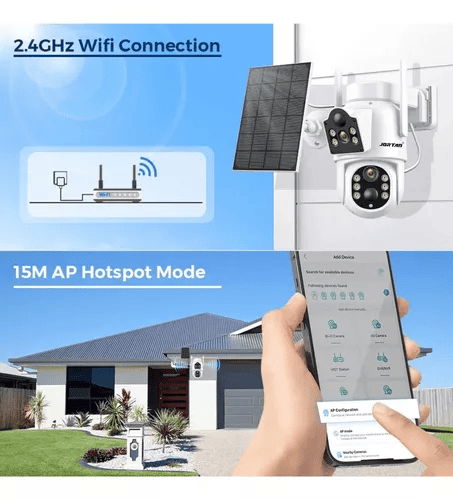
It supports 4G connections for live access without broadband. That works perfectly for farms, borderlands, or repair areas after disasters. Setup requires no tools and proceeds quickly with magnetic attachments and wireless design. With military-level IP67 protection and lithium battery storage that handles extreme temperatures easily, Jortan ensures monitoring continues in the harshest environments.
Is Connectivity a Bottleneck in Remote Monitoring Applications?
A sturdy camera is just one part of the equation. You also require stable access to footage. Fortunately, modern connection options simplify distant monitoring more than ever before.
How Do Cellular Networks Keep You Connected Without Local Infrastructure?
An embedded 4G/5G IoT card allows remote data transfer without broadband. It enables “network-free monitoring.” Through SIM-based links, you can stream live videos. You receive alerts on app notifications, and data stays secure in cloud storage. This works even if your location is miles away from the nearest Wi-Fi point.
Security receives full priority. Two-way audio allows direct talk through the phone app. For group operations, multi-user permissions ensure only chosen team members access or modify system settings.
FAQs
Q: Can solar cell CCTV work effectively indoors?
A: These systems are optimized for outdoor environments with direct sunlight exposure; indoor use requires supplemental lighting or external power solutions.
Q: What happens if there’s no sun for several days?
A: Most systems with large-capacity batteries and AOV low-power tech can last between 7 and 15 days under overcast conditions when fully charged.
Q: Do I need a technician to install a solar CCTV unit?
A: Most models are designed for easy DIY installation with clear instructions; however, for complex deployments or large-scale installations, professional assistance may be beneficial.