
Outdoor wireless IP cameras work in environments where harsh environmental conditions, constraints of wireless signals, and demands for long-term stability are combined. Overall effectiveness is not determined by one single specification but by the way various design strategies coordinate in actual circumstances. Structural durability, optical engineering, smart processing, connectivity design, and data protection need to create a unified system instead of isolated elements.
In large-scale residential areas, business sites, or infrastructure-adjacent environments, reliability means steady image quality, stable connectivity, and reliable alerts despite variations in climate, lighting, or network stability. The article explores the way in which special designs contribute to continuously stable work in outdoor wireless IP cameras.
Why Do Structural Design Choices Affect Outdoor Camera Reliability?
Cameras placed outdoors encounter ongoing contact with rainfall, particles, fluctuating temperatures, and physical pressures. Consequently, the physical structure serves as the primary barrier ensuring lasting operation.
How Does Weatherproof Construction Protect Camera Operation?
Protection against ingress represents far more than a promotional claim. Effective sealing stops water from reaching the lens unit, electronic boards, and connection points, thereby limiting rust formation and disruptions in signals. Enclosures carrying proper IP ratings also prevent the buildup of dust particles that might harm imaging sensors or hinder heat dissipation. Carefully engineered casings enable the device to continue functioning amid intense downpours, debris carried by strong winds, and shifts in seasonal temperatures, thereby facilitating continuous observation.
Why Does Heat and Power Stability Matter Outdoors?
Installations in open areas frequently endure extended periods under direct sunlight or restricted ventilation. Overheating influences sensors for images, central processors, and radio components, potentially causing skipped frames or reduced service life. Sensible heat control measures, paired with consistent electrical supply management, ensure that operational parts deliver uniform results. Effective dissipation of thermal energy and regulation of voltage changes permit the camera to uphold dependable functioning throughout lengthy installation periods.
How Do Imaging and Night Vision Strategies Improve Monitoring Accuracy?
Accurate visual capture across varying lighting levels forms a core aspect of trustworthy outdoor surveillance. Approaches related to lens design and low-light capabilities decide if recorded material stays practical when the environments worsen.
Why Is Full-Color Night Vision Important for Outdoor Security?
Conventional infrared systems retain basic shapes but forfeit important contextual elements. Full-color night vision, enabled through highly sensitive imaging chips and supplemental lighting sources, retains hue details that assist in accurate recognition. Such capability is essential for distinguishing apparel, automobiles, or items during dim conditions, thereby enhancing the usefulness of evidence while preserving coverage after dark.
How Do PTZ Systems Reduce Blind Spots?
Cameras with fixed positions naturally create uncovered zones. Pan-tilt-zoom mechanisms counteract this limitation through adjustable perspectives and distant operation. The ability to rotate permits one unit to encompass broader regions, while zoom capabilities secure finer details upon sensing activity. This method decreases reliance on several stationary units and ensures that significant occurrences are not overlooked because of rigid viewpoints.
How Do Intelligent Detection Functions Increase Reliability?
Dependable surveillance extends beyond mere video capture to include the provision of relevant alerts without burdening operators excessively.
Why Does AI-Based Human Detection Reduce False Alarms?
Open-air settings produce frequent motion caused by plants, wildlife, and shifts in lighting. Advanced detection processes examine motion characteristics to separate human presence from ordinary environmental movements. Through the elimination of nonessential activations, the system reduces unnecessary alerts and directs focus toward genuinely important incidents, thereby enhancing functional dependability and promptness of reactions.
How Does Automatic Tracking Support Evidence Capture?
The capacity of a camera to pursue an identified individual on its own preserves seamless flow in captured material. Smart following keeps the target inside the viewing area throughout displacement, assuring vital segments appear sharply recorded. This particular approach bolsters more trustworthy examination of occurrences and lessens the requirements for hands-on adjustments.
How Do Connectivity and Transmission Designs Ensure Stable Monitoring?
The wireless signal pathway frequently emerges as the weakest component in outdoor monitoring setups. Choices made in this area exert direct impact on overall steadiness.
Why Are Flexible Connectivity Options Important?
Locations outdoors seldom provide consistently robust wired internet access. Cameras engineered for operation via nearby wireless networks or mobile data links offer valuable versatility. Integrated hotspot capabilities and cellular compatibility enable ongoing monitoring even during outages of primary networks, thereby sustaining uniform performance in isolated or provisional setups.
How Does Advanced Encoding Improve Streaming Stability?
Sophisticated compression methods decrease required data throughput while preserving visual sharpness. Contemporary encoding standards reduce transmission volumes, thereby limiting delays and data packet losses across wireless channels. As a result, live feeds appear more fluid, and recordings are more consistent, even when bandwidth remains constrained.
How Do Storage and Access Strategies Ensure Data Security?
Captured material holds minimal worth if it becomes unavailable or irretrievable at crucial moments.
Why Is Hybrid Storage Important for Outdoor Cameras?
On-device recording maintains unbroken capture during network disruptions, while remote cloud options safeguard content should physical harm or theft occur. Combined strategies merge these advantages, ensuring material accessibility amid diverse breakdown situations. Built-in overwrite mechanisms additionally lessen routine upkeep demands.
How Does Multi-User Access Improve Monitoring Efficiency?
Surveillance of outdoor areas commonly requires involvement from several authorized individuals. Arrangements featuring a protected shared viewing permit multiple approved users to examine recordings concurrently without exchanging login details. Such functionality enhances teamwork and supports swift reactions while upholding information protection.
Which Product Designs Demonstrate Reliable Outdoor Performance?
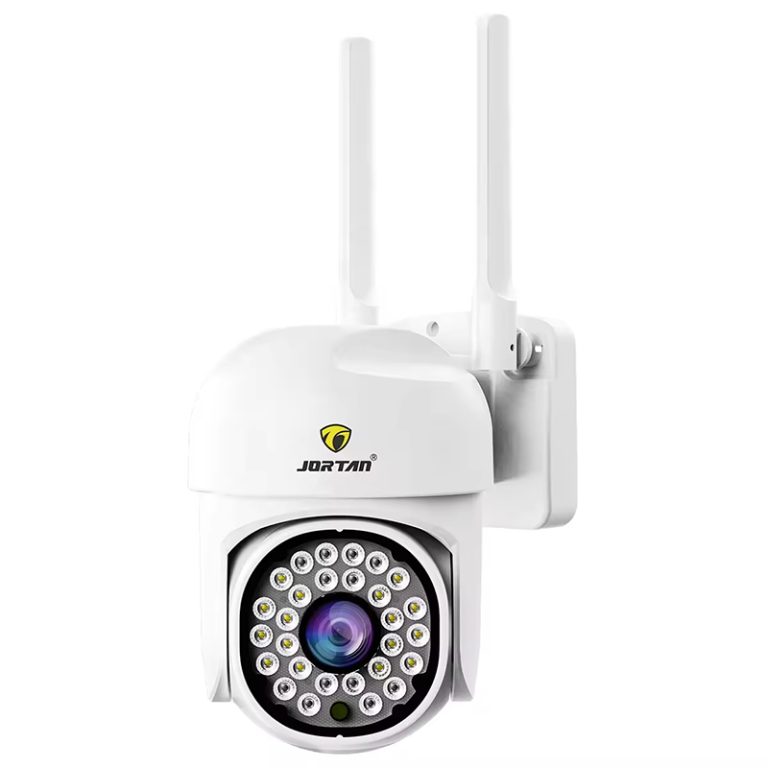
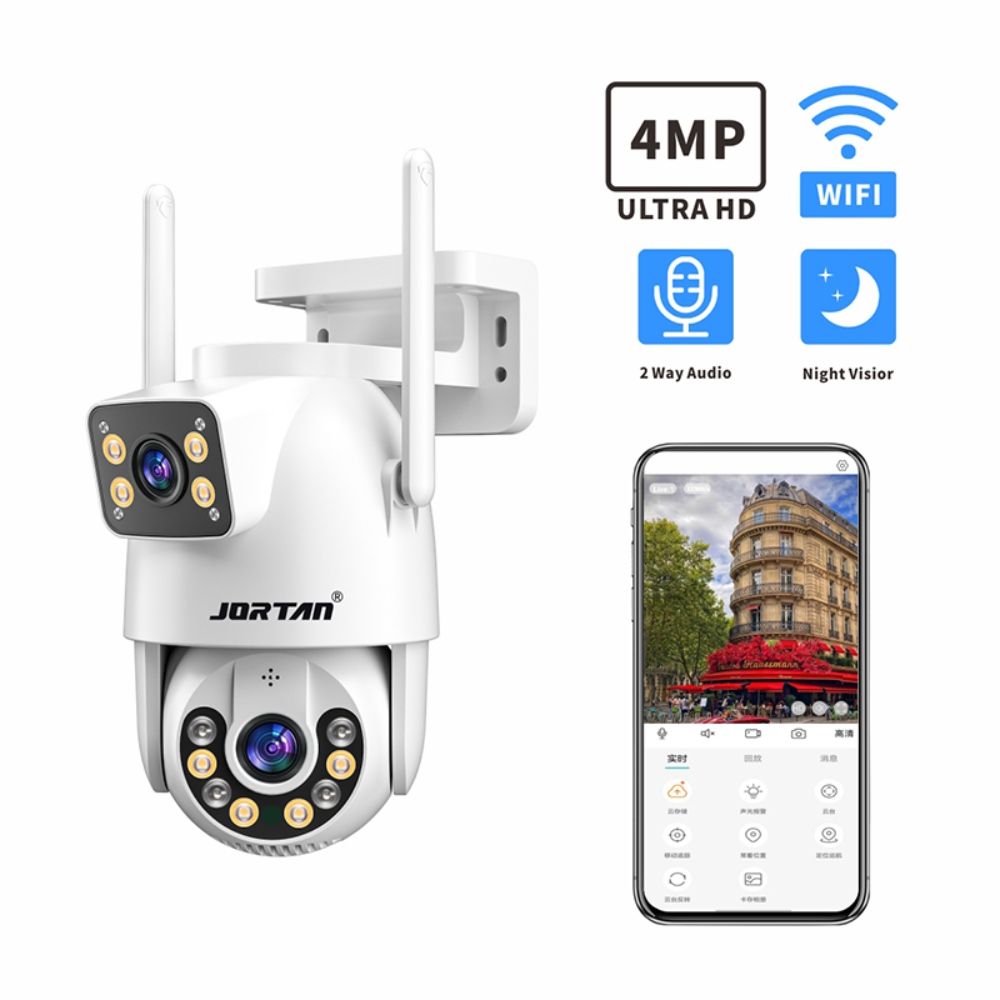
When various design strategies are incorporated into fully developed units intended for outdoor deployment, the advantages of these strategies are the clearest. For example, the JT-9697QJ wireless IP camera integrates a strong weather-resistant structure, PTZ rotation, smart motion analysis, and full-color night vision modes, enabling one unit to deliver extensive coverage, clear images, and reliable alerts in outdoor environments with common environmental variations.
How Does Manufacturer Experience Influence Product Reliability?
Stable technical quality through successive product lines commonly indicates substantial expertise in production.
With a long-standing focus on surveillance electronics, Jortan is a comprehensive manufacturer that integrates development, production, and overall system planning. Located in Yiwu, our company manages large-scale production sites and implements standardized procedures for devices designed for outdoor monitoring in home, commercial, and industrial areas. Through strict testing, continued improvements in structures, and long-term customer support, our products can maintain reliable performance even in tough environments and after long-term usage.
How Can Advanced Camera Architectures Improve Monitoring Efficiency?
With the complexity of outdoor environments increasing, devices are developed to cover larger areas with fewer numbers.
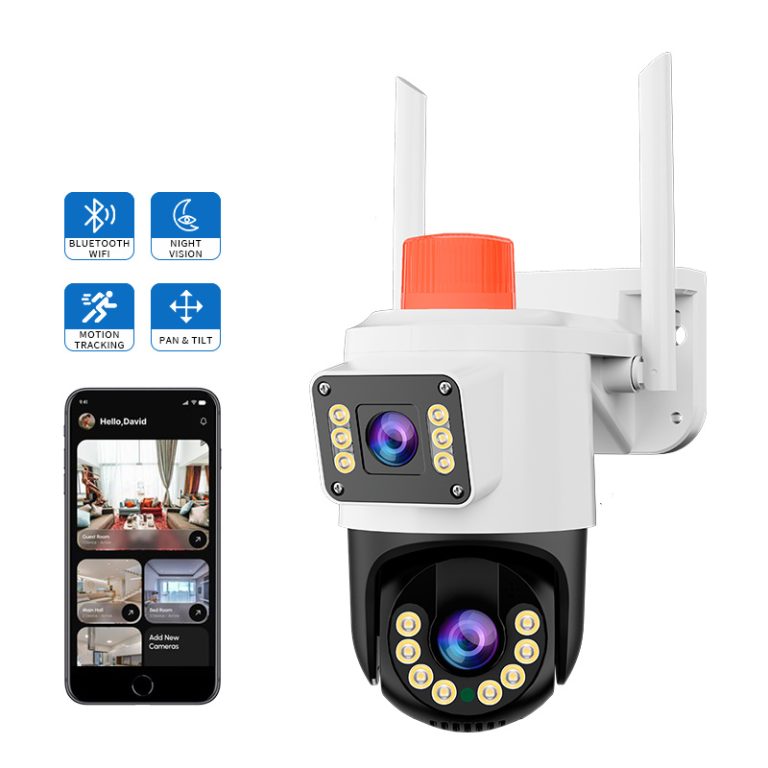
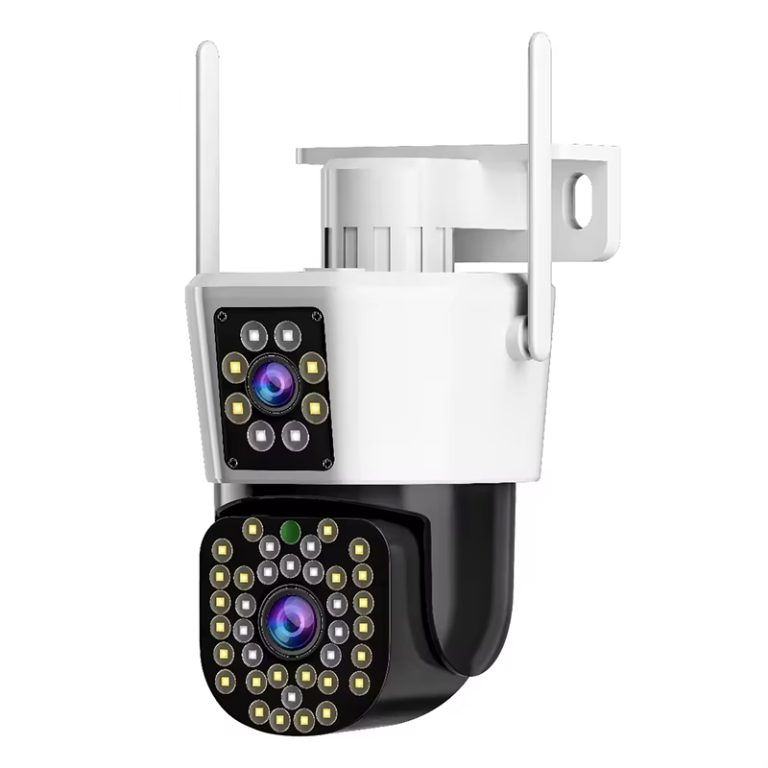
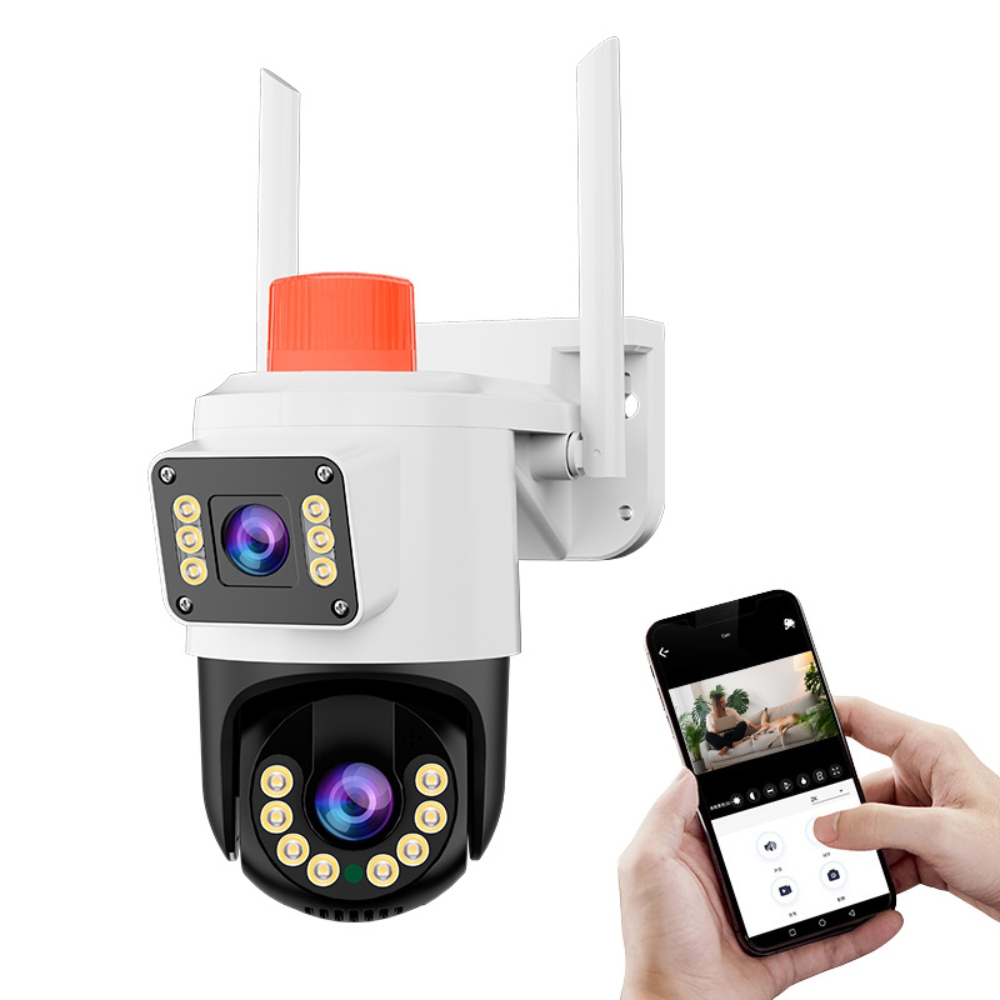
The JT-9689UQJ wireless IP cameras demonstrate the advantages of a dual-lens system and smart tracking capabilities, making the monitoring of extensive areas and targeted regions at the same time. The integration of wide-area monitoring and focused detail capture reduces blind zones and boosts overall efficiency without increasing the difficulty of deployment.
Conclusion
Stable performance of outdoor wireless IP cameras arises from the coordination of overall design strategies instead of single characteristics. Structural protection safeguards the internal components, the lens system maintains image sharpness, smart analysis improves alert accuracy, the connectivity methods ensure stable data transmission, and storage strategies preserve recorded content. Once these aspects coordinate effectively, such cameras provide stable monitoring in complex circumstances, thereby facilitating reliable security results throughout diverse environments.
FAQs
Q: Why do outdoor wireless cameras sometimes lose connection?
A: Disruptions may arise from signal disturbances, inconsistent electrical supply, or insufficient network reach. Solutions incorporating adaptable transmission pathways assist in addressing these challenges.
Q: Is full-color night vision necessary for all outdoor applications?
A: This feature holds particular significance in situations where precise recognition is essential, including access points, vehicle storage zones, and boundary areas.
Q: How often should outdoor wireless cameras be maintained?
A: Routine inspections conducted every several months assist in keeping lens surfaces clear, protective seals undamaged, and software current, thereby promoting sustained dependable operation.