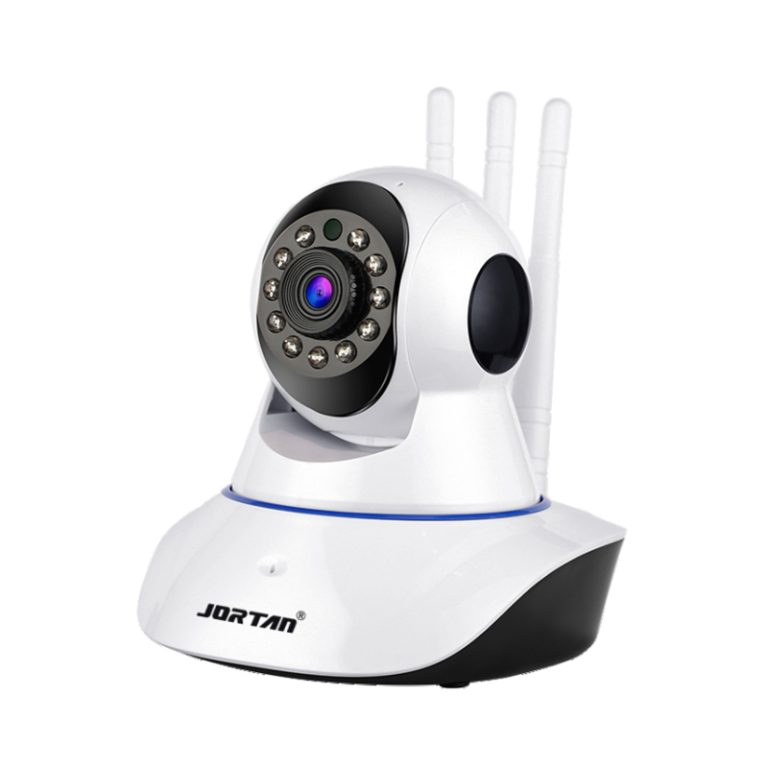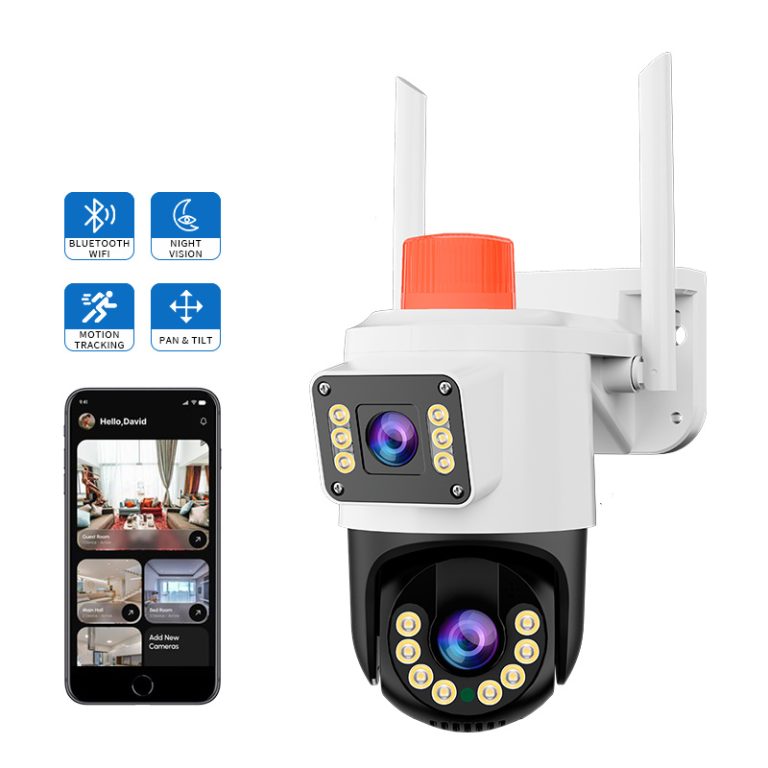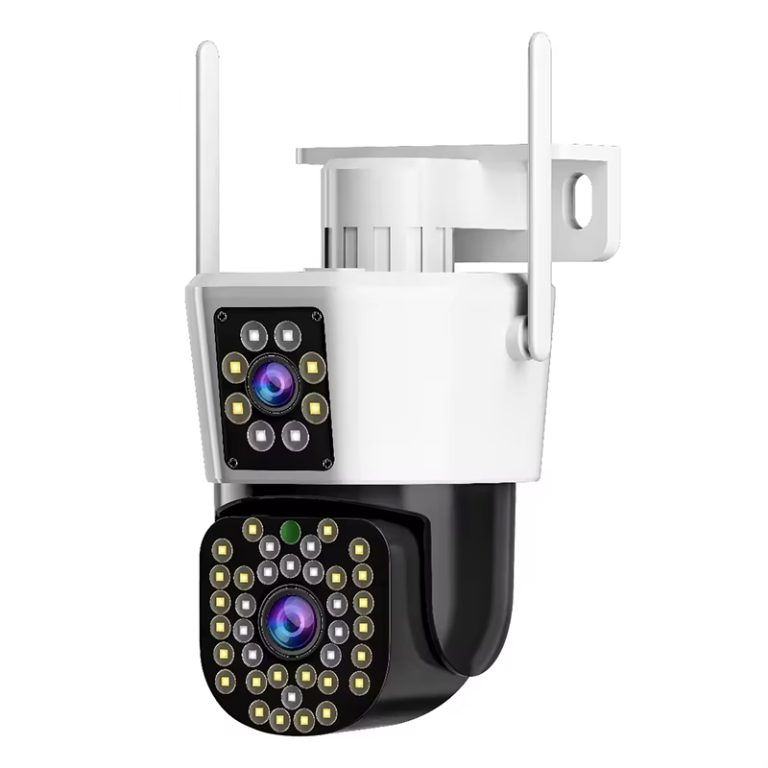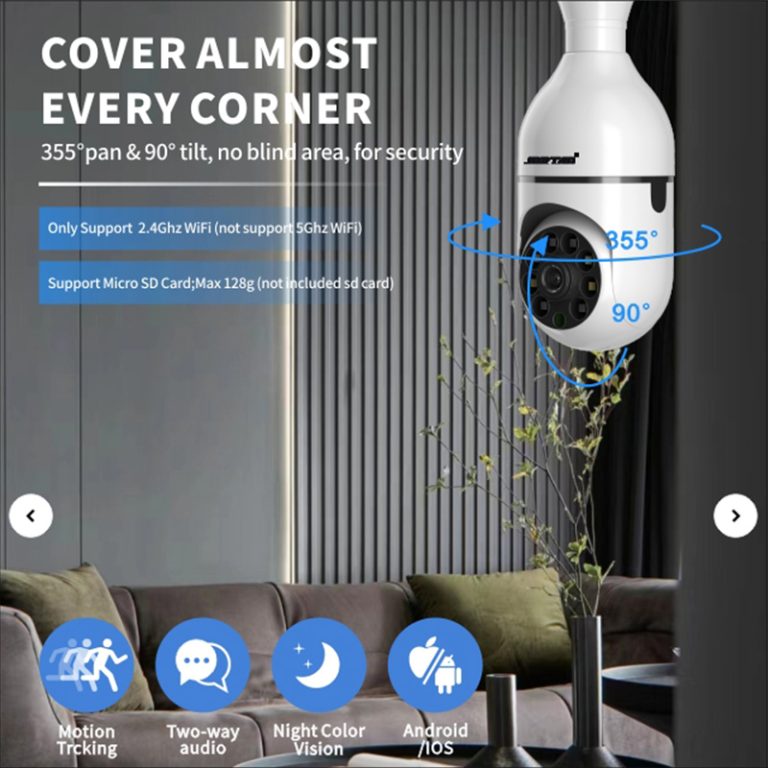
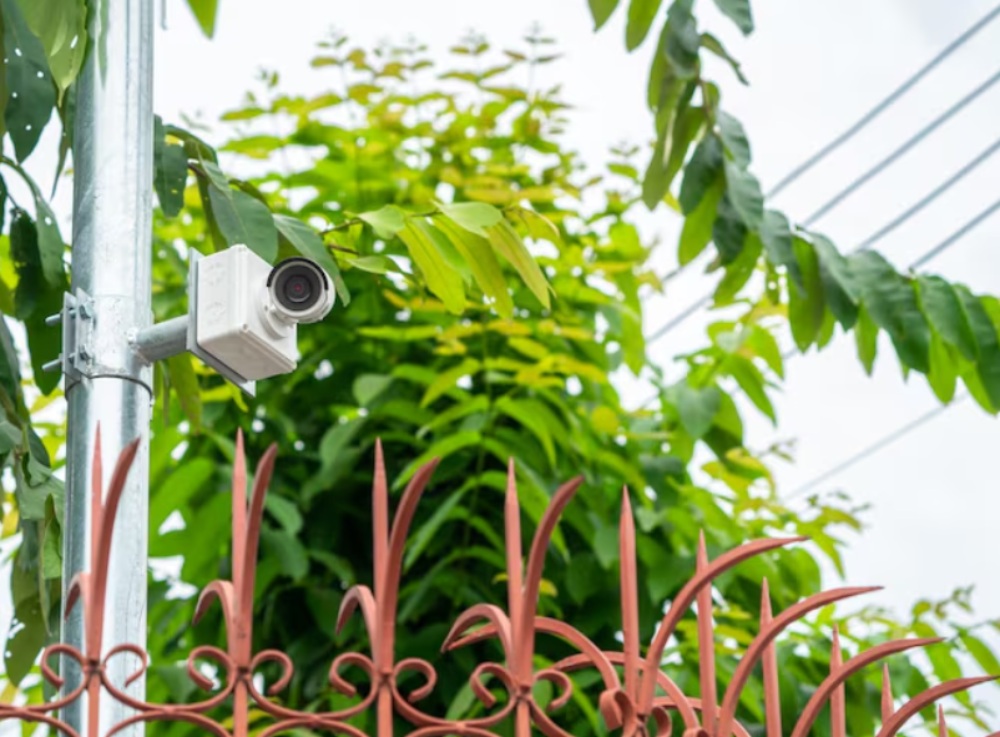
Wireless IP cameras often appear to be in the same group, but in actual fields, there are clear distinctions when indoor environments and outdoor locations receive separate consideration. The surrounding physical conditions, nature of potential risks, and specific surveillance intentions all determine appropriate designs and installation strategies. Using indoor and outdoor wireless IP cameras as replaceable choices commonly creates blind zones, unstable notifications, or additional costs that can be avoided.
The article explores the distinct purposes, structure designs, and working principles that separate these two categories, and analyzes the direct effects those distinctions produce on the practical protection effect.
What Fundamental Roles Do Indoor and Outdoor Cameras Play in Security Systems?
Identifying the expected orientation of each category in an overall protection system becomes essential before any detailed comparison.
Why Are Indoor Cameras Focused on Behavioral Visibility?
Indoor wireless IP cameras aim primarily at tracking everyday conduct inside managed areas. Their central task is to provide ongoing visual information: identifying individuals present, observing patterns of motion, and noticing any out-of-place conduct. Monitoring range stays relatively limited but covers broad angles, enabling one unit to supervise a complete indoor space.
Given the regular presence of people and animals moving about indoors, emphasis falls on fine-tuning motion sensitivity levels, ensuring fluid video playback, and maintaining tight coordination between sound and picture elements instead of applying intense intrusion-focused triggers.
Why Are Outdoor Cameras Built Around Threat Detection?
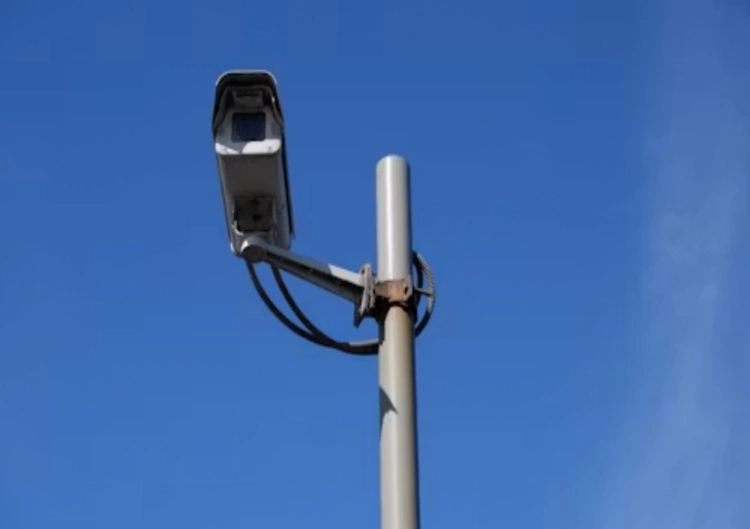
Outdoor wireless IP cameras fulfill a markedly separate objective. Positioned as initial alert mechanisms, they seek to spot possible unauthorized entry attempts well before access reaches inner regions. Instead of documenting ordinary occurrences, attention centers on unexpected appearances throughout expansive and variable zones like lawns, doorways, or vehicle storage areas.
Consequently, priority shifts toward precise identification capabilities, the ability to resist harsh environments, and elements designed for discouragement, including lighting sources and sound-based warnings.
How Do Environmental Conditions Redefine Camera Design Requirements?
Constant exposure to surrounding circumstances places continuous demands on operational consistency, with those demands varying considerably according to different locations.
How Do Lighting and Weather Affect Outdoor Monitoring?
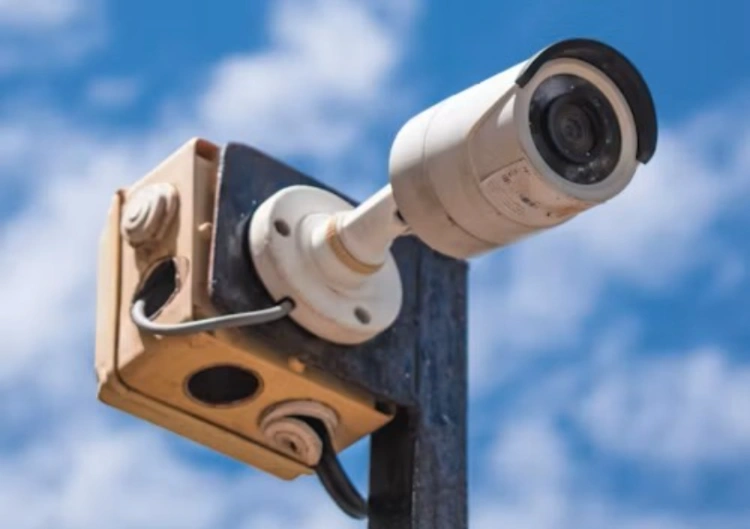
Outdoor devices have to face widely changing lighting conditions—direct sunlight, shadows, rainfall, airborne particles, and complete darkness after sunset. Enclosure structures, seal levels, and adaptability to handle temperature changes all influence picture steadiness and overall service duration.
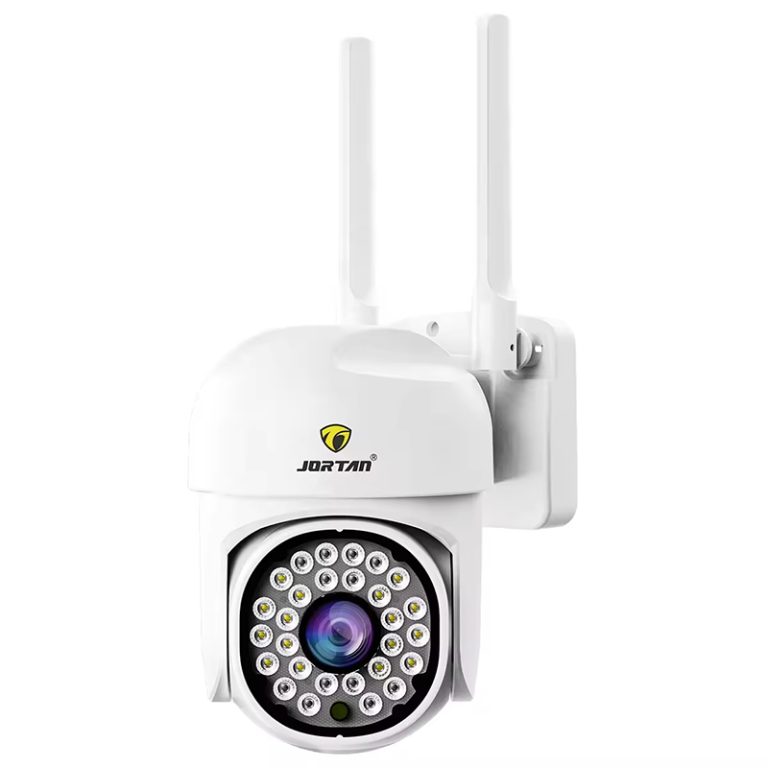
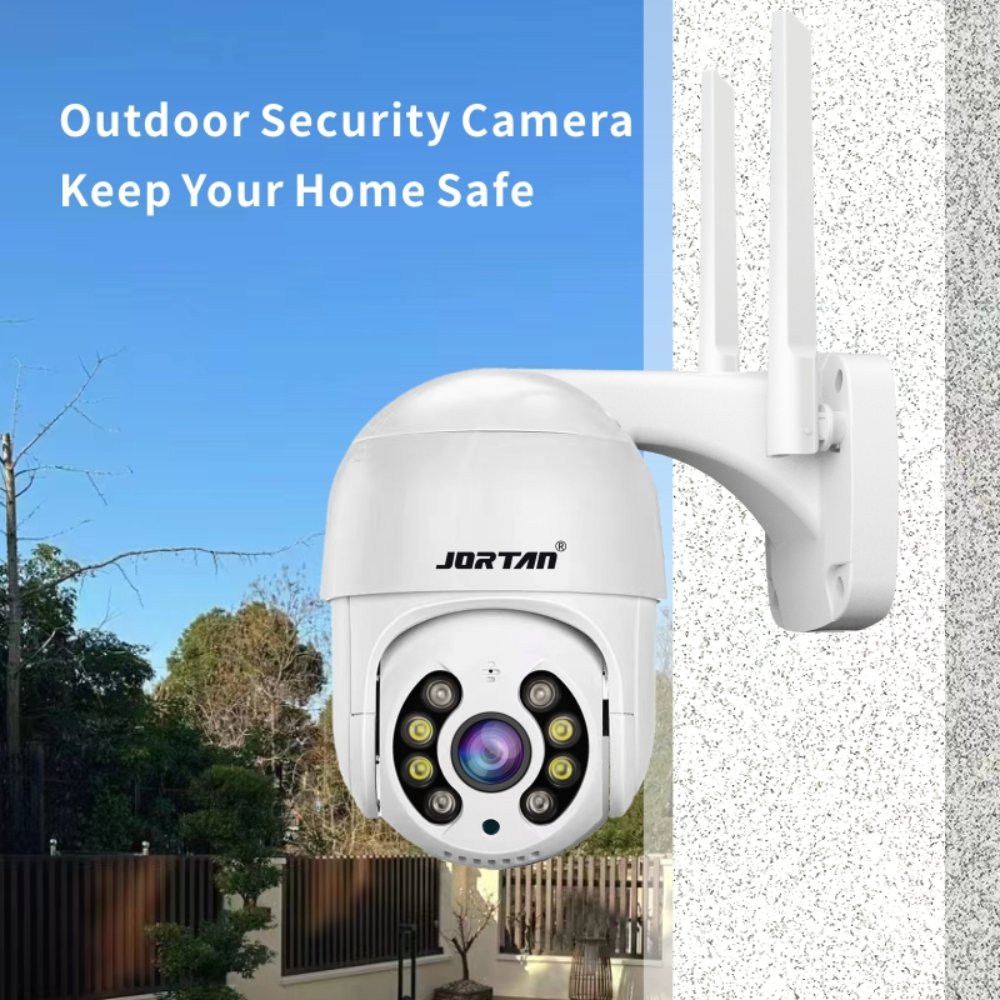
Outdoor low-light environments present particular difficulties. Systems featuring adjustable infrared behavior and smart lighting management preserve meaningful detail in darkness while avoiding excessive wrong alerts. Models like the JT-8176XM outdoor wireless IP camera show a good balance in structural protection, motion filtering, and full-color night imaging to address these challenges in exposed places.
Why Are Indoor Environments More Predictable?
Controlled indoor environments deliver steady light conditions, consistent thermal levels, and little exposure to water or dust. Cameras suitable for indoor use face reduced physical stress and far fewer fluctuating external factors.
Such reliable environments permit more attention to achieving sharp visual images, smaller sizes, and careful installation instead of heavy-duty reinforcement. Indoor designs, therefore, have a stable performance despite using complicated protective measures.
How Do Detection Logic and Alert Priorities Differ Indoors and Outdoors?
The accuracy of motion recognition largely determines whether a protection system generates useful alerts or produces constant irrelevant disturbances.
Why Do Indoor Cameras Require Higher Sensitivity Control?
Constant activity characterizes indoor spaces—family members, guests, and pets pass through monitoring zones during most hours. Overly strict detection standards easily make alerts meaningless through sheer volume.
Consequently, indoor units stress adjustable response thresholds, defined activity regions, and intelligent analysis that can distinguish normal patterns from genuinely suspicious events. Resulting alerts generally carry an advisory character instead of immediate urgency.
Why Must Outdoor Cameras Filter Environmental Noise?
Outdoor positions deal with endless irrelevant activity sources: swinging trees, precipitation, flying insects, and changing light patterns. Successful outdoor monitoring depends upon recognition systems that highlight human movement while effectively ignoring natural disturbances.
This approach ensures alerts align with the actual protection concerns rather than routine environmental shifts—a necessity for boundary protection.
How Does Field of View Influence Camera Effectiveness?
Strategic coverage exerts decisive influence upon whether surveillance supports or undermines the intended protection systems.
Why Is Wide-Angle Coverage Important Indoors?
Indoor areas usually remain compact, with restricted mounting possibilities available. Broad viewing angles permit coverage of entire rooms using minimal equipment, thereby eliminating hidden corners and simplifying installation. Such a method maintains comprehensive awareness continuously without additional units or repeated adjustments.
Why Do Outdoor Cameras Benefit from Directional Monitoring?
Outdoor areas extend across much larger expanses with open characteristics. Concentrating monitoring along probable entry routes, access points, and perimeter edges is more practical than attempting total scene capture. Focused directional patterns preserve sufficient detail across extended distances while directing attention precisely toward locations presenting the highest intrusion likelihood.
Maintaining equilibrium between coverage distance and image sharpness is essential for effective outdoor performance.
How Do Installation and Power Constraints Shape Deployment Choices?
Practical deployment considerations affect both initial installation expenses and sustained operational convenience.
Why Are Indoor Cameras Easier to Position and Adjust?
Indoor installations benefit from proximity to electrical outlets, combined with a reliable WiFi signal strength in most cases. Mounting surfaces exist abundantly, and positioning changes require minimal specialized equipment.
This inherent adaptability facilitates testing various locations until achieving ideal monitoring coverage, thereby simplifying optimization efforts.
Why Do Outdoor Cameras Require More Strategic Placement?
Outdoor deployment calls for comprehensively evaluating various factors, including the distance from network access points, the height of installation, and exposure to natural environments, which collectively influence connection reliability, detection accuracy, and the safety of the equipment itself.
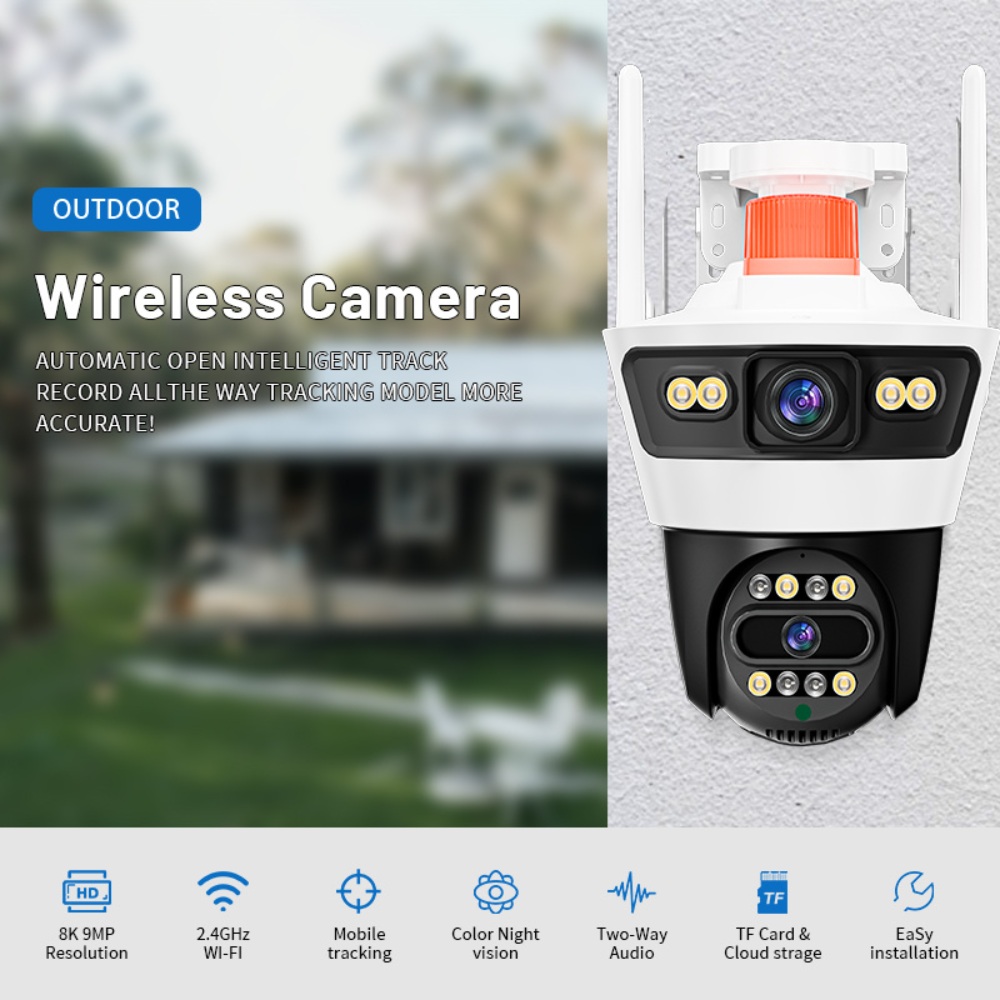
Products such as the Jortan 4 al outdoor wireless IP camera help overcome typical outdoor problems where cabling is difficult, and the network is unstable, by the integration of stable wireless connectivity, intelligent tracking, and dynamic imaging adjustments.
Where Does Manufacturer System Design Influence Real-World Performance?
Individual specifications aside, cohesive engineering philosophy ultimately governs consistent behavior across varied conditions.
Why Does Integrated Hardware and Firmware Matter?
The development of imaging components, recognition processes, and data compression routines as a single coordinated system yields more dependable outcomes. Unified structure decreases potential conflicts, enhances operational steadiness, and streamlines installation procedures.
Such harmony carries particular significance in wireless architectures, where efficient bandwidth utilization must align closely with accurate event identification.
How Does a Unified Product Strategy Support Both Scenarios?
Jortan occupies a clear product framework position. Through internal engineering integration, production capabilities, and performance optimization, the wireless product range meets the requirements for both indoor activity tracking and outdoor boundary protection. Consequently, selection decisions should be determined by actual environmental demands and protection priorities instead of compensating for inherent design shortcomings.
Conclusion
Indoor and outdoor wireless IP cameras fulfill separate protection functions determined by surrounding conditions, exposure to risks, and intended monitoring purposes. Indoor models concentrate on documenting conduct patterns and providing ongoing situational context in enclosed areas. Outdoor versions emphasize identification of threats, structural endurance, and prompt warning capabilities throughout variable outdoor environments.
Matching camera categories appropriately according to these distinctions produces more accurate notifications, improved area coverage, and greater overall protection reliability compared with decisions based solely upon broad technical descriptions.
FAQs
Q: Can an outdoor wireless IP camera be used indoors without issues?
A: Functionality remains possible indoors, although specialized detection approaches and reinforced structure may surpass actual requirements, thereby potentially lowering operational efficiency.
Q: Are indoor cameras suitable for semi-outdoor areas such as balconies?
A: Suitability exists solely when protection from weather elements and extreme temperature variations remains assured; absent such protection, longevity and consistent performance likely decline.
Q: Is it effective to combine indoor and outdoor cameras in one wireless system?
A: Affirmative responses prevail. Mixed configurations appear frequently and enable each category to function optimally in environments best suited to its particular strengths.