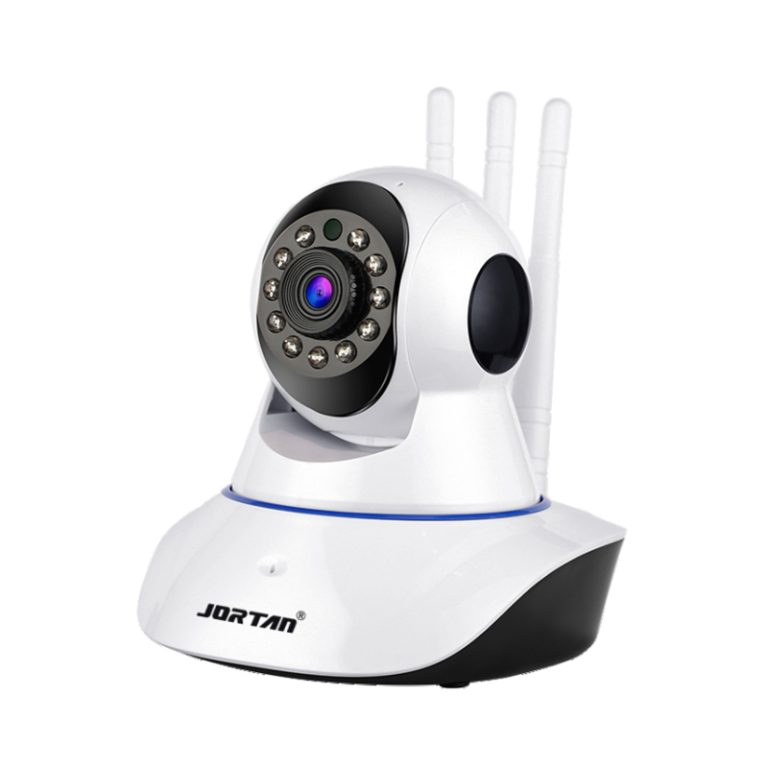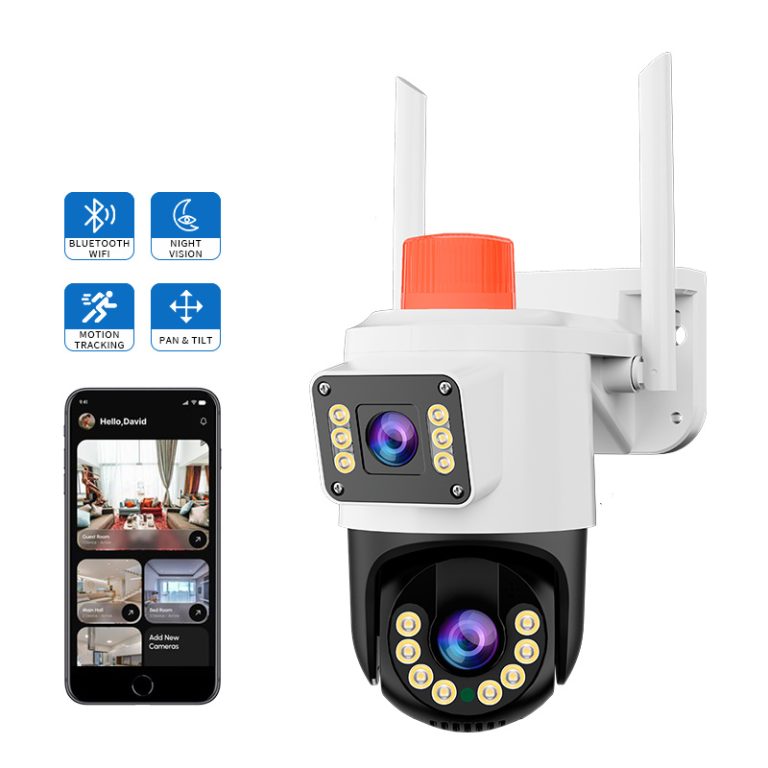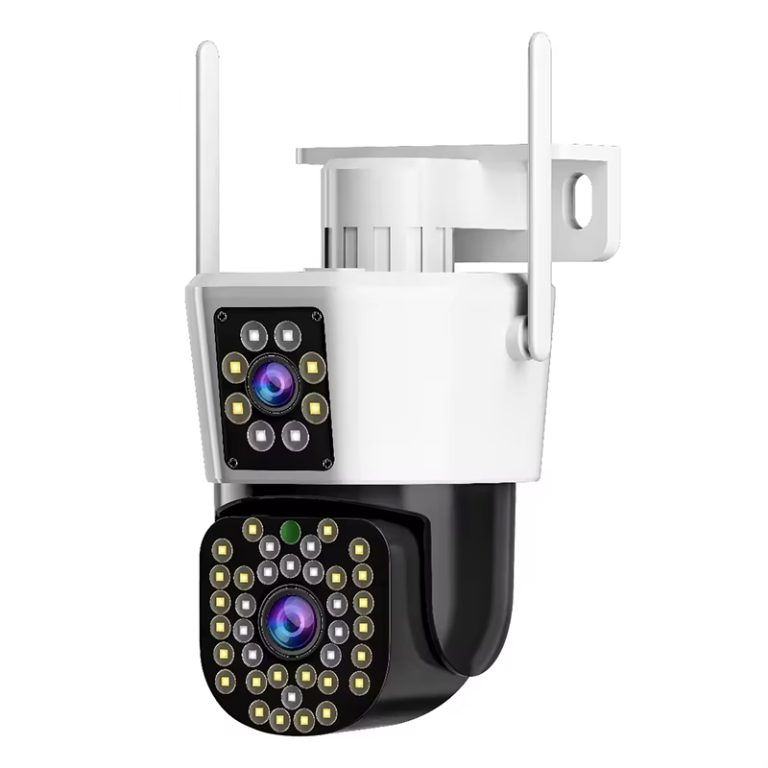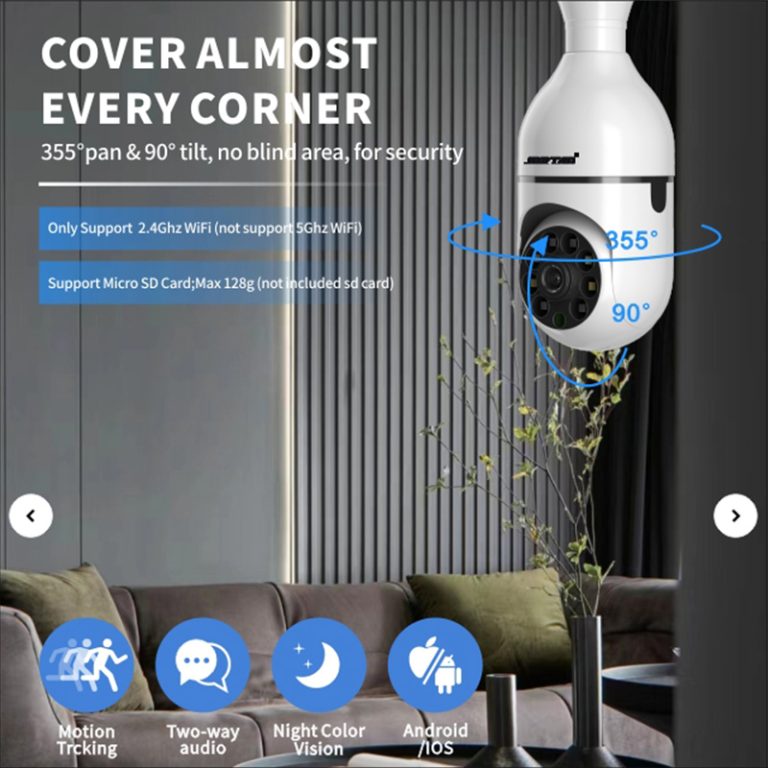
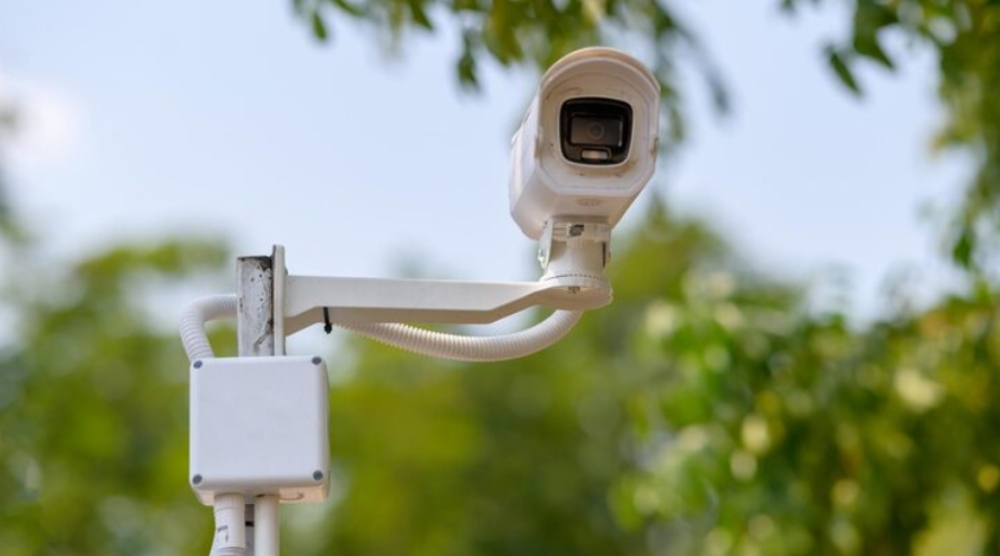
Network IP cameras have progressed from basic digital recording units into essential components in contemporary security frameworks. Their function is not only video capture, but also to form an active part of an integrated sequence involving data gathering, transfer, evaluation, and subsequent action. This transformation accounts for the current practice among system designers of assessing IP cameras according to their position in networked structures instead of viewing them as standalone pieces of equipment.
Effective performance requires coordination among optical detection, internal computation, network connectivity, and compatibility with broader platforms. Each phase influences dependability, response delay, and capacity for future growth. The following explanation details the operational principles of network IP cameras in present-day security systems, focusing on underlying processes rather than apparent features.
How Do Network IP Cameras Capture and Process Visual Data?
All security processes start with the visual acquisition stage. Before any transfer across networks or platforms, the camera converts incoming light into organized digital content.
How Does the Image Sensor Convert Light Into Digital Signals?
Light passes through the lens before striking a CMOS sensor, where incoming photons generate electrical charges. These analog impulses undergo immediate conversion into digital form and proceed to an onboard processor. Physical dimensions of the sensor, quantity of pixels, and range of brightness handling substantially determine resulting sharpness, particularly under challenging illumination such as strong backlighting or dim surroundings.
How Is Video Encoded Before Transmission?
Unprocessed digital footage occupies excessive space for practical sending. The camera applies contemporary compression techniques to shrink file sizes while retaining important visual elements. Performing this encoding directly at the camera reduces overall burden on subsequent equipment, since receiving systems handle refined streams instead of bulky original data.
How Do Network IP Cameras Transmit Data Across the Network?
After video data assumes a manageable form, network characteristics largely determine perceived steadiness and responsiveness during regular operation.
How Do Wired and Wireless IP Cameras Differ in Data Flow?
Connections using cables provide steady throughput and remain favored in permanent setups. Wireless alternatives sacrifice certain consistency in exchange for easier placement options. Regardless of method, the camera functions as a self-contained network participant rather than a mere originator of signals.
How Do IP Addresses and Network Protocols Enable Communication?
Every camera receives a distinct IP address, permitting direct exchange of information with recording devices, central servers, or remote cloud services. Standardized network protocols manage device recognition, security verification, and continuous streaming, thereby allowing seamless incorporation into either local setups or distant monitoring systems without requiring manual configuration of routes.
How Do IP Cameras Integrate With Modern Security Platforms?
The true worth of a camera emerges once its output transforms into practical intelligence instead of remaining simple imagery.
How Does Software Turn Video Streams Into Actionable Information?
Management platforms handle real-time viewing, historical retrieval, event organization, and distribution of notifications. Continuous feeds become converted into indexed archives that permit swift examination following occurrences. This software component establishes the degree of efficiency with which recorded material contributes to analysis and follow-up measures.
How Does AI Analysis Change Traditional Monitoring Logic?
Analysis driven by artificial intelligence enables classification of motion patterns, separation of human presence or vehicle movement, and implementation of condition-specific triggers. Rather than responding indiscriminately to every alteration in the frame, the arrangement concentrates upon meaningful incidents, thereby decreasing irrelevant notifications and reducing strain upon monitoring personnel.
How Do Storage Architectures Affect System Reliability?
Preservation of recorded material must withstand various potential disruptions while remaining accessible.
How Does Local Storage Work Inside an IP Camera System?
Onboard storage ensures immediate capture even during periods of unreliable network connection, which protects important sequences against brief communication failures.
How Does Cloud Storage Support Long-Term Security Records?
Off-site cloud preservation introduces additional protection by maintaining copies remotely. Remote retrieval becomes possible alongside simplified expansion when additional cameras join installations spread across different sites.
How Do IP Cameras Maintain Stability in Real-World Environments?
Actual operating conditions frequently deviate from laboratory testing scenarios.
How Do Environmental Factors Affect Network Camera Performance?
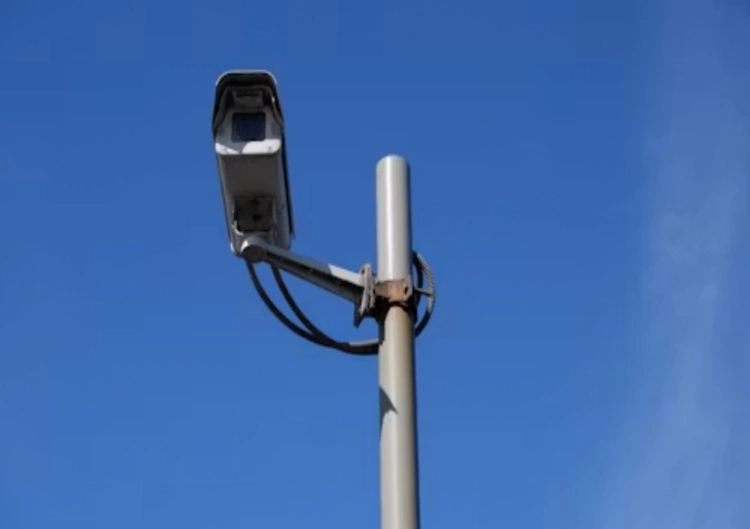
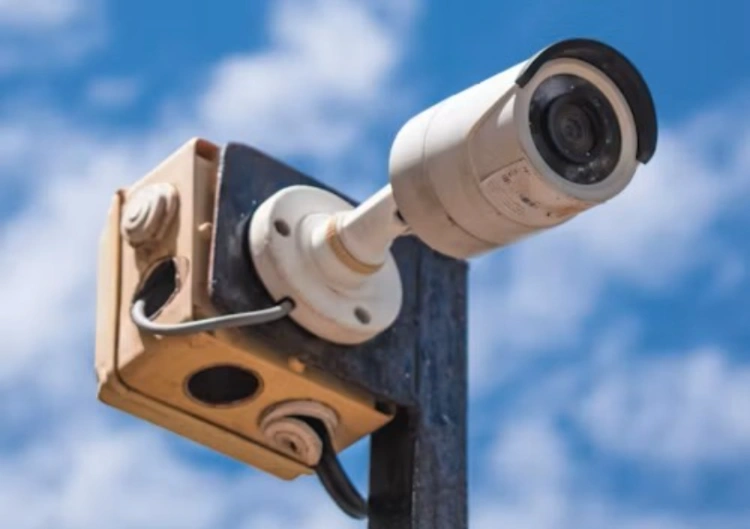
Fluctuations in temperature, moisture levels, airborne particles, and varying light conditions can impair function unless construction anticipates these challenges. Protective casings rated for outdoor exposure, combined with adaptive image processing, help sustain consistent results despite changing external influences.
How Do Cameras Handle Network Interruptions or Power Issues?
Contemporary IP cameras temporarily store data internally, reestablish connections independently, and resume normal transmission without requiring external adjustment. Recovery features of this nature preserve operational continuity in unsupervised locations.
How Can One IP Camera Cover Multiple Monitoring Needs?
Efficiency gains importance as security systems grow larger.
How Do Multi-View and Intelligent Tracking Improve Coverage?
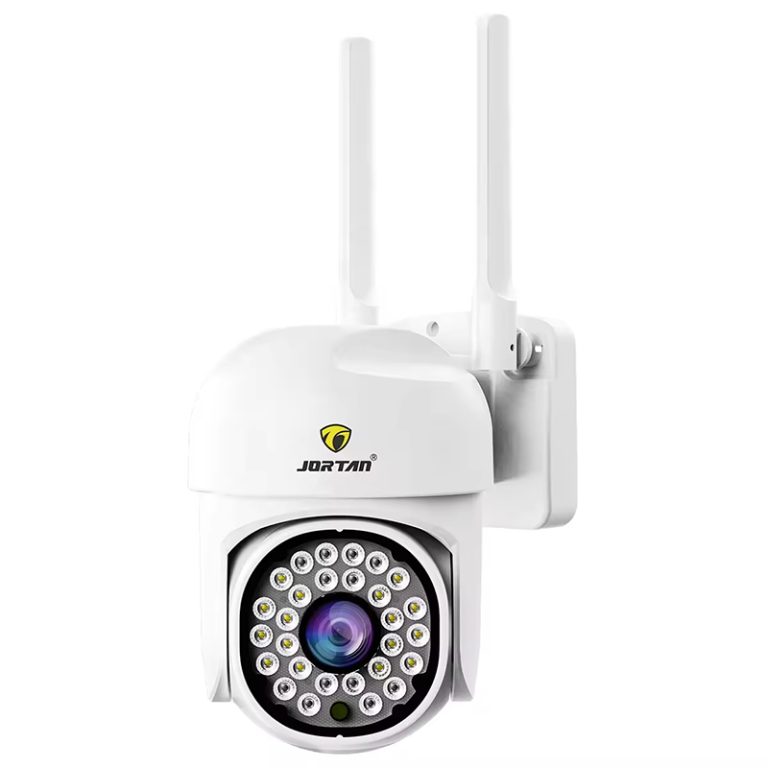
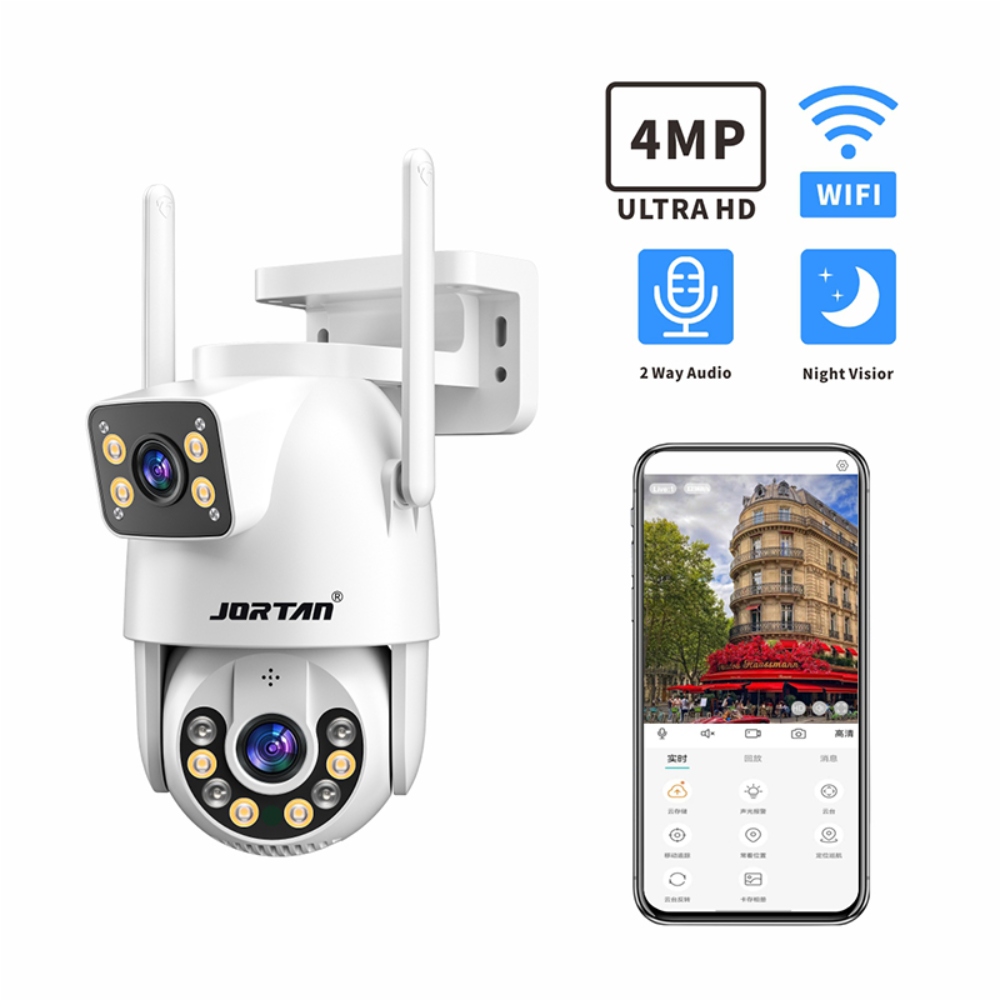
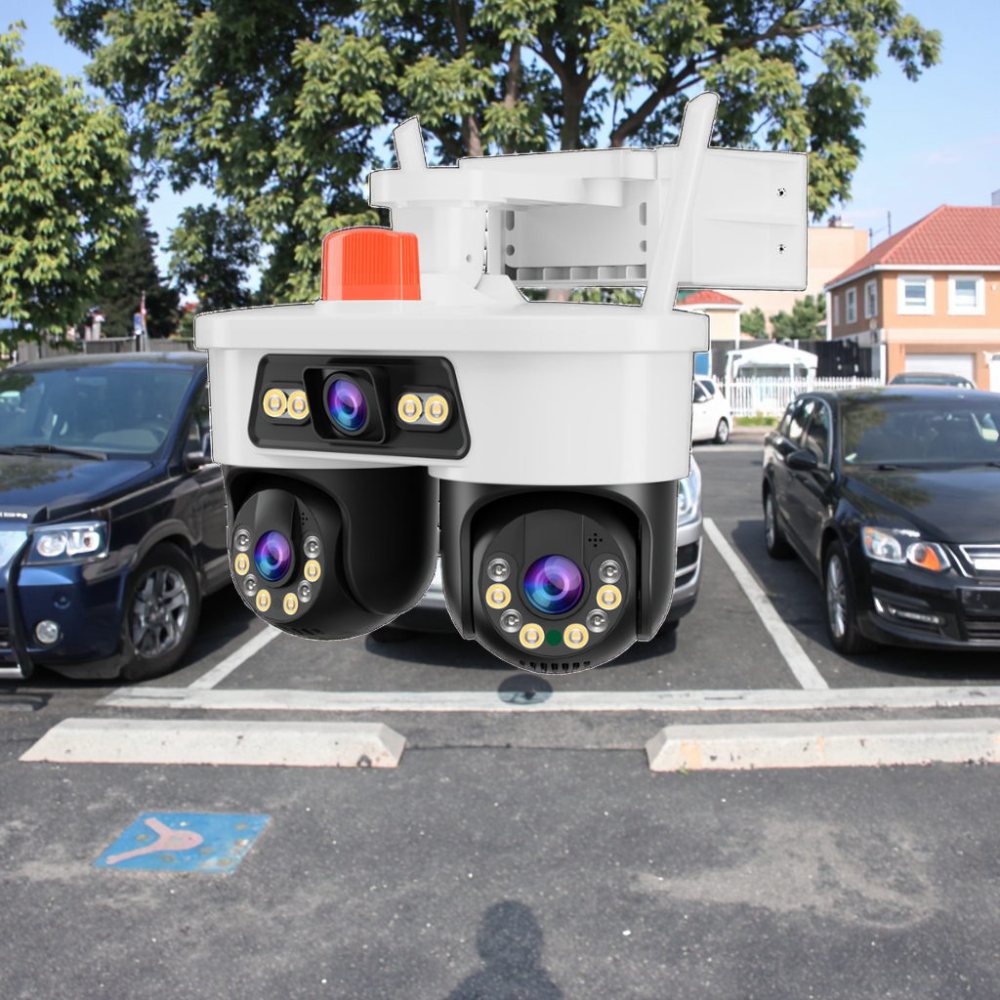
Devices incorporating both wide-angle perspectives and directed following capabilities minimize unobserved regions. Deployment of several fixed cameras becomes less necessary when a single unit manages broad observation while simultaneously concentrating on identified activity. Devices, including the JT-9697QJ network IP camera, demonstrate the advantages of combined viewing modes and smart pursuit functionality, achieving consolidated surveillance without sacrificing visual precision.
How Does the Manufacturer’s System Philosophy Affect Deployment Outcomes?
Construction choices reveal the extent to which equipment suits genuine installation contexts.
How Does Product Design Reflect Real Deployment Scenarios?
Cameras developed with consideration for mounting procedures, ongoing maintenance requirements, and alignment with various management systems reduce accumulated difficulties over time. Adaptable attachment options, effective data compression, and compatibility with software environments impact complete ownership expenses more substantially than isolated performance claims.
Who Is Jortan and Why Does Its Approach Matter?
Examination of Jortan provides insight into manufacturing guided by comprehensive system considerations. Drawing from experience that merges design development, production capabilities, and practical application insights, we focus on creating cameras as fully integrated network elements instead of separate imaging components. Prioritization of expandable manufacturing processes, context-specific engineering, and persistent improvement corresponds closely to demands present in current installations spanning residential properties, business premises, and hybrid settings.
How Do Advanced IP Cameras Support System Scalability?
Security systems seldom remain unchanged over extended periods.
How Does One Camera Adapt to Growing Security Demands?
Firmware capable of updates, broad platform support, and flexible feature sets permits cameras to accommodate evolving requirements without hardware replacement, shortening replacement intervals during periods of increasing surveillance scope.
The Jortan 8 network IP camera embodies this adaptable methodology through integration of detailed high-resolution capture, sophisticated event recognition, and streamlined data processing in one cohesive unit, rendering the device appropriate for settings that anticipate gradual enlargement without necessitating foundational alterations.
Conclusion
Network IP cameras serve as intelligent connection points throughout modern security frameworks. Their work normally by the integration of visual acquisition, internal handling, network interaction, analytical processing, and data preservation, with every stage contributing toward collective performance. The systematic selection and installation guided by systemic principles elevate IP cameras above basic recording functions, enabling dependable judgment, prompt reaction, and expandable protective structures.
FAQs
Q1: Do network IP cameras require constant internet access to function?
A: No. Operation and recording proceed normally in isolated local networks. Internet connectivity primarily facilitates distant viewing and cloud-based features.
Q2: How do IP cameras reduce false alarms compared to older systems?
A: Recognition technology examines categories and motion characteristics, thereby eliminating notifications triggered by insignificant factors, including shifting shadows or climatic influences.
Q3: Can a single IP camera replace multiple traditional cameras?
A: In many applications, units equipped with multiple perspectives and pursuit capabilities substantially decrease required device quantities.