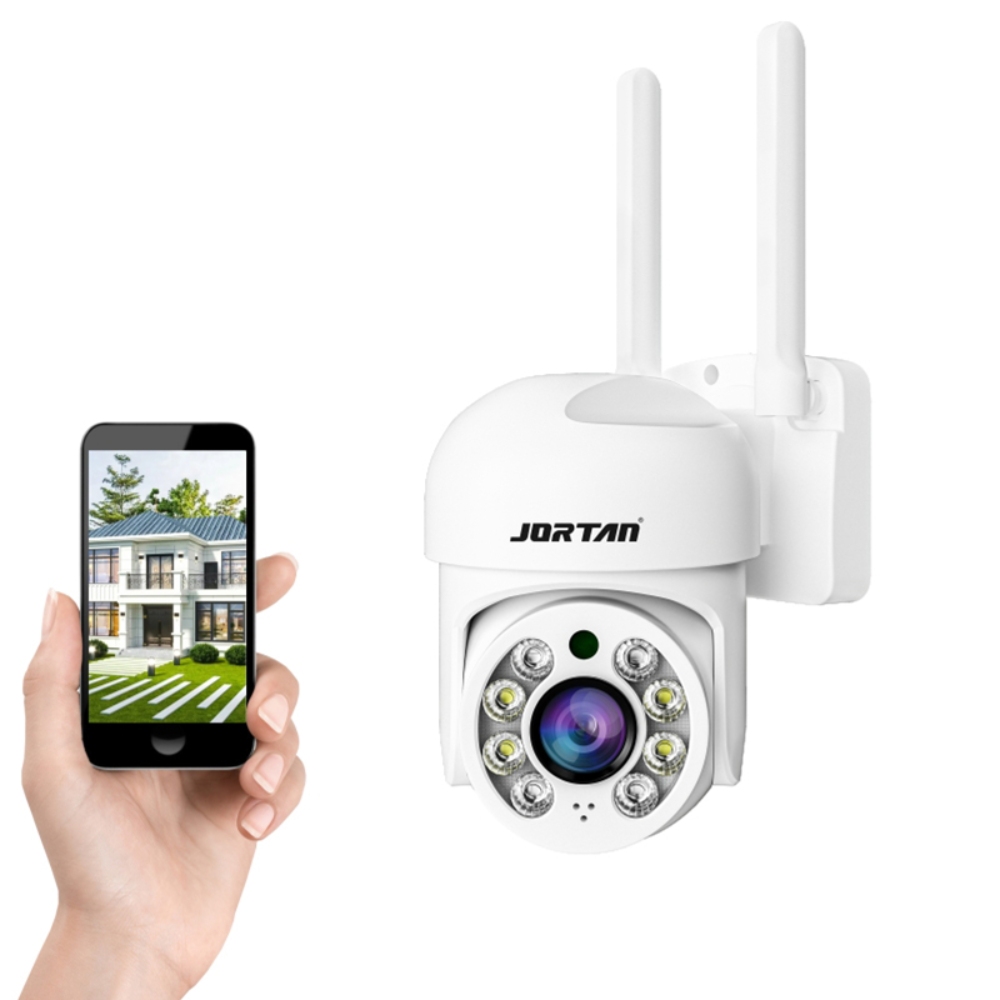
For companies arranging new surveillance setups or modernizing existing ones, the choice between IP cameras and conventional CCTV cameras has moved beyond mere technical taste into a fundamental business decision. Cameras are no longer simply standalone recording units but work as connected elements in larger security, information technology, and information management frameworks. The selection made at present influences future growth potential, compatibility with other systems, ongoing maintenance demands, and the overall value gained from recorded video material over extended periods.
This discussion explores the practical considerations businesses apply when weighing both alternatives under actual working environments, and explains the growing preference for IP-based arrangements in contemporary commercial environments.
Why Has the Camera Selection Question Become Strategic for Businesses?
Security arrangements now occupy a position alongside essential daily operations instead of remaining separate from them. Consequently, decisions about cameras influence far more than picture quality alone.
How Does Camera Architecture Affect Long-Term System Planning?
Conventional CCTV setups generally rely on isolated, direct-connection structures. Cameras deliver analog signals directly to recording equipment, and any increase in coverage usually demands separate wiring runs along with additional devices. Such an architecture restricts adaptability once requirements extend past the initial design.
IP cameras adopt a network-centered structure. Operating as identifiable units on a shared network, they permit straightforward addition, repositioning, or adjustment using the current cabling backbone. For organizations anticipating coverage across multiple locations or gradual growth, this structural contrast significantly impacts forward-looking budgeting and expense forecasting.
What Fundamentally Separates IP Cameras from Conventional CCTV Cameras?
The core difference is not just the type of signal carried, but also reveals two distinct engineering approaches.
How Do Signal Transmission Methods Change System Flexibility?
Traditional CCTV depends on coaxial cables to carry analog information. Although dependable under steady conditions, this method anchors camera positions closely to predetermined cable routes.
IP cameras send compressed digital streams across standard Ethernet connections or wireless links. Placement becomes possible at any point, offering network reach, granting considerably more freedom during initial layout, and easing modifications long after setup completes.
Why Does Encoding and Compression Matter for Business Use?
Analog arrangements capture unprocessed signals that occupy consistent amounts of storage space and transmission capacity. IP cameras apply up-to-date compression techniques like H.264 or H.265, substantially decreasing file sizes without noticeable loss in visual detail.
For enterprises handling numerous or even hundreds of video streams, effective data reduction brings down storage expenses and eases pressure on network resources, thereby making unified oversight far more realistic.
Why Are IP Cameras Gaining Preference in Modern Business Environments?
Their increasing acceptance arises primarily from advantages visible at the complete system level rather than from separate performance figures.
How Does Network Integration Support Scalable Surveillance?
IP cameras blend smoothly into the IT environments. Connection to central servers, dedicated video management software, or remote cloud platforms occurs without specialized conversion hardware.
Such an integrated approach enables uniform oversight of operations spread across retail outlets, distribution centers, or administrative offices, promoting standardized procedures and single-point administration in place of disconnected local arrangements.
Why Is Remote Access Becoming a Standard Business Requirement?
The ability to view footage from distant locations has shifted from convenience to necessity. Security personnel, facility managers, and external support teams frequently require visibility and control regardless of physical proximity.
IP-based arrangements facilitate protected remote observation, adjustment of environments, and system diagnostics via ordinary network pathways, thus shortening response intervals and reducing reliance on physical site visits, which is particularly suitable for geographically dispersed enterprises.
In Which Scenarios Do Conventional CCTV Cameras Still Make Sense?
Even with the clear movement toward IP technology, traditional systems continue to hold practical value under certain restricted conditions.
When Is Cost Control the Primary Decision Driver?
Small-scale projects featuring unchanging layouts and little expectation of future expansion often prefer analog CCTV because of reduced initial expenditure. When coaxial infrastructure already exists, retaining conventional cameras helps avoid substantial rewiring expenses.
Why Do Some Legacy Systems Resist Migration?
Organizations running extensive, long-established CCTV networks commonly emphasize operational continuity. Complete replacement of cameras, recording units, and associated cabling brings the unavoidable business interruptions and staff retraining. In those situations, gradual improvements typically appear more attractive than the entire replacement.
How Do Installation and Maintenance Models Influence Total Cost?
Purchase price alone seldom reflects the genuine expense of ownership across the equipment lifecycle.
How Does Cabling Complexity Impact Deployment Efficiency?
Analog installations demand individual video cables plus separate power supplies running to every camera position. As the number of units rises, the resulting wiring effort grows considerably.
IP cameras frequently utilize shared network pathways and commonly support Power over Ethernet technology, thereby shortening the installation time and streamlining overall cable organization.
Why Does Maintenance Shift from Hardware to Software?
Traditional CCTV maintenance mainly centers on tangible hardware elements. However, IP systems redirect attention toward software patches, network adjustments, and platform administration tasks.
Although it is necessary to coordinate with information technology staff, the change also introduces possibilities for remote diagnostics and uniform software distribution, which decreases cumulative maintenance workload over many years.
Why Is Video Data Value Higher in IP-Based Systems?
Recorded footage has evolved from simple archival material into active business information.
How Does Intelligent Analysis Change Surveillance Objectives?
IP cameras often incorporate onboard processing for functions, including person identification, unusual activity recognition, and incident categorization. These built-in tools transform surveillance from a purely reactive record-keeping function into a forward-looking mechanism capable of identifying potential problems before escalation occurs.
Why Is Data Accessibility Critical for Business Decisions?
Video streams delivered over networks can be integrated with various other business platforms, ranging from entry management solutions to performance monitoring displays. Enhanced accessibility enables recorded material to contribute toward workflow refinement, regulatory compliance verification, and detailed event analysis, far more than the purposes of conventional security.
How Can the Right IP Camera Models Reduce Deployment Friction?
Not every IP camera receives design attention suited to genuine commercial constraints.
How Does a Balanced Design Support Commercial Stability?
Commercial locations demand steady operation, dependable connectivity, and reasonable data generation levels. Excessively complicated functions often increase the complexity of system deployment without delivering corresponding benefits.
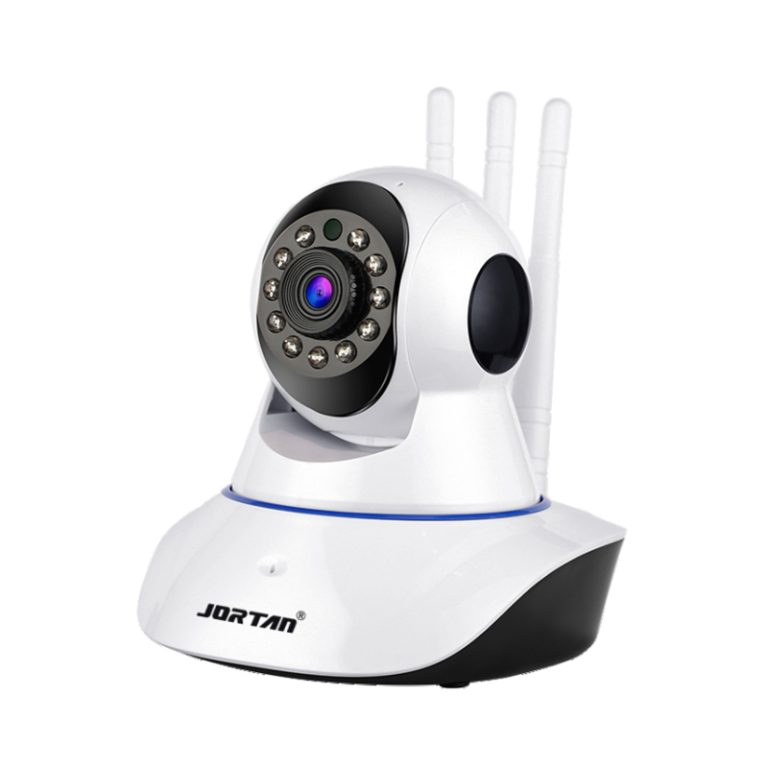
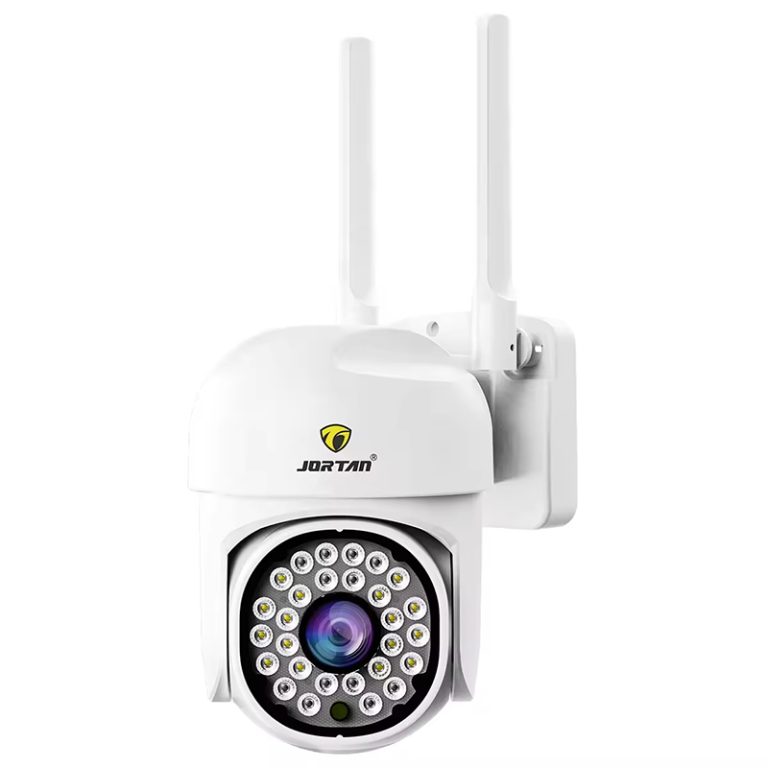
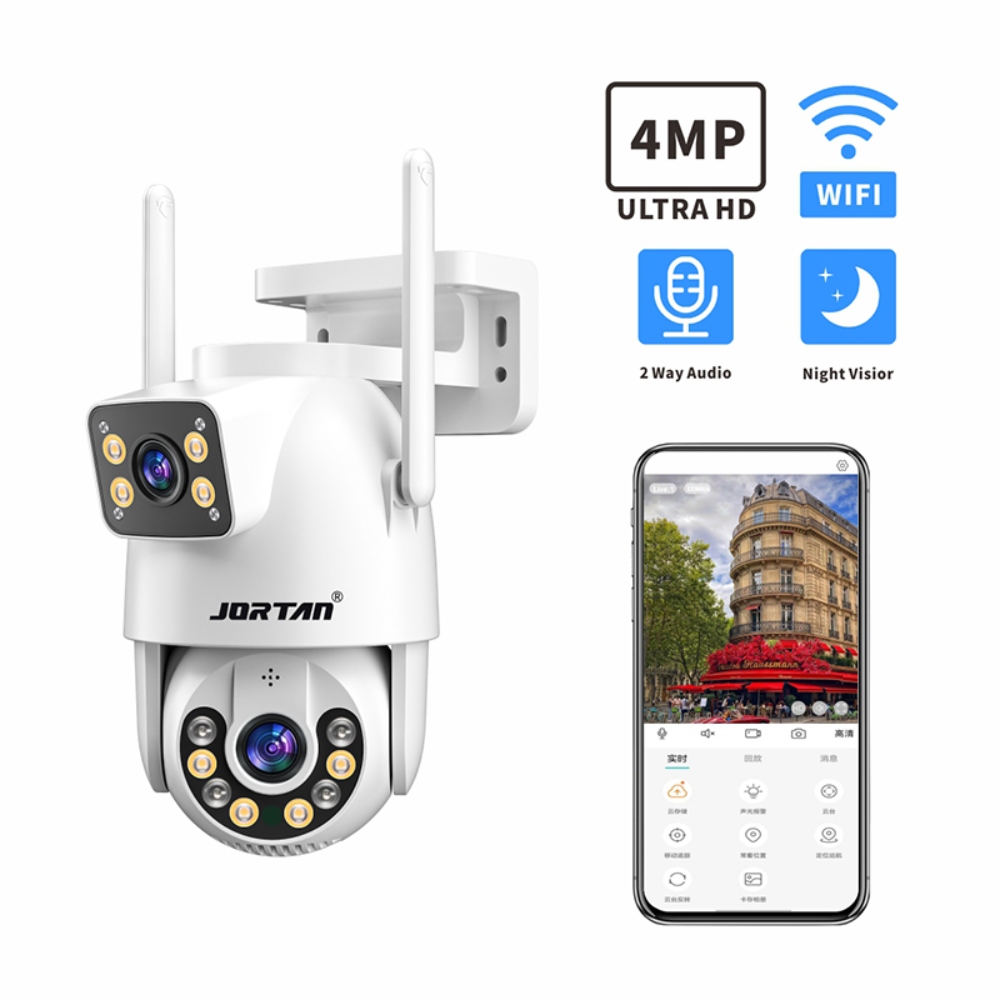
The JT-9697QJ IP camera illustrates the effectiveness of carefully selected features, including reliable image capture, efficient data handling, and broad network compatibility, which streamline rollout processes while satisfying typical business expectations.
Why Does Vendor Capability Matter More Than Camera Type?
When deployments reach substantial size, the reliability and consistency provided by the supplier are as important as the underlying technology.
How Do Manufacturing and R&D Capabilities Affect Reliability?
Wide applications require the consistent component quality and sustained software support across product generations. Differences in production runs or brief short-term lifecycles enhance maintenance difficulties and complicate the management of spare parts.
Why Is Ecosystem Thinking Important for Integrators?
System integrators gain significant advantages from product families built around shared technical foundations and compatible interfaces. With this philosophy, Jortan structures the IP camera products with emphasis on consistency and commercial scalability rather than standalone device competition, thereby supporting the extended system development through stable product evolution.
How Do Advanced IP Models Address Complex Business Needs?
As observation requirements grow more intricate, the function of the individual camera increases accordingly.
When Does Multi-Function Integration Become Necessary?
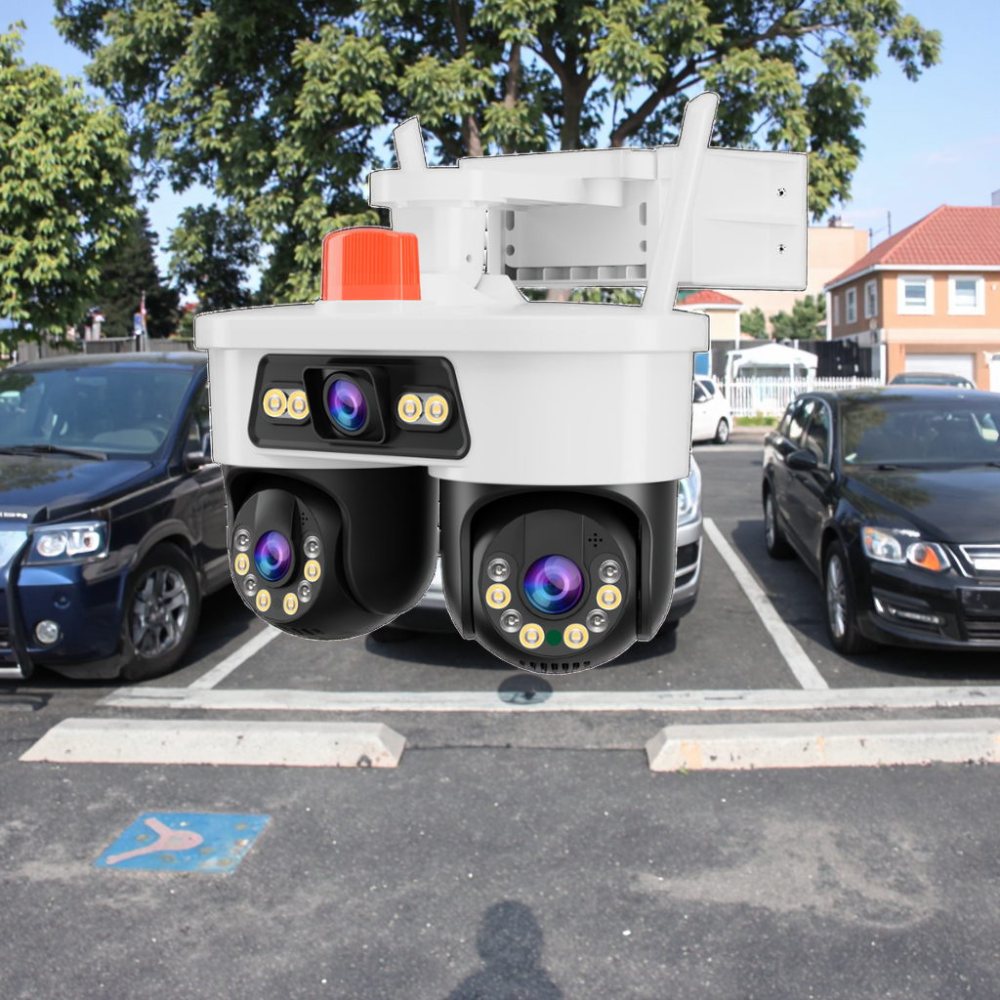
Environments such as retail spaces, supply chain facilities, and combined-purpose properties often demand both broad coverage of large areas and precise monitoring of specific zones.
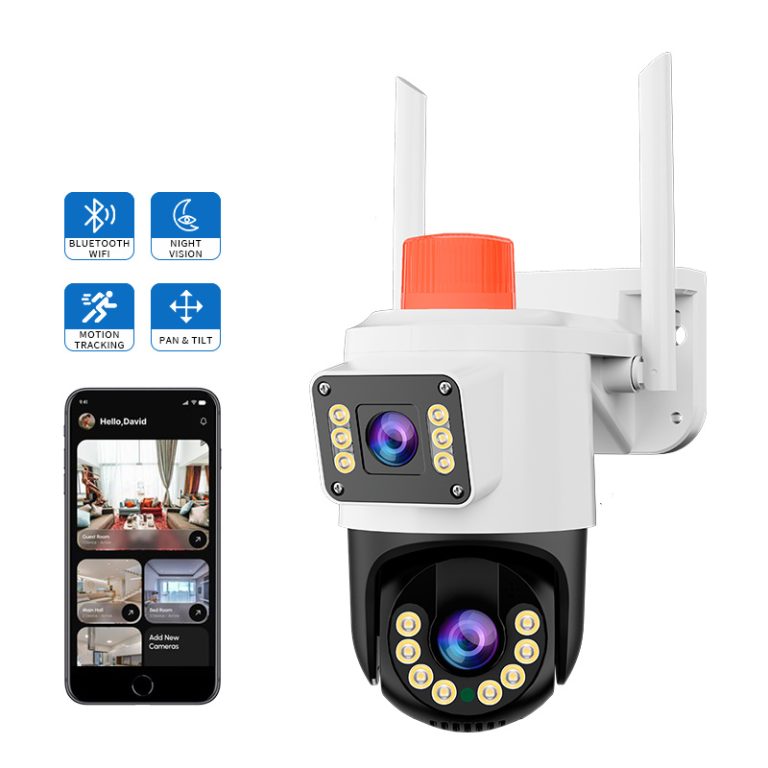
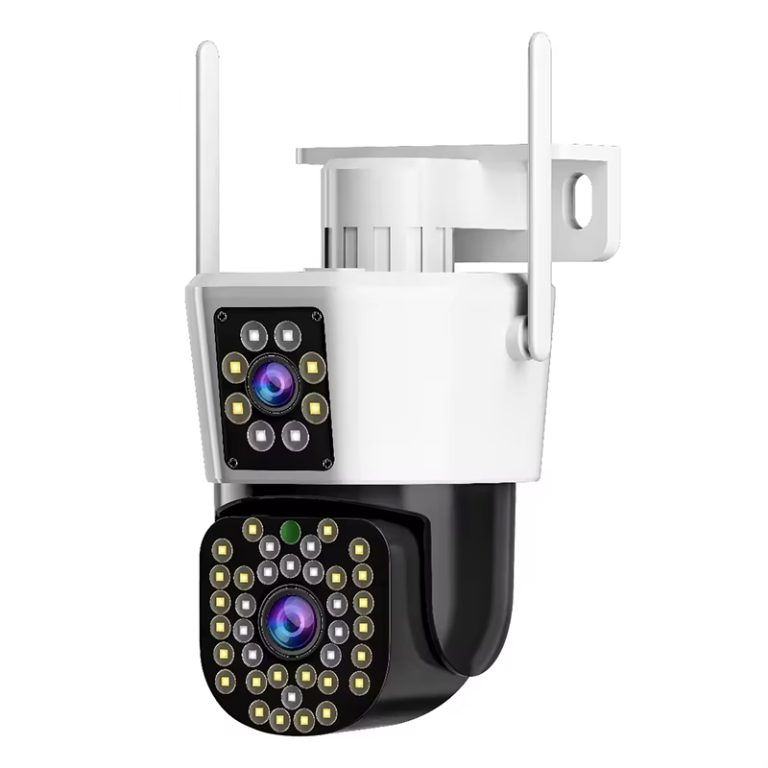
Sophisticated approaches, including the Jortan 8 IP camera, show how consolidated capabilities can decrease total device quantity, reducing overall system intricacy while maintaining the full surveillance coverage.
Conclusion
For businesses, the preference for IP cameras rather than conventional CCTV cameras is guided less by tradition and more by future readiness. IP solutions correspond closely to modern requirements for scalability, remote management, and data utilization. Although traditional CCTV continues to exist in a few situations, IP-based arrangements increasingly reflect the networked, geographically distributed, and information-oriented character of modern commercial activity.
FAQs
Q: Are IP cameras always the better option for business surveillance?
A: Not necessarily. The appropriate selection hinges on intended scale, anticipated growth, and current supporting infrastructure.
Q: Does moving to IP cameras significantly increase technical complexity?
A: Early setup involves network-related coordination, yet centralized administration frequently lowers overall complexity throughout subsequent years.
Q: What should businesses evaluate first when choosing between IP and CCTV cameras?
A: Initial assessment ought to focus on projected expansion requirements and intended applications of video information instead of concentrating solely on present camera quantities.