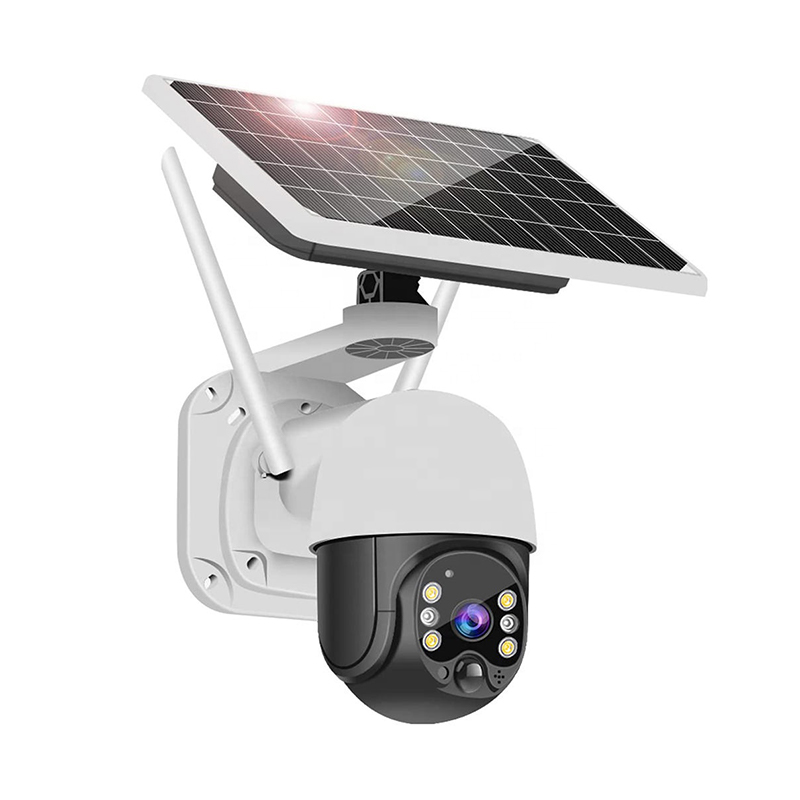
Solar cell CCTV cameras are no longer niche devices designed only for temporary projects. Today, these cameras have become a serious part of modern security infrastructure, especially in which grid power and fixed networks are unreliable or unavailable. If users plan deployments for transportation corridors, energy facilities, water projects, or remote assets, their technical logic, limits, and system design deserve close attention.
Why are solar cell CCTV cameras becoming a serious infrastructure option?
Security cameras have evolved from passive recording tools into intelligent edge devices that integrate artificial intelligence, IoT connectivity, and cloud platforms. Modern systems perform detection, classification, remote management, and automated alerts, rather than only storing footage. This transformation has expanded camera usage from controlled indoor spaces to complex outdoor environments with unstable infrastructure.
How does the security camera industry’s technology stack support solar deployment?
The current generation of cameras is built on a “technology evolution plus scenario expansion” model. Optical imaging hardware is combined with AI algorithms, mobile networking, and cloud services, forming smart terminals rather than simple sensors. This architecture allows cameras to schedule workloads, compress data efficiently, and reduce unnecessary transmission, thus directly lowering energy demand. As a result, solar-powered systems are no longer improvised solutions but planned products within the mainstream security industry ecosystem.
What power-system facts determine whether a solar CCTV camera is reliable?
Image quality and detection accuracy mean little if a device cannot remain operational through poor weather or seasonal light changes. For solar deployments, power design is the foundation of reliability.
How do low-power architecture and solar panels work together in real projects?
Modern solar CCTV cameras rely on ultra-low-power system architecture rather than oversized batteries alone. Hardware circuits, firmware scheduling, sleep-wake cycles, and AI task timing are optimized to reduce average consumption. When paired with efficient photovoltaic panels and lithium battery packs, these systems maintain continuous operation even without grid electricity.
Dedicated low-power solar 4G camera kits are designed specifically for environments with “no network and no electricity,” combining optimized hardware and software algorithms with solar charging modules to ensure a stable power supply. This design approach enables multi-day independence and predictable recovery after low-sunlight periods.
How does 4G connectivity change the value of solar CCTV cameras?
Power independence solves only half of the deployment problem. Data transmission determines whether a camera creates operational value or remains an isolated recorder.
Why is 4G transmission critical in remote surveillance design?
4G modules allow cameras to operate as independent network nodes. Instead of relying on local routers or fiber access, they transmit video streams, metadata, and alarms directly through cellular infrastructure, thus supporting real-time viewing, remote diagnostics, firmware updates, and immediate alert delivery.
Low-power solar camera systems commonly integrate 4G communication specifically to overcome delayed or unstable data transmission in remote areas. The result is continuous visibility across construction sites, transportation routes, energy assets, and water infrastructure, with access from mobile and desktop clients.
What image and detection capabilities should you expect from modern solar cameras?
A solar camera should not compromise on core security performance. Energy efficiency must coexist with credible imaging and analytics.
How do AI detection and night-vision systems affect practical security outcomes?
Modern cameras integrate human-shaped detection algorithms to reduce false alarms triggered by animals, shadows, or vegetation. Combination with night-vision systems, including infrared, white-light, and adaptive full-color modes, allows reliable identification in low-light environments.
Advanced video compression, such as H.265, reduces bandwidth consumption and storage load while preserving usable detail. Besides, dual storage paths, including TF cards and cloud platforms, ensure evidence retention even when connectivity is temporarily interrupted. These features are now standard expectations for professional outdoor monitoring systems.
Which deployment scenarios truly justify solar-powered CCTV systems?
Not every site benefits equally from solar cameras, whose values are defined by infrastructure constraints rather than convenience.
Where does solar CCTV outperform wired or battery systems?
Solar cameras are most effective in locations where cable installation is expensive, slow, or technically impractical:
- Remote highways and rail corridors
- Energy facilities such as photovoltaic farms and pipelines
- Water conservancy and flood-control projects
- Agricultural zones and forest boundaries
- Temporary construction or disaster-response sites
Transportation, energy, water management, and remote security are often listed as primary application domains for low-power solar camera systems.
How should you evaluate a solar CCTV supplier beyond hardware specifications?
Datasheets describe functions, but supplier capability determines long-term system behavior.
What operational capabilities matter more than marketing features?
For solar deployments, the emphasis of evaluation should be placed on:
- Manufacturing scale and component sourcing stability
- In-house R&D for power management and wireless design
- Environmental testing procedures
- Firmware maintenance and protocol support
- Global logistics and post-deployment service capacity
These factors influence firmware longevity, spare-part availability, and integration with third-party platforms rather than the short-term performance.
Which manufacturer profile fits long-term solar CCTV projects?
Long-term solar surveillance programs benefit from manufacturers that combine electronics engineering, wireless communication expertise, and structured production systems.
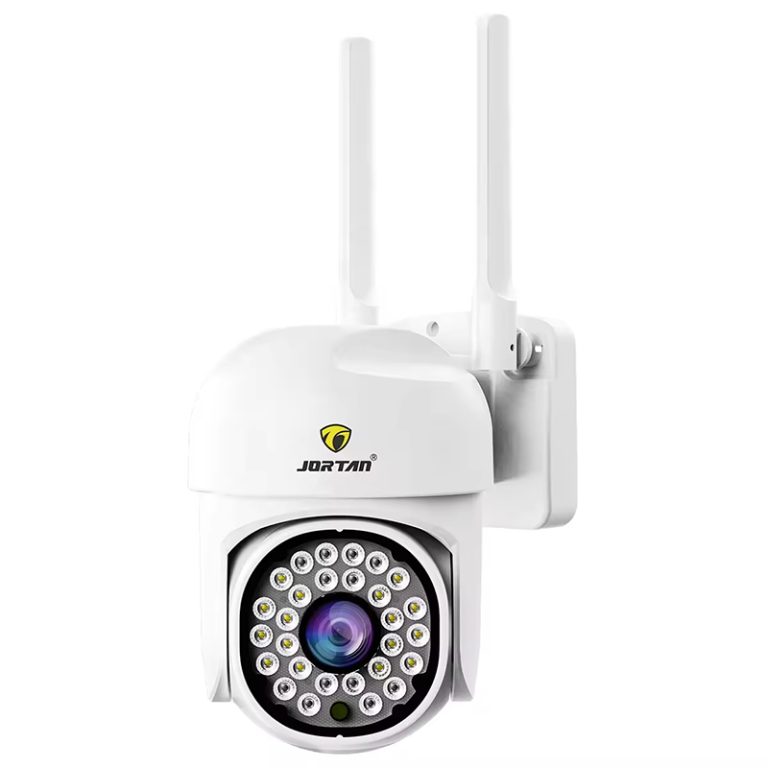
Jortan is a manufacturer based in Yiwu that operates as an integrated organization covering product design, electronic development, manufacturing, and service delivery. Our company manages facilities exceeding 30,000 square meters and maintains in-house production lines and quality control processes for wireless and outdoor monitoring equipment.
Our product development focuses on power-management design, network stability, and continuous operation in exposed environments, which define real performance in solar systems. With years of experience in wireless and 4G surveillance architectures, our technical teams have built devices specifically optimized for low-power consumption, outdoor durability, and sustained data transmission. Such profiles are typically better in line with infrastructure-scale projects than short-cycle consumer brands.
How do specific solar CCTV models translate theory into field performance?
System concepts become meaningful only when reflected in field hardware.
What problems does JT-8258T solve in off-grid monitoring?
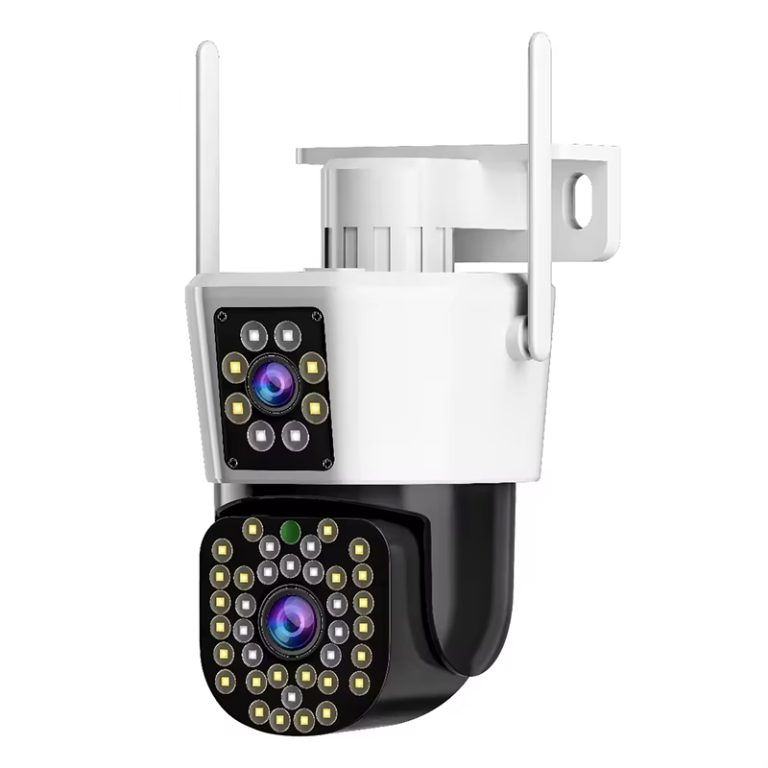
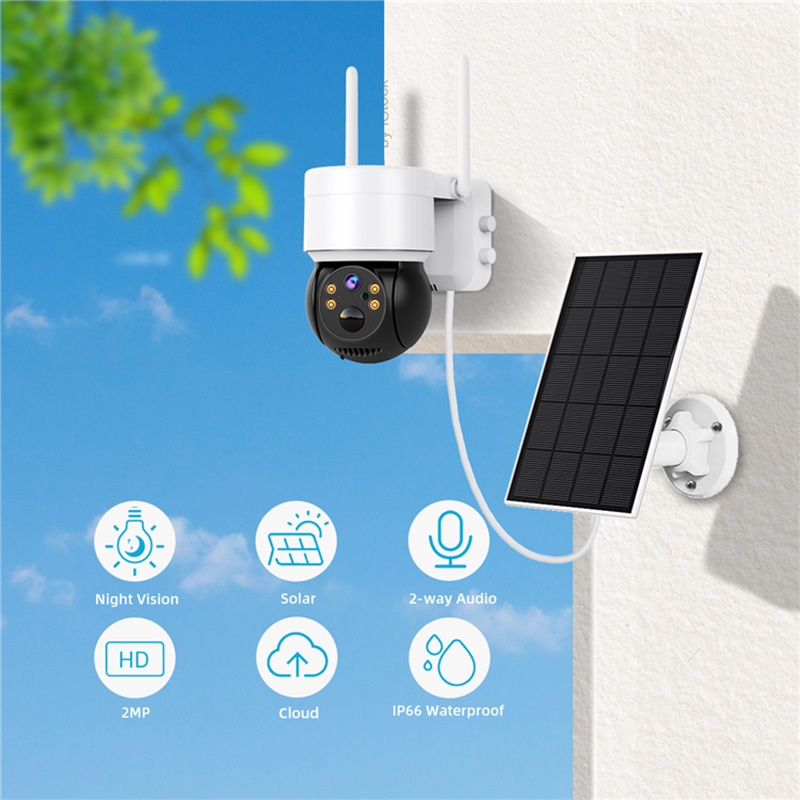
The JT-8258T solar CCTV camera is designed for locations where grid power and wired networks are absent, but continuous monitoring remains required. Its architecture emphasizes low-power operation combined with cellular transmission, making it suitable for fixed-point monitoring along transport routes, isolated facilities, and perimeter zones.
Why is JT-8699T suitable for wider or more complex sites?
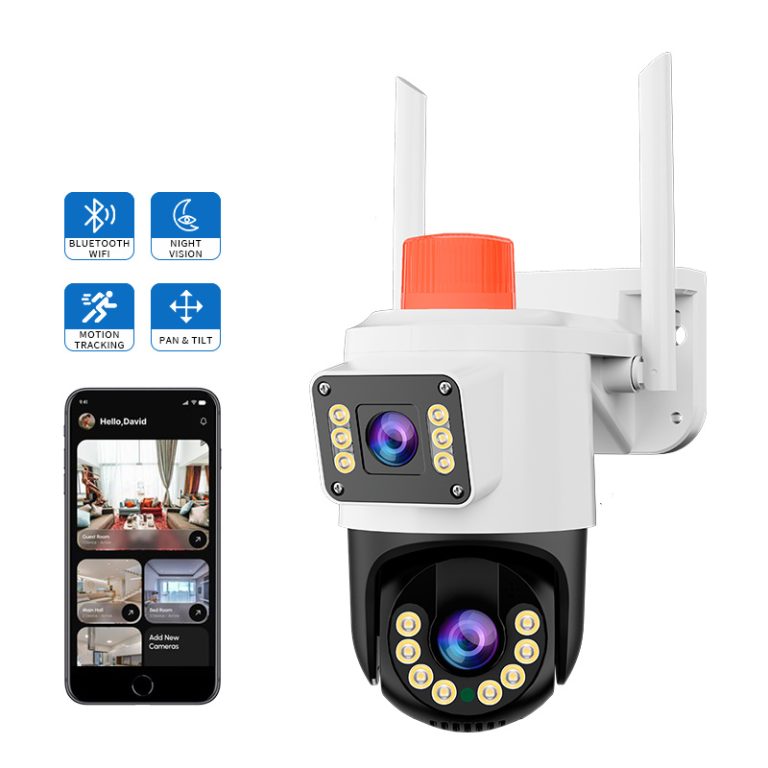
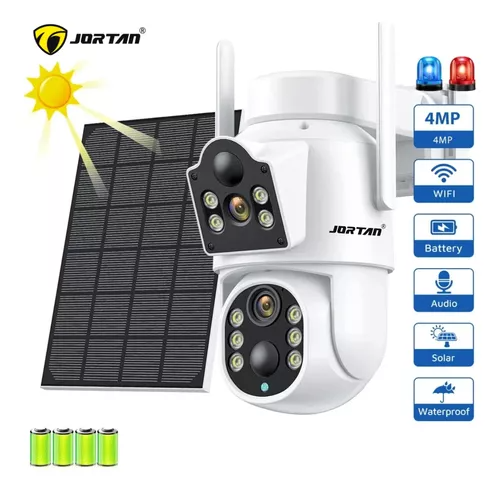
For larger areas or multi-directional surveillance tasks, the JT-8699T solar CCTV camera focuses on maintaining a stable power balance while supporting continuous remote access. It is commonly applied in energy sites, infrastructure corridors, and broad perimeter environments where maintenance access is limited, and system autonomy is essential.
What hidden limitations should you factor into solar CCTV planning?
Solar surveillance is not immune to physical constraints.
Which environmental and system risks are often underestimated?
It is necessary to account for:
- Extended overcast seasons reduce charging efficiency
- High-latitude locations with short winter daylight
- Battery capacity degradation over multi-year cycles
- Cellular coverage gaps
- Regulatory requirements for data storage and privacy
Ignoring these factors often leads to performance gaps that appear months after installation, not during initial testing.
FAQs
Q: Can solar cell CCTV cameras replace wired systems in urban environments?
A: Not fully. In dense urban areas, grid power and fiber networks still provide higher bandwidth and lower long-term cost per channel. Solar systems are most valuable where wiring is costly or impossible.
Q: How long can a solar CCTV camera operate without sunlight?
A: With low-power design and appropriate battery capacity, many systems support several days of autonomy. Actual duration depends on detection frequency, temperature, video bitrate, and battery health.
Q: Is 4G mandatory for solar CCTV cameras?
A: No, but it is strongly recommended for remote deployments. Without fixed broadband, 4G ensures real-time access, alarm delivery, and remote maintenance, which define operational usefulness.