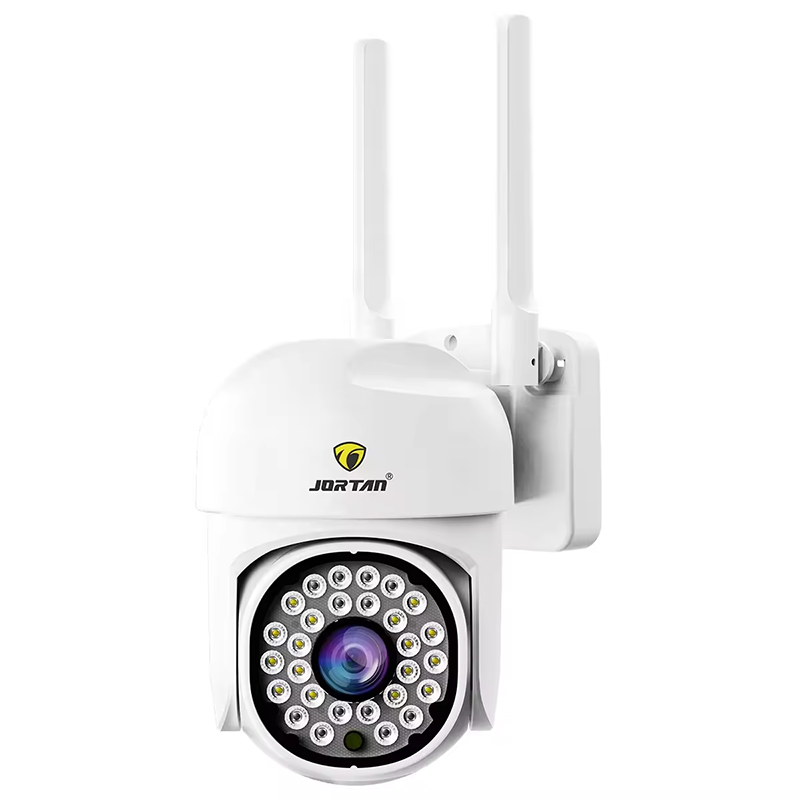
Home security today is no longer about simply “seeing what happened”, but needs to evaluate image clarity, network reliability, storage integrity, alert accuracy, and long-term system stability. Choosing between IP cameras and traditional HD cameras affects how your entire monitoring logic works—how data flows, how events are recorded, how evidence is preserved, and how easily you can scale the system over time.
This article compares both technologies from a practical and technical perspective so you can decide which architecture better fits your real home security needs.
What fundamentally separates IP cameras from HD cameras?
The difference is not only in image format, but also in the system logic behind the device.
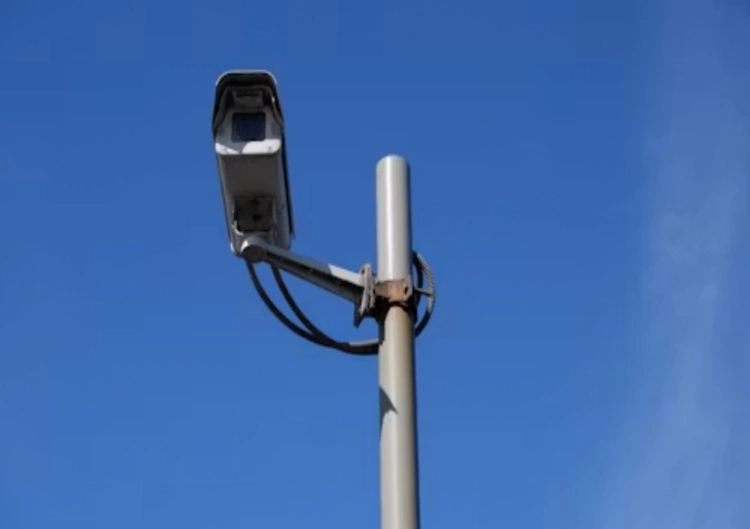
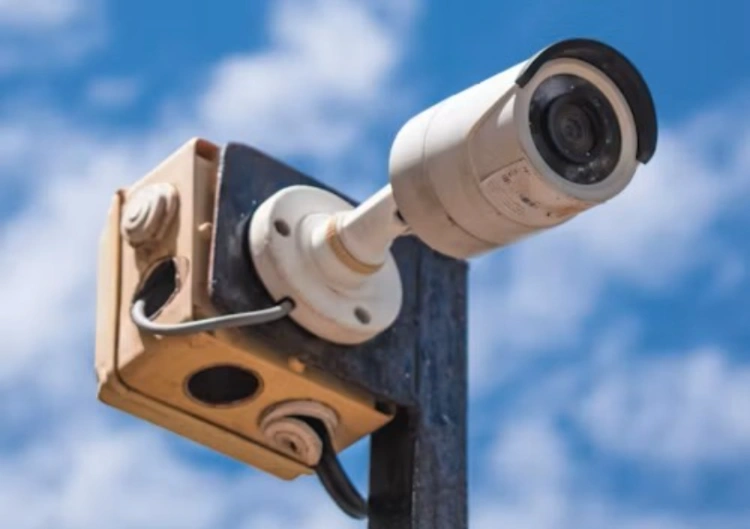
HD cameras (commonly analog HD, such as AHD/TVI/CVI) transmit video signals point-to-point through coaxial cable. Most intelligence sits in the recorder, and the camera itself functions mainly as a sensor and lens combination.
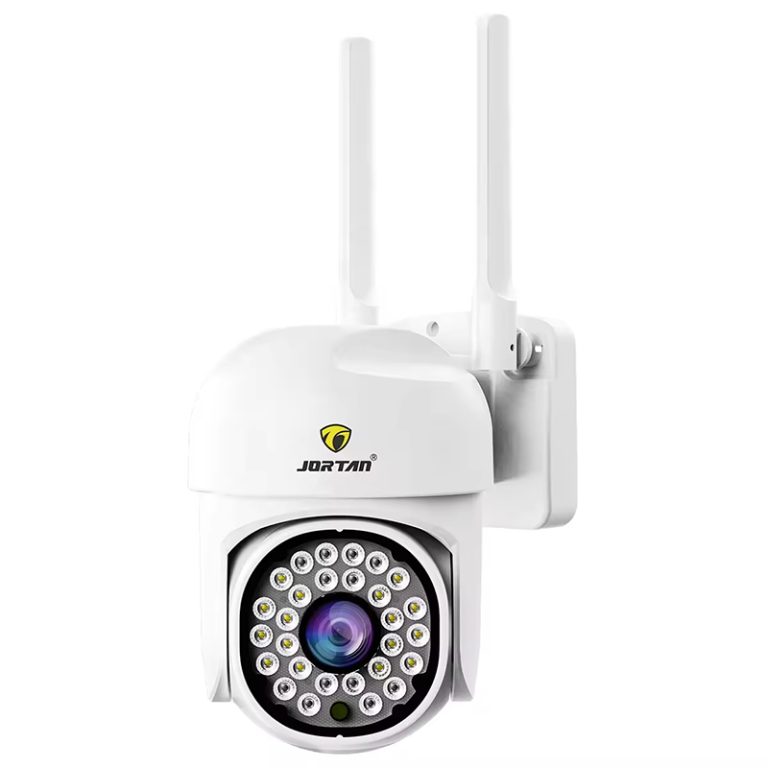
IP cameras operate as independent network devices. Video is digitized inside the camera, transmitted over TCP/IP networks, and processed across multiple layers in a coordinated way, including the device, network, platform, and application. This architecture not only supports decentralized monitoring, centralized management, and high openness across systems, but also allows remote access without geographical limits, multi-site linkage, and fine-grained authority management.
These architectural differences directly determine the system’s scalability, intelligence, resilience, and compatibility in the future.
Does image quality really differ between IP and HD cameras?
Resolution itself is no longer the main differentiator, and both cameras can reach 1080p or even higher. The real difference lies in image processing flexibility and bandwidth adaptability.
IP cameras support dual-stream output, adaptive bitrate, dynamic frame adjustment, and cloud-side optimization. A typical wireless IP model supports 1280×720 dual-stream video, adaptive bitrate control, and network-adaptive frame rate to balance clarity and stability under varying network conditions.
This means you get stable images when bandwidth fluctuates, while HD systems often degrade abruptly or lose frames when the cable environment or recorder becomes a bottleneck.
How does network architecture influence reliability?
HD systems rely heavily on physical wiring. Cable quality, distance attenuation, grounding, and interference directly impact performance. Expansion requires additional ports, rewiring, and hardware replacement.
IP cameras inherit the strengths of network architecture due to decentralized deployment and centralized control. The surveillance system becomes a modular structure where each device operates independently while remaining logically connected. This architecture supports cross-region monitoring, remote retrieval, flexible permission control, and seamless expansion.
In practical terms, you add more cameras without reengineering the entire system, and the process of expanding will not bring any stress to the architecture.
Why does storage strategy matter more than camera type?
Storage determines whether footage becomes reliable evidence or just fragmented clips.
Advanced IP systems integrate both local and cloud storage. A dual storage model is commonly adopted: real-time recording on a local TF card combined with encrypted cloud backup. Even if the device is damaged, key footage remains protected in the cloud. This dual insurance approach directly improves accountability and reduces risk exposure.
In contrast, HD systems often depend almost entirely on local DVR storage. Once the recorder is compromised, evidence disappears with it.
Can intelligent features work effectively on HD systems?
Modern home security relies on AI-driven functions, including human detection, false alarm filtering, event pre-recording, and behavioral recognition, which depend on computational capability distributed across devices, chips, and the cloud.
Some IP architectures now implement AI pre-recording technology. The system predicts potential risk, records the scene before the trigger event, merges it with post-event footage, and uploads a complete evidence chain to cloud storage, avoiding missing the crucial seconds before intrusion.
In addition, advanced human detection can reach 30 meters with strong anti-interference capability, achieving higher alarm accuracy than traditional PIR-based triggers. HD cameras, by contrast, usually rely on basic motion detection performed at the recorder level, with limited accuracy and high false alarm rates.
Where does wireless deployment change the decision?
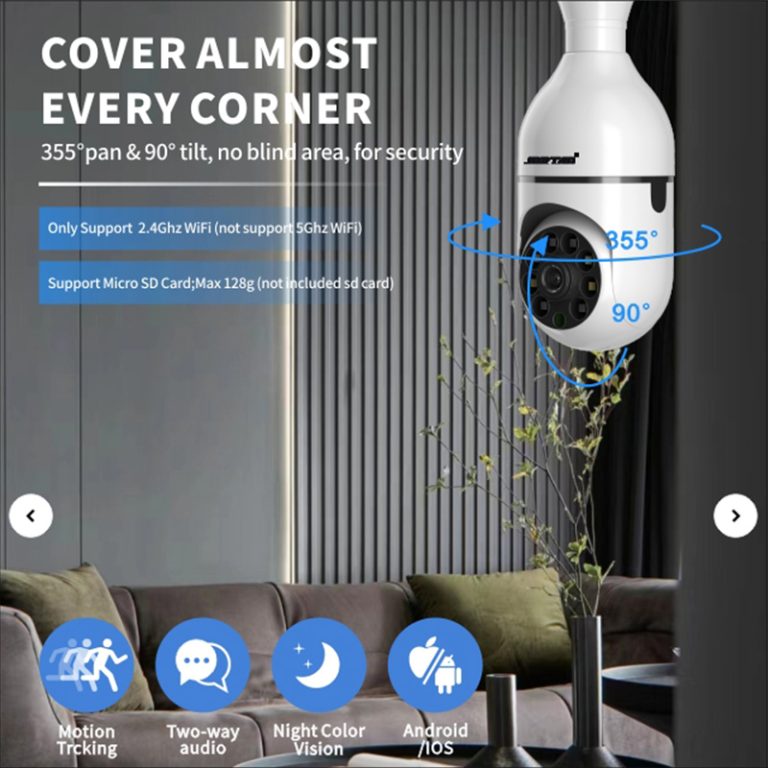
Wireless capability is not just convenience, but reshapes deployment logic. Most modern IP cameras support Wi-Fi networking standards (802.11b/g/n), mobile app remote monitoring, and fast configuration through hybrid network onboarding. This means you deploy without drilling extensive cable paths, and you can reposition devices as security needs evolve.
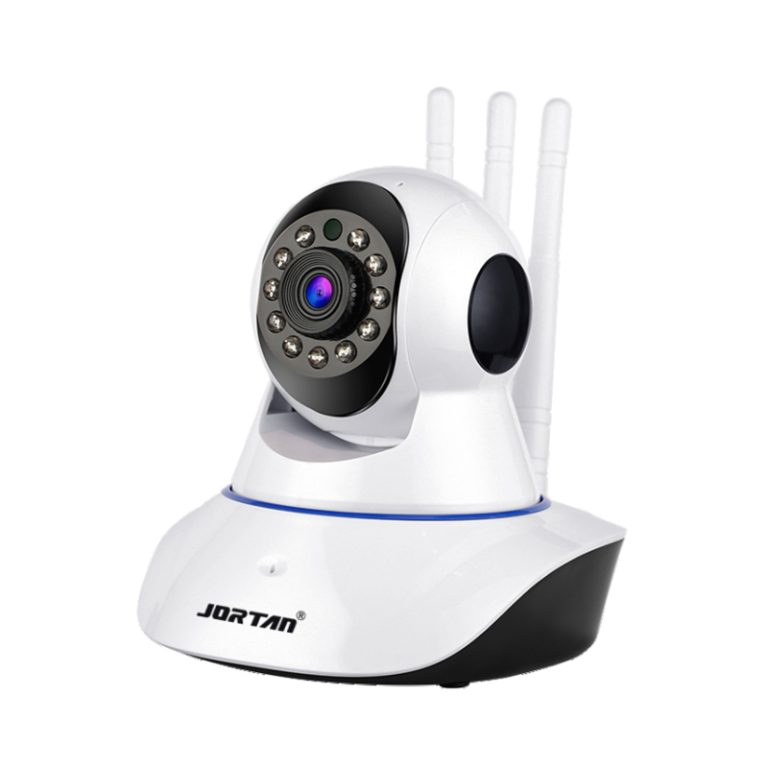
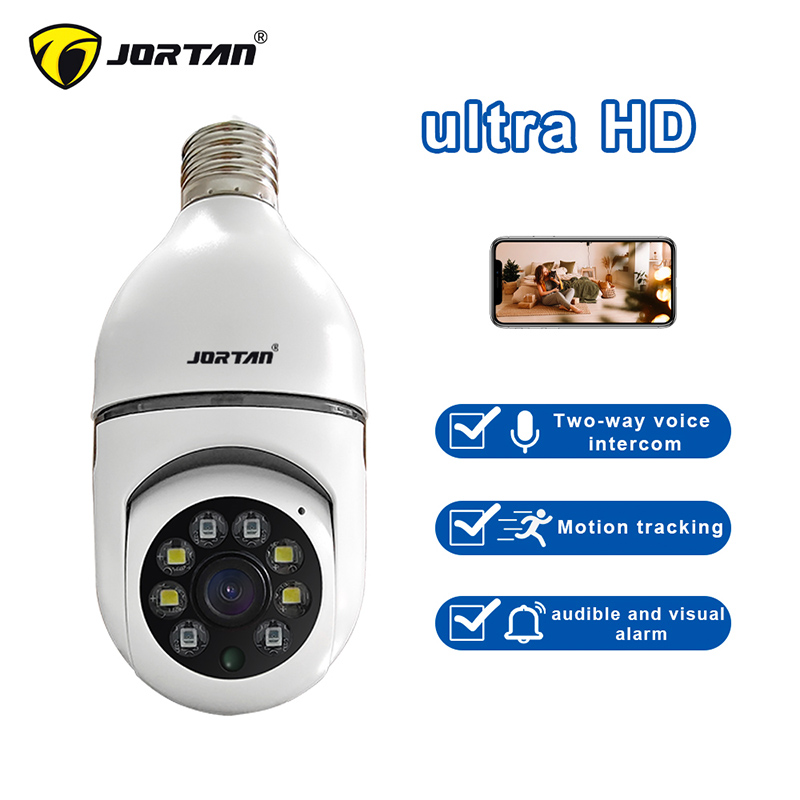
This is where product-level flexibility becomes valuable. For example, models such as the JT-8177 wireless IP camera are positioned for indoor residential use where you need a compact form factor, mobile access, and intelligent motion alerting without complex installation. Its configuration reflects the shift toward software-defined surveillance rather than hardware-locked monitoring.
Where does Jortan fit into this technology transition?
The choice of manufacturer becomes relevant, not as branding, but as architectural capability.
Jortan has focused on integrating cloud intelligence, edge detection, and energy-efficient design into consumer-grade and semi-professional monitoring devices. Our ecosystem emphasizes three practical outcomes—complete evidence chain, reliable alert accuracy, and flexible deployment.
The platform integrates cloud pre-recording, dual storage architecture, and adaptive AI recognition to address real home security pain points, such as missed events, false alarms, and data loss. Battery and solar-assisted designs further remove dependence on fixed power lines, allowing deployment in courtyards, entrances, garages, or detached structures without infrastructure modification.
This design philosophy aligns closely with what modern home users actually need: reliability over marketing features, and stability over complexity.
Which scenarios favor IP cameras more clearly?
If your needs include any of the following, IP architecture becomes the more logical choice:
- You need remote multi-location viewing (home, office, travel)
- You expect scalable expansion over time
- You rely on accurate alerts instead of continuous manual viewing
- You want cloud backup in addition to local storage
- You prefer flexible installation without heavy wiring
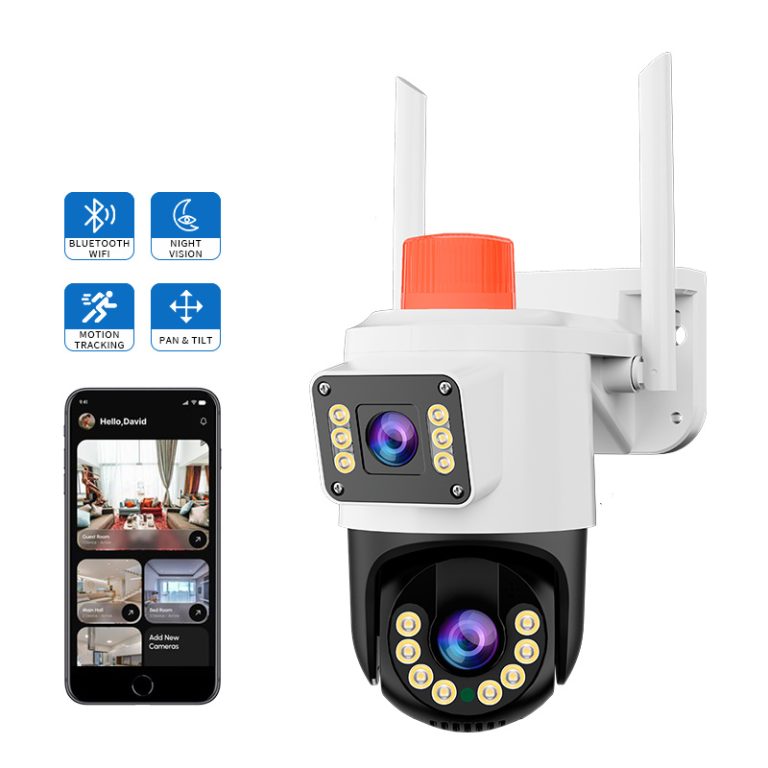
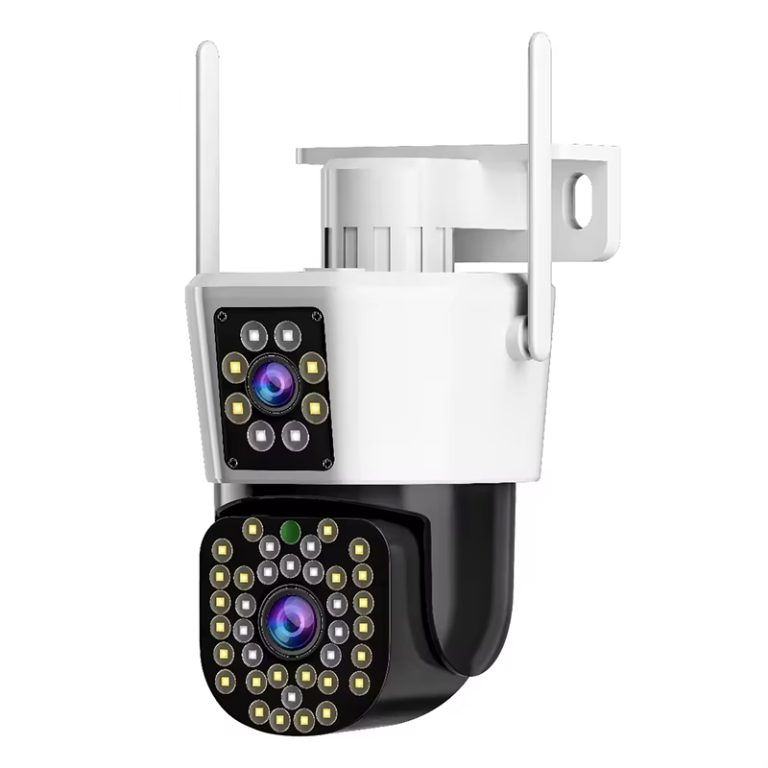
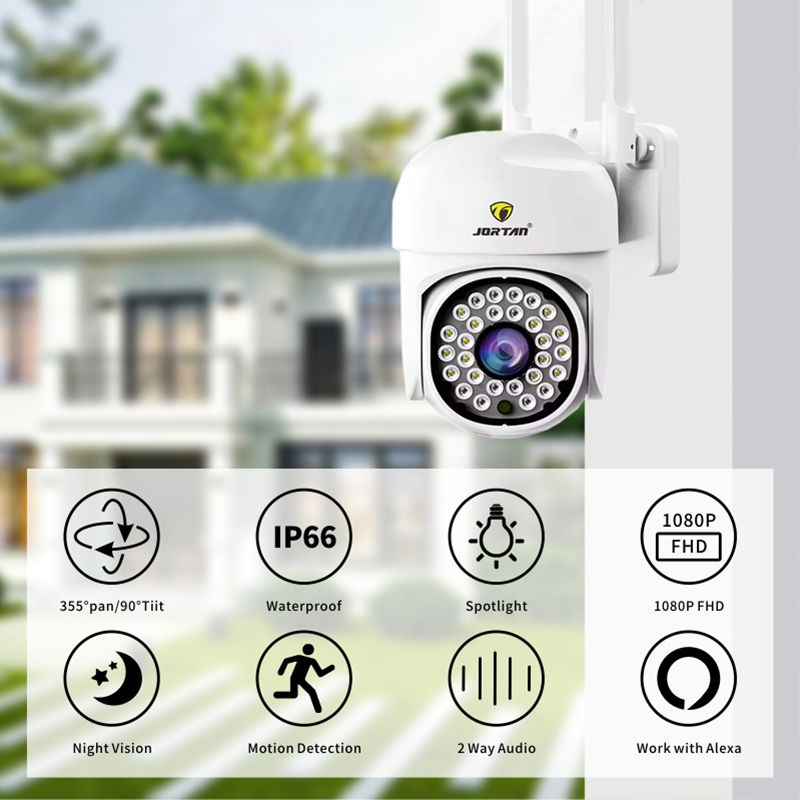
A second example is the JT-8161QJ wireless IP camera, which is positioned for users who want broader coverage flexibility and remote accessibility while retaining intelligent detection and cloud synchronization. This type of device matches environments such as apartment entrances, garages, small storefronts, or villas where structural wiring constraints exist.
Are HD cameras still relevant in any situations?
HD systems can still be suitable when you:
- already have existing coaxial infrastructure
- require very low-latency closed systems
- prefer isolated, offline-only recording
- manage security centrally with professional recorders
However, even in these environments, the long-term upgrade path often leads toward hybrid or fully IP architectures because of integration demands and evolving security expectations.
How should you decide between IP and HD for home use?
Instead of focusing on labels, evaluate the actual requirements:
- Do you need remote access and mobile alerts?
- Do you need flexible installation?
- Do you need scalable coverage later?
- Do you need reliable evidence even after device damage?
- Do you need intelligent detection to reduce false alarms?
If most answers lean toward “yes,” IP cameras offer structural advantages that HD systems struggle to provide sustainably.
Conclusion
The question is no longer whether IP cameras are more advanced, but whether your home security should behave like a static recording system or like an adaptive security network:
- HD cameras represent stability through simplicity
- IP cameras represent resilience through architecture
FAQs
Q: Are IP cameras less stable because they rely on the network?
A: Properly designed IP systems use adaptive bitrate, dual-stream output, and network-tolerant architecture to maintain stable operation even when bandwidth fluctuates. They are not inherently less stable than cable systems when deployed correctly.
Q: Will cloud storage replace local storage in home security systems?
A: In practice, hybrid storage is more reliable. Dual storage models combine local TF card recording with encrypted cloud backup, ensuring footage remains safe even if the device is damaged or stolen.
Q: Why does human detection matter more than motion detection?
A: Motion detection triggers on any movement, which leads to frequent false alarms. AI-based human detection filters irrelevant events and improves alert accuracy, with some systems reaching 30-meter effective detection while maintaining strong anti-interference performance.