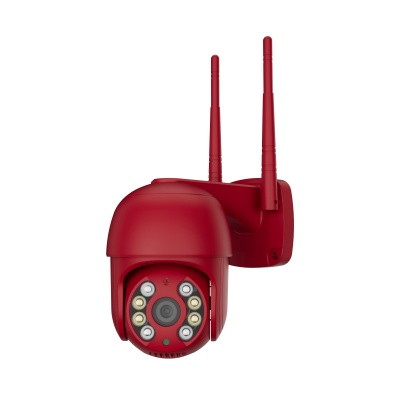
Network IP CCTV cameras have moved far beyond simple video capture. In today’s security architectures, they act as distributed sensing nodes, intelligent edge processors, and reliable evidence collectors. If you design, deploy, or evaluate surveillance systems, you are no longer choosing “a camera,” but defining how data flows, how risks are detected, and how evidence is preserved. This guide will focus on the practical technical issues that shape performance in real projects.
Why are network IP cameras now central to security system architecture?
Modern systems rely on IP cameras because they integrate sensing, processing, storage logic, and connectivity into one device. It is not just transmitting video, but orchestrating streams, alarms, and analytics across networks, platforms, and storage layers.
From a system perspective, today’s cameras commonly support integration of various functions, such as ONVIF protocol integration for third-party platforms, mobile monitoring and remote access through cloud-based or P2P technologies, and edge storage via SD/TF card plus cloud storage for higher data integrity. This combination means camera selection directly affects system scalability, network load, storage cost, and operational reliability.
What really determines image quality beyond megapixels?
Resolution alone does not guarantee usable evidence. Practical image quality depends on how optics, sensor, processing, and illumination interact under real conditions.
How do low-light technologies affect usable footage?
Night imaging determines whether faces, plates, or behaviors remain identifiable after dark. Several night vision modes are common, such as infrared, starlight, full-color, and blacklight, each suited to different environments. For demanding nighttime monitoring, full-color modes often provide more context detail than monochrome infrared modes.
Cameras equipped with combined white light and infrared arrays can automatically shift between modes, offering full-color night images when motion is detected and conserving bandwidth when scenes are static. This design improves both forensic value and operational efficiency.
Why does encoding efficiency matter for system design?
Video encoding affects bandwidth consumption and storage cost directly. Devices using advanced encoding such as H.265AI can reduce storage requirements by roughly 50% compared with older modes, while also lowering noise and improving transmission smoothness.
In large deployments, this efficiency can determine whether you need to expand network infrastructure or storage capacity.
How should you evaluate intelligence features without overpaying?
AI functions are often oversold, but some capabilities bring measurable value when correctly deployed.
Which analytics actually improve operational outcomes?
Human detection, motion classification, and intelligent alarm filtering reduce false alerts and improve response quality. Many modern devices support human detection with alarm push to mobile terminals, allowing faster reaction when genuine intrusions occur.
However, higher intelligence levels typically raise cost. The practical approach is to match the depth with the scenario:
- Perimeter protection benefits from human detection and intrusion alerts
- Retail environments gain value from motion-based recording and event search
- Residential systems often prioritize reliable alerts over complex analytics
- Choosing features based on use cases, not specification lists, keeps budgets efficient.
What role does storage architecture play in reliability?
Storage design often decides whether a system remains trustworthy after incidents.
How does edge storage complement centralized storage?
Edge storage stores recordings locally on the camera (SD/TF card or local NAS), which improves resilience during network interruptions. If the connection fails, footage continues recording locally and can later synchronize back to the backend system when connectivity returns.
This approach also supports low-bandwidth environments, where main streams remain local while sub-streams serve remote viewing with minimal data usage.
Which storage modes should you consider in projects?
The common architectures of storage patterns include:
- SD/TF card edge storage (up to 128GB commonly supported)
- NVR-based centralized storage
- NAS/SAN enterprise storage for large systems
- Cloud storage for redundancy and remote accessibilityIn practice, combining local and cloud storage offers stronger fault tolerance than relying on only one method.
How does connectivity influence deployment flexibility?
Connectivity defines where and how a camera can be used.
Many devices now support Ethernet and WiFi networking, built-in hotspot modes that enable local connection even without external network access, and cloud-based remote access with alarm push and device sharing.
Built-in hotspot capability is particularly valuable for temporary sites, remote facilities, or rapid deployment environments where infrastructure is limited.
Where does product-level engineering translate into real project value?
Technical specifications matter only when they align with field reliability. Features such as lightning protection, environmental durability, and protocol compatibility influence lifecycle cost more than raw image specs.
Support for lightning protection standards and IP66 waterproof rating, for example, improves stability in outdoor deployments and harsh environments. Over time, it reduces maintenance interventions and replacement cycles.
How does Jortan fit into professional deployment scenarios?
In real-world projects, product ecosystems matter as much as single models. Jortan positions itself around practical engineering rather than superficial differentiation. Our portfolio emphasizes ONVIF compatibility, IP66-rated housings, mobile monitoring support, dual storage modes, and intelligent alarm mechanisms that align with mainstream system architectures. That balance allows smoother integration into existing backends while maintaining strong field usability.
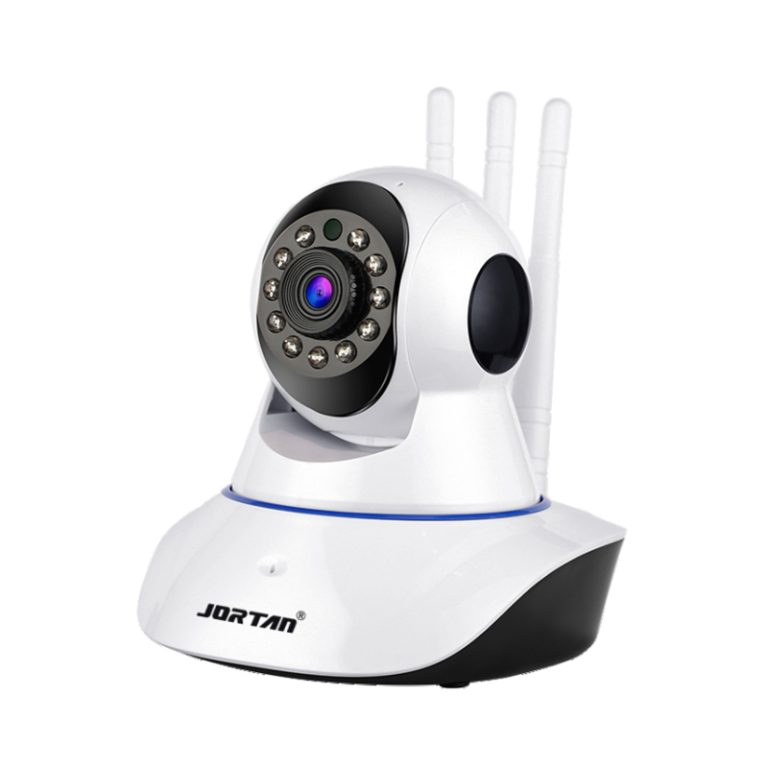
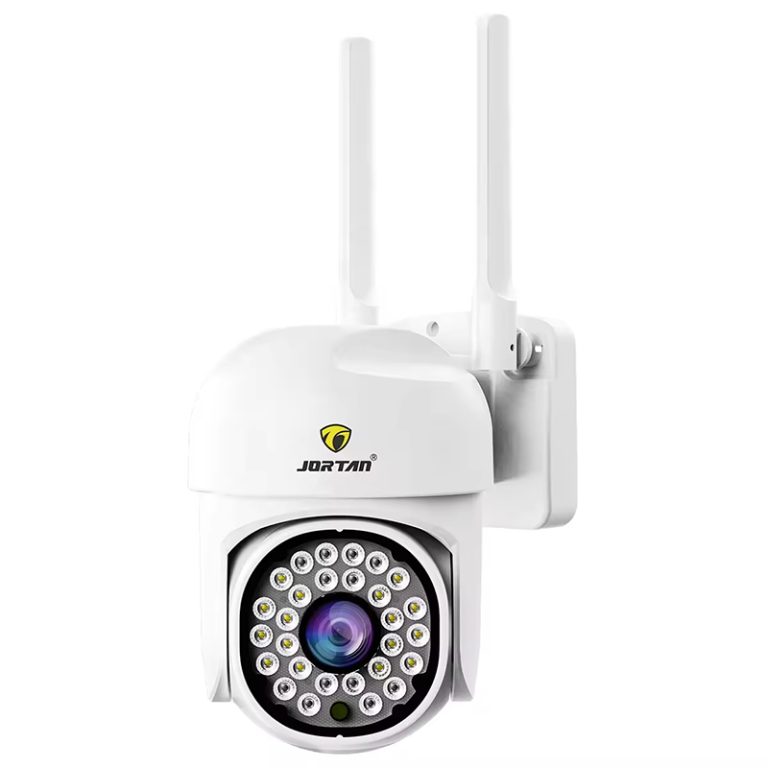
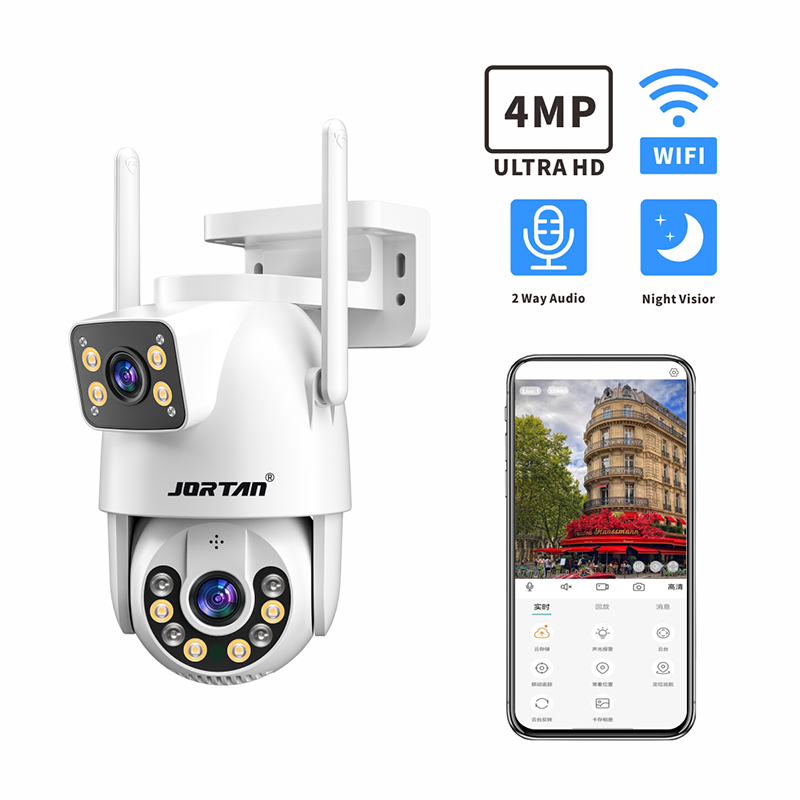
A representative example is the JT-9697QJ network IP camera, which focuses on stable connectivity, intelligent detection, and reliable storage design for everyday deployment scenarios. The design reflects attention to encoding efficiency, alarm reliability, and practical night imaging rather than overloading with rarely used features.
Why does multi-lens and panoramic design change coverage strategies?
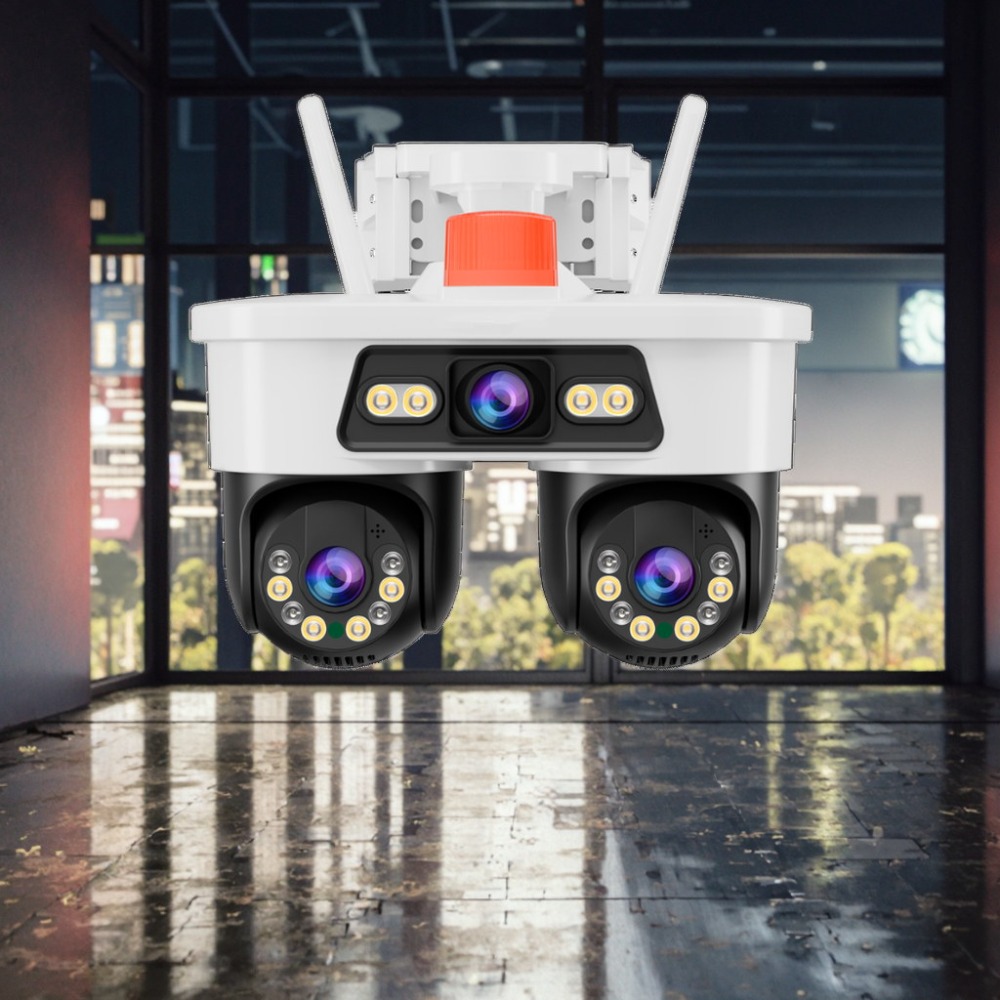
Traditional single-lens placement often forces compromises between wide coverage and detail capture, while multi-lens and panoramic designs allow one device to replace multiple conventional viewpoints.
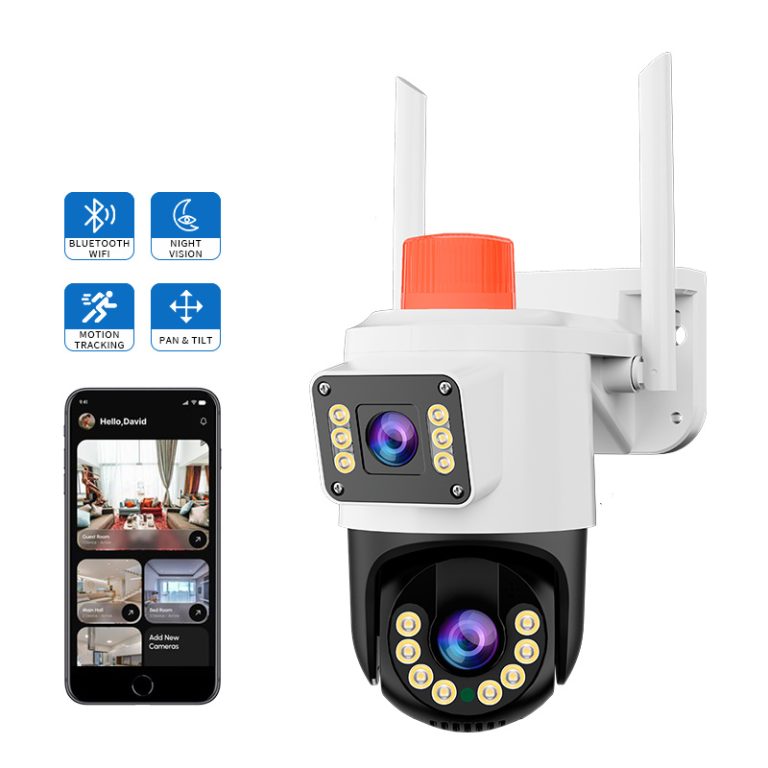
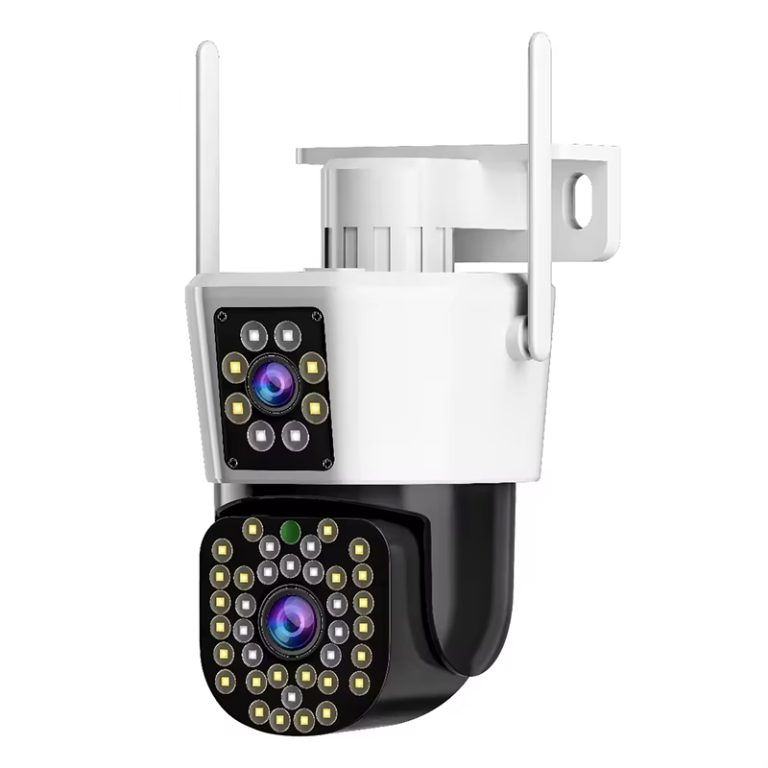
The Jortan 8 network IP camera illustrates this trend by emphasizing wide coverage, flexible viewing angles, and adaptive monitoring for complex environments such as warehouses, courtyards, and mixed indoor-outdoor spaces. Instead of expanding hardware count, you gain coverage density through smarter optical and processing design.
From a project perspective, such architectures reduce installation complexity, power distribution needs, and long-term maintenance overhead.
How can you balance system complexity with operational simplicity?
Advanced systems often fail not because of weak hardware, but because daily operation becomes too complex.
What makes a system easier to operate long-term?
Features that consistently improve usability include:
- Simple onboarding workflows
- Multi-user sharing without insecure password practices
- Clear alarm push mechanisms with adjustable sensitivity
- Reliable mobile and desktop viewing optionsThese design details reduce training cost, improve acceptance by end users, and ultimately protect the system’s intended value.
What should guide your final selection strategy?
A professional-grade decision process weighs architecture, not isolated features.
Emphasis should be placed on:
- Protocol openness (ONVIF compatibility)
- Encoding efficiency for bandwidth control
- Hybrid storage strategies for evidence integrity
- Real low-light performance, not just spec sheet lux values
- Environmental durability (IP rating, lightning protection)
- Operational usability for long-term managementWhen these factors align, your system remains scalable, reliable, and defensible under real operational pressure.
FAQs
Q: Which one should be chosen between cloud storage and local storage solutions?
A: The best method is to use a combination of both. It is ensured by storing data in the SD/TF and cloud because data storage in the cloud helps in preserving the evidence when a device is destroyed or stolen.
Q: Does higher resolution necessarily mean better quality evidence?
A: Not necessarily. The quality of image encoding, low-light performance, lens clarity, or noise control may be far more important than image resolution. The optimized 2MP system would have a better forensic performance than a poorly designed high-resolution camera.
Q: Are intelligent features worth the extra investment?
A: They are valuable when aligned with the scenario. Human detection and intelligent alarms could greatly improve the accuracy of alerts and the efficiency of responses. However, using analytics without any operational justification could simply raise costs without creating a proportional benefit.