
Indoor WiFi cameras have evolved from simple visual monitors into intelligent sensing nodes that integrate imaging, networking, local processing, and cloud connectivity. When you select a device for home security, you are no longer choosing a gadget but shaping how reliably events are captured, how clearly behavior can be reviewed, and how consistently the system performs over months and years of continuous operation.
Sensor behavior, encoding stability, detection logic, storage design, privacy controls, and network resilience all shape whether the camera becomes a dependable part of your security environment or an unreliable accessory that you eventually ignore. Consumer-grade products today commonly support WiFi networking, TF card or cloud storage, simple AI features such as human detection, and mobile app management, which already positions them as intelligent terminals rather than passive devices.
This article provides a practical, system-oriented path to help you evaluate indoor WiFi cameras using engineering thinking.
Who is Jortan, and why does its indoor camera design align with real home security requirements?
When evaluating manufacturers behind indoor cameras, production technologies and design philosophy matter more than packaging. Jortan is an integrated manufacturer that combines R&D, design, production, and service. Our technical team and manufacturing infrastructure support long-term product iteration rather than short product cycles driven by appearance alone.
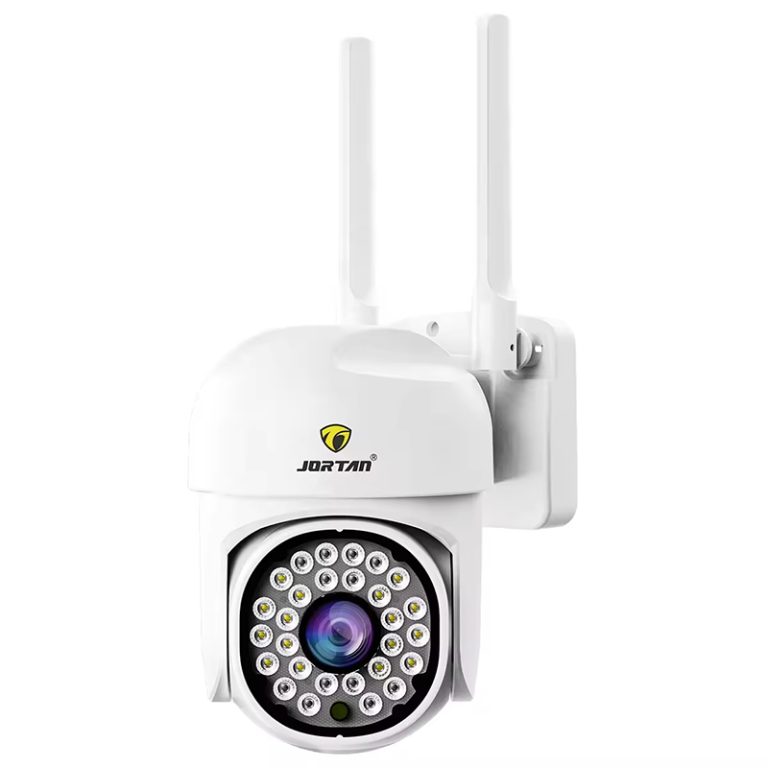
Our approach to camera design emphasizes functional reliability. Common elements across our product concepts include AI-based human detection to filter invalid alerts, two-way audio for real interaction, built-in AP hotspot capability that allows continuous monitoring despite external unavailable networks, and dual storage options using Micro SD cards and cloud services. Our products are also designed for simple deployment, multi-user sharing under administrator control, and continuous operation without complex configuration steps.
For technically skilled users, this design reduces operational uncertainty by predictable deployment and clearer maintenance, and enhances confidence that the device will behave consistently under real home conditions.
What actually defines a “good” indoor WiFi camera beyond resolution?
Resolution is easy to advertise and easy to misunderstand. High pixel counts do not automatically produce usable footage if the underlying imaging pipeline lacks stability.
What factors collectively determine the availability of the footage
Factors, including image sensor behavior, encoding stability, low-light performance, and latency, determine whether your footage is useful:
- Sensor quality determines whether details remain consistent across lighting changes.
- Encoding stability affects whether long recordings remain smooth rather than fragmented.
- Low-light performance matters because many indoor security incidents occur under limited illumination.
- Latency influences how natural two-way communication feels and whether real-time intervention is possible.
A strong indoor camera maintains coherent behavior across all these layers instead of excelling in only one visible metric.
Modern network cameras typically rely on image sensors, video encoders, and embedded servers working together as a single system. If one layer is poorly optimized, the entire experience degrades.
How should you evaluate coverage when rooms are small but behavior is unpredictable?
Indoor environments may appear simple, but they contain complex behavior patterns, such as children moving unpredictably, elderly family members needing supervision, visitors entering blind corners, and pets triggering motion zones.
Why field of view geometry, camera placement height, and behavioral flow patterns matter more than advertised angles
Coverage depends on placement logic. Mounting height affects facial perspective, field of view width influences whether you gain context or lose detail, and behavioral flow determines whether key activity occurs inside the camera’s effective zone rather than at its edges.
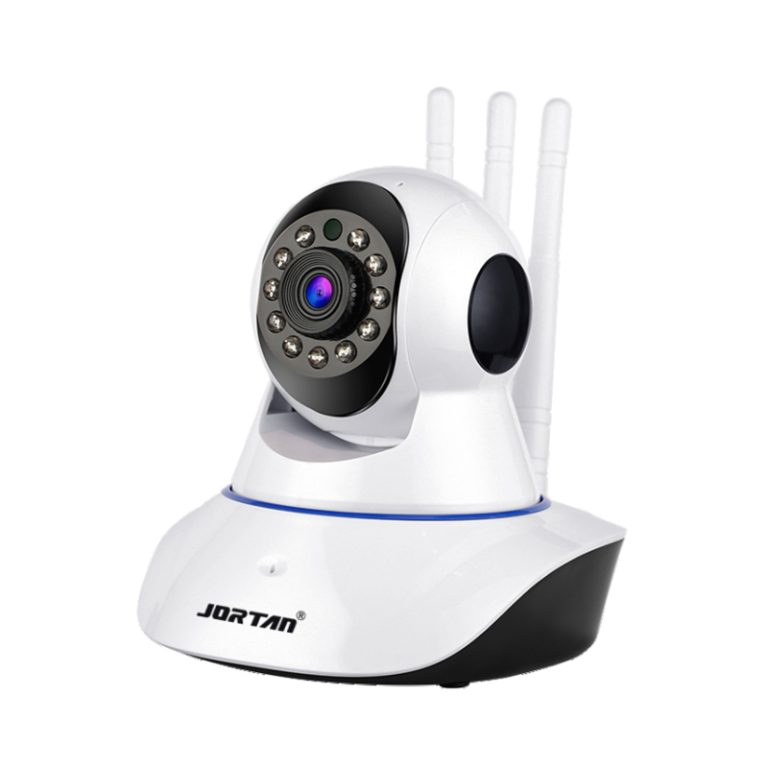
In living rooms, children’s rooms, or study areas, devices such as the JTZ-160B indoor home security camera are designed around compact placement, wide but controlled viewing angles, and AI-based motion filtering that suits everyday household dynamics rather than large outdoor spaces. This type of product highlights an important principle—coverage effectiveness is achieved through spatial design, not through extreme angle specifications alone.

How do you balance privacy and visibility instead of sacrificing one for the other?
Once a camera enters private space, technical performance is not enough, and trust should become a part of system quality.
How physical lens orientation, software masking, permission hierarchy, and data ownership control shape trust
Privacy control begins with physical orientation, and the cameras that allow easy repositioning support selective coverage. Software-level privacy masking enables you to block sensitive zones such as beds or desks. Besides, the permission hierarchy ensures that only authorized users can access live feeds or recordings.
Cloud and local storage choices also affect data ownership perception. Cloud storage provides resilience when devices are damaged or stolen, while local storage limits external exposure, all of which is integrated into modern systems. These controls are increasingly standard across consumer smart cameras and are essential when devices operate continuously in personal environments.
How should you judge whether motion detection is actually useful?
Many users disable alerts after a few weeks because notifications become meaningless. This is not a user problem, but a configuration and algorithm issue.
Why AI-based human filtering, sensitivity calibration, and alert logic determine whether notifications remain actionable over long-term use
Simple motion detection reacts to shadows, lighting changes, and pets, which can be addressed by human-shape detection because it narrows alerts to events that carry security relevance. Sensitivity calibration further improves performance, preventing constant low-value notifications.
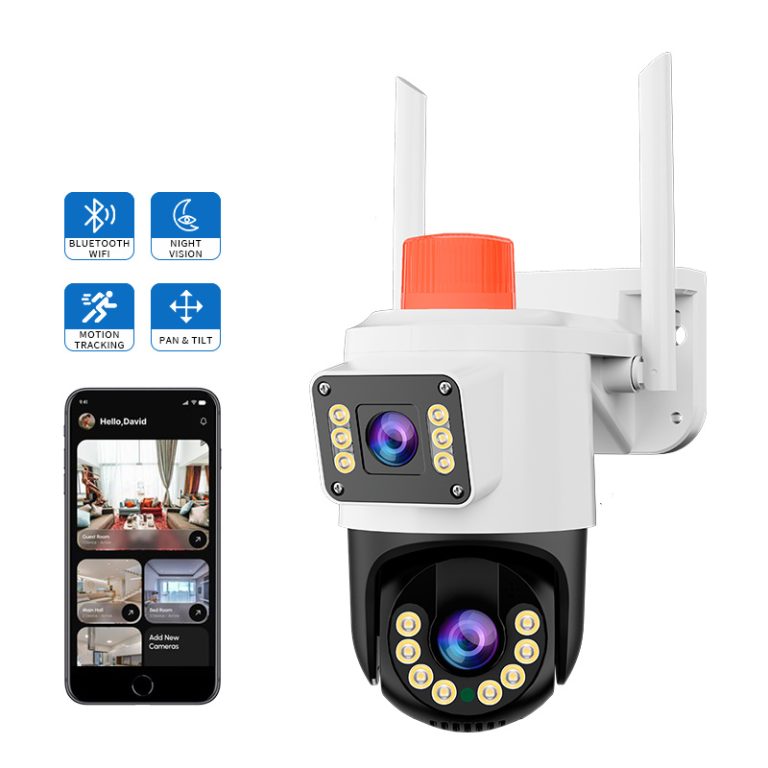
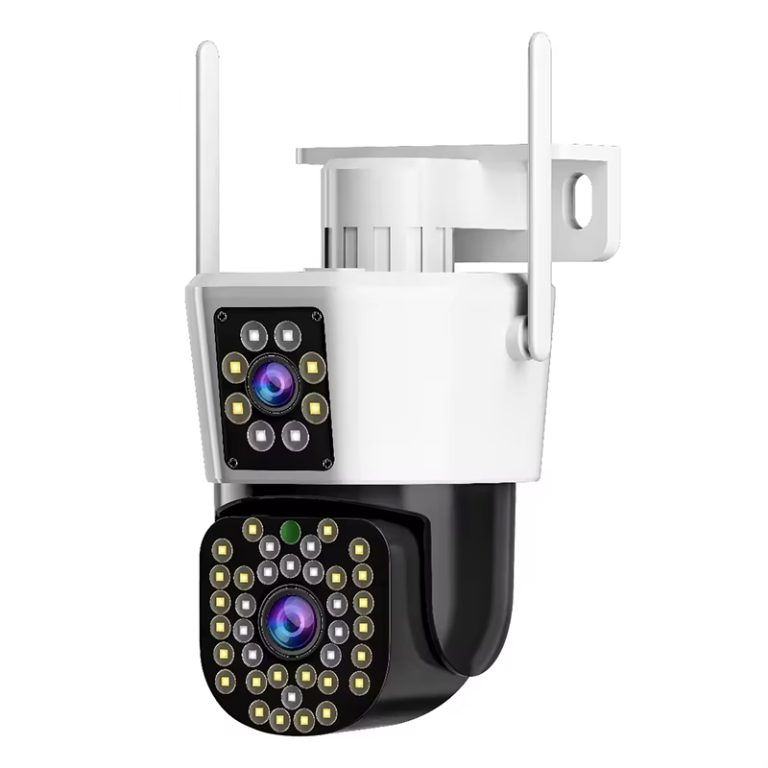
In environments with more complex movement patterns, such as open-plan living areas or combined home-office spaces, devices like the JT-9696 Pro security WiFi camera apply dual-lens coordination and upgraded human-detection logic to improve tracking accuracy and event relevance.
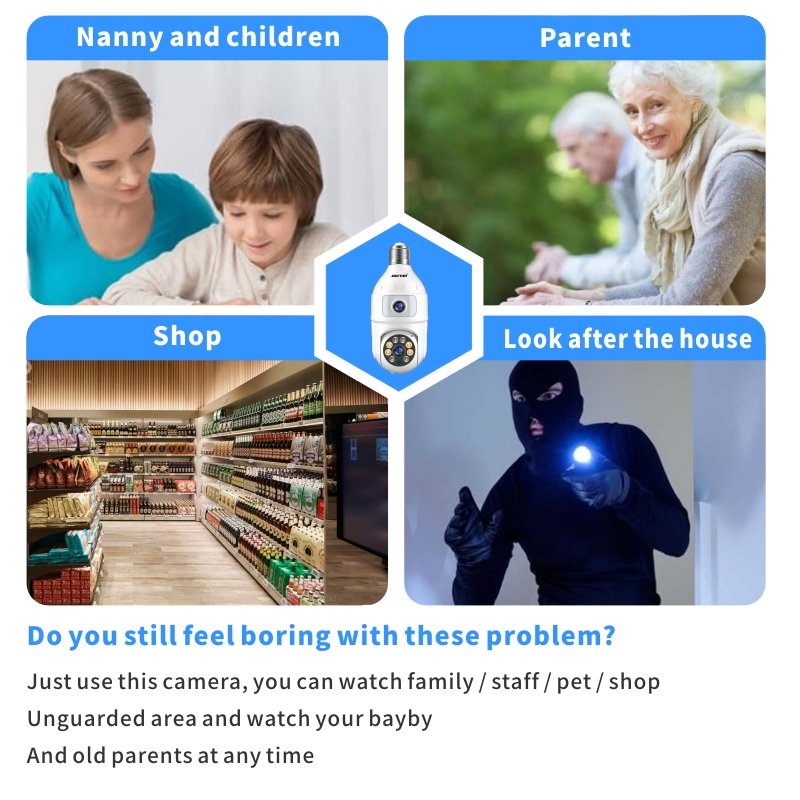 How do storage choices influence whether you can actually retrieve critical footage?
Recording without retrieval is operationally useless, so storage architecture must support real review behavior.
What factors affect the real value of recorded data
Local TF card storage offers immediate redundancy and independence from external networks. However, card endurance and overwrite cycles determine how long footage remains available. Cloud storage extends retention, protects data when devices are stolen, and allows remote access during network changes.
Most modern home cameras support both local and cloud options because they address different risk scenarios, remove the need for manual maintenance by automatic cyclic overwriting, and ensure that recent data remains intact.
Therefore, you should judge storage not by capacity alone but by whether you can quickly locate meaningful segments when they matter.
How do connectivity stability and deployment simplicity affect long-term reliability?
Short-term connectivity success does not guarantee long-term operational continuity.
Why WiFi pairing logic, AP fallback mode, firmware update discipline, and router distance define operational continuity rather than convenience alone
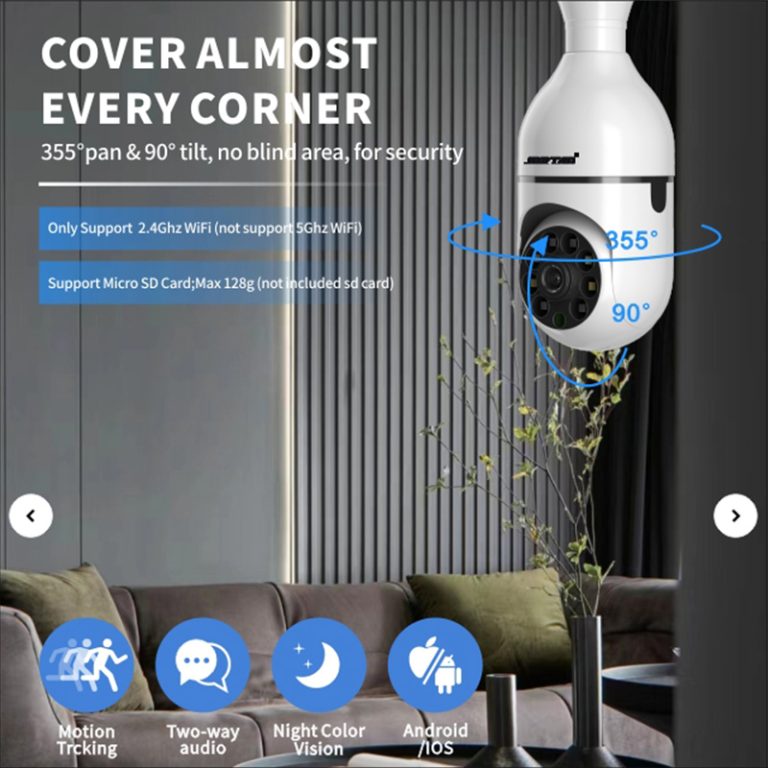
WiFi cameras depend on consistent signal quality, distance from the router, physical obstructions, and interference shape daily stability. Devices that support AP hotspot fallback allow you to maintain local monitoring when external connectivity fails, which adds resilience to the system.
Firmware updates also influence reliability. Many connectivity and performance issues originate from outdated protocol handling rather than hardware failure. Regular updates extend device lifespan and maintain compatibility with evolving mobile platforms.
Easy deployment matters because systems that are difficult to configure are rarely maintained properly over time.
How should you think about indoor cameras as part of a system?
A coordinated system provides situational awareness.
How multi-device coordination, shared access control, scenario segmentation, and behavioral data interpretation shape a coherent home security architecture
Different rooms serve different functions. For example, entryways focus on access events, and bedrooms for a safety and privacy balance. Treating all cameras identically will ignore these distinctions.
System thinking means segmenting scenarios, configuring detection differently per room, managing user permissions carefully, and reviewing patterns across devices rather than single clips. Modern smart cameras already support multi-user sharing under administrator control and mobile-based centralized management, which allows you to design this architecture without enterprise infrastructure.
Conclusion
Selecting the best indoor WiFi camera is not a matter of chasing the highest resolution or the longest feature list, but is a process of aligning device behavior with real-world use—consistent imaging, stable connectivity, meaningful alerts, reliable storage, and respectful privacy control.
You are not buying a product for occasional viewing, but building an environment where safety signals remain visible, interpretable, and trustworthy over time. When evaluating with system thinking, your choices become more resilient, more rational, and far more valuable in everyday life.
FAQs
Q1: Should you prioritize higher resolution when selecting an indoor WiFi camera?
A: Only when resolution is paired with strong low-light performance and stable encoding. High pixel counts without usable night footage or smooth playback provide little practical benefit.
Q2: Is cloud storage necessary if you already use a local SD card?
A: Local storage protects short-term availability. Cloud storage protects against device loss, damage, or theft. The two serve different risk scenarios and work best together.
Q3: Why do many users eventually disable motion alerts?
A: Because alerts are often poorly filtered. Systems that rely on AI-based human detection and calibrated sensitivity maintain relevance, which keeps notifications actionable instead of overwhelming.