If you engage in work related to security systems, you know that coverage quality matters more than the number of installed cameras. Many security gaps are not caused by poor resolution or weak night vision, but by static viewpoints that fail to follow real activity. Fixed-angle cameras record what happens to pass through their field of view, while incidents often unfold just outside that frame.
This is where PTZ WiFi cameras earn their place. They combine mechanical flexibility, optical zoom, and wireless deployment to turn monitoring into an active process rather than passive recording. This article focuses on why PTZ WiFi cameras are chosen in practical security monitoring, what problems they solve, and where they deliver value in real scenes of installations.
What Problems Do Fixed-Angle Cameras Create in Dynamic Monitoring Environments?
How limited field of view and static positioning reduce situational awareness over time
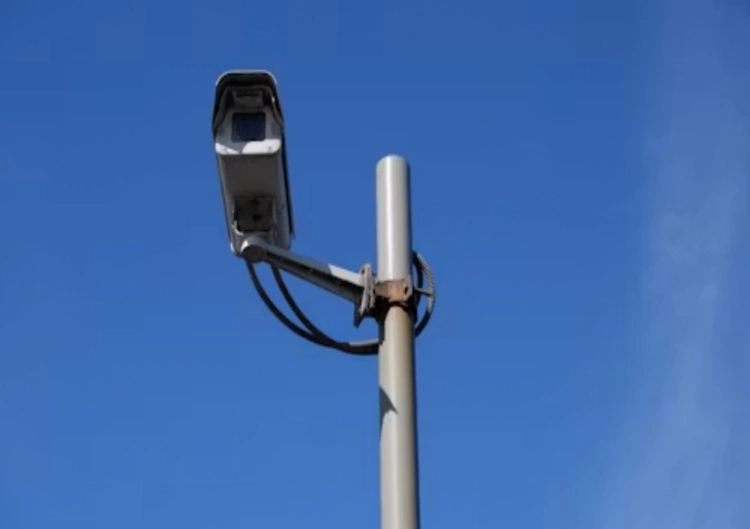
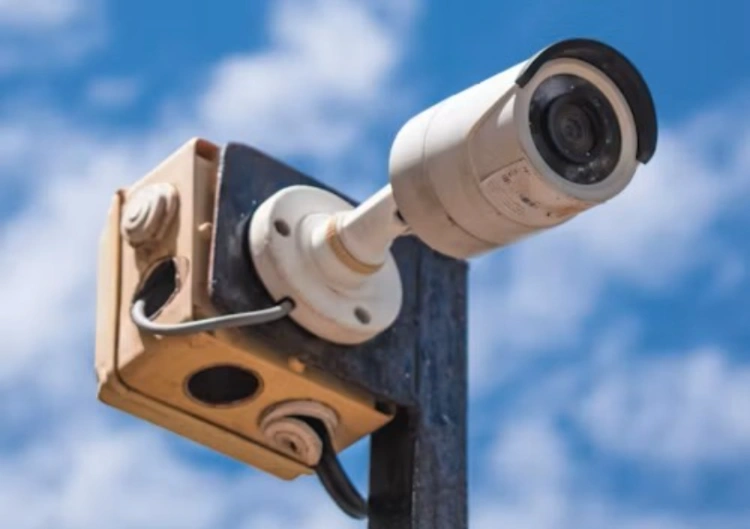
When you rely on fixed cameras, you accept structural limitations from day one. A single lens captures only one perspective, and anything outside that frame becomes invisible unless you add more devices.
It is the limit that causes many common problems, mainly including:
- Blind zones caused by walls, vehicles, shelving, or landscaping
- Inefficient overlap when multiple cameras are added to compensate
- Inability to follow a moving subject across zones
- Higher storage load from recording large static areas with little activity
Over time, these limits become operational risks. Although having the footage, the footage may not be relevant or critical, leading to the development of PTZ cameras.
How Does PTZ Control Change the Way You Monitor a Space?
Why pan, tilt, and zoom functions redefine coverage efficiency and response logic
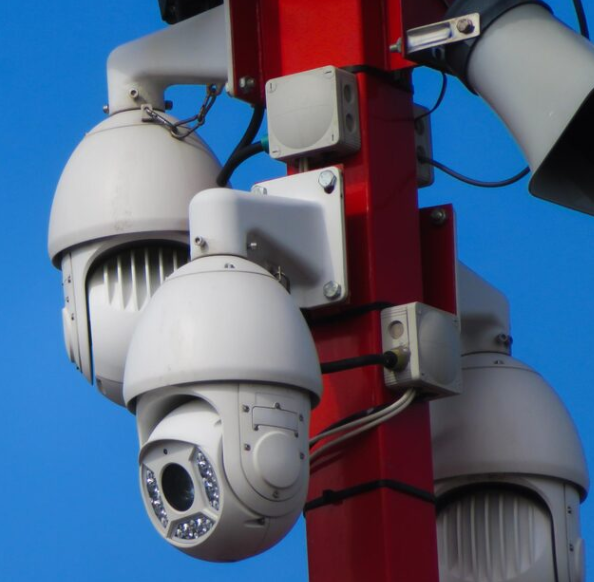
PTZ control turns a camera into a movable observation point. Instead of waiting for activity to enter a preset frame, the lens is repositioned to where activity actually happens.
This shift brings many key advantages, including:
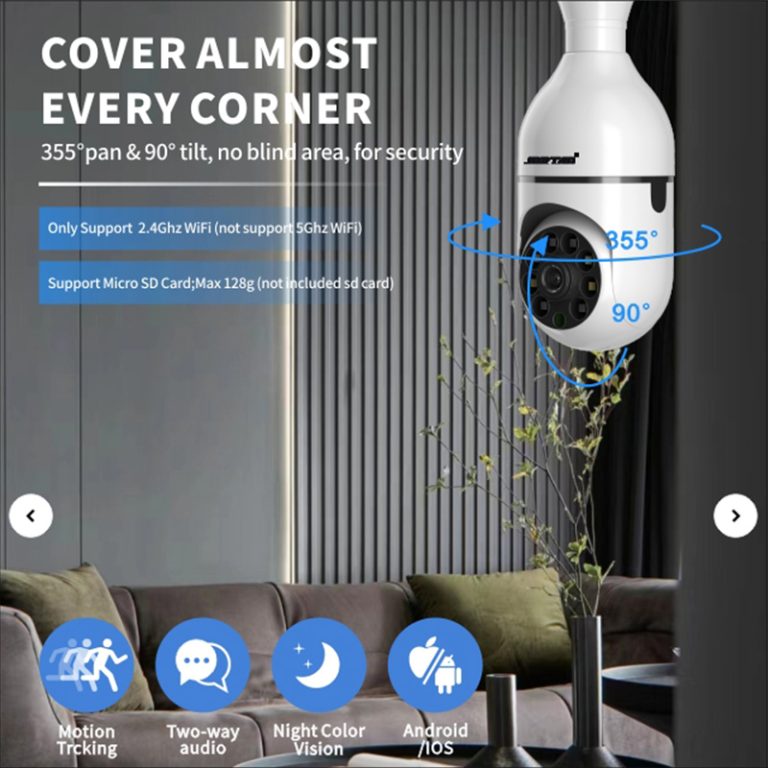
- Pan and tilt allow one device to scan wide areas or shift focus instantly
- Optical zoom enables detail capture without sacrificing image integrity
- Preset points support automated patrol routes
- Manual override allows operators to react in real time
This approach reduces reliance on camera density and increases the value of each installed unit.
Why Does WiFi Connectivity Matter for PTZ Camera Deployment?
How wireless networking simplifies installation and enables flexible camera placement
PTZ cameras are most effective when placed at strategic vantage points. WiFi connectivity removes many of the physical constraints that limit placement.
With WiFi-based deployment, you gain:
- Faster installation without extensive cabling
- Easier relocation when monitoring priorities change
- Remote access through mobile or desktop platforms
- Simplified expansion for residential and light commercial sites
Stable WiFi, combined with modern compression technologies, supports smooth PTZ operation without requiring complex network infrastructure.
In Which Scenarios Does a PTZ WiFi Camera Deliver Clear Advantages?
Why wide-area, mixed-activity, and semi-open environments favor PTZ WiFi solutions
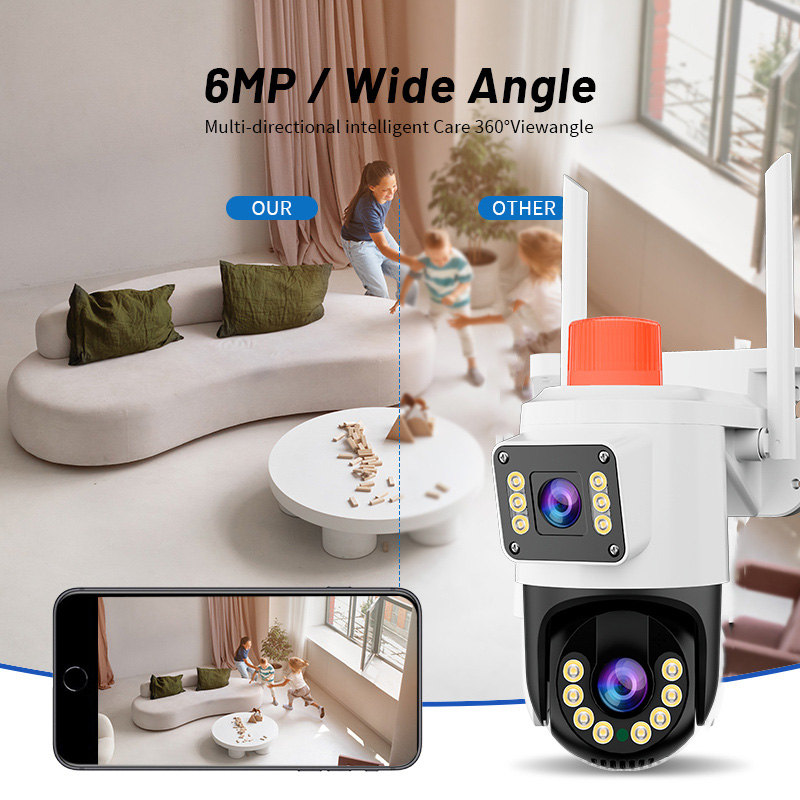
PTZ WiFi cameras perform best where activity is unpredictable and spread across multiple directions. Typical scenarios include residential yards and entrances, parking areas and driveways, small warehouses or workshops, retail spaces with changing traffic patterns, and so on.
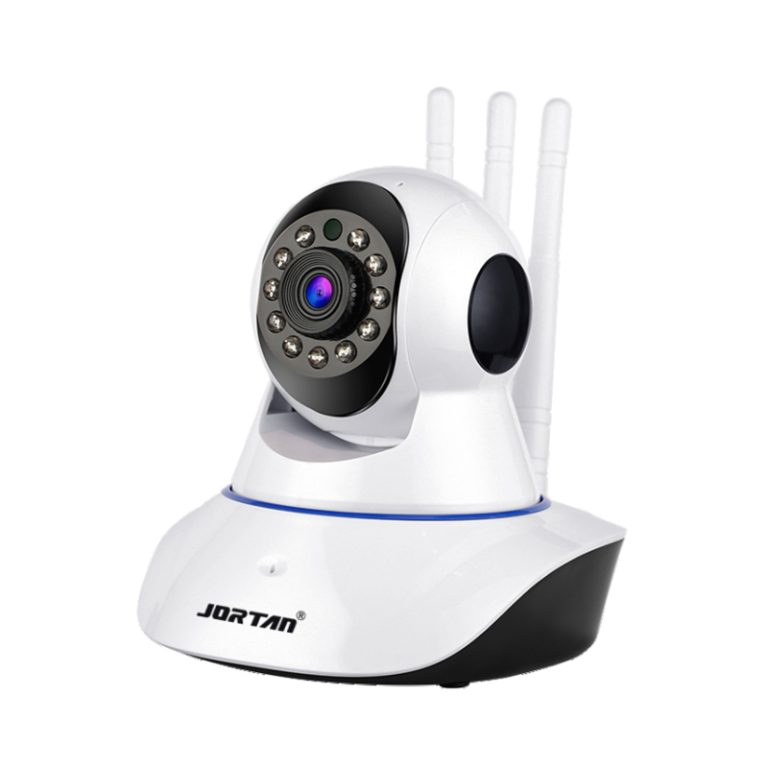
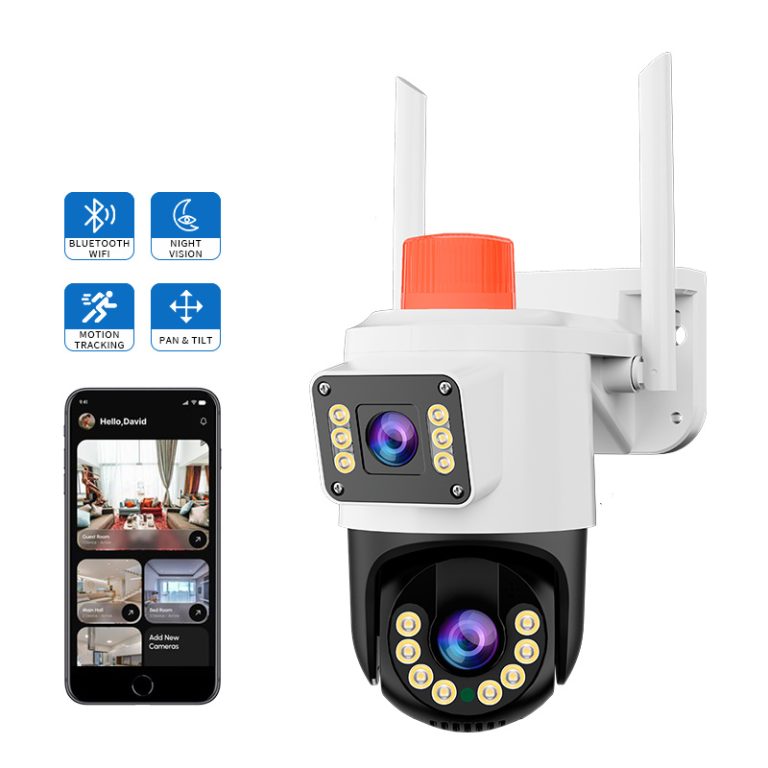
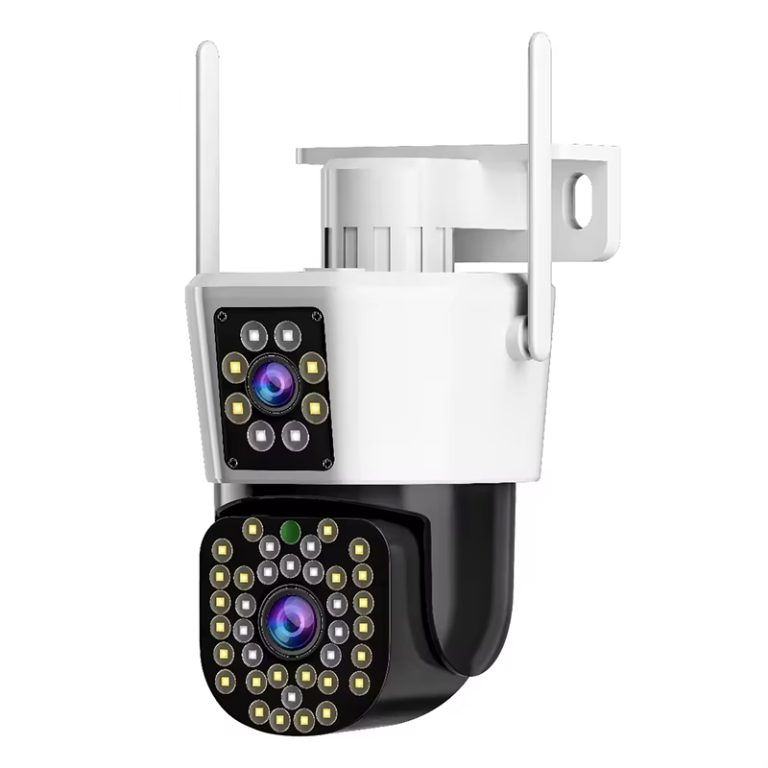
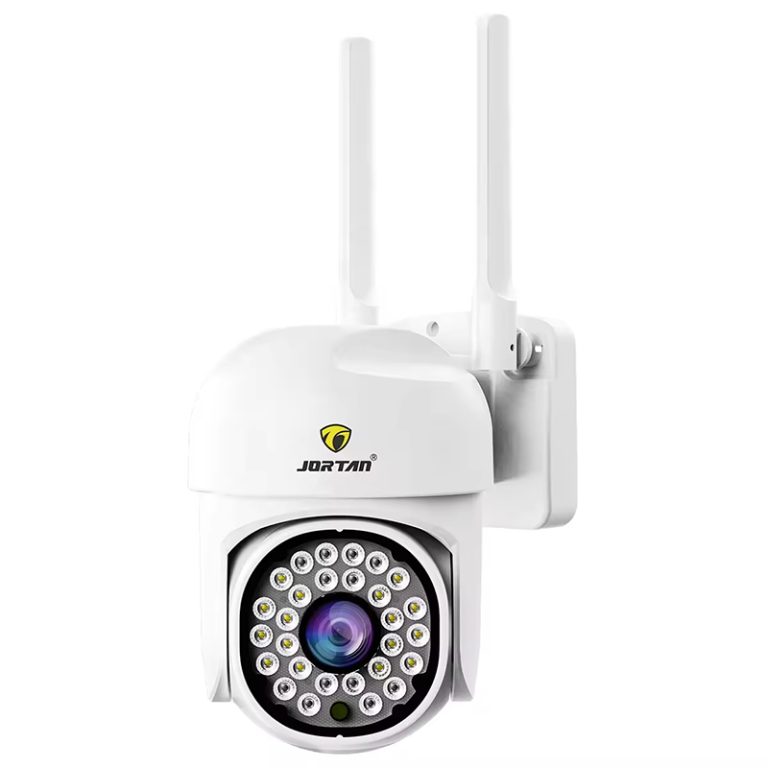
In these settings, a device like the JT-9689UQJ WiFi PTZ IP camera is commonly positioned to provide panoramic coverage while retaining the ability to zoom in for identification when motion is detected.
How Do PTZ WiFi Cameras Improve Event Verification and Evidence Quality?
Why optical zoom, tracking, and repositioning enhance post-event review
Recording an incident is only useful if the footage clearly shows what happened and who was involved. PTZ WiFi cameras strengthen evidence quality in the following ways:
- Zoom captures facial features, license plates, or object details
- Tracking follows movement rather than losing subjects at frame edges
- Repositioning adapts to changing lighting or angles
- Full-color night vision modes improve clarity after dark
The result is footage that supports an accurate review instead of speculation.
What Should You Consider When Evaluating PTZ Rotation and Tracking Performance?
How rotation range, tracking logic, and control responsiveness affect real monitoring outcomes
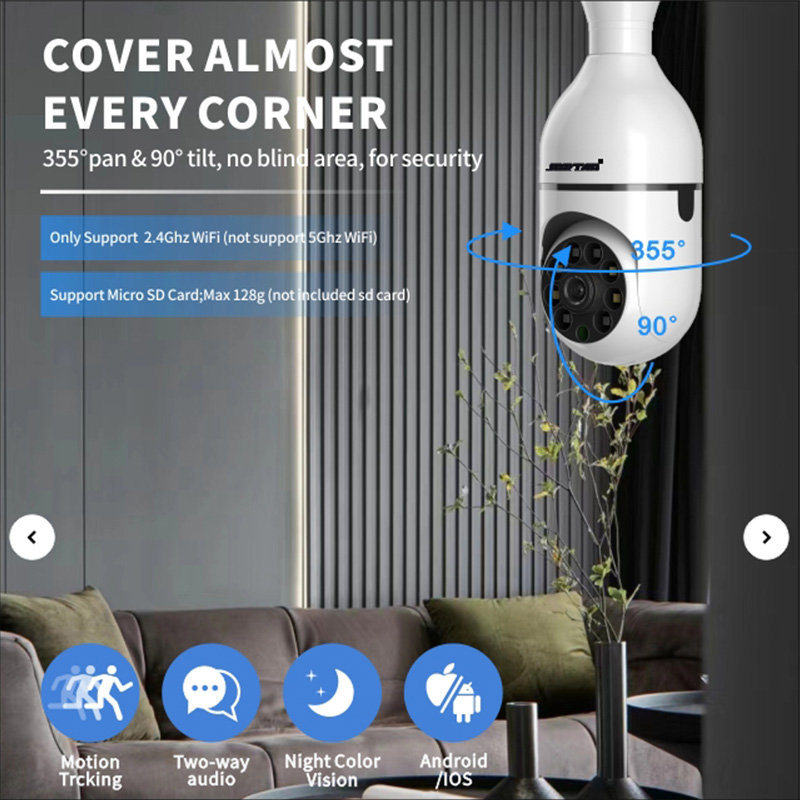
Not all PTZ mechanisms deliver the same results. When evaluating performance, focus on operational behavior rather than simple specification. Critical factors, including horizontal and vertical rotation range, smoothness and accuracy of movement, stability during Zoom transitions, and tracking logic that avoids erratic motion, should be paid great attention to.
In compact environments where rapid direction changes matter, solutions like the JT-8177 WiFi PTZ IP camera are typically selected for their responsive control and stable PTZ behavior.
How Do PTZ WiFi Cameras Fit Into a Broader Security System?
Why PTZ WiFi cameras work best as adaptive nodes within layered monitoring setups
PTZ WiFi cameras are not meant to replace every fixed device. Instead, they act as adaptive focal points within a broader system. The common integration strategies of PTZ WiFi cameras include:
- Fixed cameras handle constant coverage
- PTZ cameras respond to alerts or patrol critical zones
- Storage and bandwidth are optimized by reducing redundancy
- Operators focus attention where it matters most
Such a layered approach balances efficiency and reliability.
Where Does Jortan Fit in the Development of Practical PTZ WiFi Camera Solutions?
How Jortan aligns PTZ mechanics, wireless stability, and user-side control with real monitoring needs
Jortan’s PTZ WiFi cameras are developed with a clear focus on deployment practicality. Rather than adding features for marketing appeal, our product emphasizes stable rotation mechanisms, reliable wireless connectivity, and intuitive control logic. The result is hardware that supports both continuous unattended monitoring and active user intervention when situations demand closer inspection. This design philosophy reflects real-world installation feedback and long-term monitoring behavior.
Besides, we also provide a one-stop full customization service, including LOGO customization, packaging box design and customization, product appearance customization, mold opening, and APP customization, enabling them to solve all problems at once.
Conclusion
Choosing a PTZ WiFi camera is not about upgrading specifications. It is about eliminating blind spots, reducing camera redundancy, and improving response speed in environments where activity does not follow a fixed path. When flexibility, coverage efficiency, and actionable footage matter, PTZ WiFi cameras offer a clear operational advantage.
FAQs
Q: Can a PTZ WiFi camera replace multiple fixed cameras?
A: In many wide or dynamic environments, one PTZ WiFi camera can effectively replace several fixed units by covering multiple viewpoints on demand.
Q: Are PTZ WiFi cameras suitable for continuous unattended operation?
A: Yes. With preset patrol routes and intelligent tracking, PTZ WiFi cameras can monitor autonomously while remaining ready for manual control.
Q: Does WiFi connectivity reduce reliability compared to wired systems?
A: With proper placement and stable network conditions, WiFi connectivity supports reliable PTZ operation and simplifies long-term system adjustments.