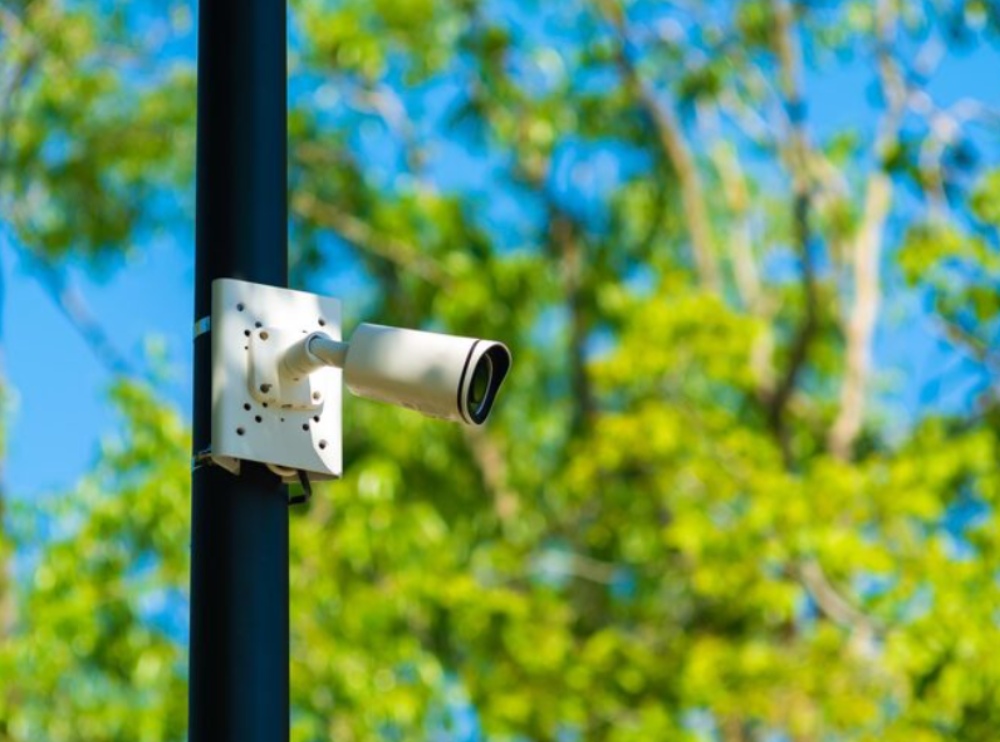
Residential security systems have evolved from basic recording devices into a multi-level danger-control structure. However, many security plans still have a weakness at a simple stage—indoor and outdoor cameras are selected separately without a clear division of responsibility. When it happens, coverage overlaps where it adds little value, while real exposure points remain poorly protected.
This article stresses how indoor and outdoor security cameras should be chosen as complementary parts of one residential system, rather than competing products. The goal is to assign the right task to the proper camera types based on environments, danger levels, and long-term reliability instead of shallow specifications.
What Security Functions Should Indoor and Outdoor Cameras Serve in a Residential System?
Before comparing kinds of cameras, the elaboration of expected roles for each camera within a residential security structure is necessary.
Indoor and outdoor cameras do not serve the same purposes. Considering them as replaceable tools often causes wrong alerts, overlooked events, or privacy issues.
How indoor and outdoor cameras play fundamentally different roles in deterrence, verification, and post-event analysis
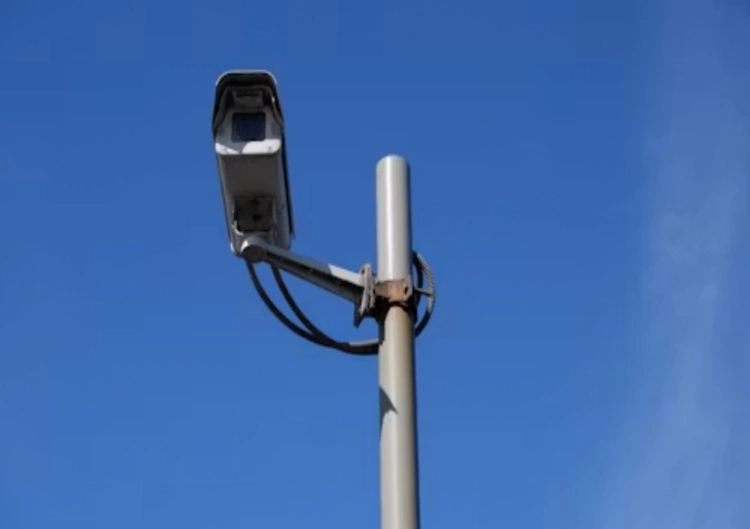
Outdoor cameras work at the pre-entry phase, whose value lies in early detection, visible deterrence, and tracking approach behavior before the home is crossed. In contrast, indoor cameras work at the post-entry stage, where confirmation, activity verification, and continuity matter most.
When these roles are clearly distinguished, outdoor cameras reduce incident probability, while indoor cameras lower uncertainty after an event starts. If their roles are mixed, indoor devices have to carry the perimeter tasks that are not designed for, and outdoor cameras are expected to provide indoor details that they cannot consistently provide.
Which Environmental Factors Force You to Treat Indoor and Outdoor Cameras Differently?
Once functional roles are defined, environmental reality takes over. Indoor and outdoor cameras operate under fundamentally different physical constraints.
Why lighting variability, weather exposure, and mounting conditions reshape camera requirements
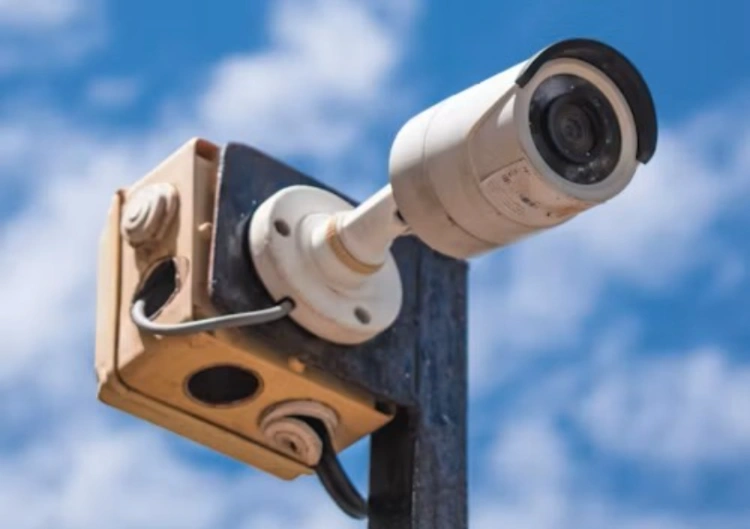
Indoor environments provide steady lighting, predictable distances, and controlled temperature, while outdoor environments bring sunlight, rain, dust, insects, and seasonal light changes. These factors directly influence lens selection, enclosure design, night-vision strategy, and power steadiness.
A camera that works well indoors may quickly weaken its performance outdoors if it is short of weather sealing or changing illumination control. By contrast, outdoor cameras placed indoors introduce unnecessary complexity without better performance.
How Should You Decide Coverage Priorities for Indoor Areas?
Indoor surveillance succeeds when it is selective rather than comprehensive, which means that more cameras do not automatically produce better security.
How room function, movement frequency, and privacy boundaries affect indoor camera placement
Priority should be taken to the transitional indoor zones: entrances, hallways, staircases, and places between floors, which capture movement patterns without intruding on private living areas.
Indoor cameras work best when they support verification, confirming who moved where and when, rather than constant observation. Over-monitoring low-traffic rooms increases data volume and privacy exposure without strengthening security.
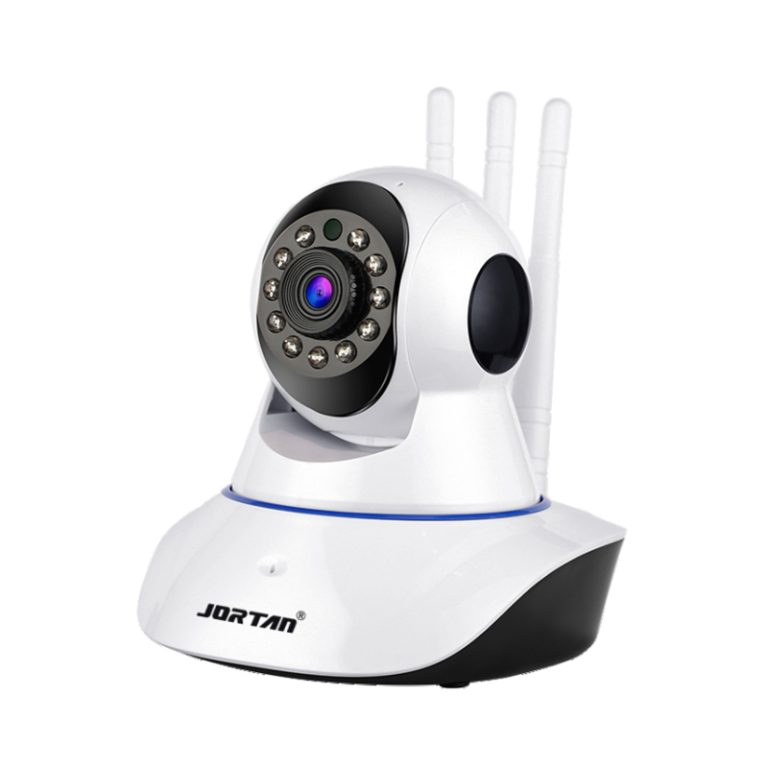
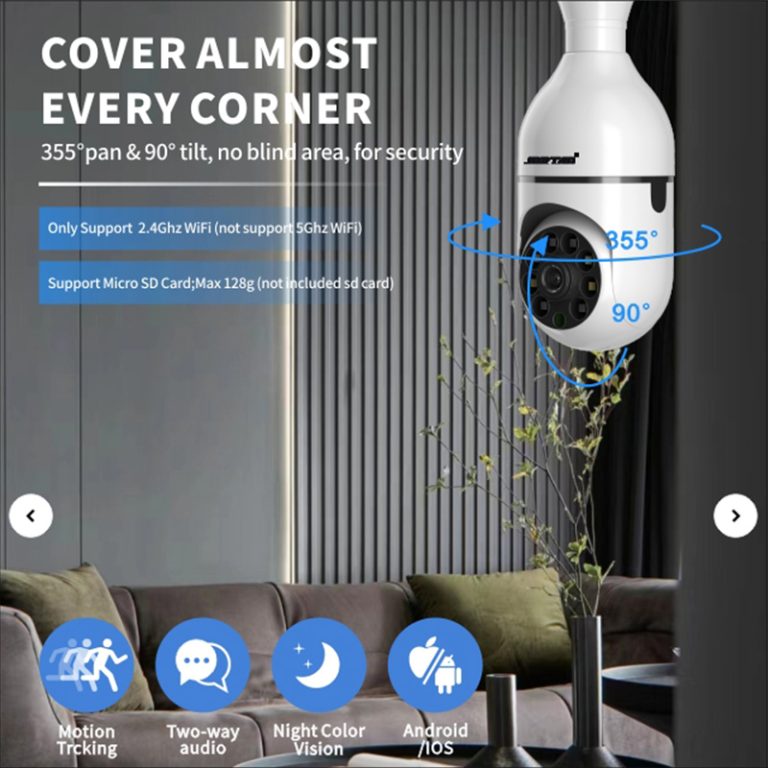
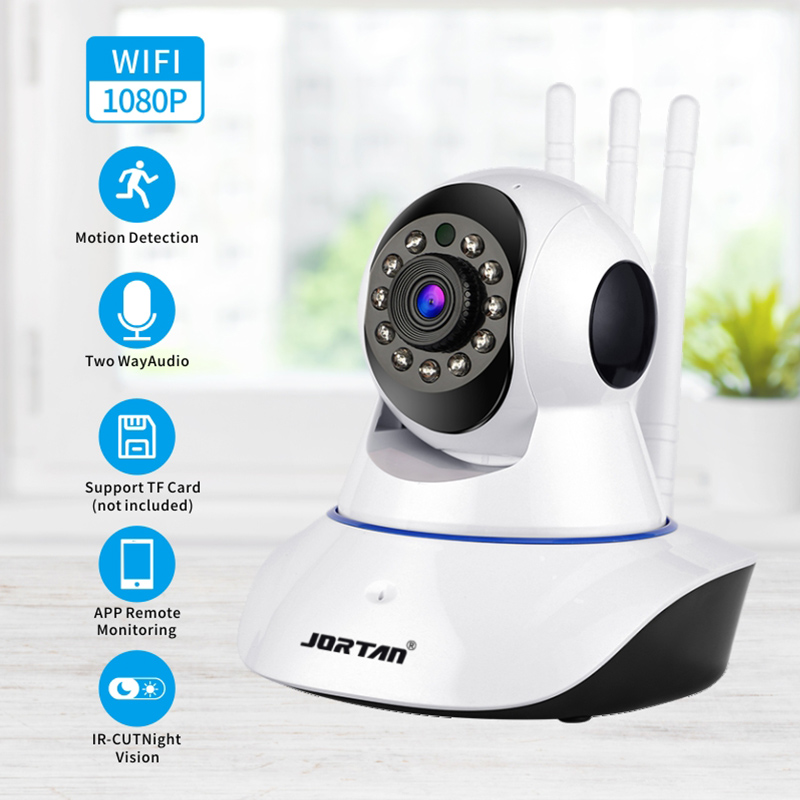
In these scenarios, compact indoor devices such as the JTZ-160B indoor home security camera are typically deployed to maintain visual continuity and activity awareness without drawing attention or requiring complex installation.
Which Risks Make Outdoor Cameras Non-Optional in Residential Security?
Most residential incidents start outside the building, rather than inside it. Ignoring this fact will weaken the whole security system.
Why perimeter awareness, approach tracking, and night monitoring define outdoor camera value
Outdoor cameras monitor intent, not just presence. They capture loitering, repeated approach behavior, and movement toward entry points, allowing the owner to respond before gaining physical access.
Night performance becomes critical outdoors, where incidents are more likely to occur under low-light conditions. Outdoor cameras must handle a wide light range, reflective surfaces, and long detection distances while maintaining useful image sharpness.
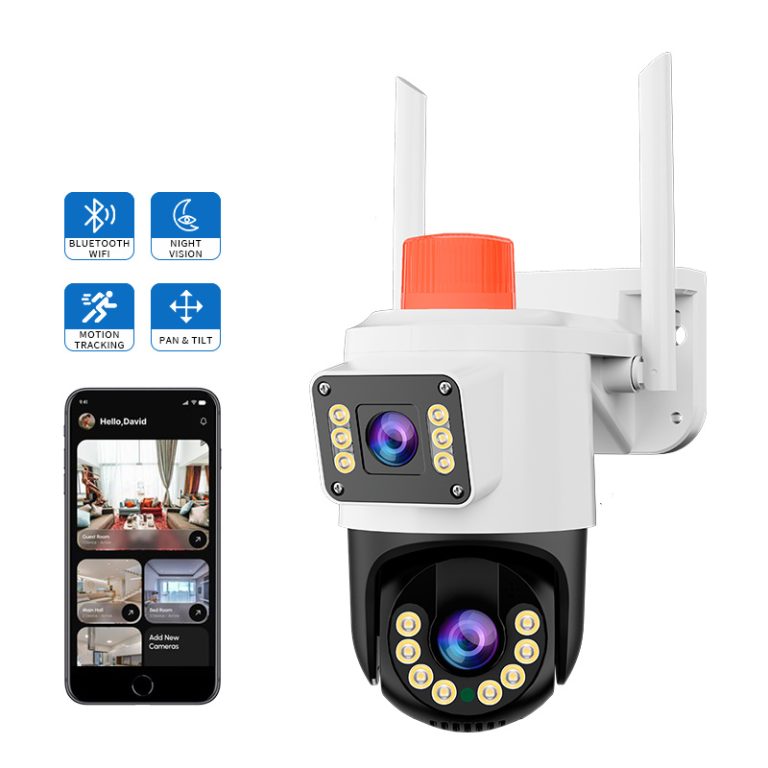
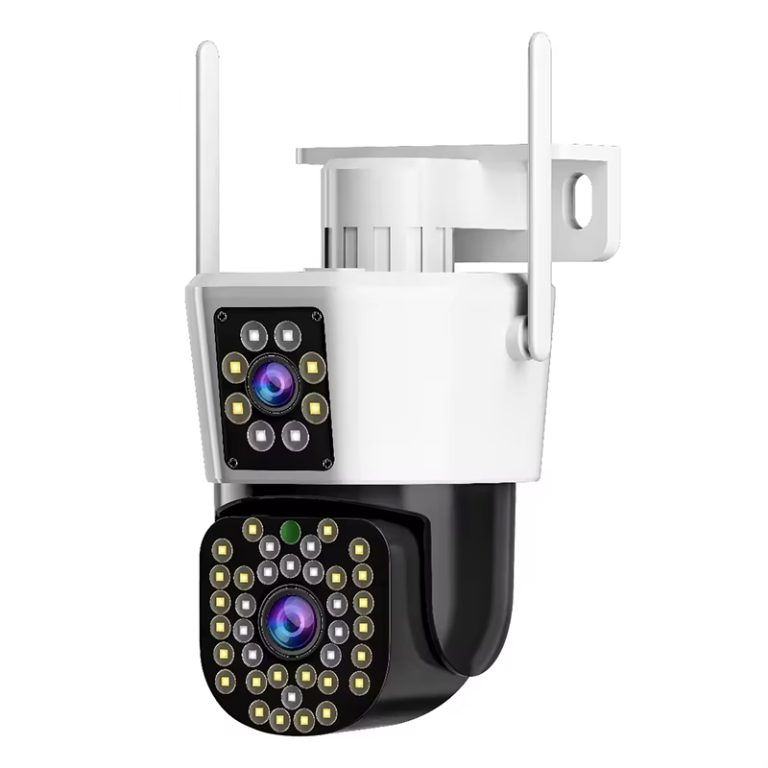
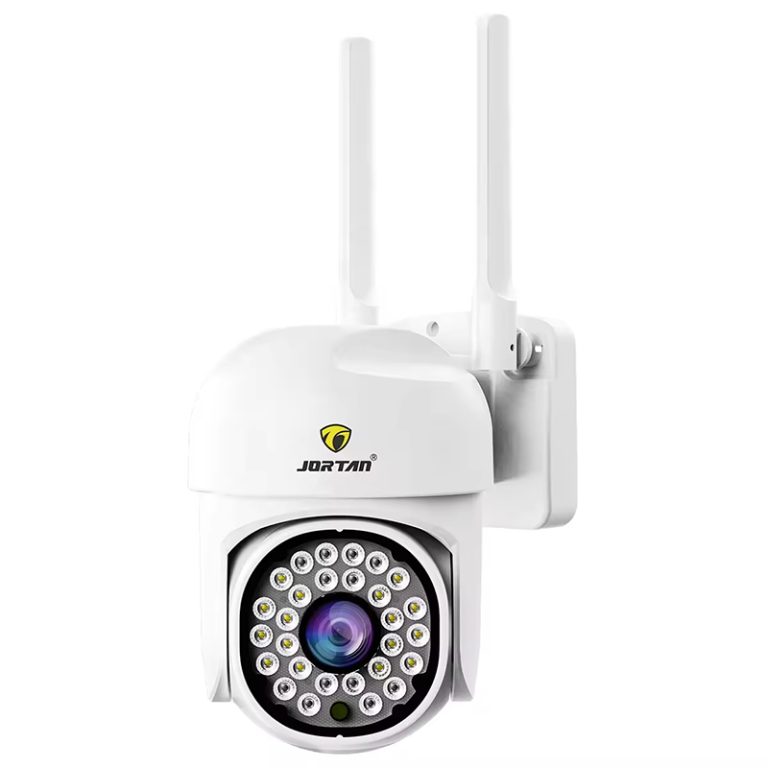
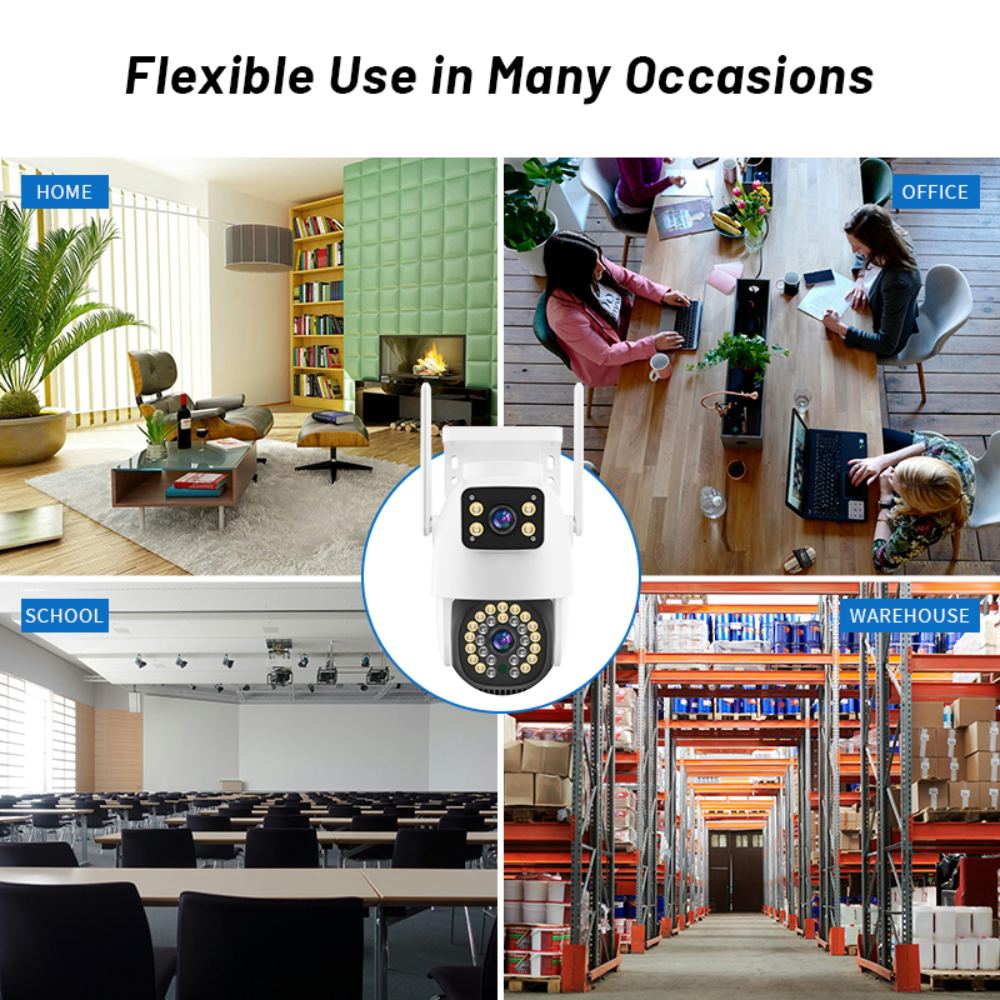
For these roles, devices such as the JTZ-9690 Pro outdoor WIFI cameras are commonly set to combine weather resistance, night visibility, and wide-area monitoring into a single perimeter layer.
How Do Detection and Alert Strategies Differ Between Indoor and Outdoor Cameras?
Detection logic should reflect environmental behavior, instead of just sensor capability.
Why motion sensitivity, human detection, and alert thresholds must be tuned differently indoors and outdoors
Indoors, precision matters more than range. Detection algorithms should ignore pets, appliances, and minor background movement while maintaining sensitivity to human activity.
Outdoors, filtering becomes critical. Wind, rain, insects, and passing light sources can overwhelm basic motion detection. Effective outdoor systems rely on human-focused detection logic and controlled sensitivity zones to preserve alert relevance.
When alert plans are not separated, indoor cameras generate unnecessary notifications, and outdoor cameras ignore important events amid environmental noise.
What Role Does Night Monitoring Play Indoors Versus Outdoors?
Low-light conditions enhance the difference between indoor and outdoor camera roles.
How night vision expectations change depending on distance, illumination, and context
Indoor night monitoring supports situational awareness rather than identification. Short distances and controlled lighting mean extreme night range adds little value. However, outdoor night monitoring, by contrast, supports recognition and deterrence. Cameras must maintain subject clarity across larger areas and adapt to varying ambient light. Infrared, white-light, and adaptive night modes must balance visibility, discretion, and power consumption.
Designing a night strategy without separating these contexts often leads to wasted capability indoors and insufficient clarity outdoors.
How Should Storage and Playback Be Planned for Mixed Indoor and Outdoor Use?
Because recording behavior differs significantly between indoor and outdoor environments, storage planning should reflect that.
Why retention strategy, playback clarity, and event retrieval should guide storage decisions
Indoor footage emphasizes continuity, which indicates short clips tied to movement sequences, and outdoor footage emphasizes evidence quality, especially the clear frames during critical moments.
Outdoor recordings typically generate higher data volume due to environmental motion and night noise. Efficient encoding and intelligent recording triggers reduce storage load without sacrificing review capability.
Playback usability matters as much as storage size. If footage cannot be reviewed clearly during an incident, recording capacity becomes irrelevant.
Where Does Jortan Fit in a Balanced Indoor–Outdoor Residential Camera Strategy?
After defining roles, environments, and operational logic, system balance becomes the deciding factor.
How Jortan aligns indoor and outdoor camera design with real residential deployment logic
Jortan approaches residential security cameras as case-driven products rather than isolated tools. Indoor models stress sharpness, compact design, and controlled monitoring, while outdoor models take priority to durability, adaptive night performance, and early detection.
This distinction allows indoor and outdoor cameras to work together as layers of one system, reducing redundancy while improving response accuracy. The result is a residential setup where each device contributes directly to risk reduction rather than merely adding coverage.
Conclusion
Selecting between indoor and outdoor security cameras is not a simple either-or choice. Effective residential protection rests on assigning distinct duties to each camera kind and integrating them into a unified framework.
When indoor cameras focus on verification and continuity, and outdoor cameras focus on deterrence and early detection, residential security becomes proactive rather than reactive.
FAQs
Q: Can indoor cameras replace outdoor cameras for residential security?
A: No. Indoor cameras work after entry, while outdoor cameras reduce risk by detecting activity before entry occurs. Both are required for balanced protection.
Q: Should indoor and outdoor cameras use the same detection sensitivity?
A: They should not. Indoor environments favor precision, while outdoor environments require stronger filtering to maintain alert relevance.
Q: Is it more effective to invest in outdoor cameras than indoor cameras?
A: Outdoor cameras usually deliver higher preventive value, while indoor cameras support confirmation and evidence continuity. The right balance depends on property layout and risk profile.