
Why Indoor Security Cameras Are No Longer Simple Recording Devices
Indoor home security cameras have moved far beyond the role of passive video recorders. In a modern residential environment, you are no longer dealing with a closed circuit that simply captures footage for later review. Instead, an indoor camera now operates as an always-on system node that interacts with your network, your storage logic, and your daily routines.
Unlike outdoor surveillance, indoor monitoring faces unique constraints—shorter viewing distances, frequent lighting changes, constant human activity, and stricter privacy expectations. These factors mean that camera selection is not about chasing the highest resolution or the longest feature list. It is about how well the device integrates into your indoor environment without creating noise, false alerts, or operational friction.
This guide focuses on how indoor home security cameras work at a system level, what problems they are meant to solve, and how you should evaluate their real value when deployed inside living spaces.
Who Is Jortan and Why Does Its Product Logic Matter for Indoor Surveillance?
Jortan approaches indoor surveillance from a practical engineering perspective rather than a marketing-driven one. Our product logic is centered on how cameras are actually used inside homes—stable WiFi connections instead of enterprise networks, mixed lighting instead of controlled illumination, and continuous daily operation rather than occasional monitoring.
Instead of designing indoor cameras as simplified versions of outdoor devices, Jortan treats indoor deployment as its own category. That means attention is paid to factors such as compact form, controlled rotation behavior, predictable alert logic, and efficient video encoding to reduce network load. For you, this translates into systems that remain usable over time rather than devices that look impressive only during initial setup.
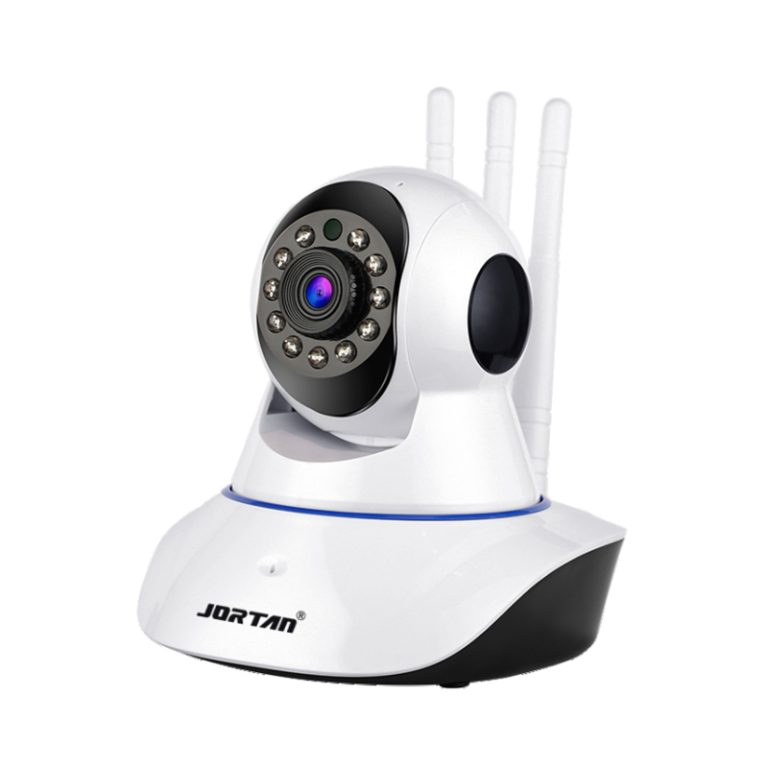
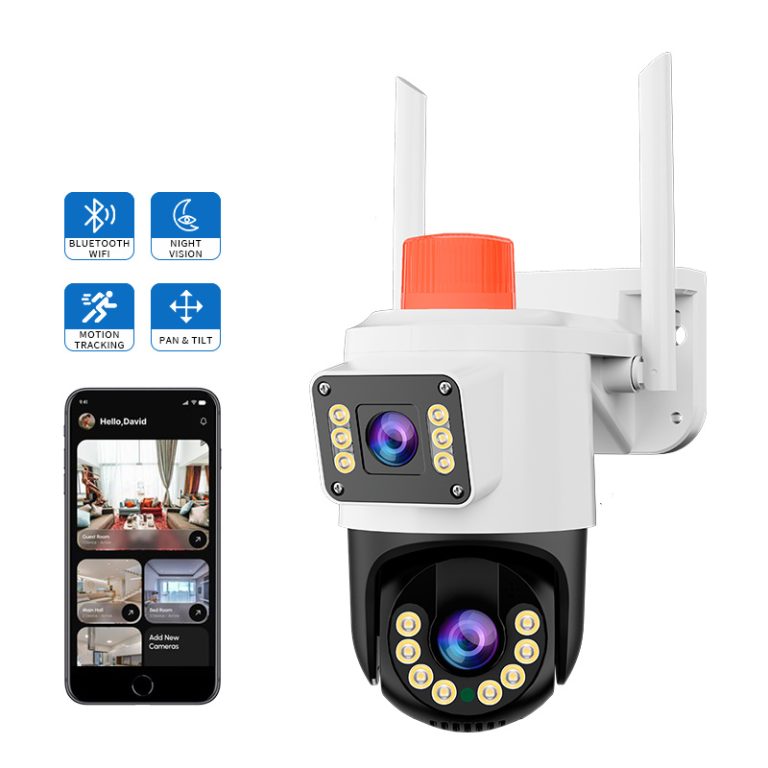
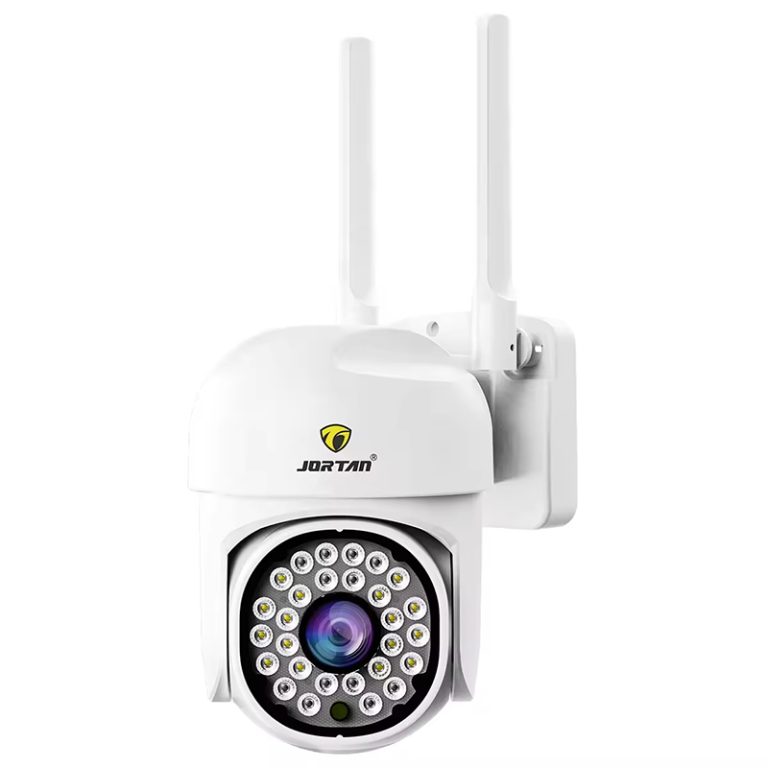
A clear example of this philosophy can be seen in the JTZ-160B indoor home security camera, which focuses on balanced imaging, stable wireless operation, and straightforward storage behavior rather than excessive configuration layers.

What Core Functional Problems Should an Indoor Home Security Camera Solve?
Before comparing specifications, you should first identify the problems an indoor camera is expected to address. Most dissatisfaction comes from cameras that technically function but fail to align with indoor realities.
How does spatial coverage differ between indoor and outdoor monitoring?
Indoor spaces are confined, segmented, and often obstructed by furniture, walls, and doors. Unlike outdoor areas, you rarely need extreme zoom or long-range visibility. What you need instead is consistent coverage without blind spots at close range. Ceiling height, mounting angle, and rotation limits matter more than raw field-of-view numbers.
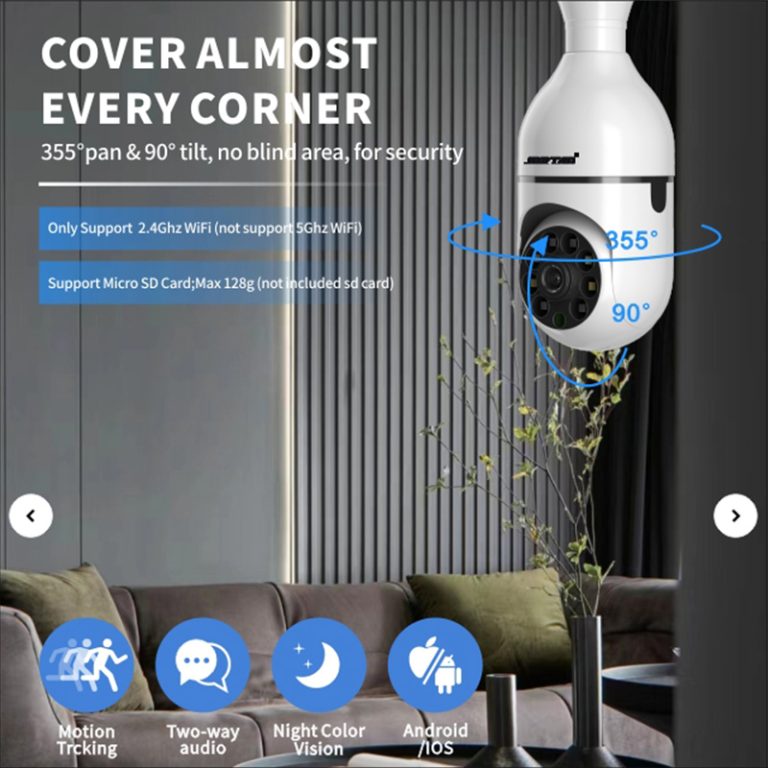
An indoor camera should provide controlled panning and tilting that match the room dimensions. Excessive rotation may sound useful, but it often introduces unnecessary motion, delayed tracking, and user fatigue during live viewing.
Why does indoor lighting variability challenge image consistency?
Indoor lighting changes constantly. Daylight, artificial lamps, screens, and shadows coexist in the same scene. This makes aggressive exposure tuning or extreme resolution counterproductive. A camera must manage dynamic range smoothly to avoid blown highlights or crushed shadows. Stable color reproduction and noise control matter more than pixel count in daily indoor use.
How Does an Indoor Home Security Camera Actually Work as a System?
An indoor camera should be evaluated as a coordinated system rather than a collection of parts. Image capture, processing, transmission, and storage are interdependent.
How do image sensors, lenses, and encoding cooperate indoors?
Inside a home, sensors must prioritize low-noise performance over long-distance clarity. Lenses are tuned for short focal ranges, while encoding algorithms compress data efficiently to avoid saturating household networks. Modern indoor cameras rely on advanced compression standards to maintain image clarity while keeping bandwidth usage predictable.
How does WiFi transmission shape real-time indoor monitoring quality?
Most indoor cameras depend entirely on WiFi. Packet loss, router congestion, and signal interference are common realities. A well-designed indoor camera handles reconnection gracefully, adapts bitrate dynamically, and avoids constant stream drops. Smooth, continuous monitoring is more valuable than peak image quality that fails under real network conditions.
What Role Does Intelligent Detection Play Inside the Home?
Intelligent detection inside a home is not about surveillance intensity but relevance. Without filtering, alerts become background noise.
Why is human-shape detection more valuable than generic motion alerts indoors?
Indoor environments are full of motion, which is demonstrated by the fact that curtains move, pets walk by, and lighting changes trigger sensor responses. Human-shape detection reduces false alerts by focusing on meaningful activity. This allows you to trust notifications rather than ignore them.
How does two-way audio change indoor cameras value beyond security?
Two-way audio turns an indoor camera into an interactive device. It supports real-time communication, presence simulation, and immediate response. Whether you are addressing unexpected movement or checking in remotely, audio interaction adds functional value beyond passive observation.
How Should Storage and Data Flow Be Evaluated for Indoor Use?
Indoor cameras generate frequent, short recordings rather than long continuous streams. Storage design should reflect this pattern.
When does local storage outperform cloud storage indoors?
Local storage provides faster access, predictable retention, and greater control. For many indoor scenarios, it reduces latency and avoids dependence on external services. Cloud storage, when used selectively, serves as a backup rather than the primary repository.
How does loop recording support long-term indoor reliability?
Automatic overwrite ensures that storage remains manageable without manual intervention. This approach aligns well with indoor monitoring, where historical footage is useful for recent review rather than long-term archiving.
Why Do Privacy Controls Matter More Indoors Than Outdoors?
Indoor cameras operate in personal spaces. Trust is built through control rather than restriction.
How do access permissions reduce internal misuse risk?
Clear administrator roles and controlled sharing prevent unauthorized viewing. A system that limits access by design reduces the risk of misuse without requiring constant oversight.
Why physical placement strategy affects perceived privacy?
Where and how a camera is mounted often matters more than software masking. Thoughtful placement avoids unnecessary coverage of private zones while maintaining functional visibility.
Which Indoor Camera Configuration Fits a Multi-Room Home Setup?
As homes grow more connected, single-camera thinking becomes insufficient.
How do fixed-angle and PTZ indoor cameras serve different rooms?
Hallways and entrances benefit from fixed-angle stability, while living areas may require flexible tracking. Matching camera type to room function improves overall system coherence.
Why does device pairing consistency matter in daily use?
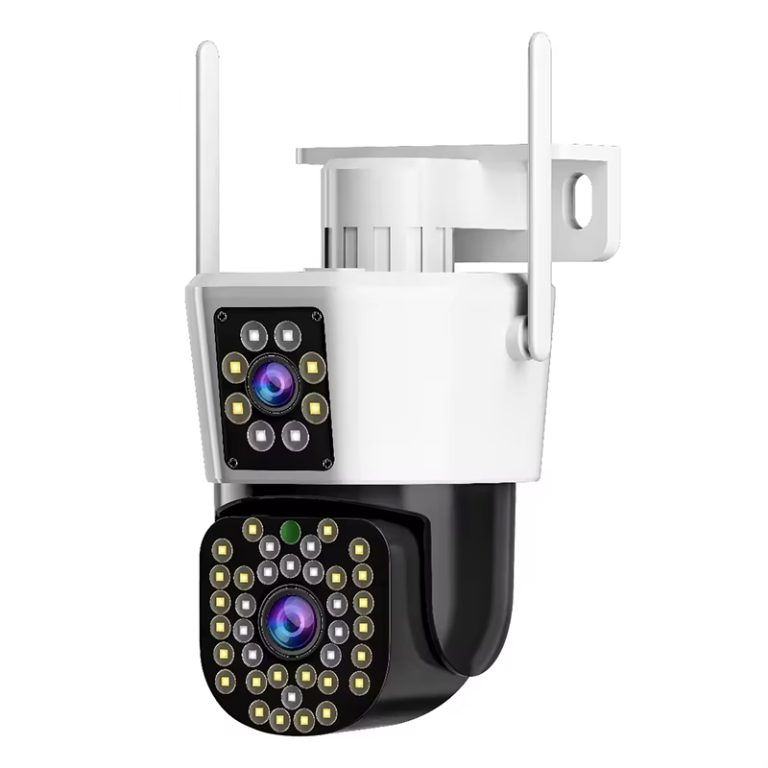
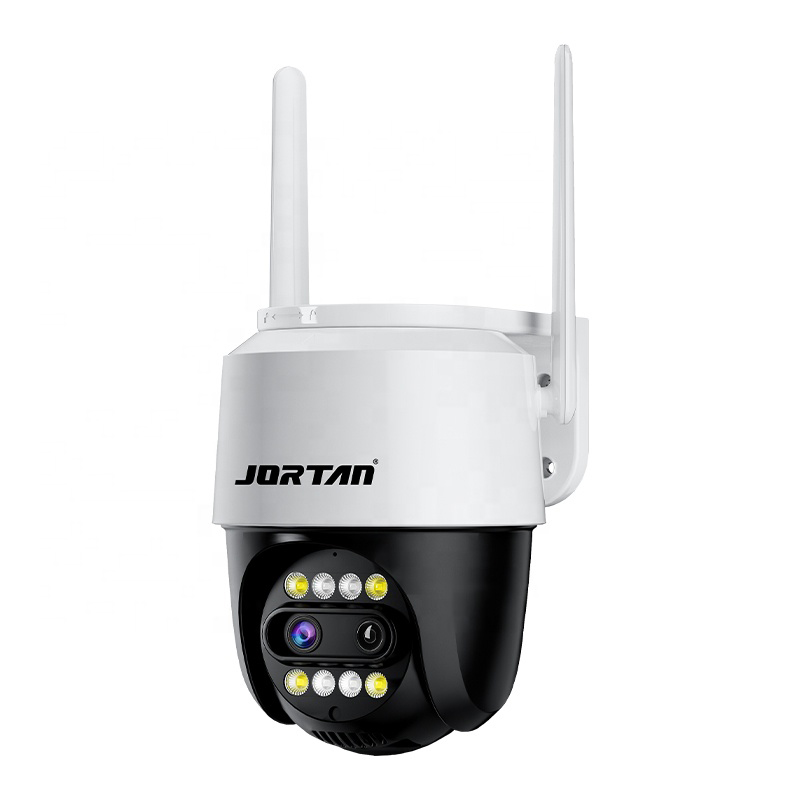
Using cameras with similar control logic and performance profiles reduces learning curves and operational errors. Devices like the Jortan3 indoor home security camera are designed to integrate smoothly into multi-room setups without introducing complexity.
What Long-Term Benefits Do Well-Chosen Indoor Cameras Deliver?
How does system stability reduce cognitive load over time?
Reliable cameras fade into the background. Fewer false alerts, consistent performance, and predictable behavior reduce the mental effort required to manage the system.
Why does design clarity matter more than feature volume?
A clear design philosophy ensures that each function serves a purpose. Over time, this leads to higher retention, better trust, and real security value rather than unused capabilities.
FAQs
Q1: Can an indoor home security camera remain reliable on unstable WiFi networks?
A: Yes. Cameras designed with adaptive bitrate control and stable reconnection logic can operate smoothly even on typical home networks with variable conditions.
Q2: Is higher resolution always better for indoor monitoring?
A: No. Balanced exposure, noise control, and efficient encoding deliver more usable footage than extreme resolution in confined indoor spaces.
Q3: How can you reduce privacy concerns while using indoor cameras daily?
A: Combine thoughtful physical placement with controlled access permissions and predictable storage behavior to maintain trust without sacrificing coverage.