Why the Wired vs Wireless IP Camera Discussion Is More Than a Connectivity Choice
When an IP camera system is assessed, the choice between wired and wireless is often considered as a matter of convenience. However, it becomes a selection about how the system performs over time. Physical cables, signal transmission, maintenance access, and network reliability all influence camera operation long after installation.
The selection is not just about the way of connection but determines how video information is transmitted, how breakdowns are handled, and how readily the system adjusts when situations change. A wired IP camera and a wireless IP camera respond quite differently to interference, expansion, and long-term use. Viewing them as replaceable tends to cause mismatched expectations.
This article explores how both choices perform in real-world installations. Rather than simply listing features, it stresses how each method aligns with working goals, site limits, and continuing management realities.
How Jortan’s IP Camera Design Reflects Real Deployment Needs?
Jortan approaches IP camera design from a deployment-first perspective. Rather than treating wired and wireless models as separate product categories, the design logic centers on how cameras behave once they are installed, configured, and left to operate for extended periods.
In real environments, you deal with network congestion, physical limitations, and maintenance trade-offs. Jortan’s IP camera portfolio reflects these constraints by balancing transmission stability, installation flexibility, and system scalability.
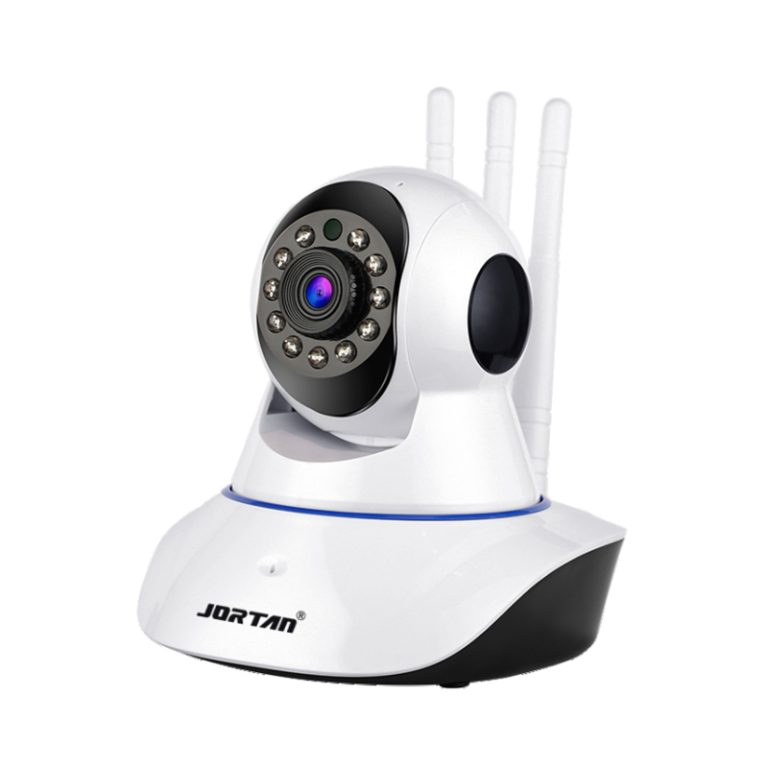
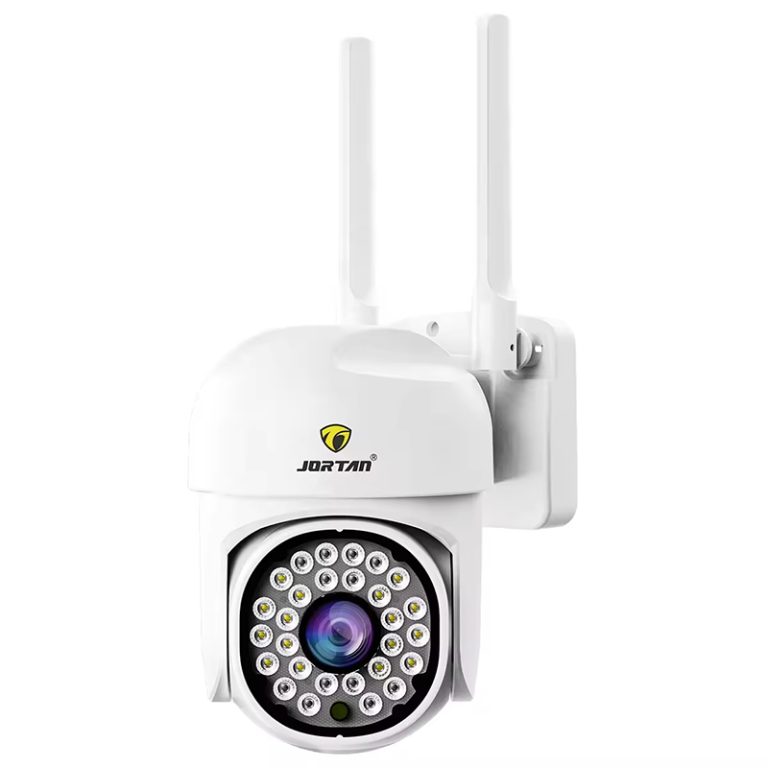
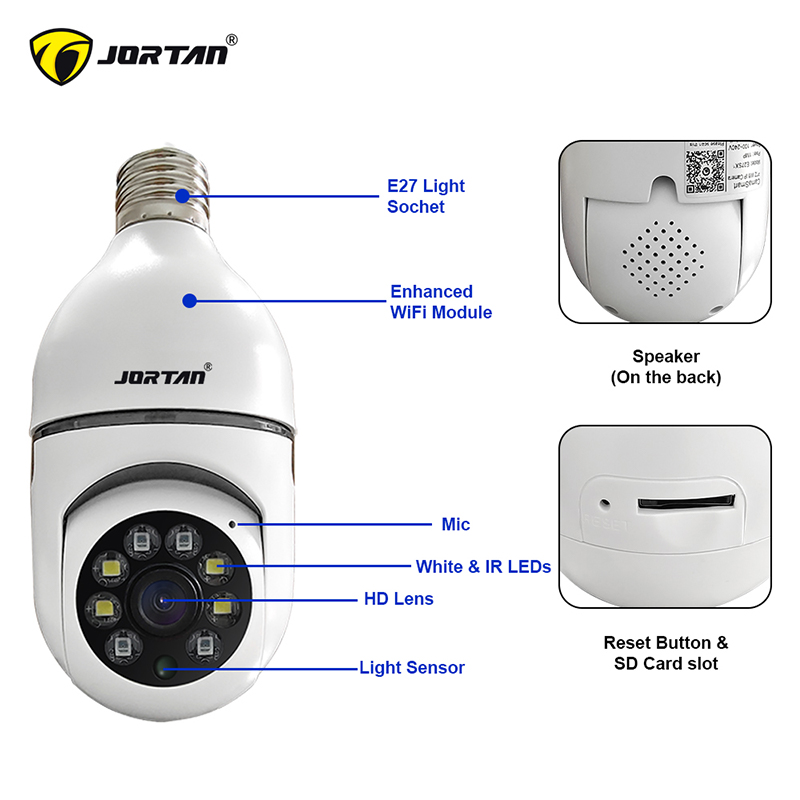
For instance, wireless IP cameras are designed to streamline deployment where cabling is difficult, but these cameras maintain steady image transmission and event handling. A representative model is the JT-8177 wireless IP camera, which emphasizes streamlined installation, adaptive connectivity, and event-based operation suited for environments where structural modification is limited.
Across the designs, Jortan treats connectivity as part of a broader system rather than a standalone feature. This approach helps evaluate cameras based on how well they integrate into your actual site conditions rather than how they appear on paper.
What Does an IP Wired Camera Actually Deliver in Real Installations?
How physical cabling influences stability, latency, and long-term operational predictability
A wired IP camera provides one major benefit—consistency. Physical Ethernet connections through cables offer steady bandwidth, expected latency, and little sensitivity to wireless interference. When the network facility is properly planned, wired cameras supply constant image streams that are not affected by radio congestion or signal obstruction.
In fixed systems like factories, warehouses, or permanent buildings, this stability simplifies system management. Consistent data flow and simpler bandwidth planning become possible, especially with several cameras running at the same time.
However, cabling has its own disadvantages. Installation requires routing cables through walls, ceilings, or conduits, which increases workers’ effort and reduces movement options. Moving a wired camera afterward often needs extra building tasks. Over the years, physical cables have also turned into possible failure spots from use, environmental exposure, or unintended damage.
Selecting wired cameras means placing transmission dependability ahead of adaptability, which is reasonable when arrangements are stable, and infrastructure access is available.
How Does an IP Wireless Camera Change Installation and Expansion Decisions?
How wireless connectivity reshapes deployment speed, flexibility, and coverage planning
Wireless IP cameras shift the balance toward flexibility. Without required Ethernet cabling, cameras can be placed quickly and positioned in places where wiring is impractical or expensive. This is especially helpful in retrofitted buildings, short-term locations, or residential environments.
Wireless connectivity permits simpler repositioning and growth. Expanding coverage often needs a few physical changes, which lowers deployment friction. For evolving monitoring needs, this adaptability can outweigh the disadvantages of wireless transmission.
Meanwhile, wireless systems depend greatly on network states. Signal interference, shared bandwidth, and router performance directly affect video stability. As the number of cameras grows, network arrangement is vital. Cables are no longer needed for handling, but radio environments and traffic ordering do.
Wireless IP cameras provide freedom, but they require careful network management to achieve stable performance.
Which Option Performs Better Under Network Instability and Interference?
How wired and wireless IP cameras behave when bandwidth fluctuates, or signals degrade
When network conditions deteriorate, wired and wireless cameras fail in different ways. Wired cameras usually keep connection integrity as long as the physical connection stays intact. Data loss and latency are easier to identify and isolate in a wired network.
Wireless cameras are confronted with more variable conditions. Interference from nearby devices, signal attenuation through walls, and varying bandwidth can interrupt video streams. To compensate for it, many systems use adaptive bitrates or temporary storage, which may bring delays.
From the perspective of operating, wired systems favor predictability, while wireless systems favor resilience through change. The selection hinges on the preference for managed infrastructure or an adjustable response to environmental shifts.
How Do Maintenance, Troubleshooting, and Long-Term Costs Differ?
How cable management, firmware updates, and physical access affect ongoing operation
Maintenance patterns differ greatly between wired and wireless systems. Wired cameras need physical inspection of cables, connectors, and network ports. Problems often are tangible and localized, but repairs may require access to difficult locations.
Wireless cameras reduce physical needs but increase reliance on network layouts and software stability. Problem-solving often centers on signal quality, router adjustments, and program updates instead of hardware replacement.
Over several years, wired systems may bring higher upfront expenses but less variability. Wireless systems may lower installation costs but require continued network improvement. Assessing long-term expense means considering technical help and site accessibility.
Which Camera Type Fits Different Security Scenarios More Naturally?
How site size, building structure, and monitoring goals determine the better choice
Different environments favor different approaches. Permanent industrial sites with existing infrastructure often benefit from wired cameras. Locations with frequent layout changes or limited wiring options favor wireless deployment.
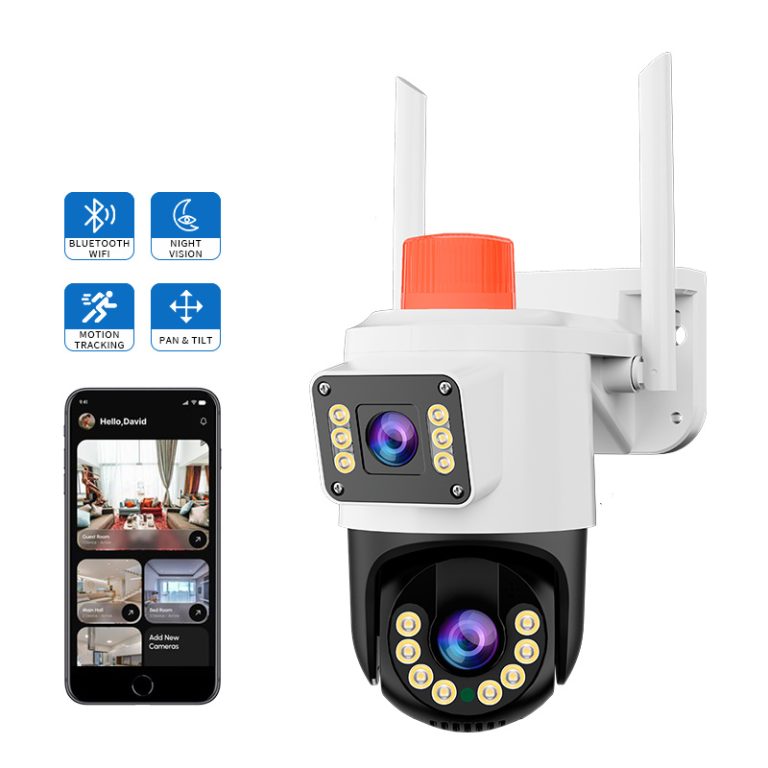
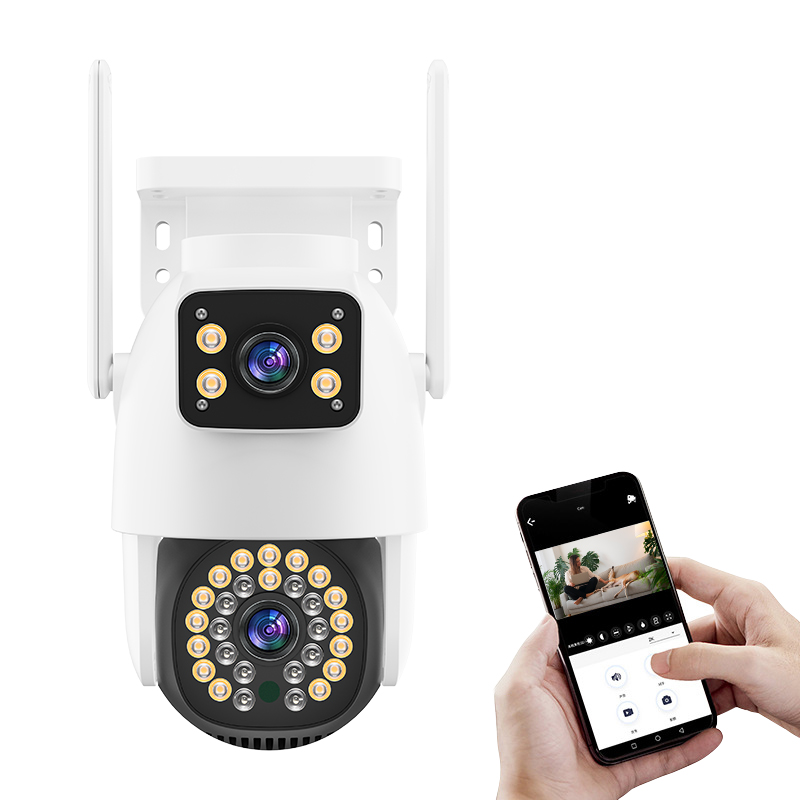
For scenarios requiring quick setup and flexible coverage, wireless solutions are often more practical. The JTZ-9690 Pro wireless IP camera illustrates this balance by combining wireless connectivity with stable imaging and system integration suitable for varied environments. Rather than selecting a category, you should evaluate how the camera aligns with site constraints, expansion plans, and monitoring priorities.
Is One Option More Secure Than the Other in Practical Use?
How physical access, network exposure, and system configuration affect real security risks
Security is not determined solely by connection type. Wired systems reduce exposure to wireless interception but remain vulnerable to physical tampering. Wireless systems introduce radio-based risks but can be secured through encryption and access control.
In practice, configuration discipline matters more than the transmission medium. Proper network segmentation, credential management, and firmware maintenance define security posture. You control risk through system design rather than cable choice.
How You Should Decide Between IP Wired and IP Wireless Cameras
Choosing between wired and wireless IP cameras requires aligning technology with the environment. Wired systems deliver stability where infrastructure is fixed. Wireless systems deliver flexibility where conditions change.
Your decision should account for installation constraints, network reliability, maintenance resources, and future expansion. There is no universal answer—only a better match between system behavior and operational needs.
FAQs
Q1: Is an IP wired camera always more reliable than a wireless one?
A: Wired cameras provide consistent transmission, but reliability ultimately depends on infrastructure quality and maintenance practices.
Q2: Can wireless IP cameras support demanding surveillance scenarios?
A: Yes, when network conditions are controlled, and the system is designed for event-based operation rather than continuous streaming.
Q3: Is it practical to mix wired and wireless IP cameras in one system?
A: A hybrid approach often provides the best balance, combining stable core coverage with flexible peripheral deployment.