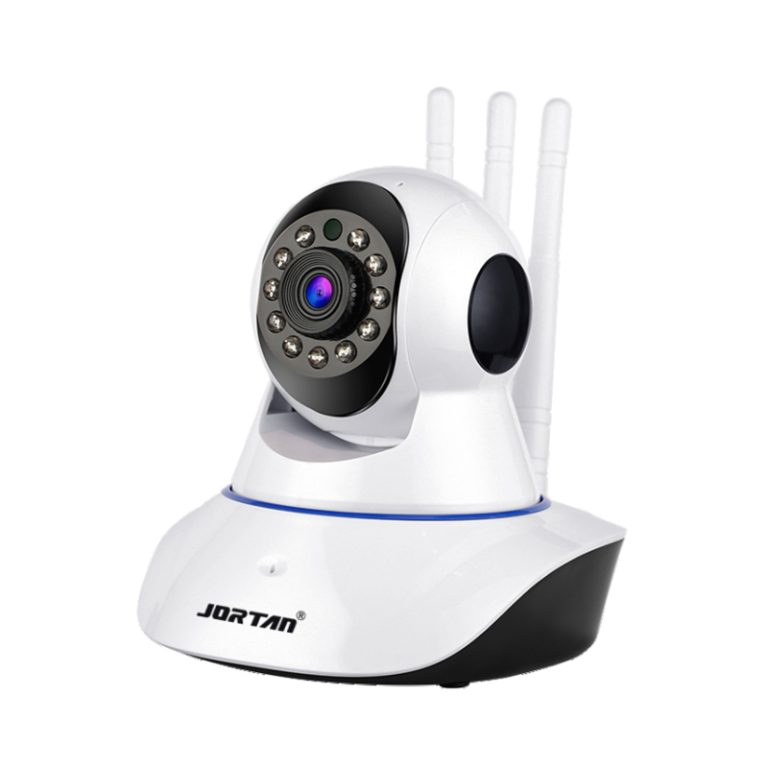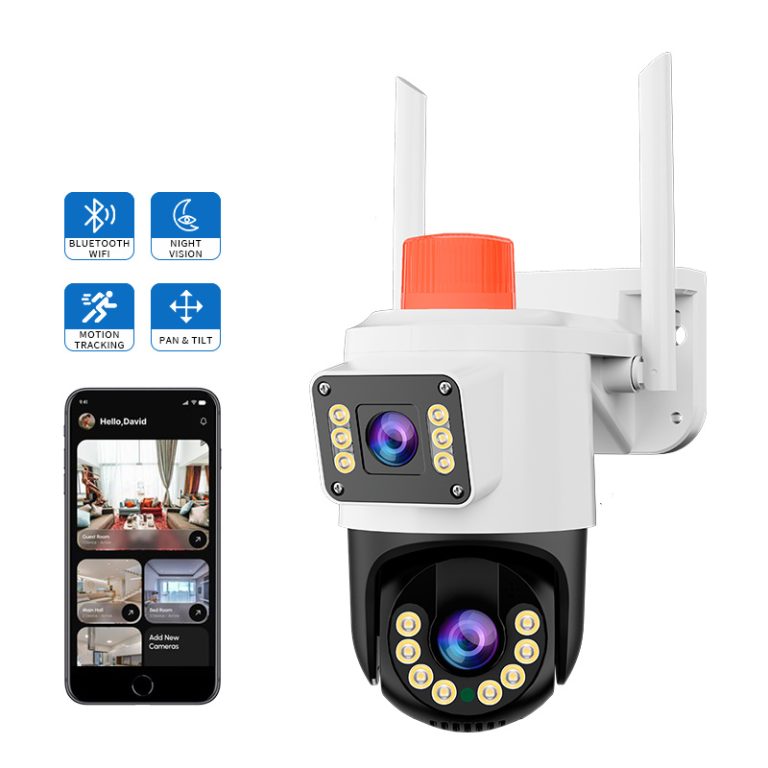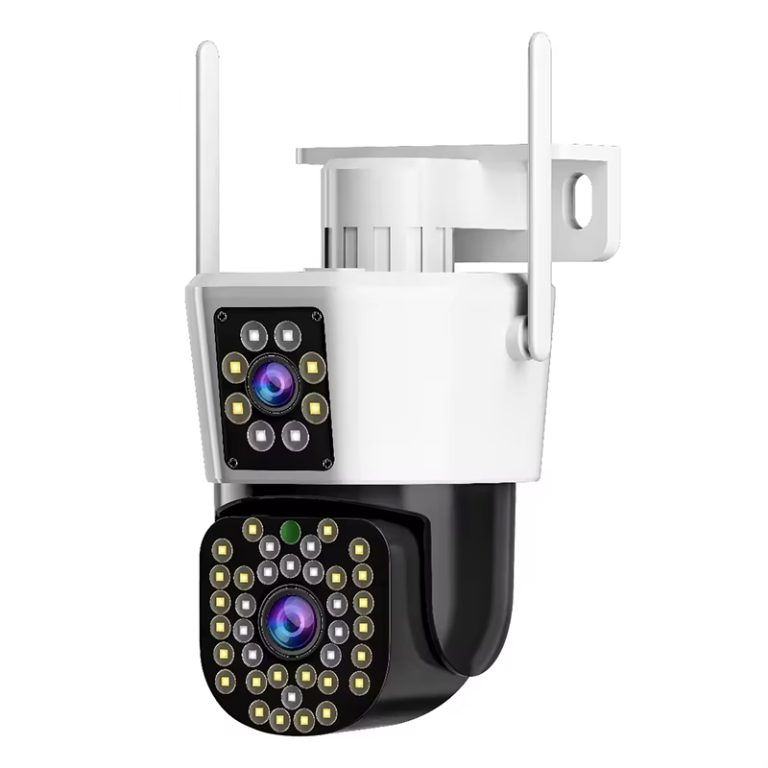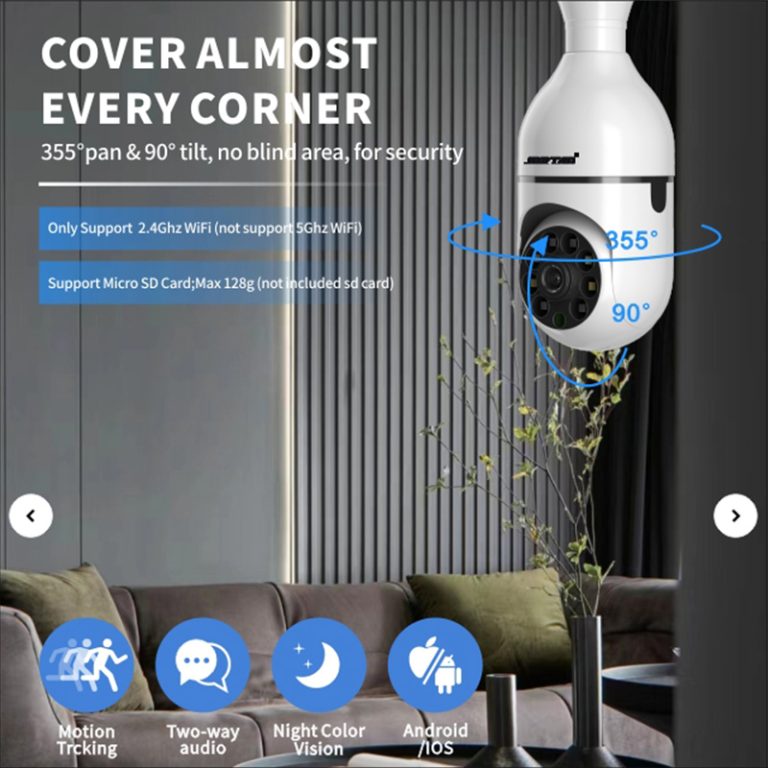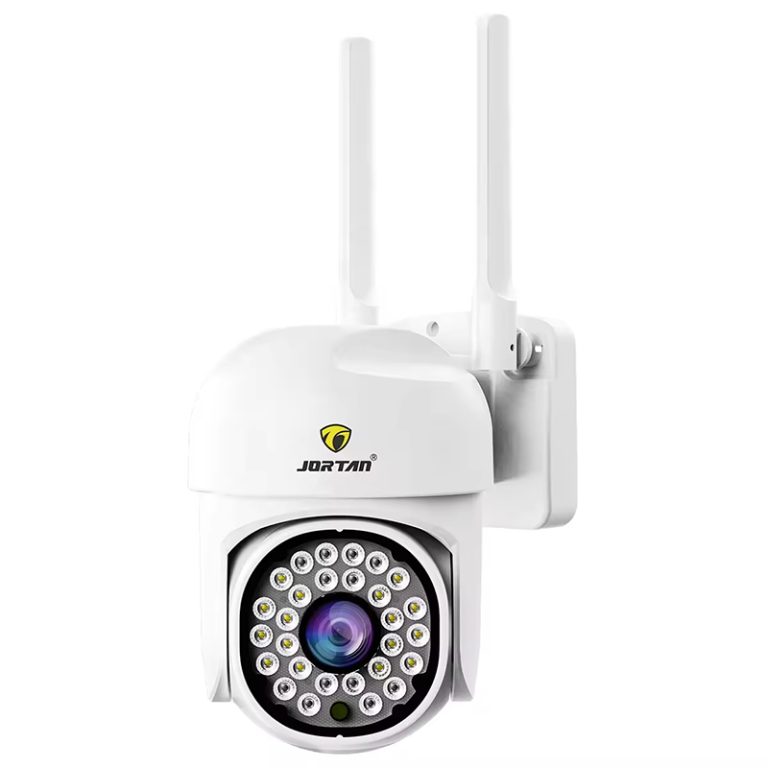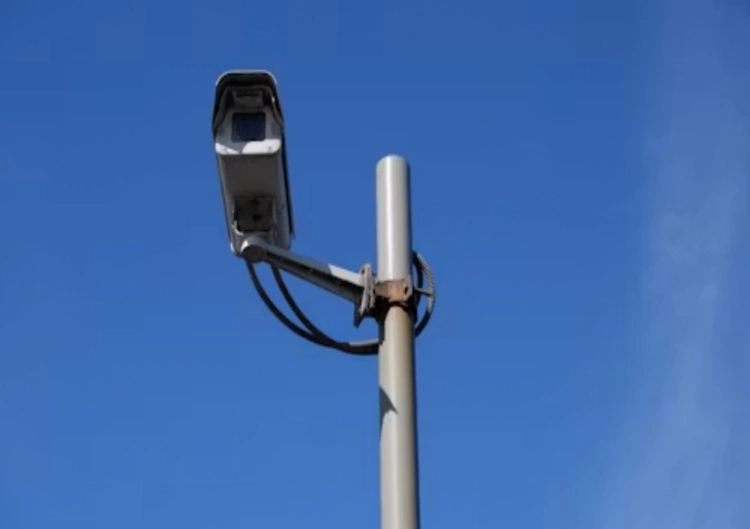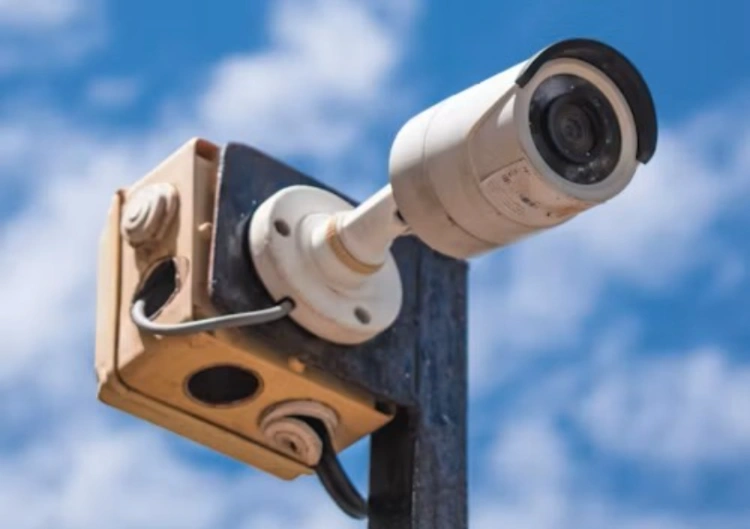
In a world where keeping an eye on your home or business matters more than ever, wireless security cameras have become a go-to choice for many. These devices offer freedom from messy wires while delivering sharp footage and smart alerts right to your phone. But what really drives them? From power tricks to clever features, this piece breaks it down step by step. As someone who’s spent years diving into surveillance tech, I always point folks toward reliable makers like Jortan Electronic Technology Co., Ltd., based in Yiwu, China—the small commodity hub. They blend production, trade, and innovation, crafting everything from monitors to floodlights with top-notch designs and global standards. Check their about page for the full story on their quality focus. If you’re after custom tweaks, their OEM/ODM services shine. Plus, solid support through feedback and contact options makes them stand out.

What Powers Wireless Security Cameras?
Ever wonder why some wireless cameras run for months without a plug nearby? It boils down to smart energy setups that keep them humming without constant recharges. Chinese brands lead here, thanks to efficient supply chains and R&D in low-power tech.
Battery and Solar Energy Systems
Rechargeable batteries pair with solar panels in many models, letting you place cameras in remote spots like orchards or fish ponds. For instance, the JT-8293QJ uses a 10000mAh battery plus a 5W solar panel for up to 90 days of life on average use. This setup cuts down on trips to swap batteries, especially in sunny areas.
WiFi and 4G Connectivity
These cameras send signals over WiFi or 4G, ditching cables for good. Dual-SIM options in some ensure steady links even in spotty zones. The JT-8176XM, for example, has a built-in hotspot for monitoring up to 20 meters away without any network at all.
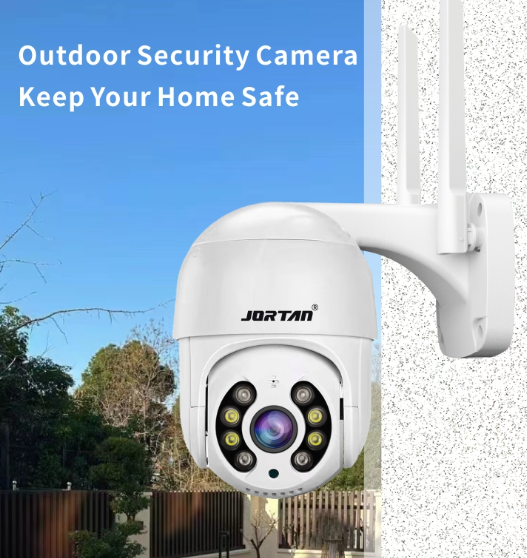
Low-Power Consumption Technology
AOV tech keeps power use low at around 40mW, grabbing images at 0.5-1 frame per second until motion kicks in full HD mode. This saves juice while covering 24/7, filtering false alarms better than old PIR sensors.
How Do Wireless Cameras Capture High-Quality Images?
Getting crisp video day or night isn’t magic; it’s about sensors and processing that handle light and noise like pros. Market leaders focus on upgrades in pixels and AI algorithms for standout clarity.
Advanced Image Sensors
CMOS sensors with large targets, like 1/1.8-inch ones, pull in more light for detailed shots. In low light down to 0.01 lux, they deliver full-color views without extra lamps, avoiding that washed-out look.
AI-ISP Technology Integration
This tech blends AI with image handling to cut noise by 6-12dB and sharpen faces or plates at night. It powers features like dynamic noise reduction, making footage from places like borders or prisons 40% better at spotting issues.
Video Compression Standards
H.265AI squeezes files by 50% over older methods, easing bandwidth while keeping HD smooth. Dual streams let you preview in real time without lag, perfect for quick checks on your app.
What Smart Features Enhance Wireless Camera Performance?
What turns a basic camera into a smart guardian? Features that spot threats and let you react fast, drawing from innovations in pet detection or elder care monitoring.
Motion Detection and Alerts
AI filters human shapes from wind or animals, pushing alerts to your phone instantly. With 30-meter range and multi-target tracking, you catch details like a stranger’s path without sifting through junk notifications.
Two-Way Audio Communication
Built-in mics and speakers mean you talk through the camera, maybe shooing away a loiterer or chatting with family.
Intelligent Tracking and Analysis
Auto-zoom follows movement, enlarging key moments for evidence. Behavioral algorithms flag odd actions like scratching in pet cams, expanding to baby monitoring with cry detection.
Why Are Wireless Cameras Easy to Install?
Tired of drilling holes for wires? Wireless setups skip that hassle, fitting your skill level with simple steps that anyone can follow.
Flexible Mounting Options
Adjustable brackets let you mount indoors or out, covering yards or shops without limits. IP66 ratings handle rain or dust, so placement in tough spots like construction sites stays straightforward.
User-Friendly Mobile Apps
Apps guide you through power-on, download, and connect in three steps. Once linked, remote views and shares happen via iOS or Android, no tech wizardry needed.
No Complex Wiring Needed
Battery or solar power means no outlets required, slashing setup time. Even in no-net areas, hotspots keep you connected close by, making repositions a breeze.
How Do Wireless Cameras Ensure Data Security?
Worried about hacks or lost footage? Strong storage and sharing options lock things down, building on global cloud services for peace of mind.
Encrypted Cloud Storage
Videos back up to the cloud, safe from device damage, with options for 7 or 30 days of event or continuous recording. TF cards up to 128G auto-overwrite old files locally as a double layer.
Multi-User Sharing with Privacy Controls
Admin-only shares mean no passwords for viewers, but tighter control than open links. It’s like banks ditching codes for safer access, limiting who sees what.
Robust Network Protocols
TCP/IP and ONVIF keep connections secure, blocking unauthorized peeks. Edge-cloud setups preprocess data, adding layers against breaches in public spots like airports.
What Makes These Wireless Cameras Stand Out?
Certain models pack extras that elevate everyday monitoring, blending niche innovations with broad appeal. Think pet cams that iterate on algorithms for precise alerts.
Innovative Product Design
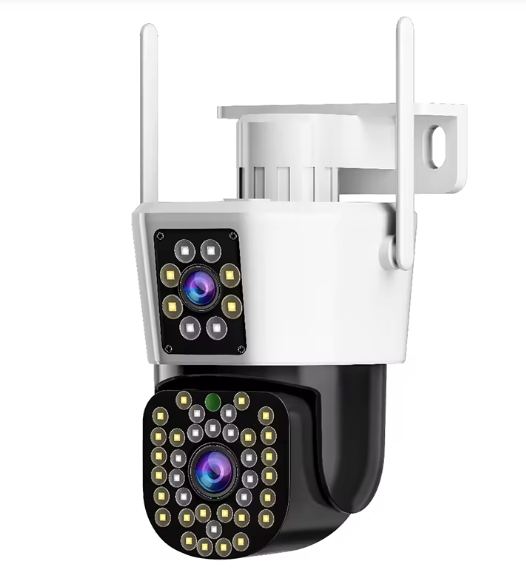
Dual lenses offer 180° views with hybrid zoom, like in setups that mix wide and close-up for no blind spots. This covers homes to warehouses without multiple units.
Reliable Performance in Harsh Conditions
From -30°C to 60°C, these hold up in farms or pastures. Full-color night vision with smart modes switches seamlessly, clear as day even in pitch black.
Comprehensive Customer Support
Quick resets and multi-screen views on computers add flexibility. Lifetime free traffic in some 4G models keeps costs low long-term.
Why Choose Wireless Cameras for Your Security Needs?
Versatility for Multiple Scenarios
Indoor for baby care, outdoor for anti-theft in fish ponds. Niche uses like mother–infant detection or pasture monitoring adapt to your lifestyle.
OEM/ODM Solutions
With Jortan’s modular OEM/ODM production lines, partners can tailor products for unique markets such as smart home, agriculture, or retail surveillance, ensuring each model meets exact functional needs.
Future-Proof Technology
Global 4G and AI upgrades mean they evolve with needs, from elderly monitoring to shop security. It’s about lasting protection.Wireless cameras thrive on efficient power, sharp imaging, clever alerts, simple setups, and tight security. Models like the JT-8176XM showcase this blend, making surveillance effortless. Dive into options that suit your setup for real assurance.
FAQ
Q1: Do wireless cameras need constant power?
A: No, many run on batteries or solar, lasting weeks or months based on motion events.
Q2: How far do they detect movement?
A: Up to 30 meters for human shapes, with AI cutting false alarms from animals or weather.
Q3: Are they weatherproof for outdoors?
A: Absolutely, IP66 ratings handle rain, dust, and temps from freezing to hot.