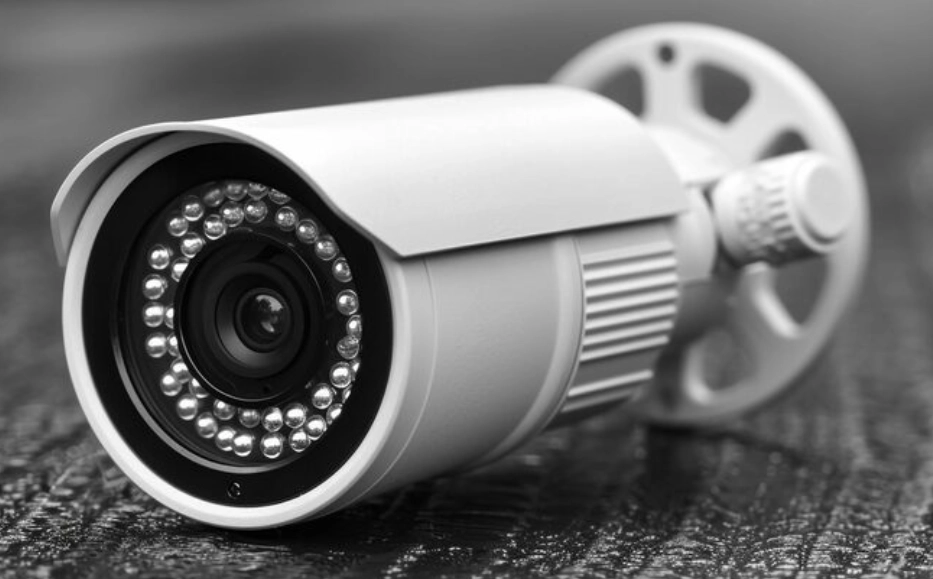
Resolution tends to be considered the most visible specification when selecting an IP security camera. Labels like 720p and 1080p seem to show a simple order—higher numbers suggest greater performance. In practice, resolution not only affects much more than image sharpness but also directly influences identification accuracy, network steadiness, storage efficiency, and even how intelligent detection functions work over time.
The real question is not which resolution is “better,” but how each option performs inside a complete surveillance system. Resolution interacts with lenses, sensors, encoding methods, and network conditions. A mismatch between resolution choice and deployment environments can undermine reliability instead of enhancing it.
This article examines how 720p and 1080p resolutions influence IP camera performance, aiding in determining which resolution fits real working needs instead of specifications.
What Does Camera Resolution Actually Mean in IP Surveillance Systems?
Before comparing resolutions, it is necessary to clarify what resolution represents within an IP camera workflow.
How pixel count translates into usable image detail
Resolution determines how many pixels form each video frame. A 720p flow has about one million pixels, while 1080p has roughly two million. In controlled conditions, greater pixel density allows finer visual details. However, usable details rest on how those pixels are captured, processed, and transmitted.
If lighting is uneven, lenses are fixed, or compression is aggressive, additional pixels may not translate into clearer identification. In such cases, resolution increases data volume without proportional gains in visual clarity.
Why resolution alone does not define image quality
Image quality results from the combined performance of the sensor, lens, signal processing, and encoding. Two cameras sharing the same resolution can provide quite different results if there are differences in the aspects of low-light sensitivity, dynamic range, or noise control.
Resolution should be treated as one factor inside a larger imaging system, not a separate sign of performance.
How Does Resolution Affect Image Clarity and Identification Accuracy?
Resolution plays a clear role in recognition tasks, but its impact depends on distance and scene complexity.
When 720p provides sufficient visual information
In short- to mid-range monitoring cases, 720p frequently delivers enough clarity for activity verification and motion tracking. For indoor spaces, hallways, or fixed viewpoints where objects stay within predictable distances, 720p can maintain shapes, movement patterns, and overall behavior steadily.
Since the image carries less data, motion appears smoother under limited bandwidth, which aids continuous monitoring without breaks.
When 1080p improves recognition and evidence value
At longer distances or in zones requiring details like entrances and transaction areas, 1080p supplies many visible benefits. Greater resolution makes finer division of facial features, object edges, and small movements possible.
During playback or evidence review, the ability to digitally zoom without excessive pixel breakup can improve decision confidence. In these cases, resolution contributes directly to the evidential value of recorded footage.
How Does Resolution Influence Bandwidth and Network Stability?
Resolution selection has immediate consequences for network behavior.
Why does higher resolution increase transmission pressure
Doubling pixel numbers increases the size of raw data, especially when frame speeds stay high. On wireless or shared networks, this can cause overcrowding, higher latency, or frame loss if not handled well, which means that higher resolution needs stronger network planning, especially when several cameras stream at once.
How smart encoding reduces resolution-related overhead
Modern IP cameras reduce resolution load through advanced compression methods like H.265-based encoding. These methods reduce bitrates while maintaining visual structure, allowing 1080p streams to stay steady under average bandwidth constraints. However, encoding efficiency has limits. Resolution should still align with available network capacity to maintain real-time reliability.
How Does Resolution Impact Storage and Long-Term Recording Efficiency?
Storage planning is often overlooked when selecting resolution, but it shapes long-term system usability.
How 720p extends storage duration under fixed capacity
Lower-resolution streams consume less storage per hour. In systems that rely on local SD cards or fixed-capacity storage, 720p enables longer retention periods without frequent overwriting.
For continuous recording environments, this can simplify maintenance and reduce storage management overhead.
How 1080p affects playback and evidence review
Although 1080p shortens retention under the same storage limits, it enhances post-event analysis. Higher pixel density supports clearer still frames and zoomed playback, which can be critical when reviewing incidents that require precise interpretation.
Your choice depends on whether long-duration coverage or high-detail review carries more operational value.
Does Higher Resolution Improve Smart Detection and AI Performance?
Resolution influences intelligent features indirectly through image input quality.
How image resolution supports human and motion detection
Detection algorithms rely on edge definition and shape consistency. A higher-resolution image can provide clearer contours, helping systems distinguish between human movement and environmental noise.
However, once minimum clarity thresholds are met, detection accuracy improves marginally with additional pixels.
Why resolution must align with algorithm design
Algorithms are trained and optimized for specific input ranges. Excessively high resolution can increase processing load without proportional accuracy gains. Balanced resolution ensures detection remains responsive and efficient.Stable detection performance depends more on consistent image quality than maximum resolution.
In Which Scenarios Is 720p the More Practical Choice?
Resolution choice should reflect real usage conditions.
Why basic indoor monitoring often favors 720p
Indoor environments typically involve shorter distances and limited lighting. In these places, 720p supplies reliable coverage while reducing bandwidth and storage needs. It supports stable real-time viewing and continuous recording, making it suitable for general indoor security and activity awareness.
When Does 1080p Become the Better Option for IP Cameras?
Why detail-critical environments benefit from 1080p
Areas that require identification—such as access points, payment zones, or perimeter entries—benefit from increased pixel density. The ability to review fine details enhances post-event clarity and accountability. In these contexts, the added data load is offset by the operational value of clearer visual records.
Who Is Jortan and How Does It Balance Resolution with System Performance?
Jortan approaches IP camera design from a system-level perspective rather than treating resolution as an isolated selling point. We integrate sensor selection, encoding efficiency, and network adaptability to ensure that resolution choices remain usable in real deployments.
Our product strategy emphasizes balance—delivering sufficient image detail while maintaining stable transmission, manageable storage, and responsive intelligent features. This approach reflects practical surveillance requirements where reliability matters as much as clarity. By aligning hardware capabilities with realistic network and storage conditions, our solutions aim to provide consistent performance across different resolution tiers without forcing unnecessary system strain.
How Do Specific Smart IP Camera Models Reflect Resolution Choices?
Different resolution strategies are reflected in specific product designs.
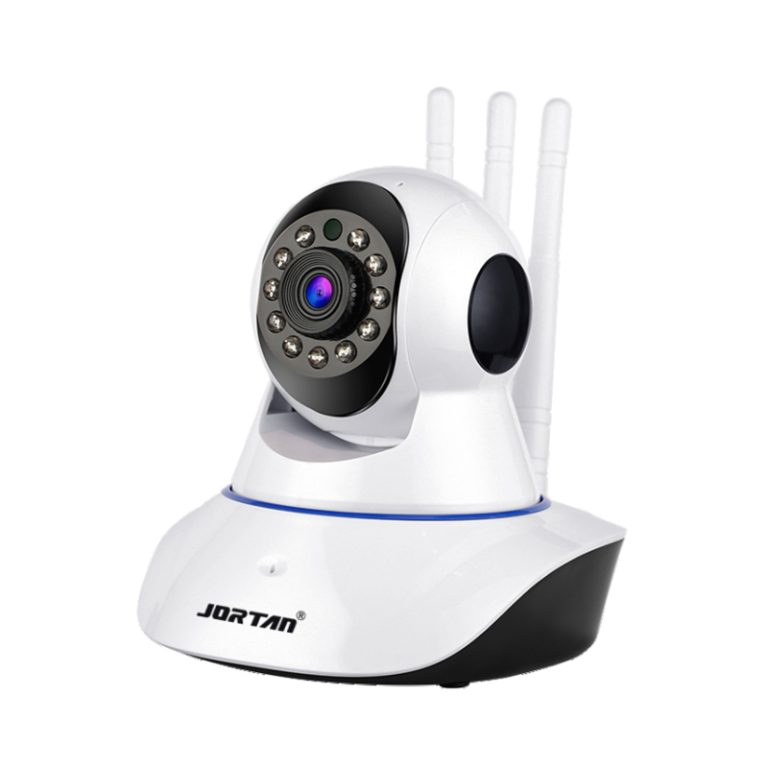
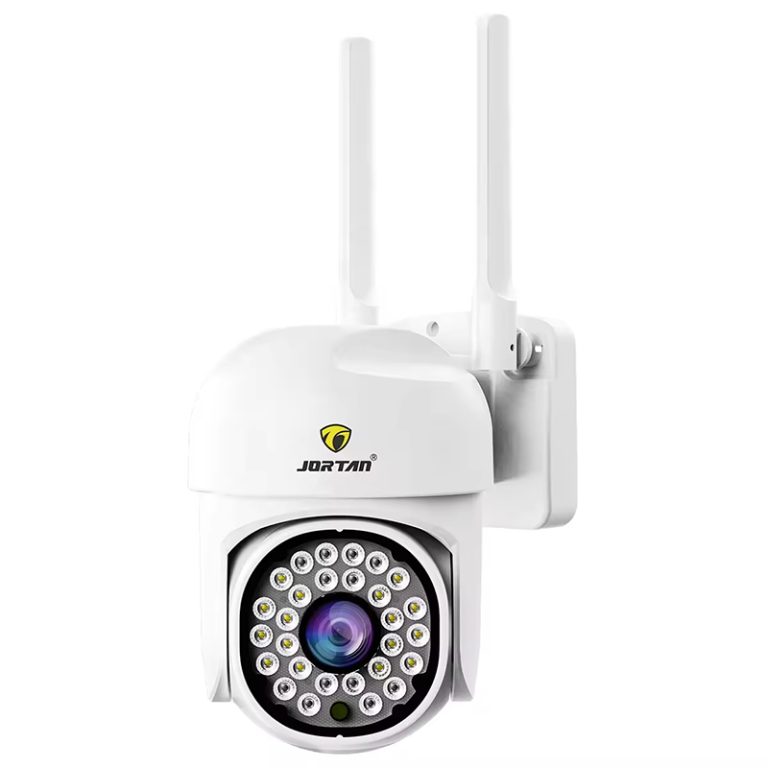
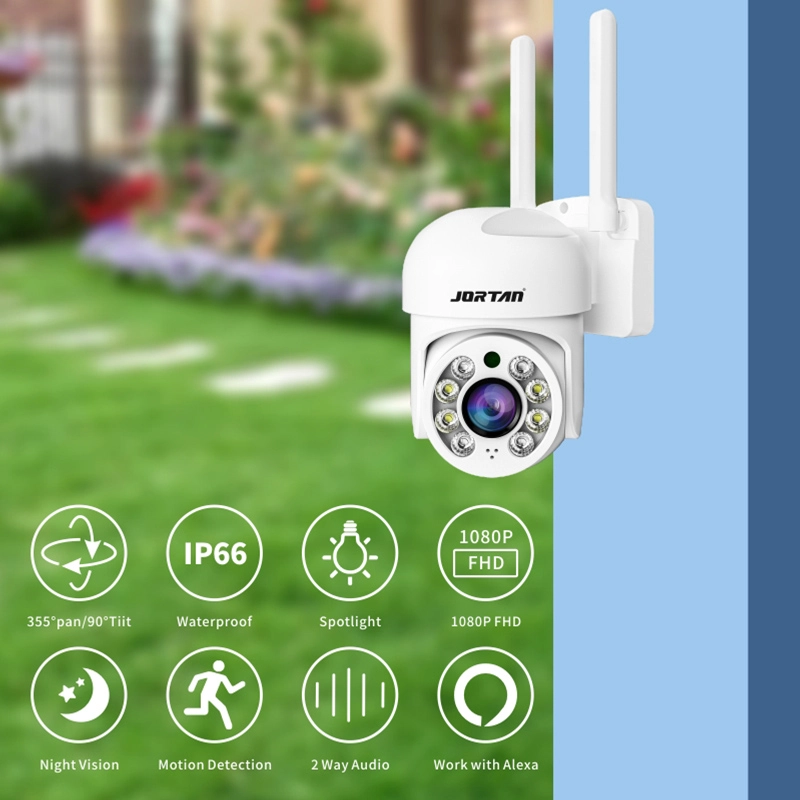
JT-8161QJ Smart IP Camera for balanced daily monitoring
The JT-8161QJ smart IP camera is designed for environments where continuous, stable monitoring is prioritized. Its resolution configuration supports clear visual output while keeping bandwidth and storage consumption predictable.
This balance makes it suitable for everyday surveillance scenarios where reliability and system efficiency are essential.
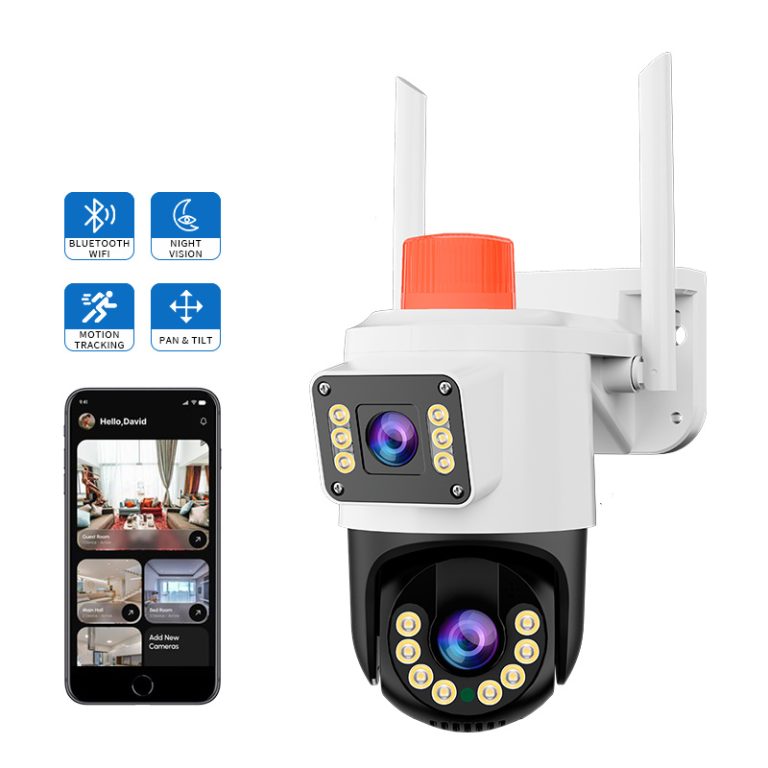
JT-8160QJ Smart IP Camera for clearer detail capture
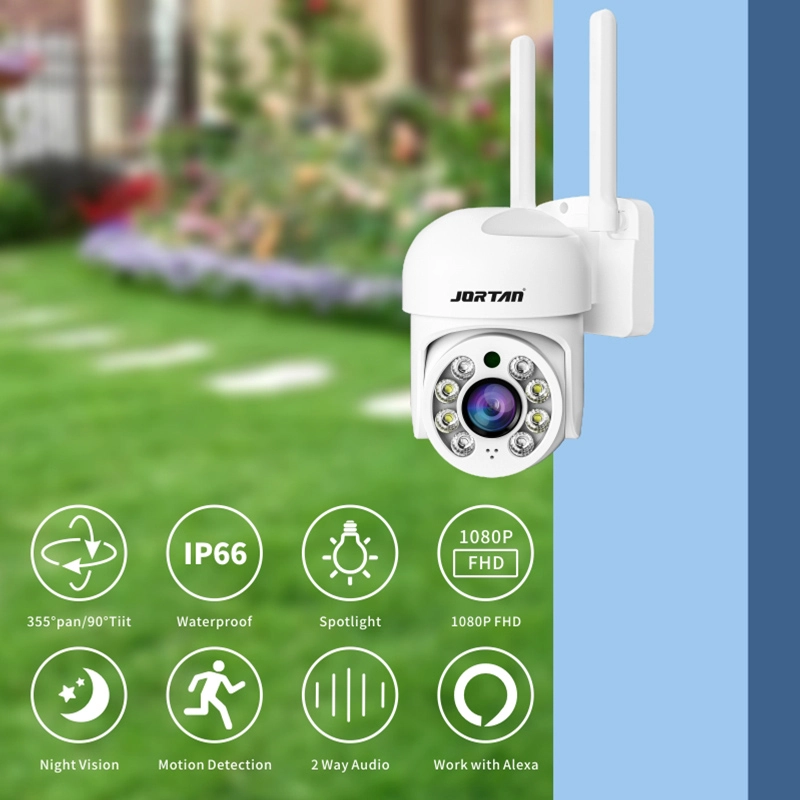
The JT-8160QJ smart IP camera targets scenarios where additional detail improves situational awareness. Its higher resolution output enhances clarity during playback and zoomed review, supporting more precise interpretation of recorded events. This model fits deployments where image detail contributes directly to security decision-making.
Conclusion
Choosing between 720p and 1080p is not a question of better or worse, but of suitability. Resolution shapes how an IP camera connects with networks, storage systems, and smart functions.
Effective surveillance depends on matching resolution with deployment distance, lighting conditions, bandwidth availability, and review requirements. When resolution aids the wider systems instead of overloading them, IP camera performance is steady, efficient, and reliable over time.
FAQs
Q1: Is 1080p always better than 720p for IP cameras?
A: No. Higher resolution improves detail but also increases bandwidth and storage demands. The right choice depends on your monitoring distance and system capacity.
Q2: Does higher resolution reduce system stability?
A: It can if network and storage resources are insufficient. Proper encoding and planning are necessary to maintain stability.
Q3: How should you decide between 720p and 1080p in practice?
A: Evaluate coverage distance, identification needs, available bandwidth, and how long footage must be retained before selecting a resolution.